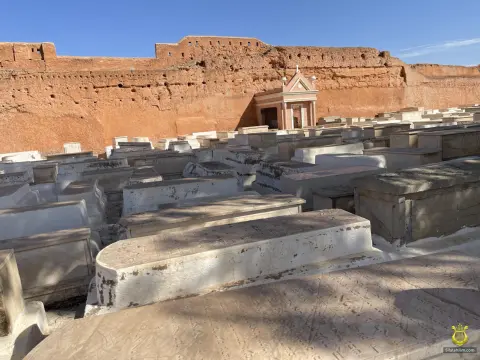
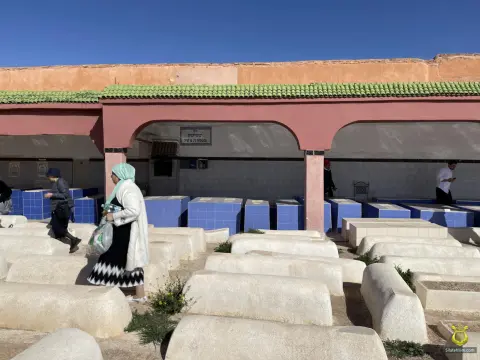
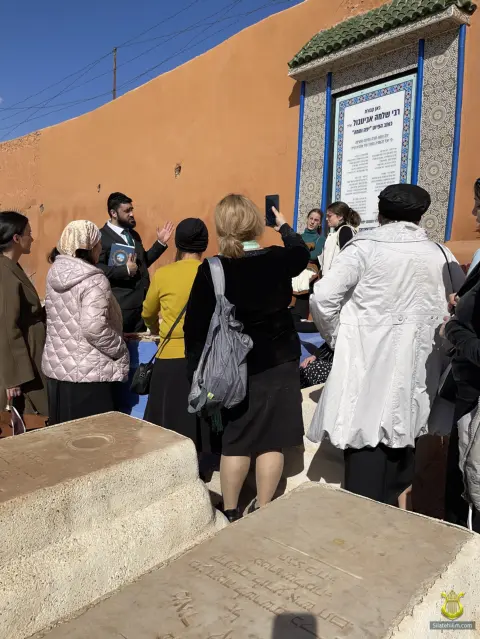
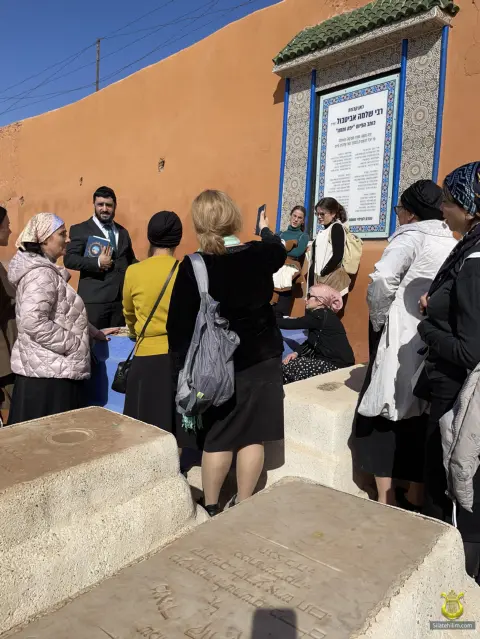
Grave
Shlomo Abitbol – "Yafa ve-Tama"
Marrakesh
"Yafa ve-Tama"
"Yafa ve-Tama" is a Shabbat hymn in praise of the Torah, written by Rabbi Shlomo Abitbol in the mid-19th century, and it remains part of the tradition of Moroccan Jews to this day. Throughout the hymn, Rabbi Abitbol speaks of themes inspired by Shir HaShirim (Song of Songs), and encourages Torah study through various approaches: plain meaning, allusion, homiletics, and mystical secrets. Moroccan Jews customarily sing this piyut throughout the year, but with special reverence on Shabbat Parashat Beshalach.יָפָה וְתַמָּה
יָפָה וְתַמָּה תּוֹרָה תְּמִימָה הַנְּעִימָה
מִי יוּכַל לְהַעְמִיק בְּסוֹדֵךְ – סוֹד אֱלֹהִים חַיִּים
אוֹר זִיו זָהֳרֵךְ בּוֹעֵר תּוֹךְ קִרְבִּי,
תָּמִיד יִדְרְשׁוּ אוֹתָךְ רַבִּים, חֻקִּים וִּמְצוֹת טוֹבִים,
אֶת כָּל לִבּוֹת מַלְהִיבִים, נֶאֱהָבִים וְגַם נִשְׂגָּבִים.
וּכְפַטִּישׁ יְפוֹצֵץ, סְלָעִים וְהָרִים,
חֵן דַּדַּיִךְ יַרְווּ בְּכָל עֵת, תּוֹרַת אֱמֶת,
מִפִּיךְ אָנוּ חַיִּים מִיֵּין סוֹד אֱלֹהִים חַיִּים.
נִתְעַלְּסָה בְגִיל בַּאֲהָבִים,
בְּסוֹד נְקֻדּוֹת עִם הַתֵּבוֹת, כְּתָרִים עִם אוֹתִיּוֹת,
פְּתוּחוֹת עִם סְתוּמוֹת, נֶעְלָמוֹת, סוֹדָם בָּרָמוֹת.
אוֹרוֹת עֶלְיוֹנִים, טוֹב מִזָּהָב וּפְנִינִים,
מַעְיָן גַּנִּים, בְּשִׁבְעִים פָּנִים, כֻּלָּם חוֹנִים,
הֵן אֲנִי עֶבֶד נִרְצָע לָךְ, קִנְיָן בְּלֵב שָׁלֵם.
יוֹרוּ מִשְׁפָּטַיִךְ הָאֵיתָנִים,
תַּנָּאֵי וְאָמוֹרָאֵי, גְּאוֹנֵי וּסְבוֹרָאֵי,
וְרַבָּנָן בַּתְרָאֵי, לְחַיֵּי מִדְּבַשׁ יָאֶה.
גְּזֵרוֹת שָׁווֹת וַהֲלָכוֹת פְּסוּקוֹת,
כֻּלָּם מִפִּי גְּבוּרָה, זִקּוּקִין דְּנוּרָא,
בְּקוֹלוֹת וּבְרָקִים מֵאֲרָקִים וְקוֹל מִשָּׁמַיִם.
שְׁמוֹת הַקֹּדֶשׁ בָּךְ נֶעֱלָמִים,
אֲשֶׁר בָּם נִבְרְאוּ עוֹלָמִים, בְּצֵרוּפִים נִפְלָאִים,
וְהֵמָּה בַּכְּתוּבִים חֲתוּמִים וְגַם סְתוּמִים.
מְאִירִים וּמַזְהִירִים, בְּסוֹד יְשָׁרִים,
כִּי חַיִּים הֵם לְמוֹצְאֵיהֶם וָחַי בָּהֶם,
אֲשֶׁר יַעֲשֶׂה הָאָדָם וָחַי מִזִּיו צוּר עוֹלָמִים.
לְכוּ לַחֲמוּ תָמִיד בְּלַחְמִי,
בְּיַ"ג מִדּוֹת תִּדְרֹשׁ הַתּוֹרָה, קַל וָחֹמֶר כַּשּׁוּרָה,
הֶקֵּשׁ וּגְזֵרָה שָׁוָה, מְסוּרָה מִפִּי גְּבוּרָה.
כְּלָלִים עִם פְּרָטִים, תּוֹצִיא לְאוֹרָה,
מִשָּׁם יוֹצְאִים אַרְבַּע נְהָרוֹת, כֻּלָּם אוֹרוֹת,
פְּשָׁטִים עִם רְמָזִים נִדְרָשִׁים וְסוֹדוֹת נֶעֱלָמִים.
מַה טוֹב דּוֹדַיִךְ אֲחוֹתִי כַלָּה,
נֹפֶת צוּף דְּבַשׁ שְׂפָתַיִךְ, גַּן נָעוּל דְּלָתַיִךְ,
רֵיחַ טוֹב בְּגָדַיִךְ, דּוֹדַיִךְ יְפִי עֵינַיִךְ.
חַמָּה וּלְבָנָה, כֻּלָּם עָמְדוּ מֵאוֹרֵךְ,
כִּי אֹרֶךְ יָמִים בִּימִינֵךְ, עֹשֶׁר בִּשְׂמֹאלֵךְ,
בָּרוּךְ בּוֹרְאֵךְ בְּיָפְיֵךְ וַהֲדָרֵךְ אֵל חַי הָעוֹלָמִים.
Yafa ve-Tama
Yafa ve-tama Torah tmima hane'ima,
mi yuchal lehaamik be-sodech – sod Elohim chaim.
Or ziv zohorech bo'er toch kirbi,
tamid yidreshu otach rabim,
chukim u-mitzvot tovim, et kol libot malhivim,
ne'ehavim ve-gam nisgavim.
U-che-fatish yefotzetz sela'im ve-harim,
chen dadayich yarvu be-chol et, Torat emet,
mi-pich anu chaim, mi-yein sod Elohim chaim.
Nit'alsa be-gil ba-ahavim, be-sod nekudot im ha-tevot,
ktarim im otiyot, petuchot im stumot,
ne'elamot sodam ba-ramot.
Orot elyonim, tov mi-zahav u-fninim,
ma'ayan ganim, be-shiv'im panim, kulam chonim,
hen ani eved nirtza lach, kinyan be-lev shalem.
Yoru mishpatayich ha-eitanim,
Tanaei ve-Amoraei, Geonei u-Svoraei, ve-rabanan batraei,
le-chayei mi-dvash ya'eh.
Gzeirot shavot va-halachot psukot, kulam mi-pi gvura,
zikukin denura, be-kolot u-vrakim me-arakim ve-kol mi-shamayim.
Shemot ha-kodesh bach ne'elamim, asher bam nivre'u olamim,
be-tzerufim nifla'im, ve-hema ba-ketuvim chatumim ve-gam stumim.
Me'irim u-mazhirim, be-sod yesharim,
ki chaim hem le-motze'eihem, va-chai ba-hem,
asher ya'aseh ha-adam va-chai mi-ziv tzur olamim.
Lechu lachamu tamid be-lachmi,
be-yud-gimel midot tidrosh ha-Torah,
kal va-chomer ka-shura, hekesh u-gzera shava, mesura mi-pi gvura.
Klalim im pratim, totzi le-orah,
mi-sham yotz'im arba neharot, kulam orot.
Pshatim im remazim, nidrashim ve-sodot ne'elamim.
Ma tov dodayich achoti kala, nofet tzuf dvash sfatayich,
gan na'ul dlatayich, re'ach tov bgadayich, dodayich yofi einayich.
Chama u-levana, kulam amdu me-orech,
ki orech yamim bi-yaminech, osher bi-smolech,
baruch bor'ech be-yof'ech va-hadarech — El chai ha-olamim.
TranslationBeautiful and perfect, beautiful and perfect, the Torah is perfect and pleasant.
Who can fathom your secrets - the secret of the living G-d?
The radiance of your light burns within me; many will always seek you, statutes and good commandments,
which kindle all hearts, beloved and exalted.
Like a hammer that shatters rocks and mountains, the charm of your bosom satisfies at all times,
Torah of truth, from your mouth we live, from the wine of the secret of the living God.
Let us rejoice in love, in the secret of the vowel points and the words, the crowns and the letters, the open and the sealed, the hidden, whose secret is lofty.
The supernal lights, better than gold and pearls, a fountain of gardens, with seventy facets, all standing guard -
behold, I am your servant forever, acquired with a whole heart. May your mighty laws instruct you,
the Tannaim and Amoraim, the Geonim and the sages the Savoraim, and the later rabbis, unto life, better than honey.
Analogies, equal decrees, and settled laws - all from the mouth of Might, sparks of fire,
with sounds and lightning, from the clouds, and a voice from the heavens. The holy Names are hidden within you,
by which worlds were created, in wondrous combinations, and they are sealed in the Scriptures, and also concealed.
They shine and glow in the secret of uprightness, for they are life to those who find them, and one shall live by them,
which a person shall do, and live by, from the radiance of the Rock of worlds. Come, eat always of my bread,
by the thirteen principles the Torah is expounded: the light and the weighty by inference, analogy and equal decree,
handed down from the mouth of Might.
General rules together with specific details - you shall bring forth to light; from there flow four rivers, all of them lights,
plain meanings with allusions, interpretations and hidden mysteries. How beautiful you are, my sister, my bride,
flowing honey are your lips, a locked garden are your doors, the pleasant fragrance of your garments,
loving embraces - the beauty of your eyes.
The sun and the moon, all stand from your light, for length of days is in your right hand,
riches in your left, blessed is your Creator in your beauty and your splendor - the living God of worlds.
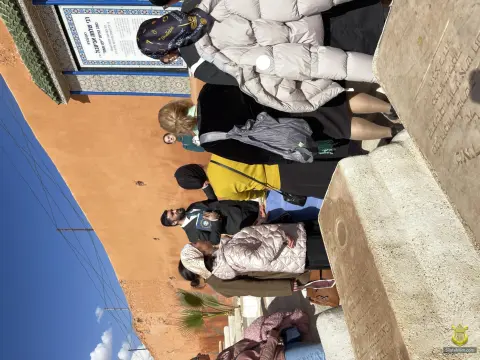
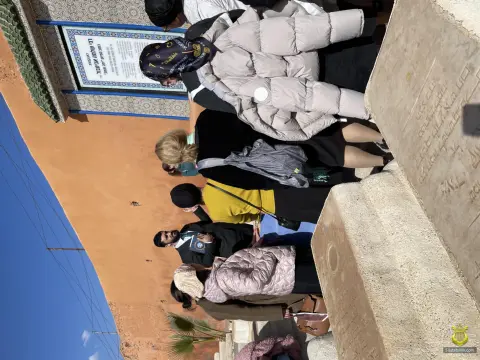
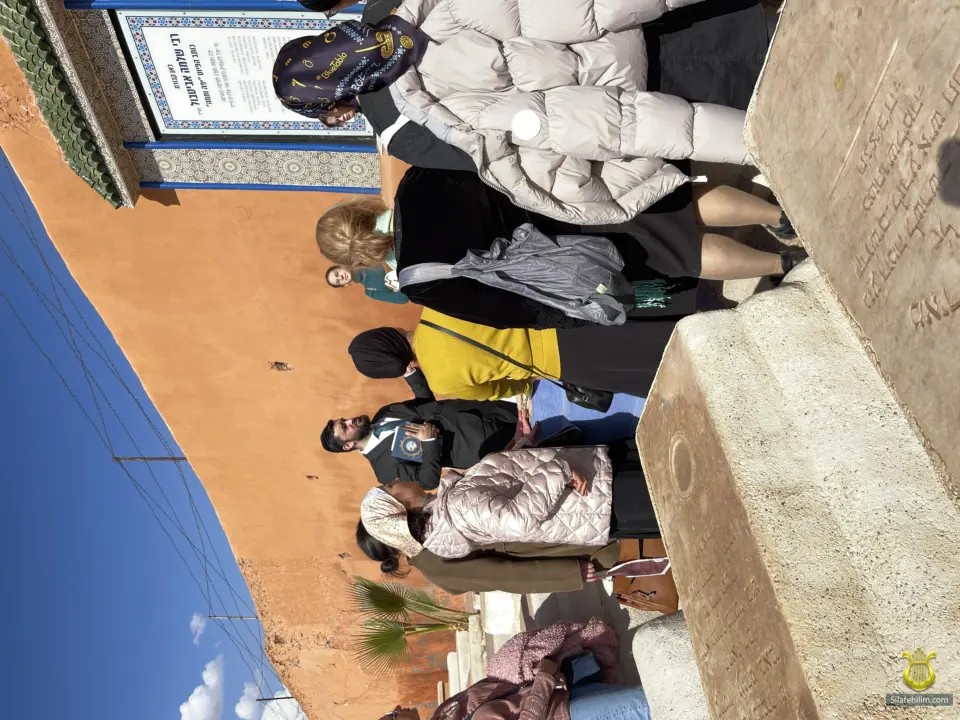
You can listen to the Shabbat piyut "Yafa ve-Tama" here at the resting place of its author - the tzadik Rabbi Shlomo Abitbol https://www.youtube.com/watch?v=Z3FcPcam-vI Professional performance: https://www.youtube.com/watch?v=QwF7oxazAs0&t=239sGallery