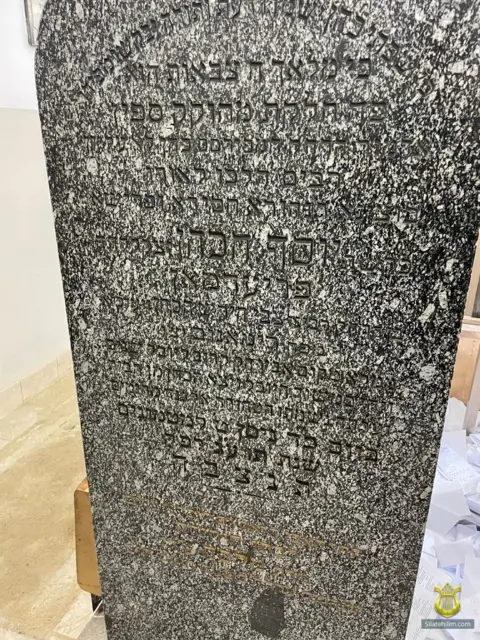
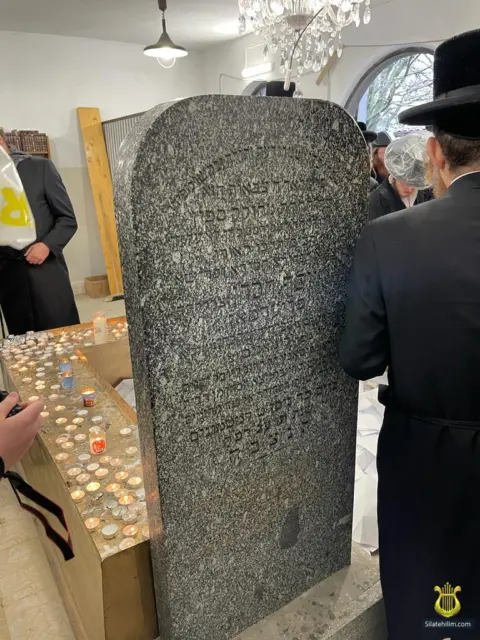
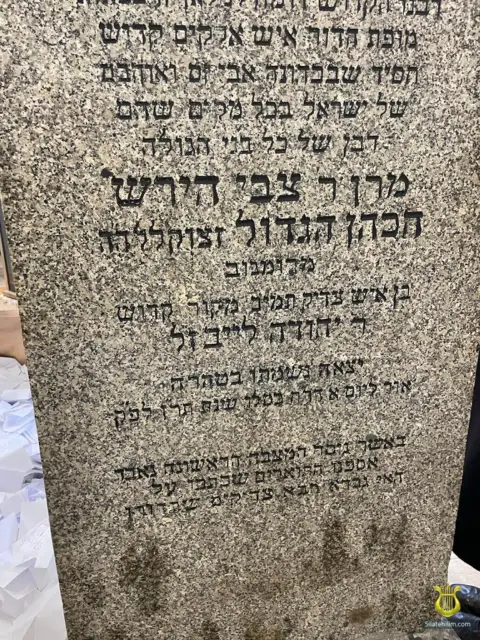
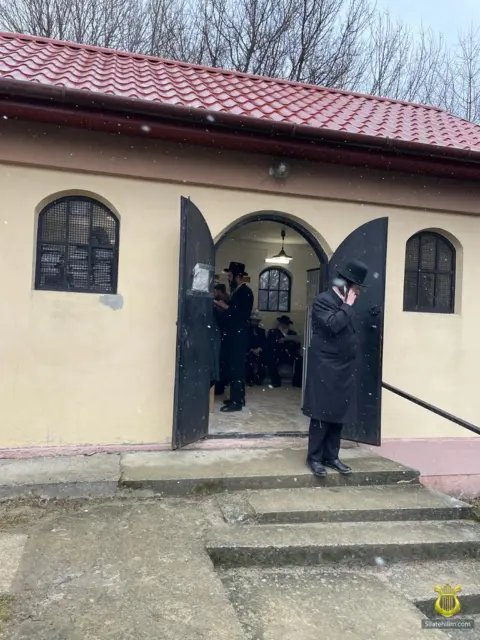
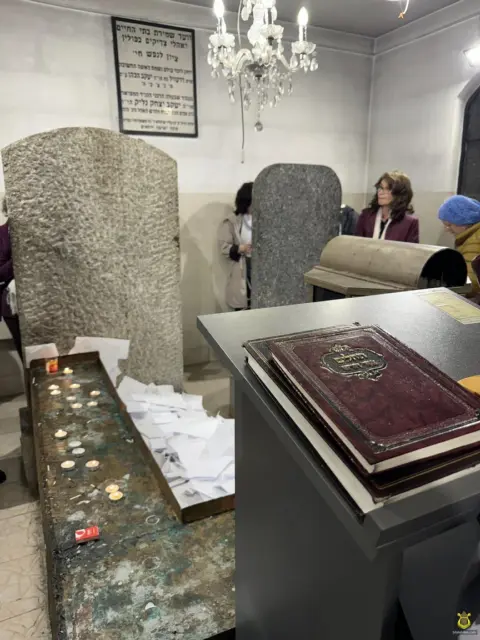
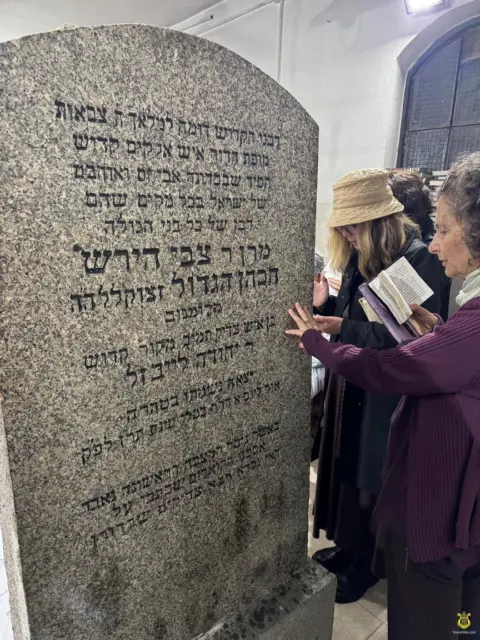
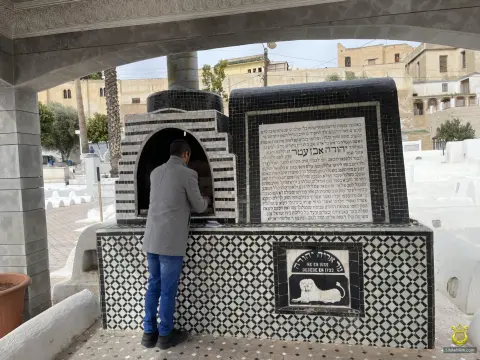
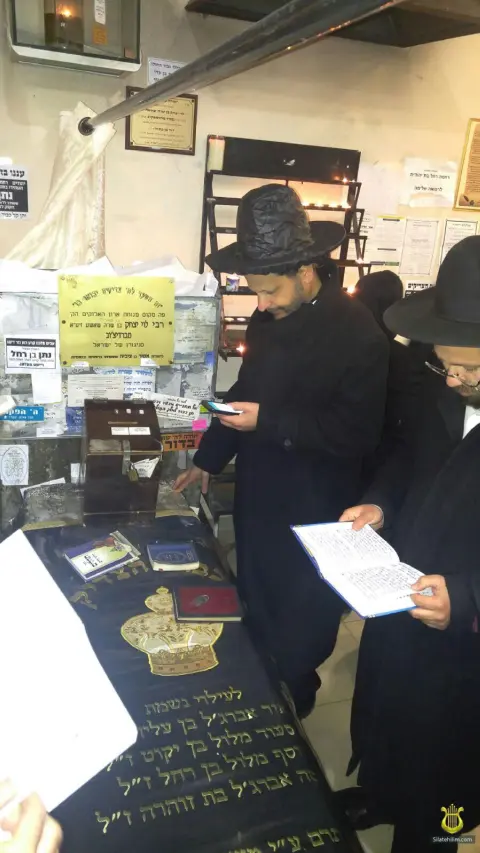
Grave
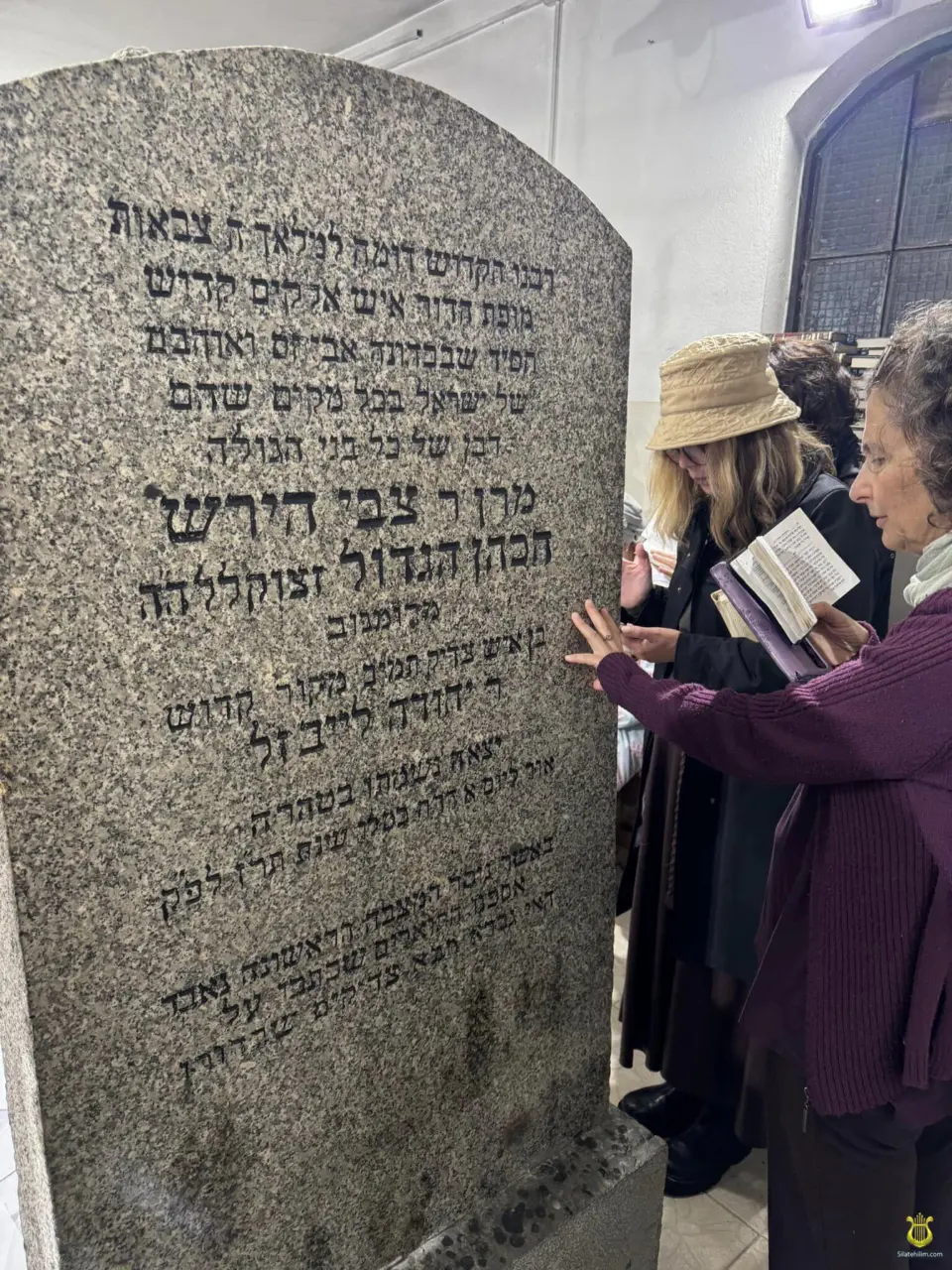
Tzvi Hirsh of Rimanov
Yahrzeit (Hillula)
- 11 Tammuz — Rabbi Tzvi Hirsh of Zhidachov
- 1 Iyar — Rabbi Tzvi Hirsch Ashkenazi - Chacham Tzvi
- 29 Cheshvan — Rabbi Tzvi Hirsh of Rimanov
- 14 Av — Rabbi Tzvi Hirsh of Liska
Rabbi Tzvi Hirsh of Rimanov
Yahrzeit - 29th of Cheshvan
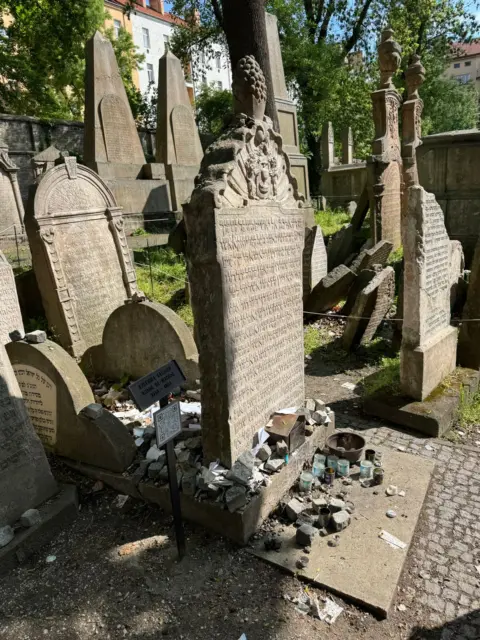
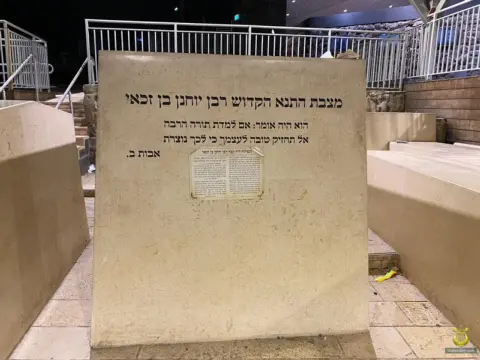
Place of burial - Rimanov, Poland
This tzadik was so holy that we cannot even fathom his greatness.
He was a simple man from a simple family, and within a few years he became a tremendous tzadik.
Rabbi Tzvi Hirsh was a disciple of the holy Rabbi Menachem Mendel of Rimanov - he was called the "Servant."
Rabbi Tzvi Hirsh buried 17 sons. Only one son survived, along with a daughter who later married a great tzadik.
When people asked him why he, who performed miracles for thousands of Jews and helped so many people, did not pray for himself, he pointed to Avraham Avinu as an example.
Avraham could have avoided the Akeidah, but chose not to, because he knew that his sacrifice would benefit Israel, and so he accepted it with love for Ha-Shem and made a Kiddush Hashem.
Rabbi Tzvi Hirsh believed that if he could help Israel, he would be ready to accept Ha-Shem's decree with love.
The hillula of such a holy man, who gave up what was most precious to him in life, is a day of tremendous Eit Ratzon (Divine favor).
Lineage
When Rabbi Yisrael of Ruzhin was about to marry off his grandson to the daughter of Rabbi Tzvi Hirsh of Rimanov, before drawing up the marriage contract he said: "In our family there is a custom of reciting one's lineage at the time of the engagement. That is exactly what I now intend to do. My great-grandfather was Rabbi Dov Ber of Mezeritch, my grandfather was Rabbi Avraham the Angel, and my father was Rabbi Shalom Shachna." He mentioned only the names of the Great Maggid, his son, and his grandson, without their honorific titles. Then he turned to Rabbi Hirsh: "Now it is your turn. Tell us who your ancestors were."
Rabbi Hirsh answered: "My father and mother left this world when I was ten years old, so I cannot tell you much about them - I only know that they were worthy and honest people. After their death, my relatives apprenticed me to a tailor. I stayed with him for five years and, despite my young age, worked well. I tried not to spoil new garments and carefully mended the old ones." "This match is acceptable to both sides," exclaimed the Rebbe of Ruzhin.
What Belongs to You?
Someone complained to the Rebbe of Ropshitz zatzal that his tallis and tefillin had been stolen. The Ropshitzer answered in his well-known witty style: "Why are you upset? The tefillin weren't yours anyway. One of them was Rashi's, the other Rabbeinu Tam's. The tallit wasn't yours either, because it was a Turkish tallit. (A tallit made of Turkish wool is called a "Turkish tallit". Playing on words, the Ropshitzer said: "The tallit doesn't belong to you, it belongs to the Turk.") The siddur wasn't yours either, because it was the siddur of the Rebbe of Berditchev. So what was actually stolen from you? Only the sack, which was already torn and full of holes. So what are you complaining about?"
Deep ideas are hidden in these simple words. This great tzadik did not speak in vain. Although we do not know his intentions, one lesson can be drawn: a person has many good deeds - Torah, tefillah, and mitzvos - but they do not belong to him.
The Servant
It is told, for example, that Rabbi Menachem Mendel of Rimanov saw in a dream how the angel Metatron, "the prince of the inner chambers," led Hirsh the "Servant" to the tzadik's chair. The tzadik then noticed that Hirsh could see the souls of the departed seeking redemption just as clearly as the tzadik himself could. This eased his feeling of awkwardness and embarrassment, but from then on he no longer allowed Hirsh to live in his house and perform the duties of a servant. The only thing Rabbi Mendel continued to accept from Hirsh was help with putting on tefillin, since Hirsh had managed to convince the tzadik that this was a great honor for him.
According to another account, after their father's death, two sons of Rabbi Mendel came to Rabbi Naftali of Ropshitz so that he could decide which of them should succeed their father. Rabbi Hirsh went with them as a servant, and they had already agreed that whichever of them took their father's place would take Hirsh into his house. On the way, a local resident, one of Rabbi Mendel's chassidim, approached them. Having learned of the teacher's death, he wished to hand over the symbols of communal leadership to them, since they were Rabbi Mendel's sons. The sons, however, refused to accept the responsibility, since they had not yet received rabbinic ordination, and the younger son suggested handing them over to Rabbi Hirsh, to which the chassid agreed without a second thought. The brothers were surprised, and somewhat embarrassed, to see Rabbi Hirsh accept these symbols as though it were only natural. And when they arrived at Rabbi Naftali's, he addressed Hirsh as "Rabbi" and seated him in the place of honor.
It is also told that there were chassidim who wished to choose Rabbi Mendel's eldest son, Rabbi Natan Yehuda, but he not only declined the offer, he went away to distant lands for a considerable time.
The Perfection of Torah
Once a weeping woman came to Rabbi Hirsh and complained that she had been treated unjustly in the rabbinical court. The tzadik summoned the judges and said: "Show me the text on which you based your decision, because it seems to me that there is an error hidden here." Together they examined the section "Choshen Mishpat" of the Shulchan Aruch on which the judges had relied, and concluded that there had indeed been a misinterpretation.
One of the judges asked the Rabbi how he had known in advance that a mistake had been made. He replied: "Because it is written: 'The law of G-d is perfect, restoring the soul.' The woman would not have wept if the court's decision had been based on the true law."
May the merit of this great tzadik protect Am Yisrael!
(From Martin Buber's book "Tales of the Hasidim: The Later Masters")
Gallery