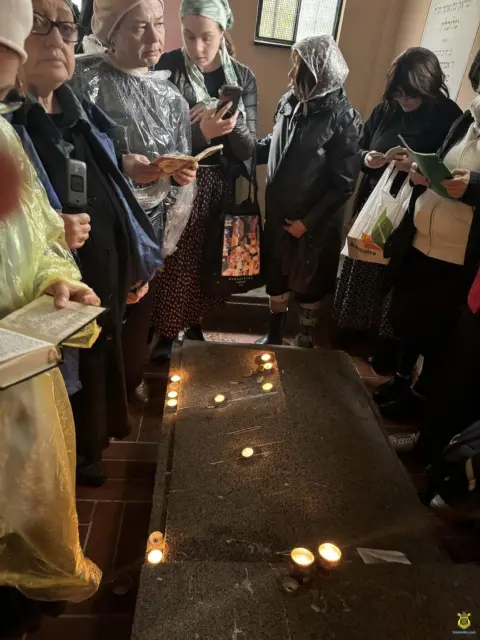
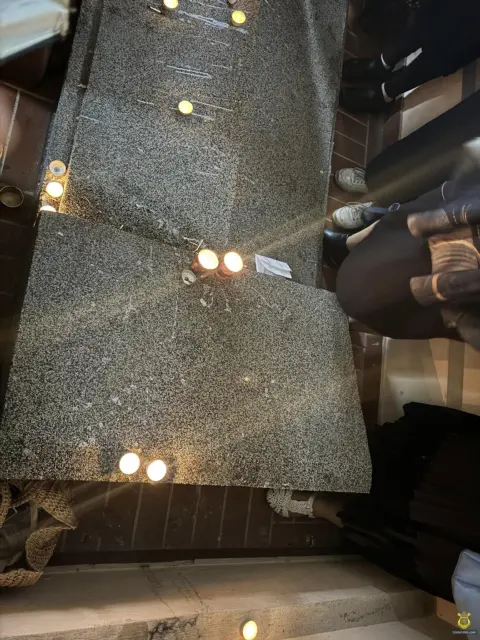
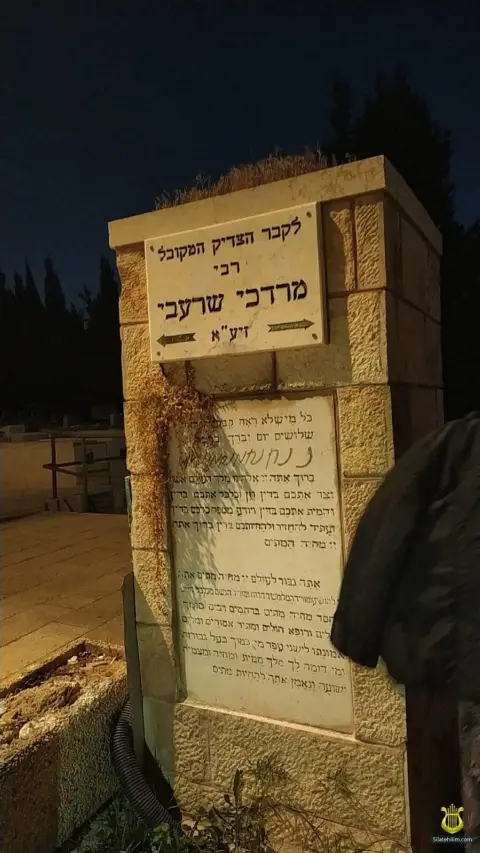
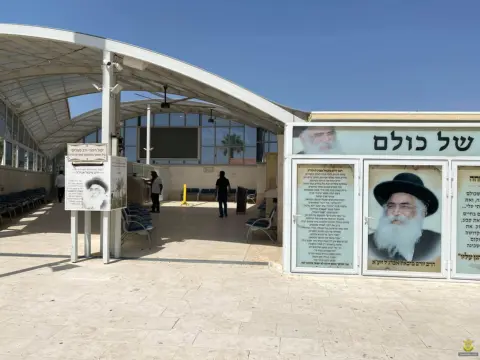
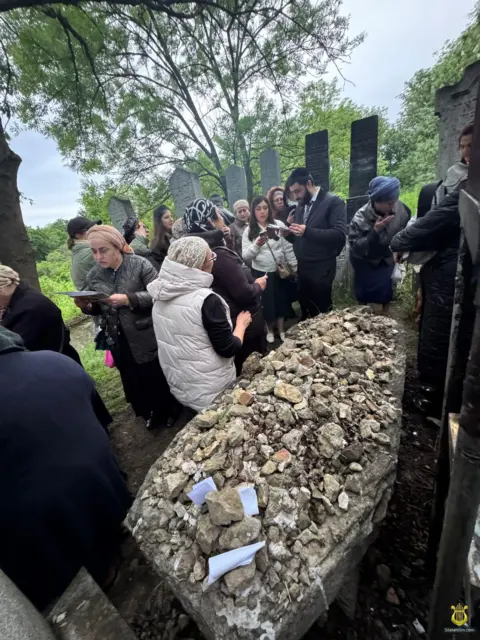
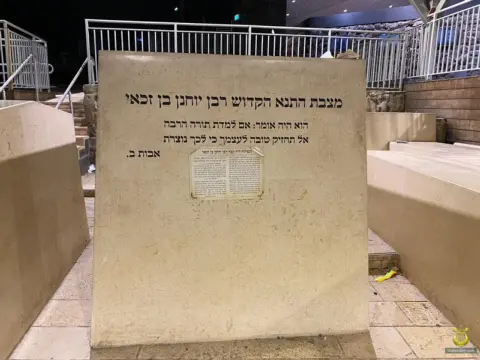
Grave
Tzadok HaKohen
"Pri Tzadik"
Rabbi Tzadok bar Yaakov HaKohen Rabinowitz (1823-1900) was a Hasidic teacher.
Yahrzeit – 9 Elul
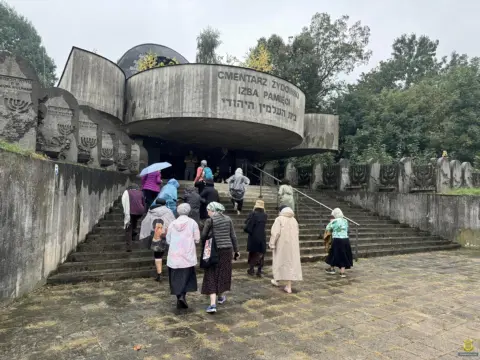
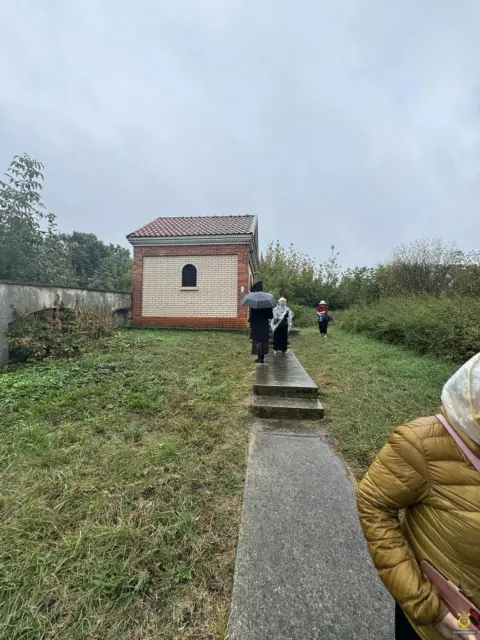
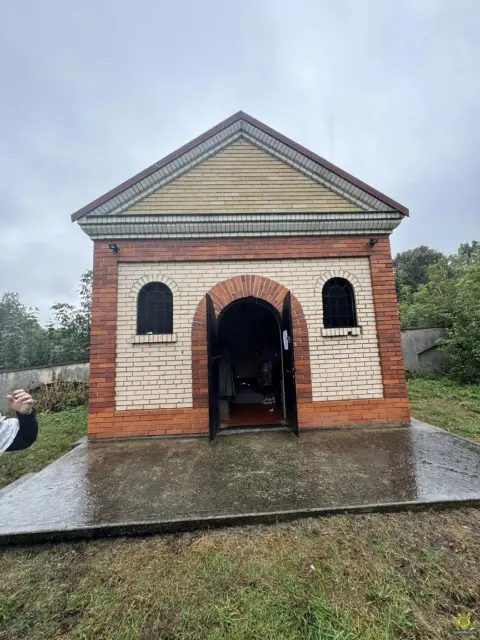
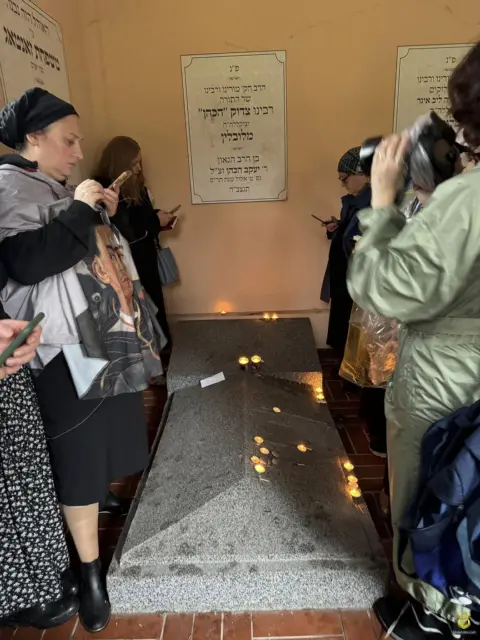
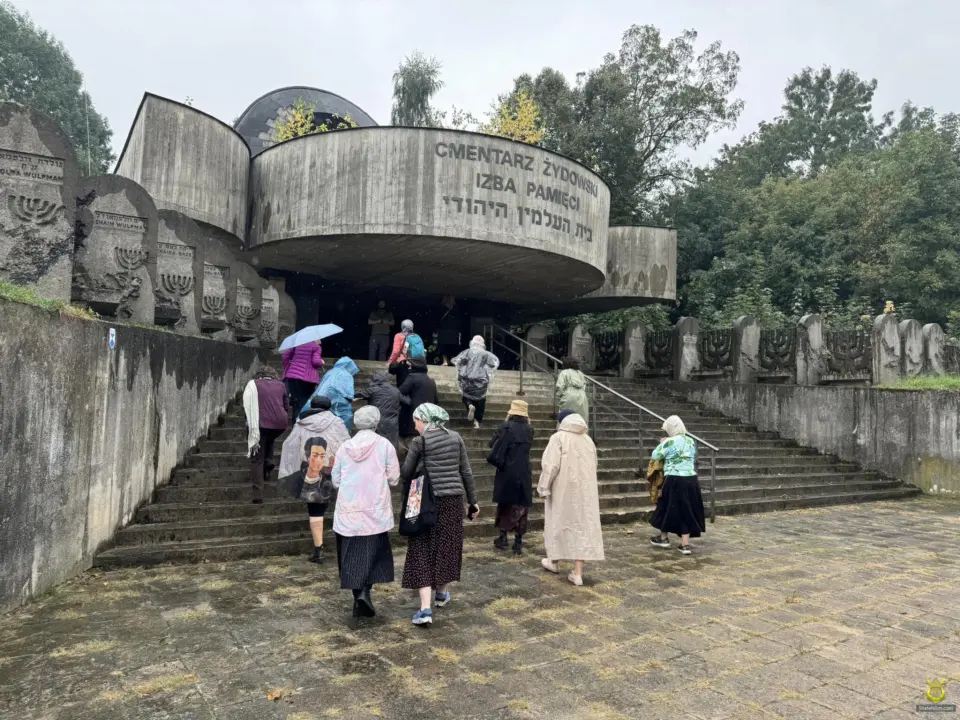
Burial place – Lublin, Poland
He was born on 22 Shevat 1823. At the age of one, he learned to speak and would recite a blessing before drinking milk from his mother's breast (Gedolei HaDorot). Rabbi Tzadok HaKohen is one of the most influential thinkers of the Hasidic movement. He was born into a family of rabbis. His father was Rabbi Yaakov HaKohen, rabbi of Krisberg. Even as a young man he was recognized as an Illui (child prodigy), a brilliant Talmudist, and as a result he received complex halachic inquiries (she'elot) from all over, and corresponded with such luminaries as Rabbi Yitzchak Elchanan Spektor of Kovno.
Besides writing numerous Talmudic works, he also wrote scholarly essays on astronomy, geometry, and algebra. For the first 24 years of his life, he studied only nigleh, the revealed part of the Torah, which includes the Talmud and Halacha.
1847 was a turning point in his life, and from that time until the end of his life, his writings were devoted only to nistar, the hidden part of the Torah – kabbalistic and mystical subjects. Despite difficulties in many communities, Rabbi Tzadok refused to accept a rabbinic position for most of his life. He made ends meet by keeping a small secondhand shop. Rabbi Tzadok was a Hasid of Izhbitz and a close friend of Yehuda Leib Eiger. After Rabbi Eiger's passing in 1888, he agreed to accept leadership of his Hasidim.
Rabbi Tzadok wrote "Pri Tzadik" (reflections on the Torah and the festivals), "Resisei Layla," "Kedushat Shabbat," "Machshevot," "Dover Tzedek," and other works.
Segula
Rabbi Tzadok HaKohen had no children, so anyone who gives tzedakah in his honor, lights a candle, and reads something from his teachings on the day of his Hillula is considered, as it were, his child, and the Tzadik will intercede before Heaven on that person's behalf, that Hashem grant him yeshuot and brachot.
Limud
Never give up
"A Jew must never give up, neither in material matters nor in spiritual ones. Even if you are stuck in a swamp of hopelessness, do not despair and do not think that you can never pull yourself out. For a Jew, there is no such thing as despair. G-d has countless ways to help you. In fact, the entire Jewish people was founded in a seemingly hopeless situation. Avraham and Sarah lived for years without believing they would have children. Sarah — who believed this was truly beyond G-d's power — doubted the angel who announced the birth of a child. Indeed, G-d could have given them a son earlier. Why did He perform an unnecessary miracle? It was G-d's plan that the Jewish people be founded on the affirmation of "faith in the impossible," that a Jew never despairs, that G-d always helps, that nothing is difficult for G-d." (Divrei Sofrim 16)
Cheshvan – descent for the sake of ascent
"In the month of Cheshvan, the waters of the great flood descended upon the Earth. The judgment began upon the generation of the flood, which multiplied its sins by defying the Creator. "And they said to the Almighty: turn away from us, for we do not desire to know Your ways. Who is G-d, that we should serve Him, and what will prayer to Him profit us?" (Job 31:14).
The trace of this fearsome judgment remained in the world until King Shlomo completed the building of the Jerusalem Temple. The Midrash (Tanchuma, parashat Noach, 11) relates that every year in the month of Cheshvan, the Earth was flooded by rains lasting 40 days, similar to the rain that fell in the days of the flood. Therefore, in the Book of Kings (Melachim I, 6:38), the month of Cheshvan is called Bul: "When the building of the Temple was completed in the month of Bul," since bul hints at mabul (flood). The absence of the first letter מ (mem) hints that once the Temple was built, these torrential rains ceased. מ equals 40 in gematria — a sign that the fearsome judgment of the generation of the flood no longer weighed upon the world.
What is the connection between these two events?
The purpose of Creation was to reveal G-dliness in the world, in the words of the Midrash: "That the Shechinah should have a dwelling place in the lower worlds." However, because of the sins of the generation of the flood and the generation of the Tower of Babel, the Shechinah withdrew from the world. But when the Temple was built, the Shechinah returned to the world once more. For in the Temple the Shechinah dwelt continually, and for this reason Yaakov prophetically called the future site of the Temple "the House of G-d" (Bereishit 28:19), i.e., the place designated for the permanent presence of the Creator to dwell there. And from there, awe of Him goes out into the world, as it is said: "And you shall eat there before G-d, in the place which He shall choose, so that you may learn to fear G-d." (Devarim 14:23). And this is not referring to fear of punishment, but to the elevated awe that grips a person in the place where the Shechinah is revealed, as we mention in the Passover Haggadah: "With great awe" – this is the revelation of the Shechinah." And it is no coincidence that the Shulchan Aruch, the code that determines the conduct of a Jewish person in this world, begins precisely with this idea: "A person should, from the moment of waking, picture in his heart that the King of kings, the blessed Creator, stands before him and sees all his deeds. And then, immediately, awe and humility will come to him from the elevated fear of Him."
The ancient kabbalistic book Sefer Yetzirah states that the month of Cheshvan corresponds to the letter נ (nun) of the Hebrew alphabet. Interestingly, in the prayer Ashrei (Psalm 145), in which each successive verse begins with the next letter of the alphabet, the letter נ (nun) is missing. The Talmud (Berachot 4b) explains that this is because the word nefila (falling) begins with this letter. However, the verse beginning with the letter following נ (nun), namely ס (samech), hints at the rectification of this fall: "Somech (the Creator supports) all who are nofelim (falling)." And King Shlomo speaks of this as well: "Seven times the righteous man falls and rises." (Mishlei 24:16) Every month has its own particular spiritual task. The inner work of the month of Cheshvan is to strengthen oneself and rise from every fall, drawing upon oneself holiness and awe of the Creator."
May the merit of the Tzadik Rabbi Tzadok HaKohen of Lublin protect us all, Amen.
(https://dailyzohar.com/tzadikim/225-Rabbi-Tzadok-HaKohen-of-Lublin)
Gallery