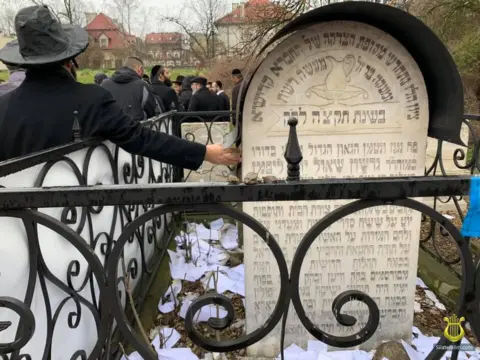
Grave
Chaim Vital
Yahrzeit (Hillula)
- 30 Nisan — Rabbi Chaim Vital
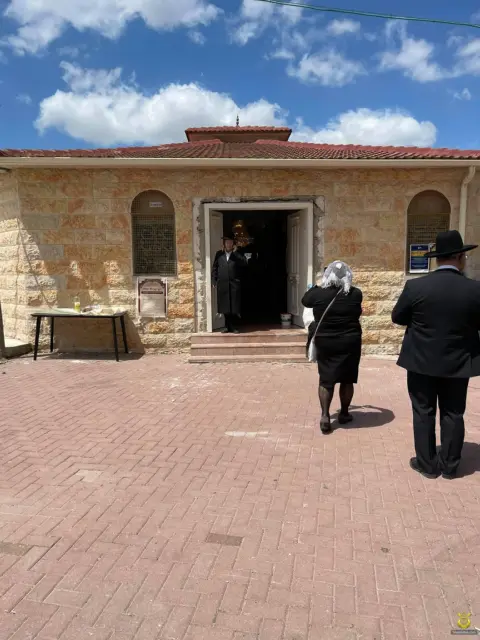
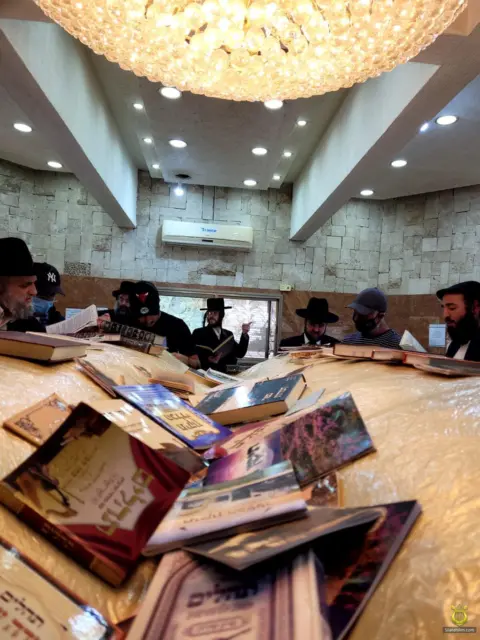
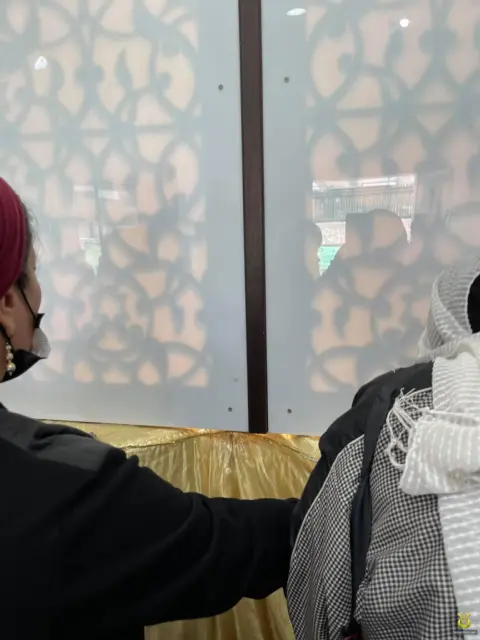
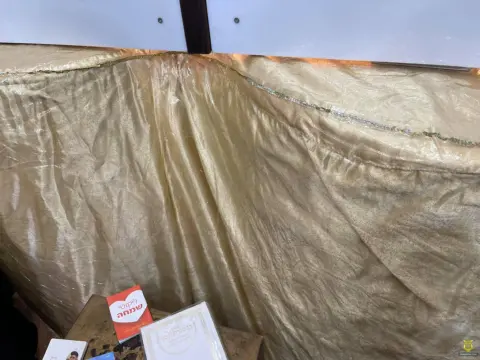
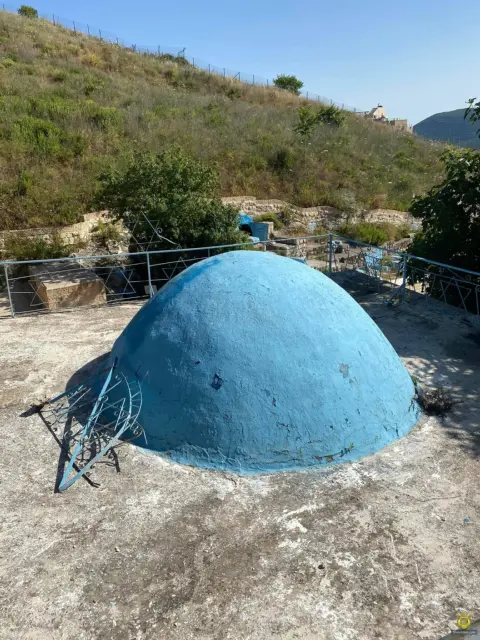
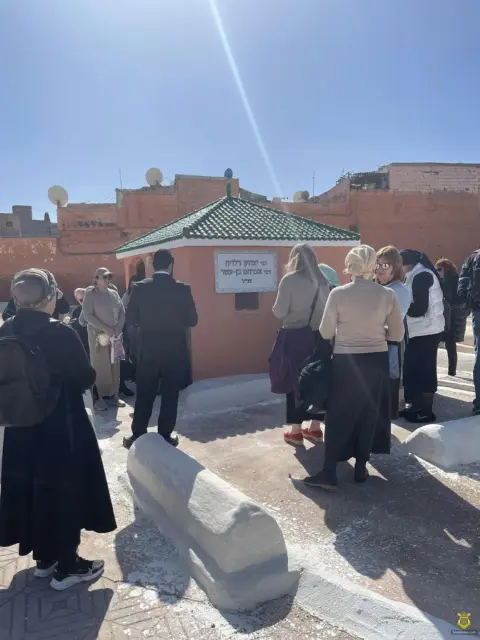
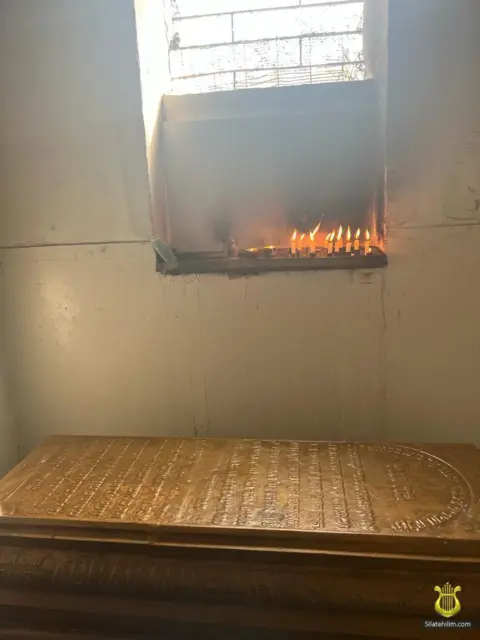
Grave of Rabbi Chaim ben Yosef Vital
Yahrzeit - 30 Nissan;
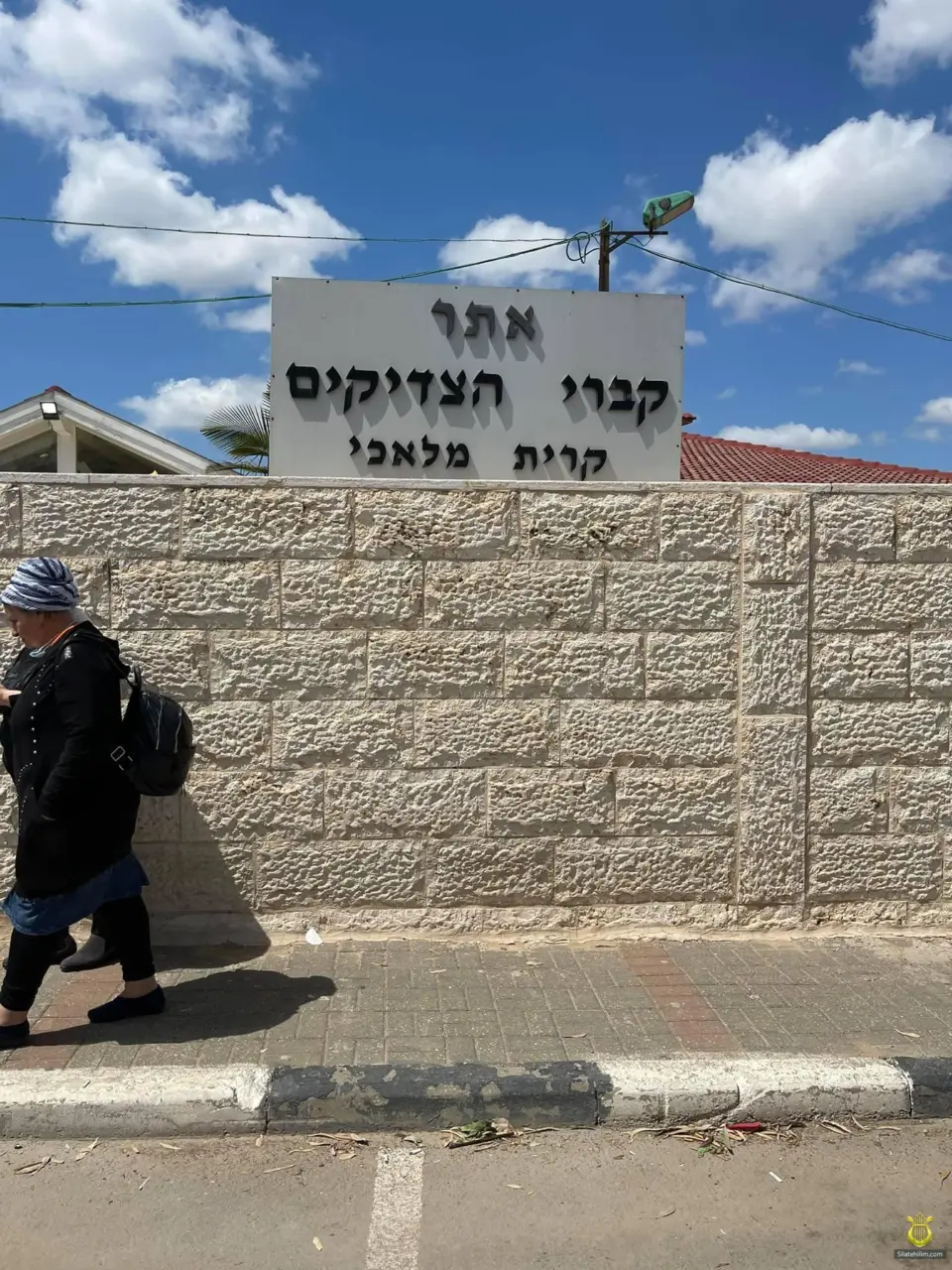
Burial place - Kiryat Malachi;
Rabbi Chaim Vital
"When I [first] came to my teacher of blessed memory (the Arizal) to study this wisdom under his guidance, he was about to travel to Tiberias. He took me with him. We got into a boat, and as we sailed [across the Kinneret] opposite the arches of the Old Synagogue of Tiberias, my teacher dipped a cup into the water and gave it to me to drink. He told me that I would now be able to grasp this wisdom [the teaching of Kabbalah], because I had just drunk water from Miriam's Well [which is located in the Kinneret]. From that time on, I began to penetrate the depths of this wisdom."
When the Arizal passed away just two years after Rabbi Chaim began studying with him, Rabbi Chaim was already regarded as his successor.
In 1594 he moved to Damascus, where he passed away in 1620 at the age of 77. His grave was later moved to Kiryat Malachi.
The Arizal revealed that the soul of Rabbi Chaim Vital was a very lofty soul, from the same soul-root as Rabbi Akiva and King Chizkiyahu;
while his father (Rabbi Yosef Vital) and his son (Rabbi Shmuel Vital) were sparks of the soul of the great Tanna - Rabbi Meir Ba'al HaNes.
His son, Rabbi Shmuel Vital, put the finishing touches on the "Eight Gates of the Writings of the Ari" and published them. Some other manuscripts (mainly "Etz Chaim") Rabbi Chaim Vital chose not to publish and took with him to the grave.
Years later, Rabbi Avraham Azulai and Rabbi Yaakov Tzemach, through "yichudim" (special kabbalistic meditations) and she'elat chalom (dream inquiry), with the permission of Rabbi Chaim Vital, retrieved these works from his grave.
When His Shoulder Hurt
One day Rabbi Chaim Vital's shoulder began to hurt badly. The Holy Ari asked him: "Do you always recite Birkat Hamazon immediately after washing your fingertips after eating (mayim acharonim)?"
Rabbi Chaim Vital admitted that he did not always pay attention to this. The Arizal replied: "That is precisely why your shoulder hurts, for the letters of the word 'shoulder' (KaTeF) are the same as those in the word 'immediately' (TeCHeF), as the Sages teach in Berachot (42a). Since you violated the rule that the blessing must follow immediately after the washing, you were hinted at this through the pain in your shoulder." (Sha'ar HaMitzvot, Eikev, p. 106)
The Waters of Gichon
The following story took place after the passing of the Arizal, when Rabbi Chaim Vital was living in Jerusalem. One day the Jerusalem sultan came to him and ordered him to open the waters of Gichon.
The Gichon was an underground water source that flowed beneath Jerusalem. It had been sealed by King Chizkiyahu, as stated in the Talmud, against the will of the sages of his generation.
Clearly, the sealing and opening of these waters carried a far deeper significance than mere technical considerations.
The sultan knew that the great kabbalist Rabbi Chaim Vital possessed sufficient power to "unseal" a source hidden away many centuries earlier. Rabbi Vital was afraid to carry out this order, but he knew that he would be put to death if he refused. So, using a special kabbalistic technique, he instantly transported himself to Damascus. That very night, his rebbe, the Arizal, appeared to him in a dream.
- "Why did you refuse to open the Gichon today?" - he asked his student.
- "I was afraid to use G-d's holy names to carry out this order," answered Reb Chaim.
- "And how did you end up in Damascus?"
Reb Chaim apparently had no answer, and the Arizal continued: "Do you know that your soul is a 'gilgul' of King Chizkiyahu, and that you came into this world in order to reopen this source, sealed away so many years ago?"
Reb Chaim replied: "I will go back there tomorrow and do it."
The Arizal said: "No, now there is nothing you can do. Today was the day, but the favorable opportunity has been irretrievably lost."
Yichudim
Once, Rabbi Chaim Vital was sent by his teacher the Arizal to perform a "yichudim" meditation at the graves of Abaye and Rava in Ovnit. When he returned, he was surprised that the Arizal stood up in his honor, greeted him, extended his right hand, and was overjoyed to see him. When Rabbi Chaim Vital asked the reason for his teacher's unusual behavior, the Arizal answered that he had stood up in honor of the soul of Benayahu ben Yehoyada, which had accompanied Rabbi Chaim Vital.
Three months later, the Arizal and his students passed by a certain spot, and the Ari pointed to a pile of stones, saying that he saw with Ruach HaKodesh that this was the grave of Benayahu ben Yehoyada.
Rabbi Chaim Vital recalled that, on his way to the graves of Abaye and Rava, needing to rest, he had sat down on this very pile of stones and practiced the "yichud" his teacher had given him. As the Arizal explained, it was through the power of that "yichud" that Benayahu had joined himself to Chaim Vital.
Theft
One day, when Rabbi Chaim Vital came to his teacher, the Holy Ari said to him:
"The letter ג (gimmel) is now appearing on your forehead - it means you have stumbled in the mitzvah against גזל 'gezel' (theft)." And Rabbeinu the Ari continued:
- "How do you earn your living?"
The student answered: - "I trade in thread. A few elderly women spin it for me, and I sell it."
- "Then check whether you have ever cheated them."
Rabbi Chaim went to the elderly women and asked:
- "Have I ever cheated you?"
The youngest of them answered:
- "You have cheated me. I make finer, better thread, and you pay me the same as everyone else."
Rabbi Chaim accepted this, paid her double, and returned to his teacher. The Holy Ari said:
- "Now the sign has disappeared from your forehead, which means you have corrected the sin of theft."
Of course, Rabbi Chaim never intended to steal, and had he known that she was doing finer work, he would have gladly paid her what she deserved. And yet the sign of theft still appeared on his forehead.
Rabbi Chaim Vital wrote "Sha'arei Kedusha" ("Gates of Holiness") as a guide to attaining Ruach HaKodesh (divine inspiration) and nevuah (prophecy). The text (in its fourth chapter) even teaches how to use the holy 72 Names. Nevertheless, most of the book is devoted to preparing for these holy achievements. The lion's share of this material is mussar (ethics), teaching us how to correct and elevate our middot (character traits). It is precisely these teachings that made "Sha'arei Kedusha" a classic in the world of the yeshiva.
May the merit of the tzadik Rabbi Chaim Vital protect our people and bring redemption!
Gallery