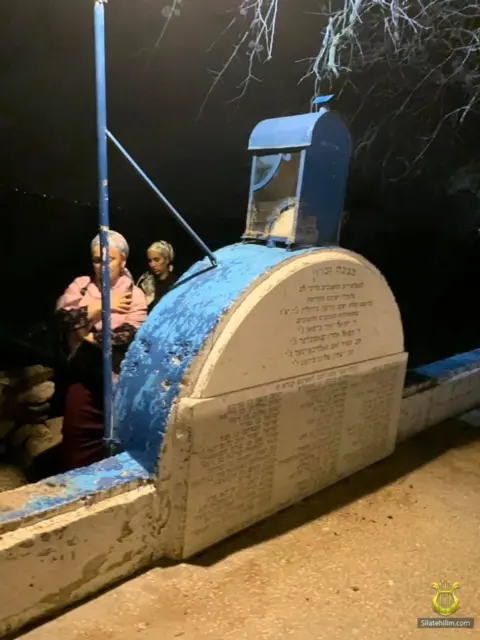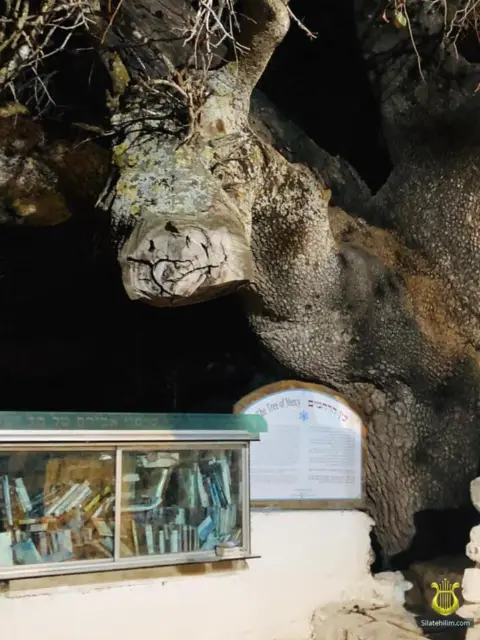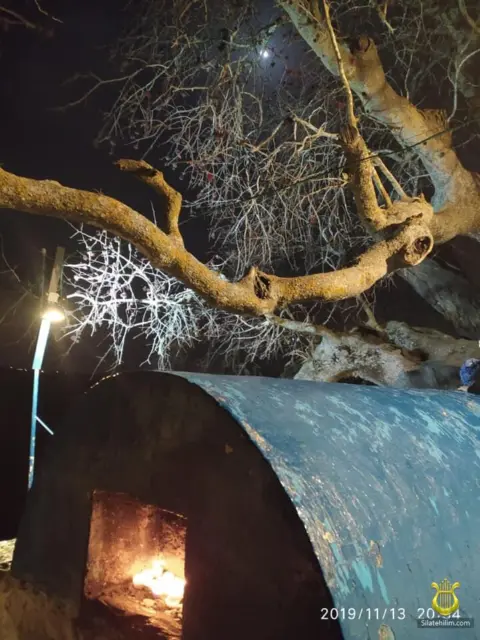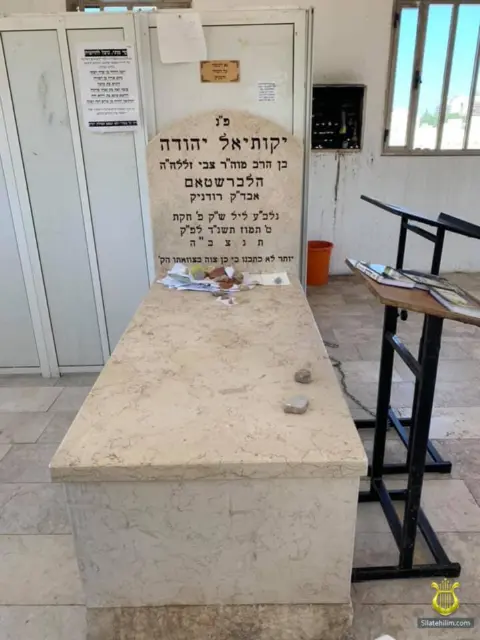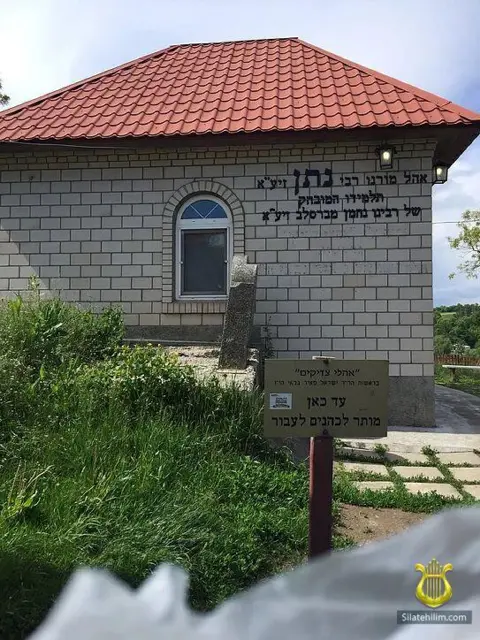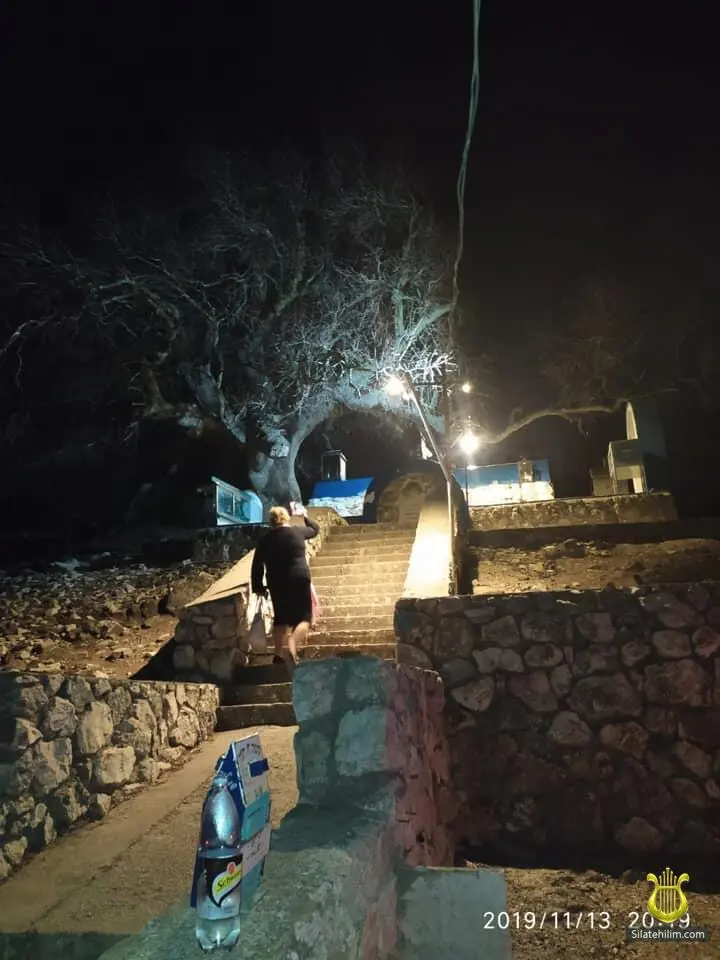
Grave of the Tana Rabbi Tarfon
Burial place - Kadita (Route 89, Meron–Tzfat, between the 47th and 48th km).
Segula for praying for parnasa (livelihood) and Kol Yeshuot.
Rabbi Tarfon
Rabbi Tarfon was a Tana of the third generation.
He was born before the destruction of the Second Temple and visited it many times.
He is quoted 49 times in the Mishnah, mostly in debates with Rabbi Akiva. Rabbi Tarfon was a Kohen and possessed great wealth. He took pride in fulfilling the mitzvah of honoring his mother.
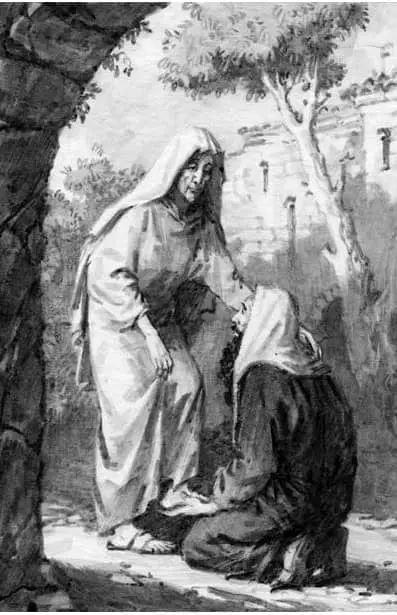
Rabbi Tarfon's mother was gravely ill; she did not even have the strength to get out of bed on her own. Rabbi Tarfon would not let anyone else help his mother - he gladly cared for her himself. Every time the elderly woman wanted to get up, Rabbi Tarfon would run to her and get down on all fours so she could step down. His mother would place her foot on his back as if it were a step, and get out of bed. And when she wished to lie down again, Rabbi Tarfon would come to her and bend over so she could climb back into bed. He did this day after day.
Once, on Shabbat, his mother was walking in the garden and her sandal tore. Rabbi Tarfon could not bring her another pair of shoes for fear of violating Shabbat. Instead, he placed one hand under her foot, then the other hand under her other foot, alternating them until she reached home.
When Rabbi Tarfon fell ill and the Sages came to visit him, his mother told them this story and asked them to pray for her son, who honored her far beyond what was required. The Sages were not impressed by her account and said that even if he had done this a thousand times, he still would not have fulfilled even half of what the Torah requires of a person toward his mother.
Once the Sages declared a fast during a famine in the city of Lod. When rain began to fall before midday, Rabbi Tarfon told the people to go eat, drink, and celebrate. They did so, and that evening everyone gathered to publicly recite the full Hallel.
There is also a tradition that during a famine he betrothed 300 women so that, as the wives of a Kohen, they could partake of the terumah (priestly tithe) reserved only for Kohanim and their households. (Tosafot, Ketubot V, 1)
Every year, during the Passover Haggadah, the name of Rabbi Tarfon is mentioned in every Jewish home alongside Rabbi Akiva and the other Sages who spent Pesach in Bnei Brak.
Once, in Heaven, an accusation was brought against Rabbi Tarfon: that he did not give enough to charity, not in accordance with his lofty spiritual level and his wealth. Rabbi Akiva went to help him and said: "Rabbi, I would like to acquire one or two cities for you." Rabbi Tarfon was so wealthy that the offer sounded entirely plausible. He agreed, gave Rabbi Akiva the authority to carry out the transaction on his behalf, along with a great sum of gold dinars for the purchase. Rabbi Akiva then distributed all the money to the poor. A few days later they met, and Rabbi Tarfon asked: "Well, where are the cities you bought for me? Can you
show them to me on a map?"
Rabbi Akiva took him by the hand, led him to the study hall, took a Sefer Tehillim, and together they read until they reached the words: "He has given generously to the poor; his righteousness endures forever; his horn will be raised in honor" (112:9).
Then Rabbi Akiva said: "This is what I bought for you."
Rabbi Tarfon stood up, kissed him on the head, and exclaimed: "You are my teacher and my commander."
Then he gave him even more money to distribute.
That he called Rabbi Akiva his teacher is understandable - it was a recognition of his intellect, his understanding of Torah, and his ability to convey his ideas.
But the word "commander" requires some explanation.
Rabbi Tarfon meant to say that in this world Rabbi Akiva
was a true leader. A commander leads his soldiers through territory they would rather not cross.
Only once the campaign is over do they understand why they had to go through it in order to win.
Rabbi Tarfon would have preferred to avoid donating such large sums, but Rabbi Akiva overcame his resistance. And once the mitzvah was fulfilled, Rabbi Tarfon was able to appreciate the heights to which Rabbi Akiva had brought him.
The Chofetz Chaim (zt"l) explains that Rabbi Akiva was not deceiving him when he spoke of acquiring cities.
Heavenly property acquired through charitable giving is also called a "city."
As his "broker," Rabbi Akiva helped him acquire priceless and magnificent heavenly cities, to which Rabbi Tarfon will always hold the key. (Masechet Kallah 1:2)