Grave
Sfat Emet
Rabbi Yehuda Aryeh Leib ben Avraham Mordechai of Ger – the "Sfat Emet" (Language of Truth) – (1847–1905) was an outstanding Chassidic master of the Talmud.
Yahrzeit – 5 Shevat
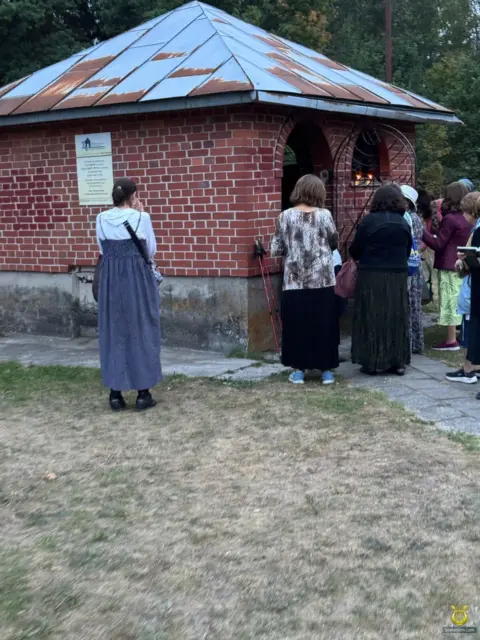
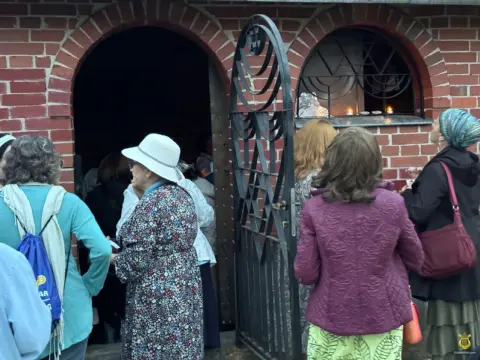
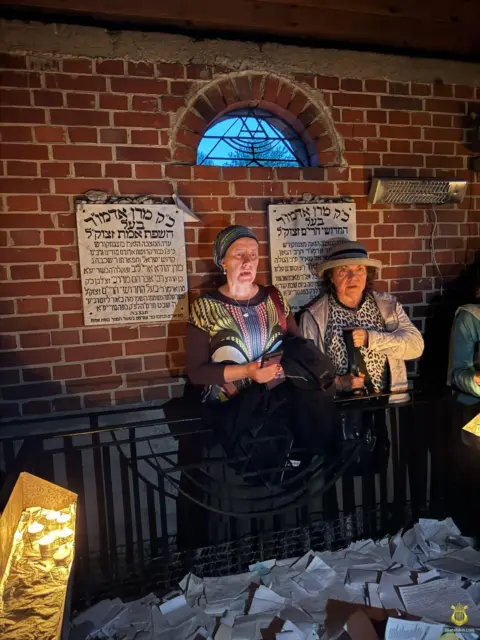
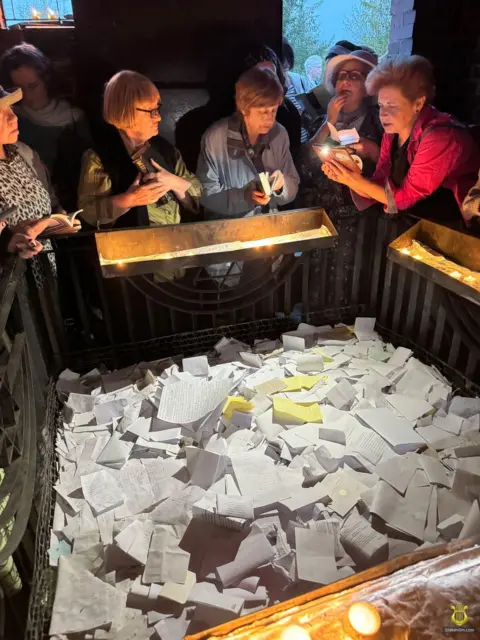
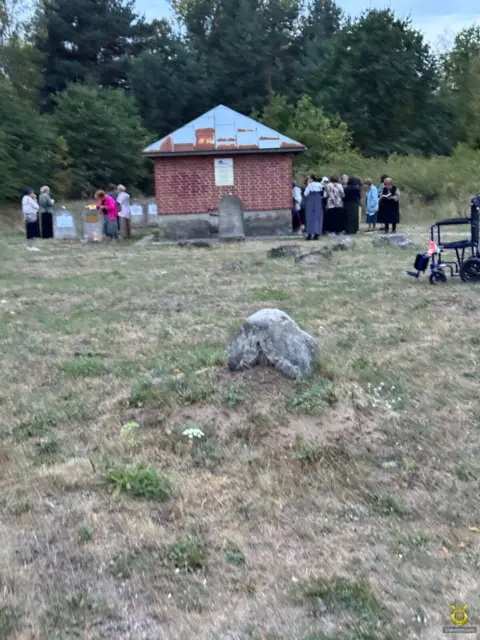
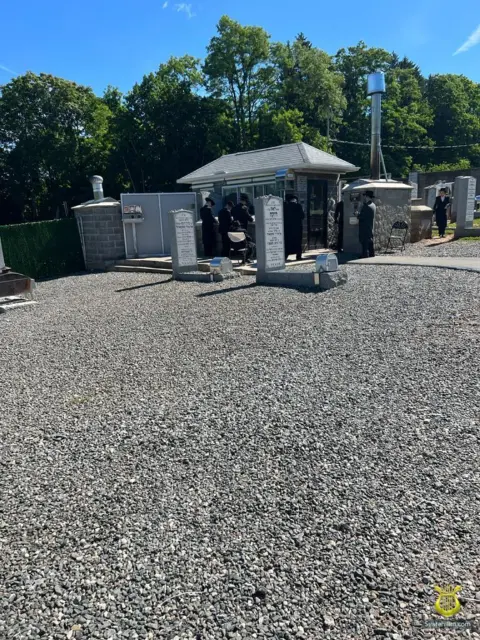
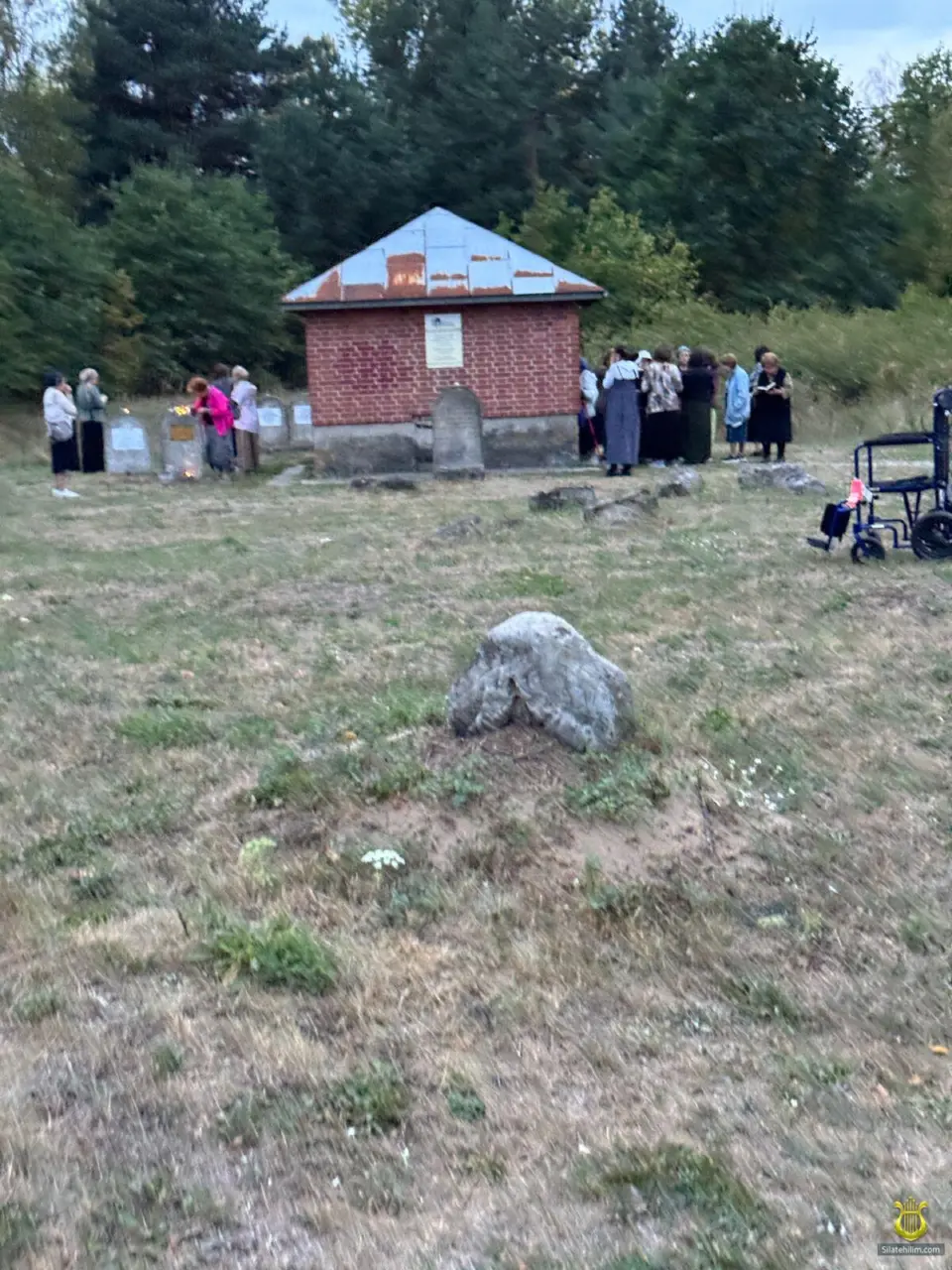
Resting place – Ger (Góra Kalwaria, south of Warsaw), Poland
Since his father, Rav Avraham Mordechai, passed away when Yehuda Aryeh Leib was only 8 years old, he was raised by his grandfather, Rabbi Yitzchak Meir Rothenberg-Alter – the Chiddushei HaRim, the first Gerrer Rebbe.
He was distinguished by the diligence with which he studied Torah, devoting 18 hours a day to mastering Talmud, the Zohar, and Chassidic classics, becoming a Gaon both in the revealed and hidden aspects of Torah. In 1870 he reluctantly agreed to become the second Gerrer Rebbe.
His monumental work "Sfat Emet al HaTorah" is a five-volume commentary on the Torah. His commentaries help draw out the essence of the Torah text through numerous kabbalistic methods. The "Sfat Emet" on Tractate Kodashim is actively studied by Torah scholars of all backgrounds, from Chassidim to "Litvaks." The name "Sfat Emet," taken from the verse "Sfat emet tikon la'ad" (a truthful word shall endure forever) (Mishlei 12:19), was chosen by his children, who published his writings, because it was the last verse he had commented on before his passing.
The "Sfat Emet" was succeeded by his son, Rabbi Avraham Mordechai Alter, the "Imrei Emet," under whose leadership the Gerrer Chassidus united more than 100,000 Chassidim, most of whom were murdered by the Nazis. The Imrei Emet miraculously survived. From the ashes of the Holocaust he rebuilt an ever-growing, active Gerrer Chassidic movement, centered around the magnificent "Sfat Emet" Yeshiva in Jerusalem. Today Gerrer Chassidus spans the entire globe, once again making Ger a mighty force of Torah-observant Judaism.
Limud
Sukkot
On the festival of Sukkot, Ha-Shem draws the Jewish people close to Himself through teshuva born of love and joy. As it is written in Mishlei (10:12): "Love covers all transgressions." This is the Sukkah, which shields (like a shield) the Jewish people, as it is written in Shir HaShirim (8:7): "Many waters cannot extinguish love." And love for Ha-Shem always remains in the hearts of the Jewish people. In these days that love is revealed. The Sages said that through teshuva out of fear, deliberate sins become unintentional ones, while through teshuva out of love, they become merits. And it is written in Yeshayahu (59:2): "Your sins have separated [you from your G-d]." From this we learn that a deliberate sin separates, but an unintentional one does not. As a result of teshuva (out of fear), there is no longer any separation [from Ha-Shem] even regarding what was unintentional. After this, one can awaken to love. And when love awakens, it covers over all transgressions. No sin remains at all, and they become like merits. It is said that there is a point within every Jew that Ha-Shem protects (guards), and about it is said "the shield of Avraham" (magen Avraham). This is the point of love that rises above, as it is said – "many waters cannot extinguish it." The festival of Sukkot is the Mishkan (Portable Sanctuary), given to the Jewish people after the sin, once they had done teshuva. It is written: "And Moshe assembled" (Shemot 35:1) – [Rashi's comment: after Yom Kippur, when Moshe descended from the mountain (with the second tablets)].
And the people began to bring their jewelry as freewill offerings for the building of the Mishkan precisely in the days between Yom Kippur and Sukkot, as it is written in Shemot (36:3): "morning by morning" in those days. And because they brought with joy, these became days of joy (zman simchateinu) year after year. It is said in the Midrash Shemot Rabbah: "He will love their freewill offerings," meaning that through the joyful offerings for building the Mishkan, love was awakened between the Jewish people and their Father in Heaven.
Before this, unity could not be achieved. Sukkot is the festival of the unity of the Jewish people, hinted at by the Four Species (arba minim), which are joined together in the mitzvah.
Chanukah
Why are the Chanukah lights lit at the entrance (door or window) of the home?
The entrance to the home symbolizes the openness of every Jewish heart. Speaking to Cain, Ha-Shem warned him: "Sin lies [waiting] at the entrance" (Bereishit 4:7) – that is, at the entrance to the heart. Through the light of the mitzvot we stand against the desires of our evil inclination. ("Sfat Emet, Moadim," translated by R. Meir Brook)
Rabbi Yehuda Leib passed away in 1905, and his departure from this world is associated with the Russo-Japanese War. The Sfas Emes was deeply pained that Jews were being forcibly torn from their families and from Torah and sent as cannon fodder to the Japanese slaughter. When he passed away, the conscription of Jews into the Russian army suddenly stopped.
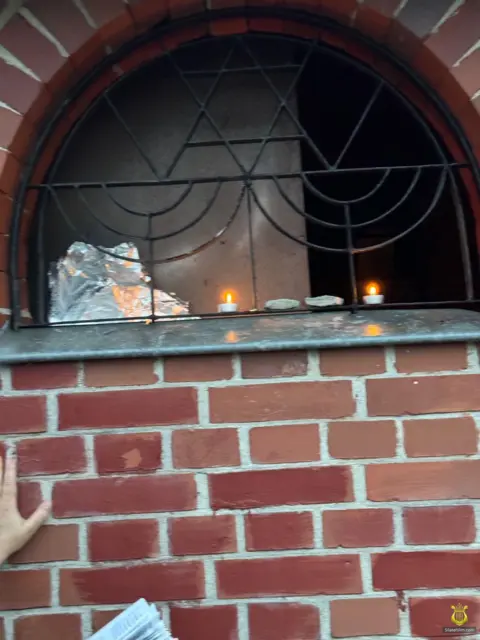
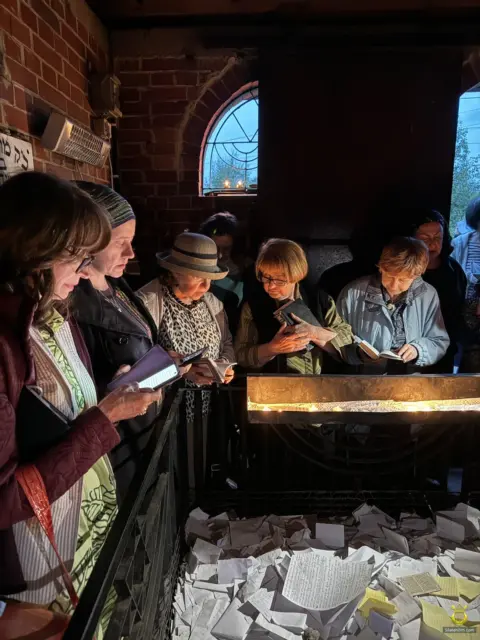
The "Sfat Emet" is buried in Poland, in Góra Kalwaria (near Warsaw), together with his renowned grandfather the "Chiddushei HaRim."
May the merit of the tzadik protect Am Yisrael!
(https://dailyzohar.com/tzadikim/158-Rabbi-Yehudah-Aryeh-Leib-Alter-of-Ger)Gallery