
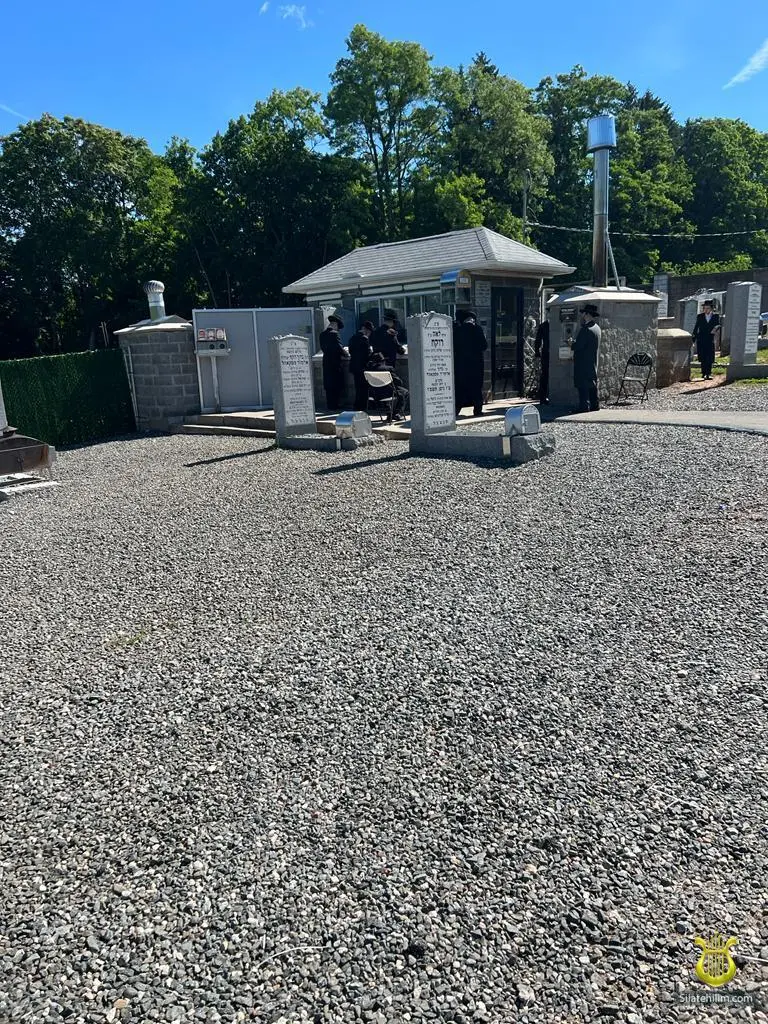
The Ribnitzer Rebbe - Rabbi Chaim Zanvel ben Moshe
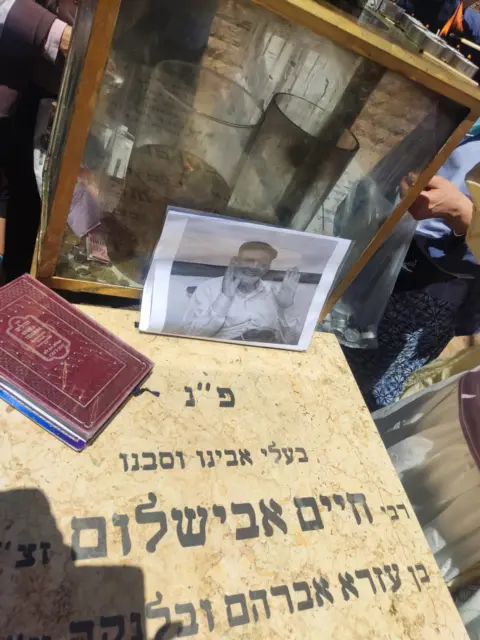
Yahrzeit - 24 Tishrei;
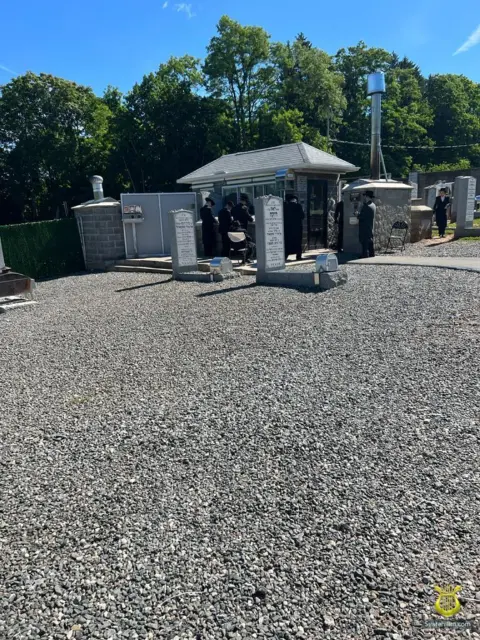
Resting Place - Monsey, USA.
Chaim Zanvel Abramovich, known as the Ribnitzer Rebbe, was born in 1902 in the town of Botoșani, Romania.
He was the founder of the Ribnitz dynasty, revered as a miracle worker and a seer.
He grew up at the court of the Stefanesti Rebbe, Reb Mattis, whose follower he considered himself his whole life. There he also became close friends with the future Skulener Rebbe, Reb Eliezer Zusia Portugal, a Stefanesti chossid.
He studied at the famous Kishinev Yeshiva of Tzirelson and received smicha from Rabbi Yehuda Leib Tzirelson himself. After his studies, Reb Chaim Zanvel married Rebbetzin Surke and served as rabbi in various towns of Bessarabia, longest in Rezina.
In July 1941 he was deported by the Romanian occupation authorities to the Ribnitz ghetto, survived the war, and remained in Ribnitz after liberation.
During the war the Rebbe found himself in the Ribnitz ghetto. Fewer Jews perished there than in other ghettos, thanks to Chaim Zanvel. I learned the story of this rescue from Oizerovich, a prisoner of that ghetto.
There was a religious Romanian officer in the ghetto. Seeing that he was dealing with a deeply religious man, he assigned a soldier to accompany the Rebbe daily to the Dniester for immersion.
When the order came to liquidate the ghetto, Reb Chaim Zanvel began praying fervently, delaying the sending of the prisoners to their deaths. Suddenly a car pulled up to the gate, and some military commander stepped out. A high-ranking German officer, surrounded by his entourage, addressed the ghetto commandant: "What is going on here? What does this crowd of Jews in the square mean?" The commandant, justifying himself, explained that an order had come to destroy the ghetto and that loading onto the trucks was underway…
In response he was instructed to carry out the action in an orderly fashion: to separate the men from the women. Then came an order to separate the children from their parents. They began tearing children away from their parents, which led to screaming, weeping, hysteria, and a loss of time. Then came an order to separate the elderly men and women. In short, they kept separating people and forming them into columns. Upon learning that the extermination action was supposed to have taken place in the morning, and that it was already noon, an order was given to disperse the columns back to the barracks. The action was to be carried out early the next morning, with the prisoners led out for extermination in the same order.
That night, a Red Army strike unit on tanks broke through the front line and liberated the prisoners of the ghetto.
Chaim Zanvel remained in Ribnitz after the war. My father often accompanied the Rebbe to the river for immersion in the mikveh, which took place in any weather. In winter, when frosts sometimes reached -20 degrees, the Rebbe would immerse himself in the icy water of an ice hole.
When Jews began to be allowed to leave the Soviet Union, Reb Chaim Zanvel moved to Israel, and later relocated to the USA.
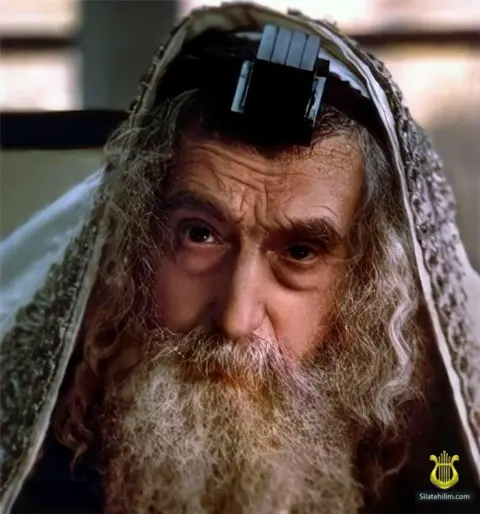
He was called a miracle worker. I myself witnessed some things that were inexplicable. I also remember that Chaim Zanvel had piercing eyes and the deepest faith in G-d.
(Usher Rashkovan, https://vosizneias.com/.../monsey-ny-thousands-to-attend.../)