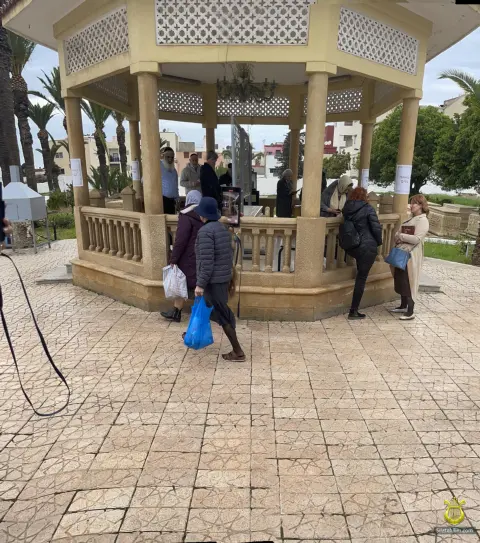
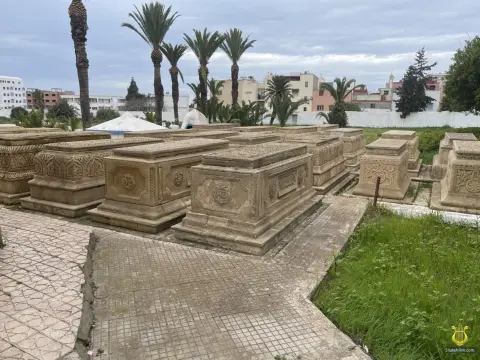
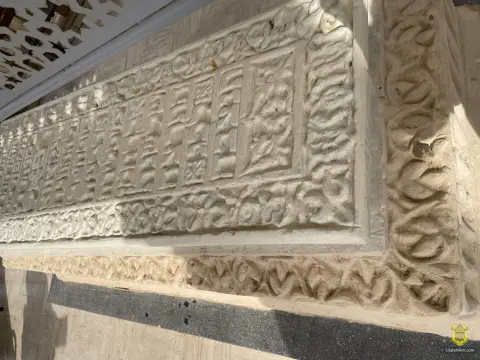
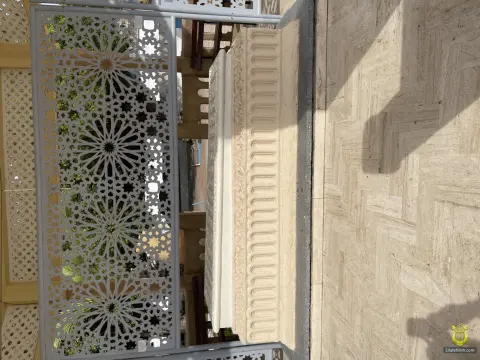
Grave
Rafael Enkaoua
Salé
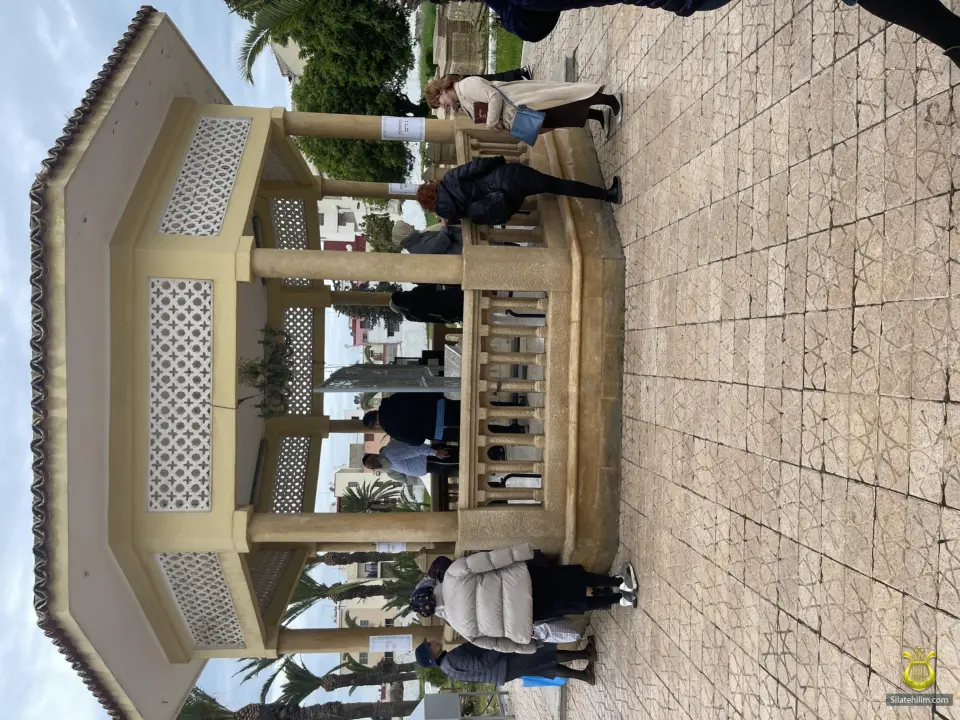
Yahrzeit (Hillula)
- 4 Av — Rabbi Raphael Encaoua
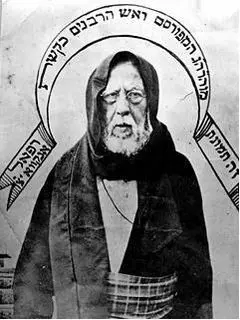
Rabbi Rafael ben Mordechai Enkaoua (1848–1935)
Yahrzeit – 4 Av
Burial place – Morocco, Salé (Cimetière juif de Salé)
Rafael Ben Mordechai Enkaoua was the chief rabbi of Morocco and a well-known commentator, Talmudist, posek, and author.
Born in Salé, Morocco, in 1848, he is known to the Jews of North Africa as "Malach Rafael" – the Angel Rafael.
Chacham Rafael Enkaoua was born to Baida and Chacham Mordechai Enkaoua on 2 Tevet 5608 in Salé, Morocco. Chacham Rafael had the merit of studying Torah with the Av Beit Din (head of the rabbinical court) of his city, Chacham Yissachar Assaraf, and eventually married his daughter Saada.
In 1880, Chacham Yissachar Assaraf immigrated to the Land of Israel and appointed Chacham Rafael as a member of the Beit Din alongside his uncle, Chacham Massoud Enkaoua, and Chacham Yitzchak Amzallag.
Around 1880, Chacham Rafael founded a yeshiva that attracted many students. Among his outstanding students were Chacham Avraham Revah, Chacham Ephraim Shalom Enkaoua, and Chacham Michael Yissachar Enkaoua, his only son.
In 1918, the French government decided to establish a High Court of Appeals in the city of Rabat (near Salé). The city's Jewish committee proposed that Chacham Rafael be appointed president of the Beit Din and preside over the appellate court.
Chacham Rafael Enkaoua declined the appointment, proposing instead the chief rabbi, Chacham Shlomo Danan. The French governor refused, threatening to cancel the establishment of the court. Chacham Rafael relented and officially appointed Chief Rabbi Chacham Shlomo Danan as his deputy; in practice, however, he regarded him as the president.
The fame of Chacham Rafael Enkaoua spread, and many sought him out for his vast knowledge, both in Morocco and beyond. His books were distributed free of charge to Torah scholars and the poor, as well as to synagogues and study halls.
He published numerous halachic works, including "Karnei Reem," "Chadad VeTeima," "Paamon Zahav," and "Paamon VeRimon" – some of which are still regarded as authoritative today.
Chacham Rafael Enkaoua passed away on the eve of Shabbat, 4 Av 5695 (1935), and was buried in his hometown of Salé. Over 50,000 people attended his funeral on August 3, 1935. His grave became a site of Jewish pilgrimage.
(https://hyomi.org.il/eng/mobile/page.asp?id=56)
The Secret of Connecting with a Tzadik at His Grave
When you connect with a tzadik, you connect with his mazal. Even non-Jews come to a tzadik because they feel this connection to the tzadik.
It is known from the Kabbalists that the middle line on the hand is the line of the neshama – the line of mazal – it begins at the base of the palm (the root) and, crossing all the lines, rises up to the fingers – it governs the mind, the mazal, and the soul.
For women it is on the left hand, for men on the right.
Sometimes, in the children of wealthy people, this line begins slightly off to the side – this indicates that all his mazal was received thanks to his father or grandfather – the zechut of ancestors.
Sometimes the line breaks off and then continues.
The mekubalim teach that there is a concept called "Kav Melaveh" (the accompanying line) – this thread that follows you connects you to a tzadik and protects your mazal. You can see it on the hand – if you look, the line of the neshama runs, then it stops, and slightly shifted, another line begins – this is the "kav melaveh" – the accompanying thread – this is the secret of a connection either with a tzadik or with some powerful righteous ancestor who accompanies you. This is precisely the reason children are named after tzadikim – then the tzadik connects with the person and protects him.
Once, a woman who had major problems came to a certain rabbi, and he asked to see her left hand – seeing a portrait of Rabbi Enkaoua on her hand, he asked: do you have a connection to Rabbi Rafael Enkaoua?
She said: no, I follow the Ashkenazi tradition – I'm from Bnei Brak – I follow the Chafetz Chaim. He said – no, I see that you have a great connection to this tzadik.
Then she said that her father is Moroccan – maybe he could explain. The rabbi asked for her father's phone number and called him.
The rabbi asked the father the same question about a connection to the tzadik, and the father was astonished – how did he know? The rabbi said he had seen a portrait of the tzadik on his daughter's hand and explained that everything in his life came from the bracha of Rav Enkaoua.
Then the father admitted that he indeed had a very strong connection to the tzadik, and told the story that his mother, every time she became pregnant with another child, would suffer a miscarriage.
Among Moroccan Jews there is a tradition – if a woman is prone to miscarriages, she would go to the "Chevra Kadisha" – the burial society – and make an agreement: from today, this child is yours, and together we make a "machluf" – we change his mazal – you give him the name of any tzadik. This preserved the life of the fetus, and the child was born safely.
This is what his mother did, and the Chevra Kadisha drew up a bill of sale with her and named the child after Rafael Enkaoua. And indeed the child was born and survived. That child was he – the father of that woman.
When he was 20 years old, he went into the army. One of his army friends invited him to go out and have fun on Shabbat, when he was home on leave – he tried to refuse as best he could, saying he was Shomer Shabbat and couldn't, but his friend pressed him... On Shabbat night, when everyone had gone to sleep, he climbed out through the window and ran off to the party.
When he returned toward morning, he saw his mother sitting on a chair, waiting for him. When he asked why she wasn't asleep, his mother answered: "I know everything, you violated Shabbat today. The tzadik Rafael Enkaoua came to me in a dream and was choking me – he said, 'A son who bears my name and carries my mazal is violating Shabbat??? This is a great sin – an avera gedola.'"
After this incident, he did complete teshuva, to such an extent that his "kav melaveh" passed on to his daughter as well.
Segula at the Tzadik's Grave
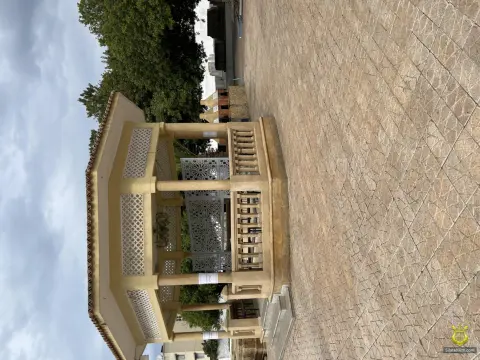
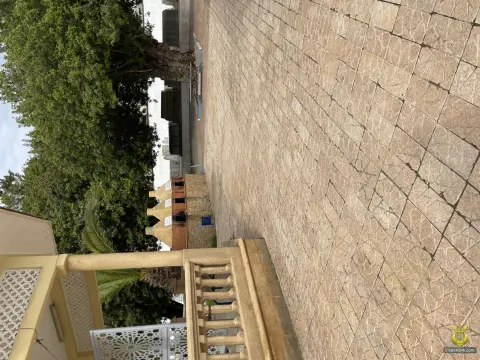
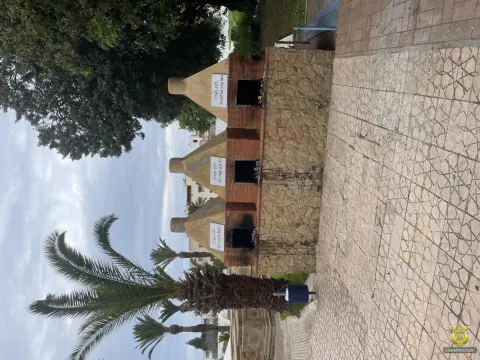
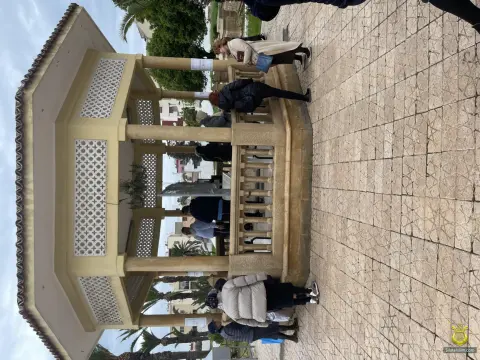
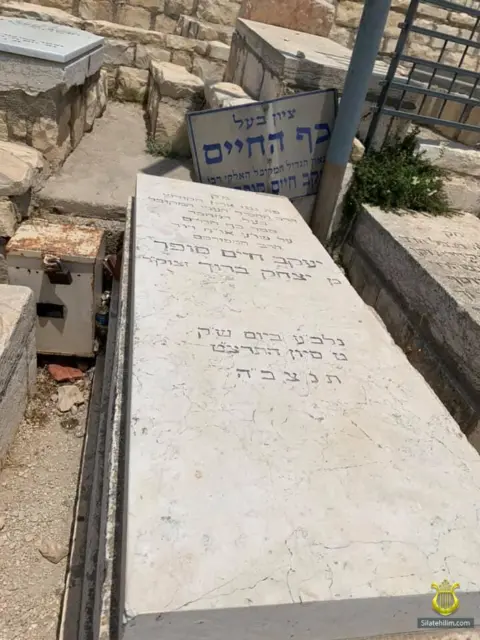
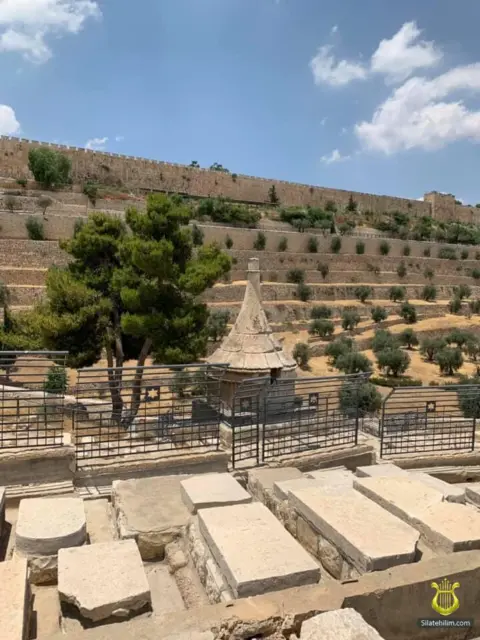
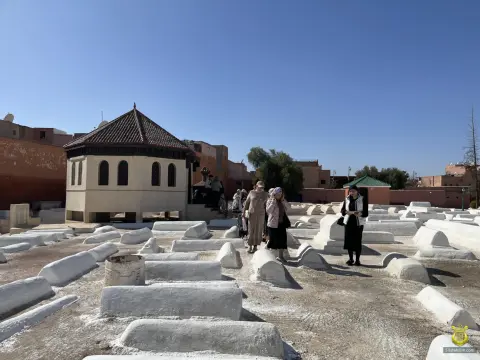
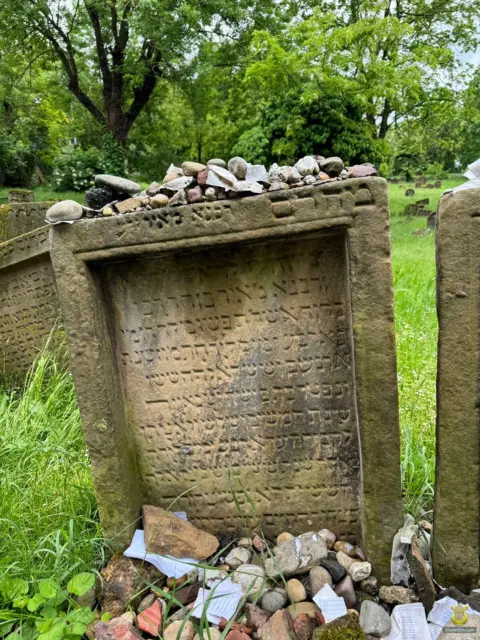
The grave of Rabbi Rafael HaMalach in Salé (Cimetière juif de Salé).
To connect with the tzadik, you need to light a candle at the tzadik's grave and (bli neder) take upon yourself to light candles le-yeshua every "sheni-chamishi" (Monday–Thursday).
(from a lesson by Gaon Rabbi Yehuda Turjeman)
Gallery