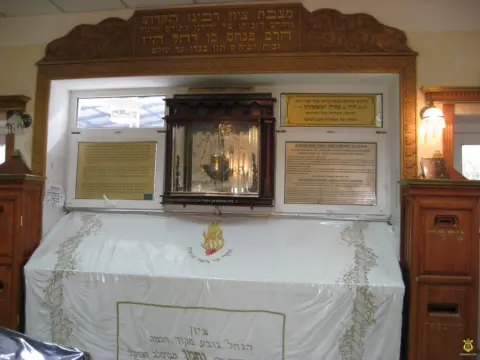
Grave
Ramchal
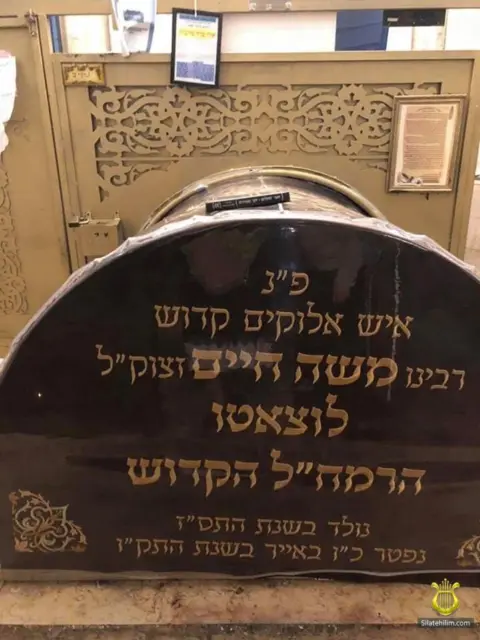
Rabbi Moshe Chaim bar Yaakov Chai Luzzatto
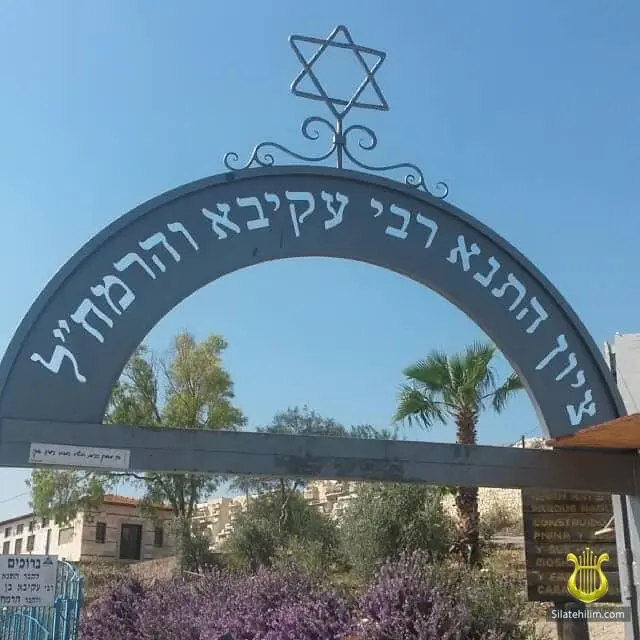
Yahrzeit (Hillula)
- 26 Iyar — Rabbi Moshe Chaim Luzzatto - Ramchal
Ramchal – Rabbi Moshe Chaim bar Yaakov Chai Luzzatto – was born in 1707 in the city of Padua, into one of the oldest and wealthiest Jewish families in Italy.
Yahrzeit – 26 Iyar
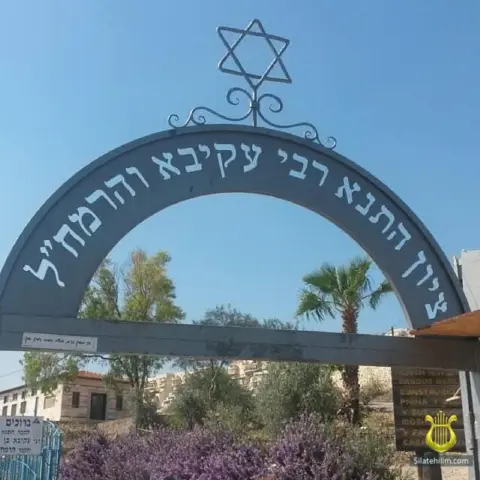
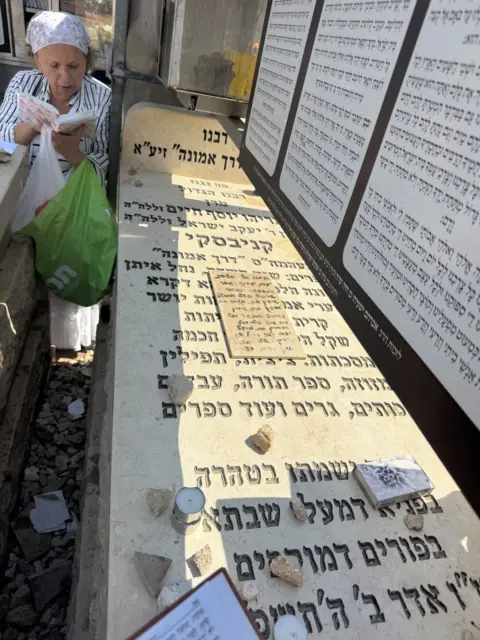
Resting place – Tiberias, next to the grave of Rabbi Akiva
He was a child prodigy who knew several languages: Hebrew, Italian, Aramaic, Latin, Greek, and French.
At an early age he began studying Kabbalah under the guidance of Rabbi Moshe Zacuto (the Ramaz), one of the outstanding kabbalists of his generation. By the age of 14, Ramchal was already seriously studying the writings of the Arizal. His contemporaries said that "he did not know what it meant to forget something." He also knew the entire Talmud and Midrashim by heart.
He led an extremely ascetic and pious life.
Together with like-minded friends, he studied Kabbalah and methods of self-improvement. This group had its own code of ethics. They applied rules of conduct in their relationships with one another — for example, treating each other with kindness and accepting criticism from one another without offense. They tried to banish all selfishness from their spiritual motivation. They also adopted a number of disciplines for themselves, among which was the following:
Around the clock, in turns, a member of their group would read one of the kabbalistic works, mostly from the Zohar. This was the way they chose to maintain a constant connection with the Higher Worlds.
This group existed for several years, until it gained opponents. The chief rabbis of Padua, Venice, and Frankfurt became involved in this conflict.
The first cause of the conflict was that Ramchal claimed that one of his first books on Kabbalah had not been written by himself, but under the guidance of a spiritual mentor, a Maggid – a messenger from the higher worlds.
"While alone in my room, I heard a voice saying: 'to reveal the hidden secrets of the Holy King' – I rose a little, trembling, and then I was able to steady myself… On the second day I tried to be alone in my room at the same hour, and indeed, the voice returned and told another secret. After this it became known to me that this was a Maggid, sent from heaven to acquaint me with the yichudim." (from Igrot Ramchal, 1727)
The second cause of the rabbis' concern was the messianic sentiments left in the wake of the Shabtai Tzvi affair.
The third point of dispute was Rabbi Luzzatto's idea that Kabbalah should be taught to everyone in the Jewish community, rather than remaining the domain of select circles. He had a vision of Kabbalah being accessible to all.
His detractors, led by Rabbi Moshe Chagiz, forced him to emigrate. Ramchal accepted the situation with humility.
He moved to Amsterdam, and there he wrote his most important work, "Mesillat Yesharim" (The Path of the Just) – with its profound analysis of human weaknesses – a book now studied in every yeshiva.
Ramchal is the author of more than 40 other books.
In 1743, Ramchal moved to Eretz Yisrael, arriving in the same month that the holy Or HaChaim – Rabbi Chaim ben Attar passed away. In 1747, he and his family fell victim to an epidemic in Acre.
The Vilna Gaon said that Rabbi Moshe Chaim Luzzatto was one of the few who truly understood the teachings of the Arizal.
He also stated that if Ramchal had been alive in his generation, he would have walked from Vilna to Italy on foot to sit at his feet and learn from him.
The foundation of all creation is to rectify one's character traits and transform evil into good – this is what Ramchal teaches in his works.
The most widely read of all Mussar books is "Mesillat Yesharim."
Among his works is "Kalach Pitchei Chochmah" – "138 Gates of Wisdom" — a systematic presentation of Lurianic Kabbalah. The introduction to this work, "Derech Etz HaChaim" — "The Way of the Tree of Life," was published as a separate book and enjoyed enormous popularity; in it he explained the religious value of studying Kabbalah.
There is also "Chokher u-Mekubal" ("The Researcher and the Mystic"), written during the first period of his life in Italy in the form of a dialogue between a philosopher and a kabbalist.
Also "Zohar Tinyana" ("The Second Zohar"), written in Aramaic. Most of this work has been lost, and only certain portions of it were later printed under the titles "Megillat Setarim" ("Scroll of Secrets"), "Razin Genizin" ("Hidden Secrets"), and "Tikkunim Chadashim" ("New Rectifications"). All these works were devoted primarily to the general idea of redemption, and they were written under the dictation of an angel – the Maggid – and resemble the Zohar itself in style.
Rabbi Akiva and Ramchal
The Mekubalim teach that Ramchal was a gilgul (reincarnation) of Rabbi Akiva.
For 40 years, Rabbi Akiva was unlearned. Who corrected and completed Rabbi Akiva? Ramchal – whose years of life were 40 years. Ramchal is buried in Tiberias next to Rabbi Akiva.
The last book he wrote holds the secret of "Kriat Shema" (as is known, "Shema" were Rabbi Akiva's last words). In this book, Ramchal writes that meditating on one's readiness to die for Kiddush Hashem (sanctification of the Name), if done with the proper kavanah (intention), is counted as if the person had actually done so.
Ramchal and Moshe Rabbeinu
The Sages say that within Ramchal there was also a spark, a "nitzotz nishmato," of Moshe Rabbeinu, and his wife was also named Tzipporah, which is not merely a coincidence. Whoever knows and studies his book Mesillat Yesharim has within them the power of mechayeh hameitim (reviving the dead), so say the Mekubalim.
Ramchal's Segula for All Yeshuot (Salvations)
When Ramchal immersed in the mikveh, he would have in mind the following verse from Bereishit 49:18, read in each of its permutations:
לִישׁוּעָתְךָ קִוִּיתִי יְהוָה
– "Lishuatcha kiviti Ado-nai"
For Your salvation I hope, O L-rd!
לִישׁוּעָתְךָ יְהוָה קִוִּיתִי
– "Lishuatcha Ado-nai kiviti"
For Your salvation, O L-rd, I hope!
קִוִּיתִי יְהוָה לִישׁוּעָתְךָ
– "Kiviti Ado-nai lishuatcha"
I hope, O L-rd, for Your salvation!
קִוִּיתִי לִישׁוּעָתְךָ יְהוָה
– "Kiviti lishuatcha Ado-nai"
I hope for Your salvation, O L-rd!
יְהוָה לִישׁוּעָתְךָ קִוִּיתִי
– "Ado-nai lishuatcha kiviti"
O L-rd, for Your salvation I hope!
יְהוָה קִוִּיתִי לִישׁוּעָתְךָ
– "Ado-nai kiviti lishuatcha"
O L-rd, I hope for Your salvation!"
(Rabbanit Yemima Mizrachi)
May the merit of the Tzadik protect Am Yisrael!
(based on articles in Yeranen Yaakov, Dreaming of Moshiach)
Gallery