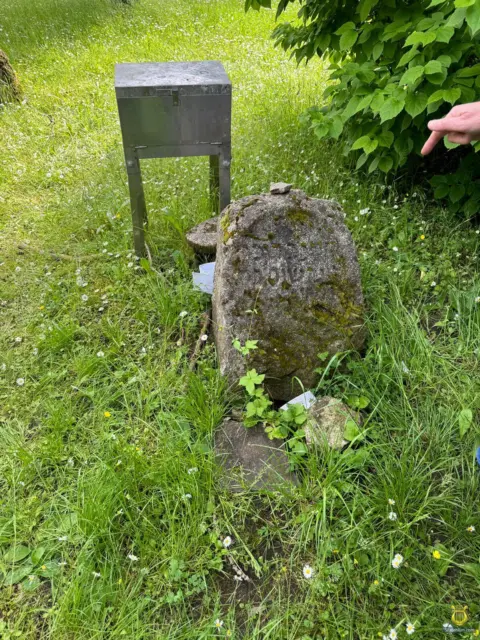
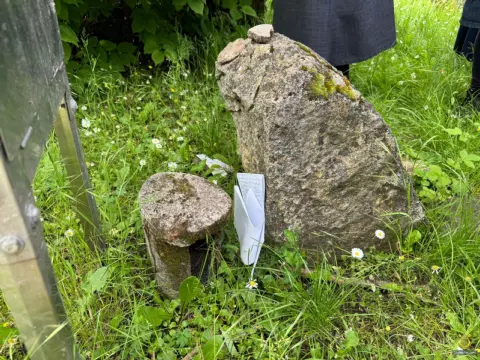
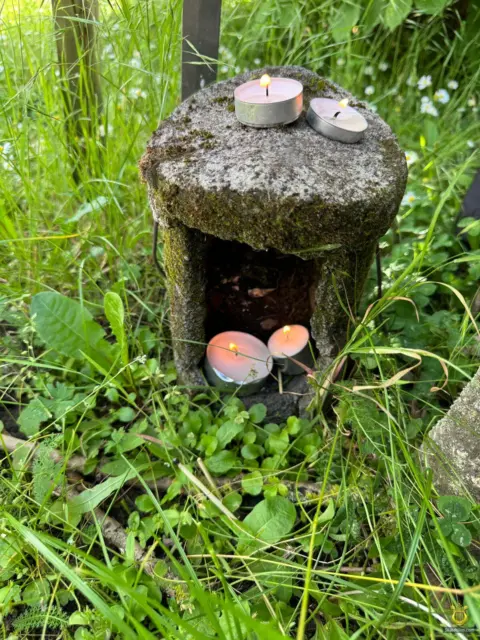
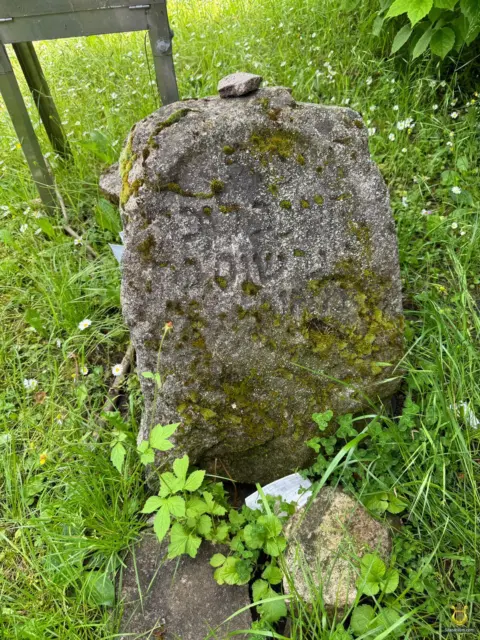
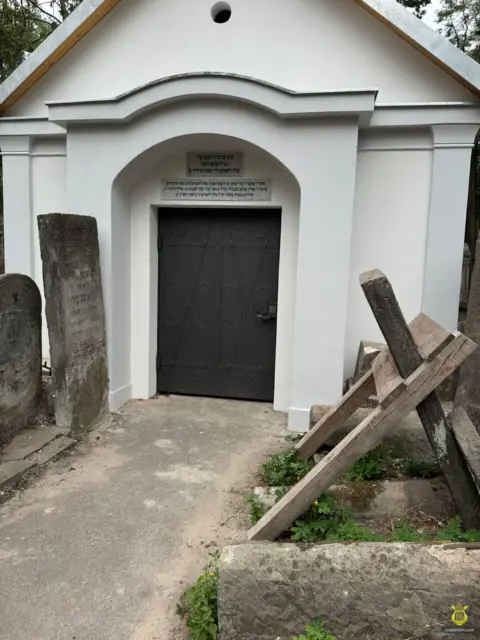
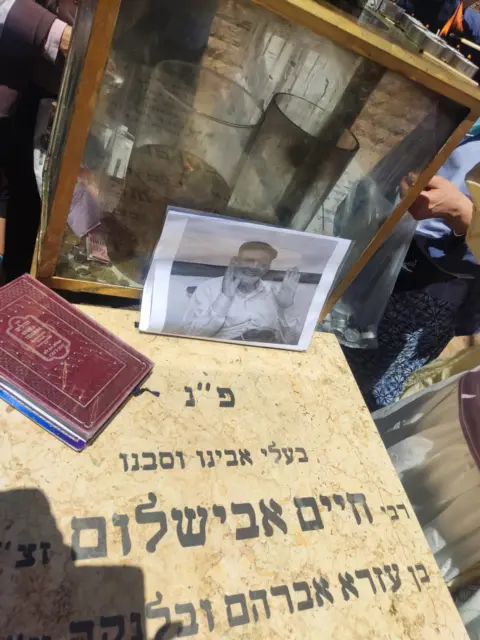
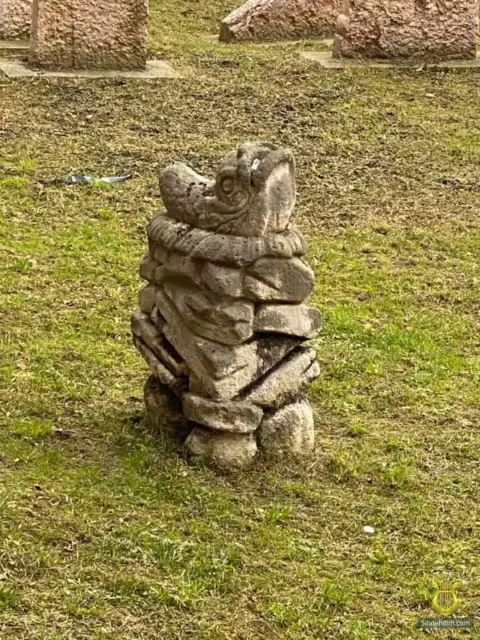
Grave
Rabbeinu Gershom
"Meor HaGolah"
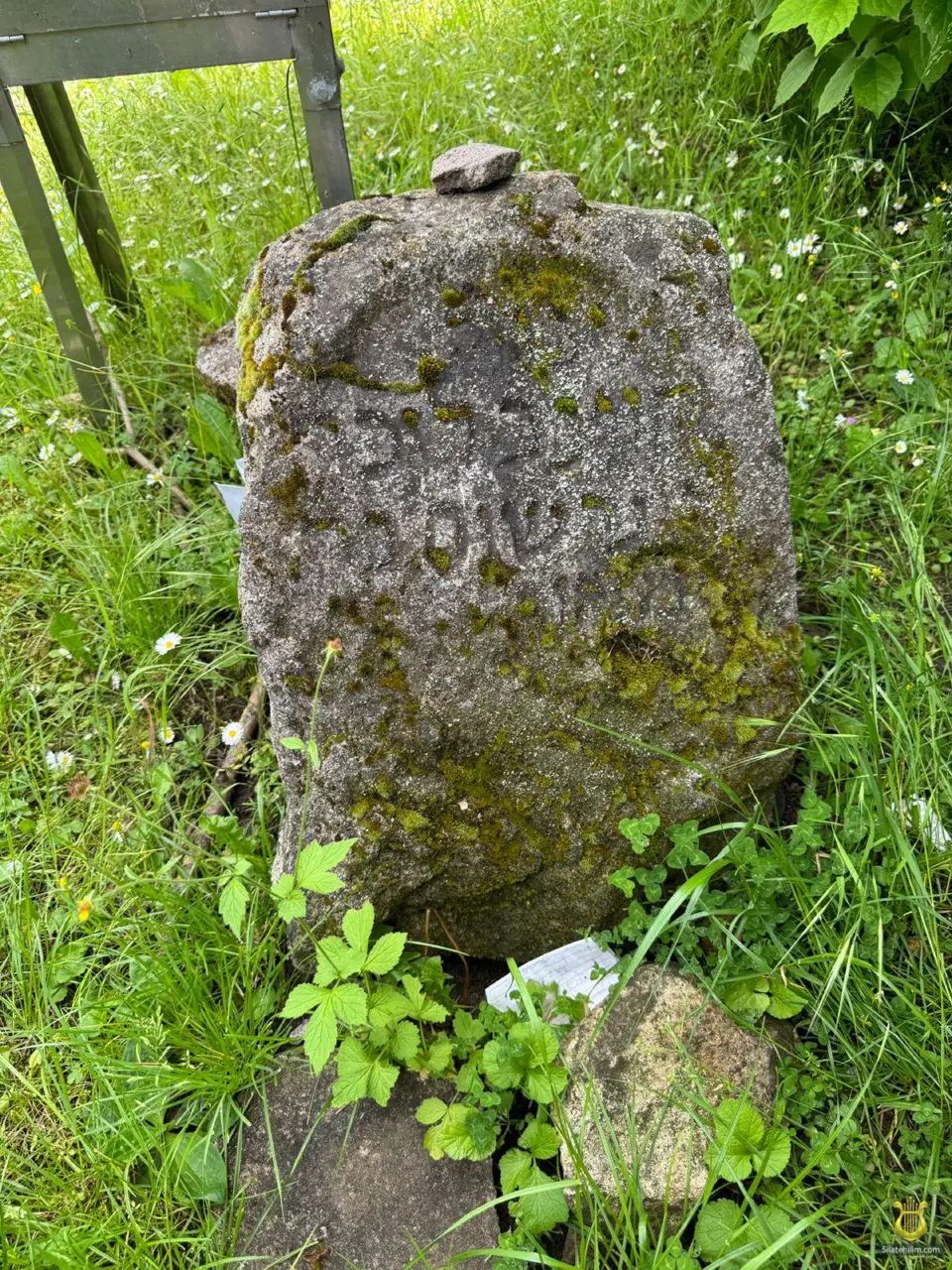
Rabbeinu Gershom - "Meor HaGolah"
Yahrzeit -
Resting place - Mainz, Germany
Rabbeinu Gershom's teacher was Rav Yehuda ben Meir HaKohen, known as Sir Leontin of France. At the age of 53, Rabbeinu Gershom founded a great academy in his hometown, which attracted the greatest scholars of his time. Among his many students were some of the primary teachers of Rashi, in particular Rabbi Yaakov ben Yakar.
Rabbi Gershom is well known for his commentaries on the Talmud, recorded by his students. He is also known for his commentaries on the Torah and his responsa. He wrote a "Selichah" in which he laments the tragic condition of his brethren.
But Rabbeinu Gershom is most famous for his important "Takkanot" (ordinances) concerning communal and family life, which he enacted with the approval of the rabbinic authorities of his time and which were accepted by all the Jews of Europe "as if they had been given at Mount Sinai." Among these Takkanot, the most well-known are the ban on polygamy (marrying more than one wife), the decree forbidding the opening of letters addressed to others, and so on.
The early life of Rabbeinu Gershom is shrouded in legend. These stories take him through many lands to Babylon, the Land of Israel, and finally to Constantinople, and they are full of adventure.
In Search of Torah
Although Rabbeinu Gershom was still a very young man, he had already gained great renown for his scholarship and piety. His teacher, Sir Leontin, an outstanding and learned man, loved his brilliant student very much. He held him in such high esteem that when Rabbeinu Gershom came of age, he allowed him to marry his beautiful daughter Devorah.
Soon after his marriage, one of Rabbi Gershom's long-held dreams came true. He and his wife set out for the distant city of Pumbedita in Babylon, where Rabbi Sherira Gaon headed one of the greatest Torah academies in the world. It was a long and difficult journey, full of dangers and hardships. But Rabbeinu Gershom was richly rewarded for his undertaking. For in Pumbedita he spent some of the most peaceful and happy years of his life. There, all worldly concerns were forgotten, and, inspired by the other scholars of the great yeshiva, he devoted himself completely to the study of Torah.
The time came for Rabbeinu Gershom to go out into the world. As was customary among the great scholars, he did not wish to derive any benefit from his knowledge of Torah by becoming a rabbi, and instead chose to work as a jeweler. Gershom became a highly skilled jeweler and settled in Constantinople, which at that time was a great metropolis and trading center of the East.
The Fire
One day a terrible fire broke out in the city of Constantinople. Fierce tongues of flame devoured the city with raging speed, leaving nothing but ruin in their wake. No sooner had the fire been extinguished than a cruel plague swept through the city. The sick lay everywhere.
Rabbi Gershom could no longer sit idly by and watch the suffering of his brethren. Since he had studied medicine in his youth, he took up this noble profession once again. With selfless devotion and tireless care, he tended to the sick and the dying. Day and night he served the unfortunate victims of the plague.
At that time, the land was ruled by a king named Basil. Basil was a just but weak-willed man, and his advisors and ministers often misled him. Among them was a very cunning and wicked fellow named John, who hated the Jews and constantly sought opportunities to turn that hatred into real action.
The king convened a conference of all his ministers to decide how to deal with the current emergency. John could not resist the opportunity to slander the Jews. "Your Majesty, the Jews are to blame for the fire. Let us rid the country of them!" The wicked John continued speaking until he finally persuaded the king to issue a decree confiscating all Jewish property and expelling the Jews.
Soon after, the king's daughter fell ill. From near and far, the greatest physicians of the kingdom flocked to the palace to try to cure the king's daughter, the future heir to the throne. But it was all in vain. None of them could cure her. There the girl lay in her little bed, growing paler and weaker each day, and no one could help her.
Rabbi Gershom heard about the sick princess and went to the palace. When he told the guards of his intention to cure the king's daughter, he was brought before the king. "If you succeed in curing the princess, I will reward you generously, but if you fail, you will lose your head!"
They quietly went into the little princess's room. After examining the princess, Rabbeinu Gershom realized how truly hopeless her illness was. Nothing could save her now except a miracle from G-d. Rabbi Gershom began to pray to G-d with all his heart. "Show me, dear G-d, the way to help this sick girl. Grant me wisdom, O G-d, for the sake of Your people."
Rabbeinu Gershom began treating the little girl. Soon the color returned to her cheeks, life came back into her eyes, and with each day she grew stronger.
When the little princess finally stepped out onto the terrace for the first time after her long illness, the King and Queen could hardly contain their joy. They could barely believe their eyes. Full of gratitude to Rabbeinu Gershom for all he had done, the King said, "I will give you a great fortune. You will be so rich that you will never have to work for a living again, and you can spend all the days of your life in ease and luxury."
But Rabbeinu Gershom humbly replied, "O King, I have no desire for wealth. The greatest reward for me would be the repeal of the decree against the Jews."
The king was deeply impressed by Rabbeinu Gershom's selflessness and promised to fulfill his request. A few days later, the decree was repealed. Rabbeinu Gershom became even more beloved by his people than ever before.
The Silver Throne
Ever since Rabbeinu Gershom had cured the princess, he and the king had become good friends. They spent many hours together in pleasant conversation. One day Rabbeinu Gershom told King Basil about the wondrous golden throne of Shlomo. Basil, knowing that Rabbeinu Gershom was also a renowned jeweler, asked him to make such a throne for him.
Rabbeinu Gershom did not want to take on the responsibility of building the throne. "I cannot vouch for the honesty of the workers, my king," he said.
But the King dismissed all his objections. "I trust you completely and have no doubt in your abilities."
So Rabbeinu Gershom undertook the building of the throne. Since there was not enough gold in the royal treasury, the chair had to be made of silver.
You can imagine how complex and intricate this throne was: it took several years for a craftsman as skilled as Rabbeinu Gershom to build it. And when it was finally completed, what a commotion there was! The grand hall was rebuilt to accommodate the enormous throne; a great celebration was held in honor of presenting the throne to the King. People came to the palace from near and far to see the wondrous throne with their own eyes. Exclamations of astonishment and admiration could be heard everywhere.
Suddenly the royal trumpets sounded, announcing the King's approach. The crowd parted to make way for him. As King Basil began to ascend the throne, he was puzzled by the movement of the hidden mechanism, and he asked Rabbeinu Gershom to go up ahead of him so he could see it in motion. Rabbeinu Gershom willingly agreed.
A reverent silence fell over the assembly. Never had they seen such a magnificent and almost unbelievable sight. Six silver steps led up to the throne. On each step stood two different animals cast in silver. As Rabbeinu Gershom climbed each step, the animals extended their legs to support him. And when he reached the final step, a huge silver eagle brought the crown and raised it above his head. As Rabbeinu Gershom sat there with the crown on his head, the courtiers and guests, who until then had been too astonished to utter a word, broke into thunderous applause. Everyone praised Rabbeinu Gershom's ingenuity and skill.
When Rabbeinu Gershom came down, the King thanked him and ascended the throne.
John, the cunning royal minister, turned green with envy at Rabbeinu Gershom's enormous success and growing popularity. Day and night he schemed how to slander and destroy the blameless rabbi. And one day he finally managed to devise a plan.
Approaching the King, he asked, "My King, how do you know that Rabbeinu Gershom did not steal silver from the state treasury? How can you be sure that all the silver he took went into building the throne? Let us weigh the throne and find out the truth."
The Secret Revealed
Although Rabbeinu Gershom was a very happy man, his heart was filled with sorrow because he had no children. His wife Devorah advised him to take a second wife so that he might have a child.
This woman had many close acquaintances at the royal court. She also knew that Rabbeinu Gershom was the only person in the entire kingdom who knew how to weigh the throne he himself had built. Using all her powers of persuasion and cunning, she finally managed to get the truth out of her husband.
"It's really very simple," said Rabbeinu Gershom. "All you need to do is take a boat and mark the waterline on the hull. After placing the throne in the boat, you mark the new waterline. When the throne is removed, you fill the boat with as many stones as needed to reach the second waterline. All you need to do then is weigh the stones, and you will know how much the throne weighs."
No sooner had she obtained this information than she hurried to pass it on to one of her acquaintances at the palace.
When the throne was weighed in this manner, John's accusation was confirmed. The king sent for Rabbeinu Gershom and informed him of the charge against him. "But," replied Rabbeinu Gershom, "did I not tell the King that I could not vouch for the honesty of my workers? Surely I am not to blame if they stole a little silver." But it was of no use. The King was completely under John's control and sentenced Rabbeinu Gershom to death unless he agreed to convert to Christianity. Naturally, Rabbeinu Gershom would not hear of it and chose to die instead. But since he had once saved the king's daughter, he was granted the privilege of being treated as a political prisoner rather than a common thief. Instead of being hanged, he would be taken to an isolated tower in the desert. There, without food or water, he would die of starvation.
The Escape
The next morning, high up in his tower, Rabbeinu Gershom heard a woman's cry. Looking out the window, he saw his faithful wife Devorah. With tears in her eyes, she said, "I have come to die with you."
"I am glad you have come," replied Rabbeinu Gershom, "but not to die with me. We shall yet live happily, for you will help me escape! Listen carefully. Find a woodworm and a beetle. Take a silk thread, a cord, and a rope. Tie the beetle with the silk thread. Then tie the cord to the silk thread and tie the rope to the cord. Let the worm crawl up the tower wall, and the beetle will follow it, bringing the rope tied to it up to me."
About a week later, John woke up one night from a restless sleep, thinking about Rabbeinu Gershom. "I will go out into the desert, and since he is surely dead by now, I will have great satisfaction in gloating over the remains of my enemy," John thought to himself.
Armed with the keys to the tower, John climbed the tower stairs and opened the cell. What was his surprise when he saw that the cell was empty, with no trace of Rabbeinu Gershom to be found! But he made one mistake - he closed the door, forgetting that he had left the key outside. And when he finally recovered from the shock and disappointment and turned to leave, the door was firmly locked, and no amount of pushing could force it open. There, in the very same prison he had prepared for Rabbeinu Gershom, John sat until he died of starvation.
While John lay rotting in the tower, unnoticed by all, Rabbeinu Gershom stood on the deck of a sailing boat, watching the beloved shores of his homeland draw nearer and nearer.
He traveled to Mainz, where he was received with the greatest respect and honor. There he founded and headed the first yeshiva on the Rhine.
He was given the name "Meor HaGolah" ("Light of the Exile") - truly a fitting title for this great man. Rabbeinu Gershom, with his wisdom and love of Torah, G-d, and mankind, was a beacon of light in those dark years of the diaspora and for all generations to come.
May the merit of the tzadik protect Am Yisrael!
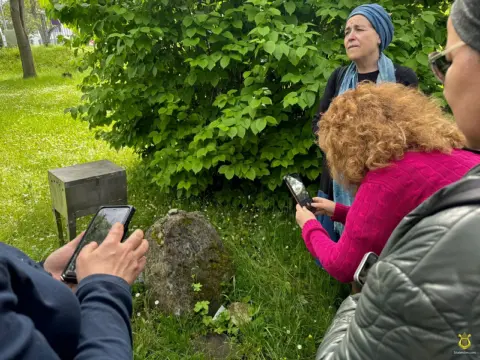
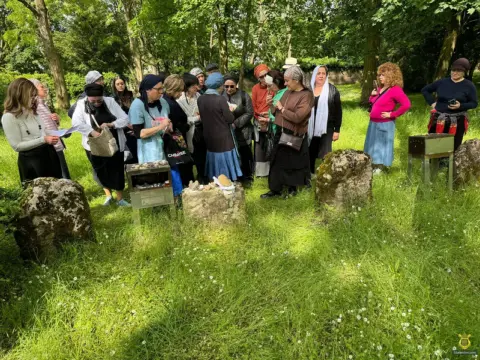
(From a tour of the Graves of the Tzadikim in Alsace-Lorraine with Rabanit Chava Kuperman)
Gallery