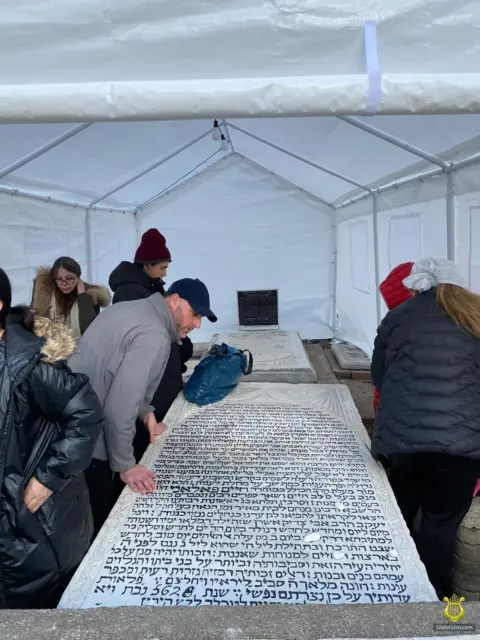
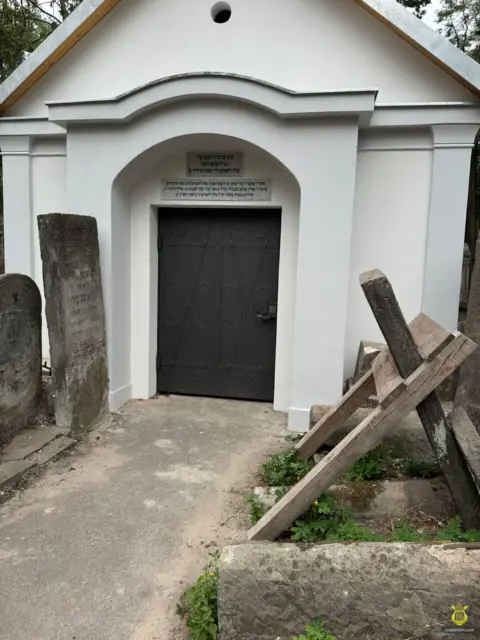
Grave
Rabbeinu Bachya ben Asher ibn Halawa
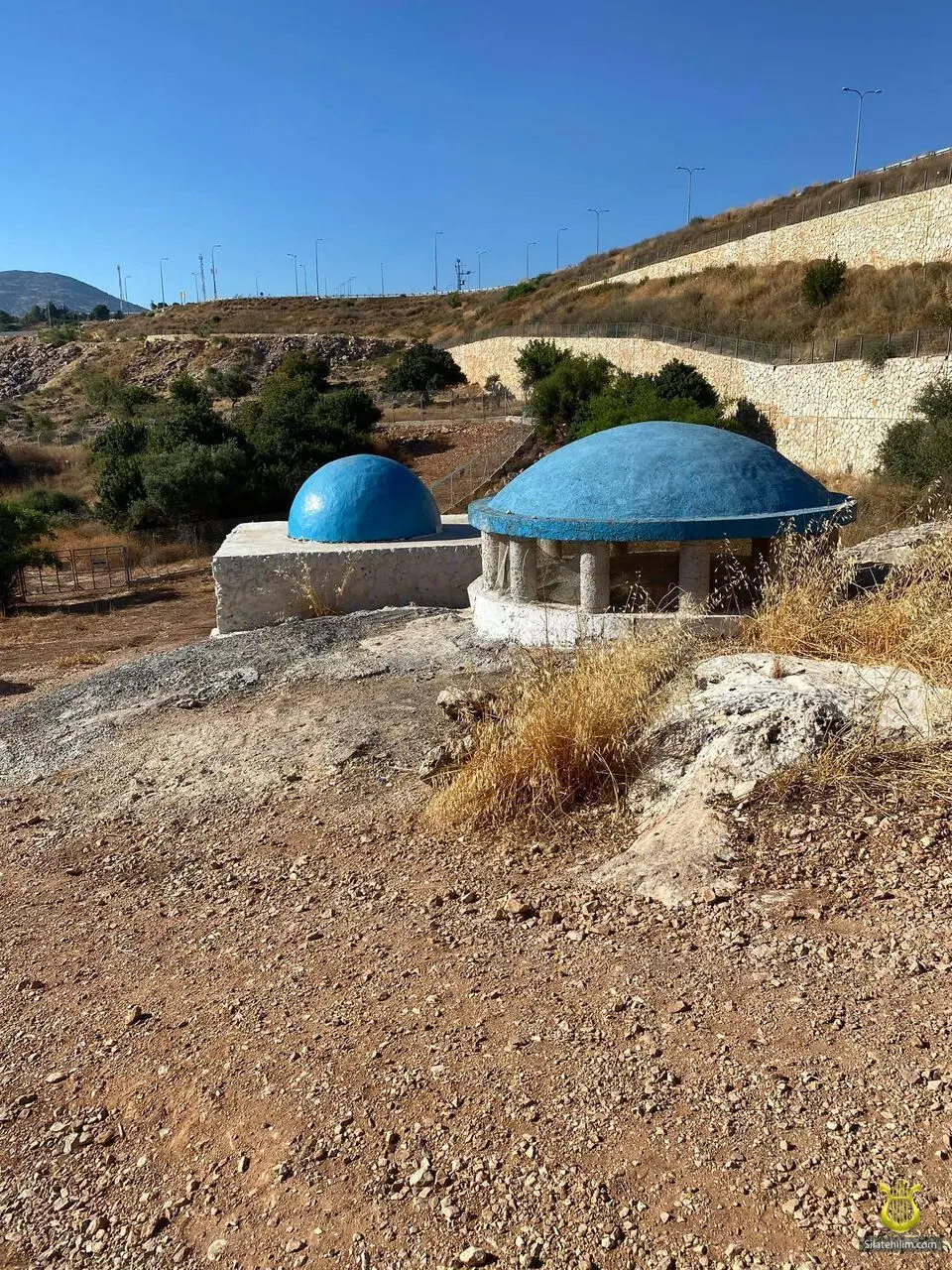
Bachya ben Asher ibn Halawa, also known as Rabbeinu Bachya (1340–1255).
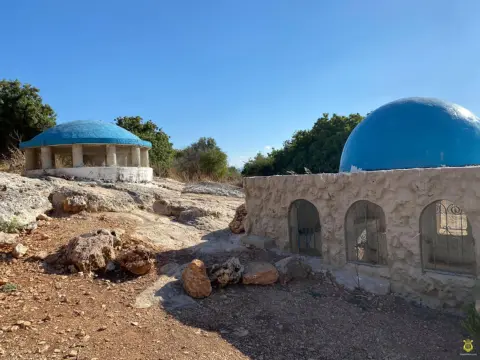
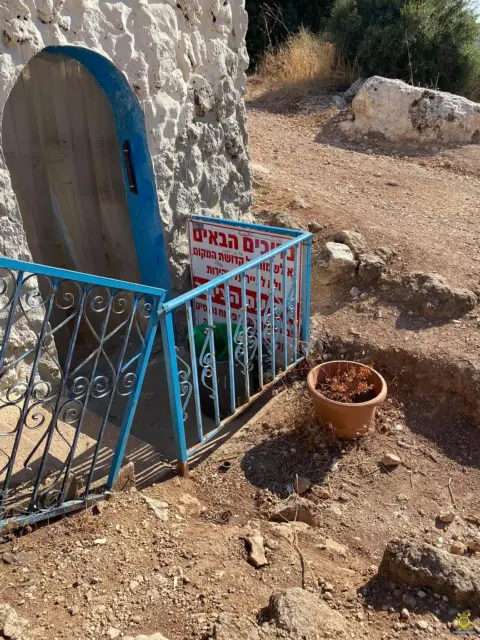
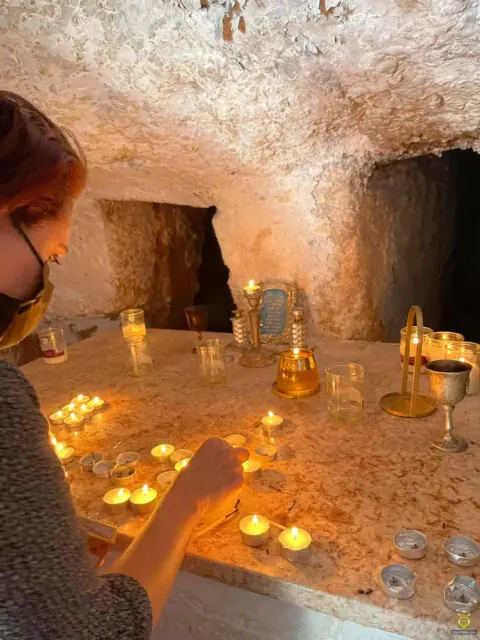
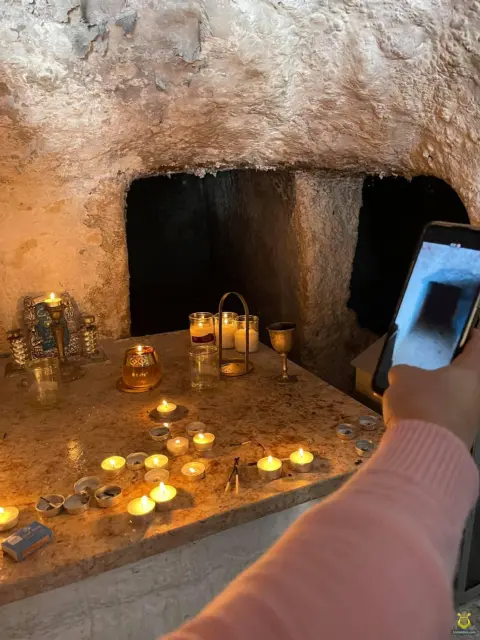
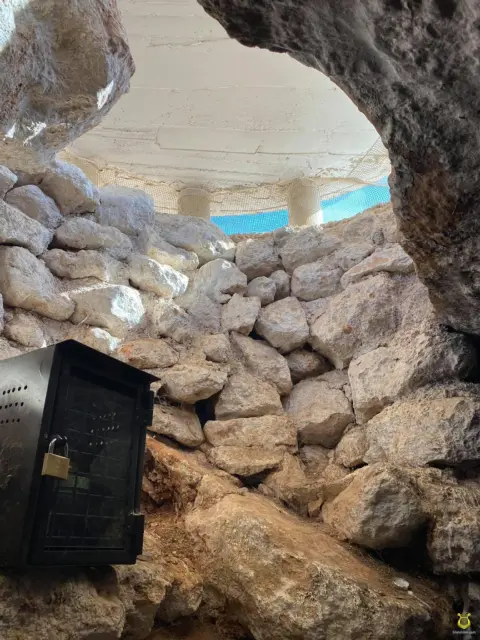
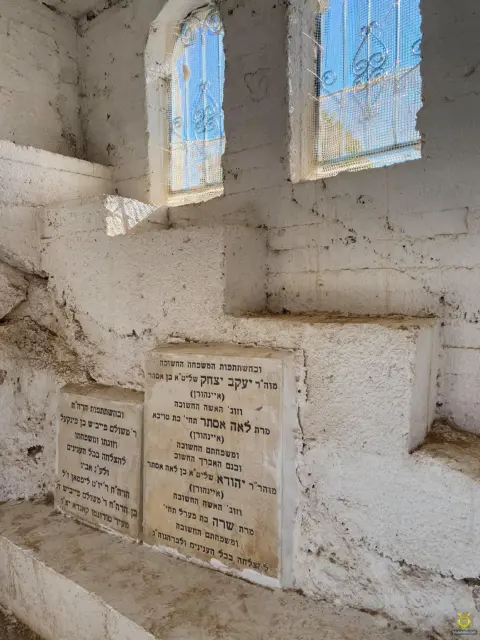
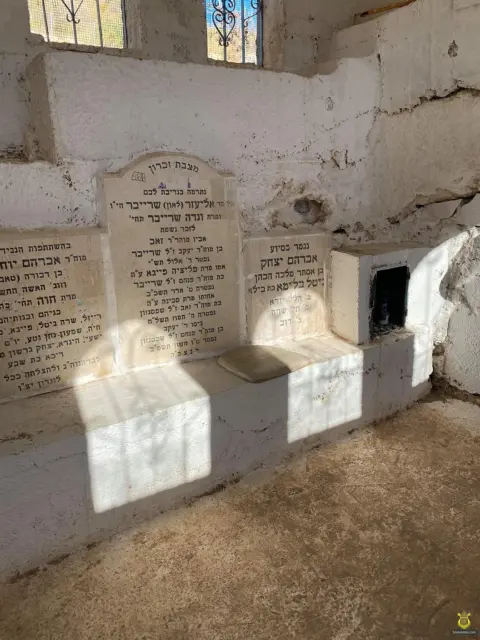
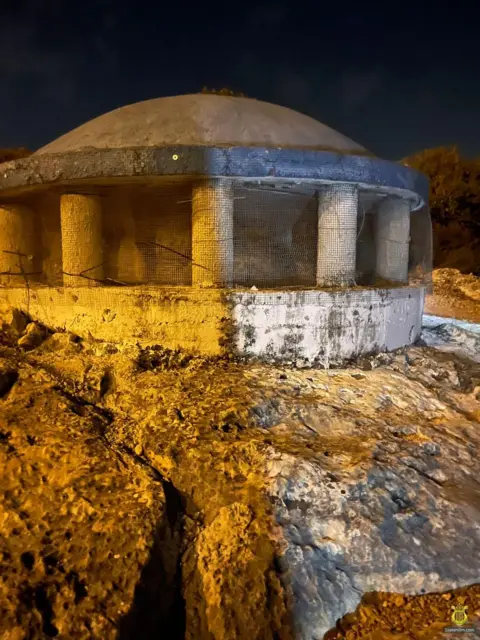
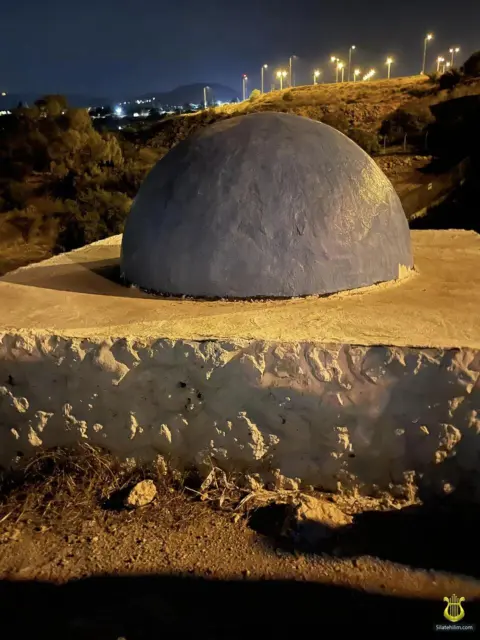
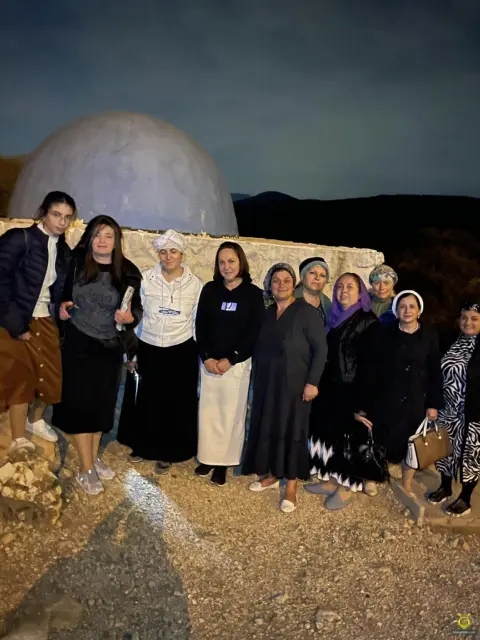
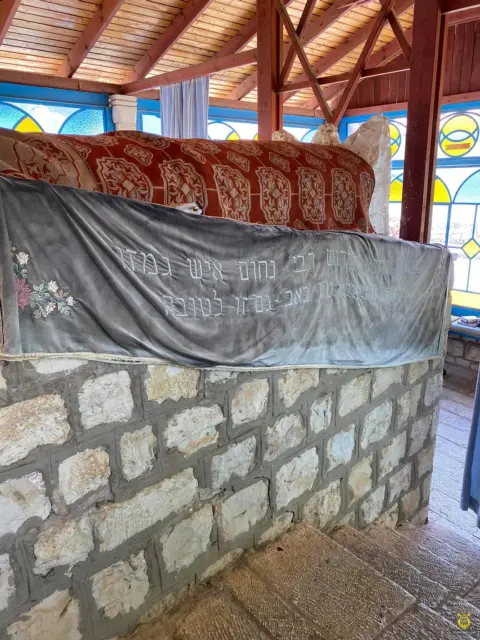
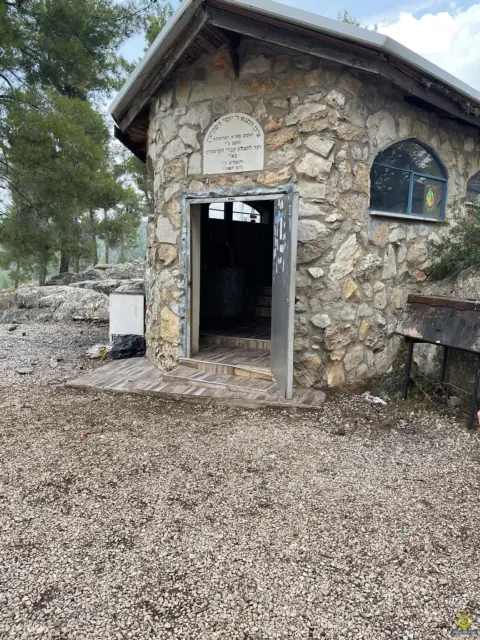
Resting place - Chukok, next to the grave of Chavakuk HaNavi
Rabbeinu Bachya regarded the Ramban as his teacher, who in turn was the teacher of Rabbi Shlomo ben Aderet (the Rashba), the first to use Kabbalah in his commentaries on the Torah.
Rabbeinu Bachya ben Asher ibn Halawa was born in Zaragoza, Spain, sometime in the mid-13th century.
From the age of 40, that is, around 1275, the Rashba was called "manhig ha-dor" (leader of the generation) and served as chief rabbi of Barcelona, an important center of Jewish scholarship — he had actually been chosen for this position much earlier.
But the student's fame surpassed that of his teacher. Rabbeinu Bachya was an "iluy," a Jewish prodigy.
As far as is known, Rabbeinu Bachya lived most of his life in Zaragoza, working as the local "darshan" (preacher) for a small salary that was barely enough to feed his family.
He was an outstanding kabbalist, but his work devoted directly to Kabbalah, "Ohel Moed" (Tent of Testimony), which he mentions once, has been lost. His "Shulchan Arba" (Table of Four) is devoted to the laws, customs, and spiritual meaning of meals; in it the Rav describes the spiritual worlds, and in particular the World to Come, as simply and confidently as if describing the rooms of his own house.
It has recently been proven that "Sefer Emunah VeBitachon" (The Book of Faith and Trust), attributed to the Ramban, actually belongs to Rabbeinu Bachya.
Although he was one of the spiritual leaders of his generation, he never held any high official positions.
His most famous work is his commentary on the Five Books of Moses, for which he reworked virtually everything that had been written before him.
The Ramban, whose text is included in all the detailed commentaries on the Torah ("Mikraot Gedolot"), was the first of our teachers to openly use Kabbalah to interpret the Holy Scriptures.
Rabbeinu Bachya follows in the path of his teacher's teacher and makes wide use of kabbalistic methods to examine difficult passages of the Written Torah — combinations and permutations of the Names of the Almighty, gematria (numerical analysis), the structure of the spiritual worlds and the higher emanations (sefirot), and so on. However, unlike the Ramban, Rabbeinu Bachya speaks openly and clearly, making the hidden accessible to the general public. He even repeatedly cites the Ramban, revealing and decoding his mysterious allusions and word choices.
It is not known what prompted this "change of course" — perhaps it was connected to the approach of another (and primary) teacher of his teacher — Rabbeinu Yonah of Gerondi (1200–1263), the Ramban's cousin (their mothers were sisters). This cousin also became a relative by marriage — Rabbeinu Yonah's daughter married the Ramban's son. Their son, born a few days after the sudden passing of his grandfather, was named Yonah on the advice of his other grandfather, the Ramban.
Another major work by Rabbeinu Bachya was "Kad HaKemach" (The Jar of Flour), a book of sermons divided into 60 chapters — Rabbeinu Bachya also wrote a kind of encyclopedia of mussar (Jewish ethics), with all the entries arranged alphabetically by topic.
His book "Choshen HaMishpat" (The Breastplate of Judgment), in which he described in detail the nature and various types of prophecy, has not survived to our day.
Unlike the Ramban, Rabbeinu Bachya does not cite all his kabbalistic sources, only mentioning in passing the book of the "Zohar," "Sefer HaBahir," and the Ramban. He begins each chapter with an introduction featuring a motto-epigraph from "Mishlei" (Proverbs), explained according to Rabbeinu Yonah's commentary on Proverbs, which has been lost to us.
Following the Ramban, Rabbeinu Bachya devotes much attention to the Land of Israel.
In his commentary on the Book of Devarim he writes:
"This book is about the final redemption, the renewal of the world, which is the very purpose of creation… the people of Israel have never yet attained the perfection that will come with the final Redemption, after which there will be no more exile [from the Holy Land]."
The Torah verse states: "See, I have given you this Land; go and inherit the land that the L-rd swore to your fathers — Abraham, Isaac, and Jacob — to give to them and to their descendants after them."
Rabbeinu Bachya, basing himself on the midrash "Yalkut Shimoni," explains: "to give to them" refers to those who left Egypt, "to their descendants" refers to those who left Babylon, and "after them" refers to the time of Mashiach. Each inheritance corresponds to a Temple — the first two, the Temple of David and Shlomo and the Temple of Ezra and Nechemiah, were destroyed, while the Third Temple will be eternal.
Here is what will happen during the exiles — here the Rav follows the tradition of the prophets and the recent interpretations of the Ramban: "Those who settle it will leave it desolate. Those who dwell in [the Land of Israel] will build neither wall nor tower upon it; they will try to settle it but will not succeed. There is a great sign for Israel in this — that from the day the Land was laid waste, it has not accepted any [other] nation, until its own children return to it."
Rabbeinu Bachya wrote that "the Third Temple will be built by the descendants of Edom" (Esau). The word "Edom" (adom) literally means "red"! Such was David, who was at first suspected of resembling Esau-Edom and therefore of being inclined to bloodshed.
In Rabbeinu Bachya's writings one can also find information about demons (and about how they survived the Flood in Noach's Ark), about Moshe's time on Mount Sinai, and how the 120 days he spent "in the heavens" correspond to the 120 years of his life, about the meaning of the sacrifices, and about the attitude toward converts.
Rabbeinu Bachya adds that the list of the 42 encampments [in the desert] contains secrets connected to the final redemption at the end of days. For as the prophets foretold, the final redemption will in many ways resemble the Exodus from Egypt. And just as the Jews wandered in the desert for 40 years, so they will wander through the "desert of the nations" before the coming of Mashiach (Yechezkel).
Gallery