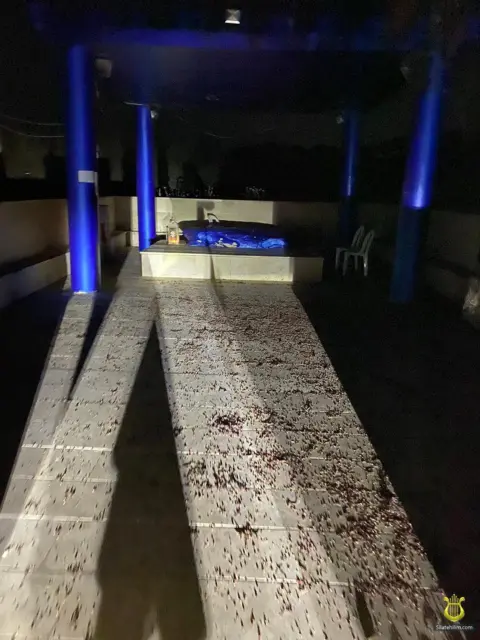
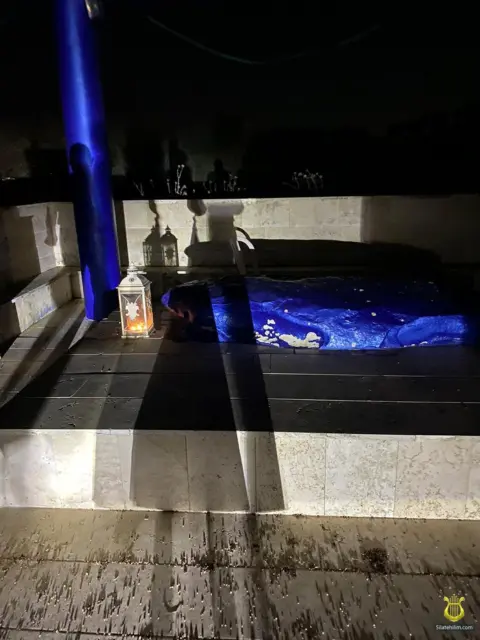
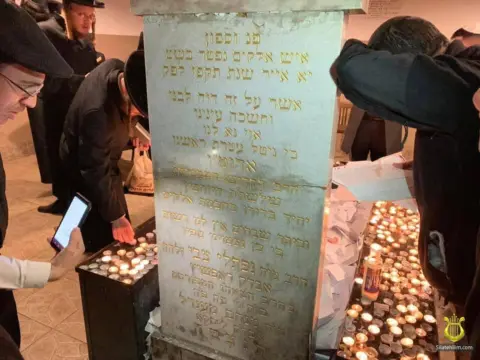
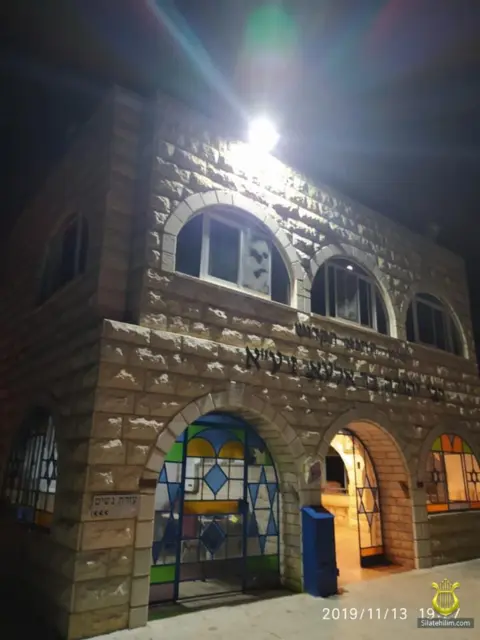
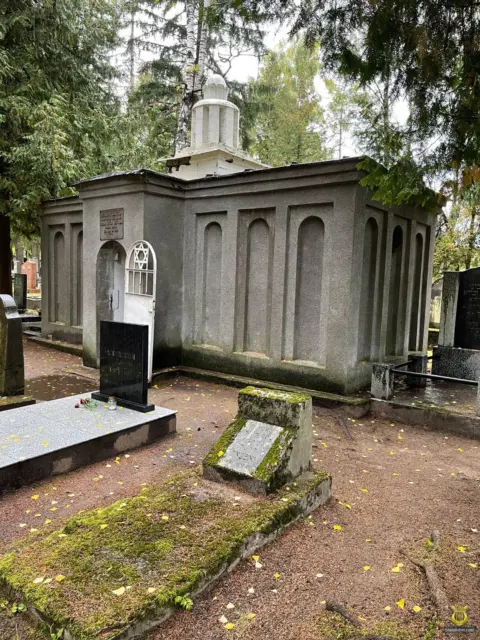
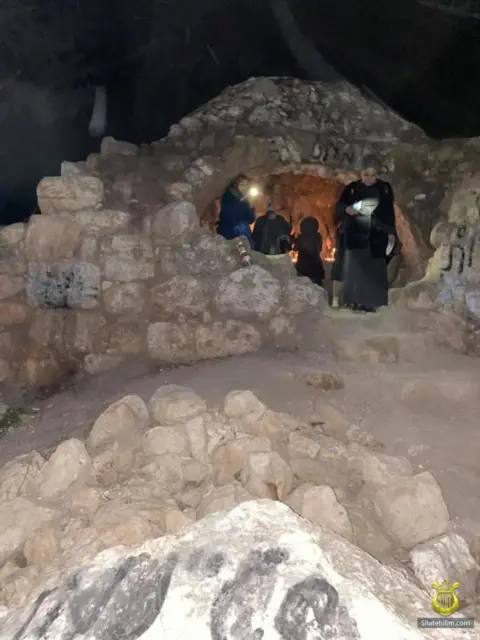
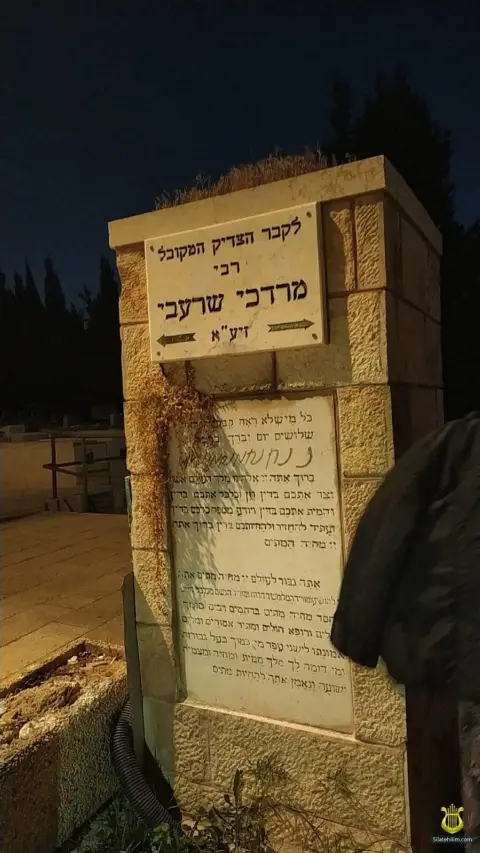
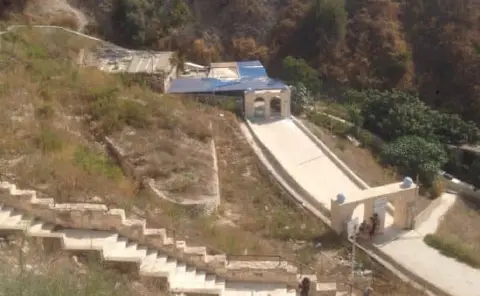
Grave
Elazar ben Azarya
Nasi
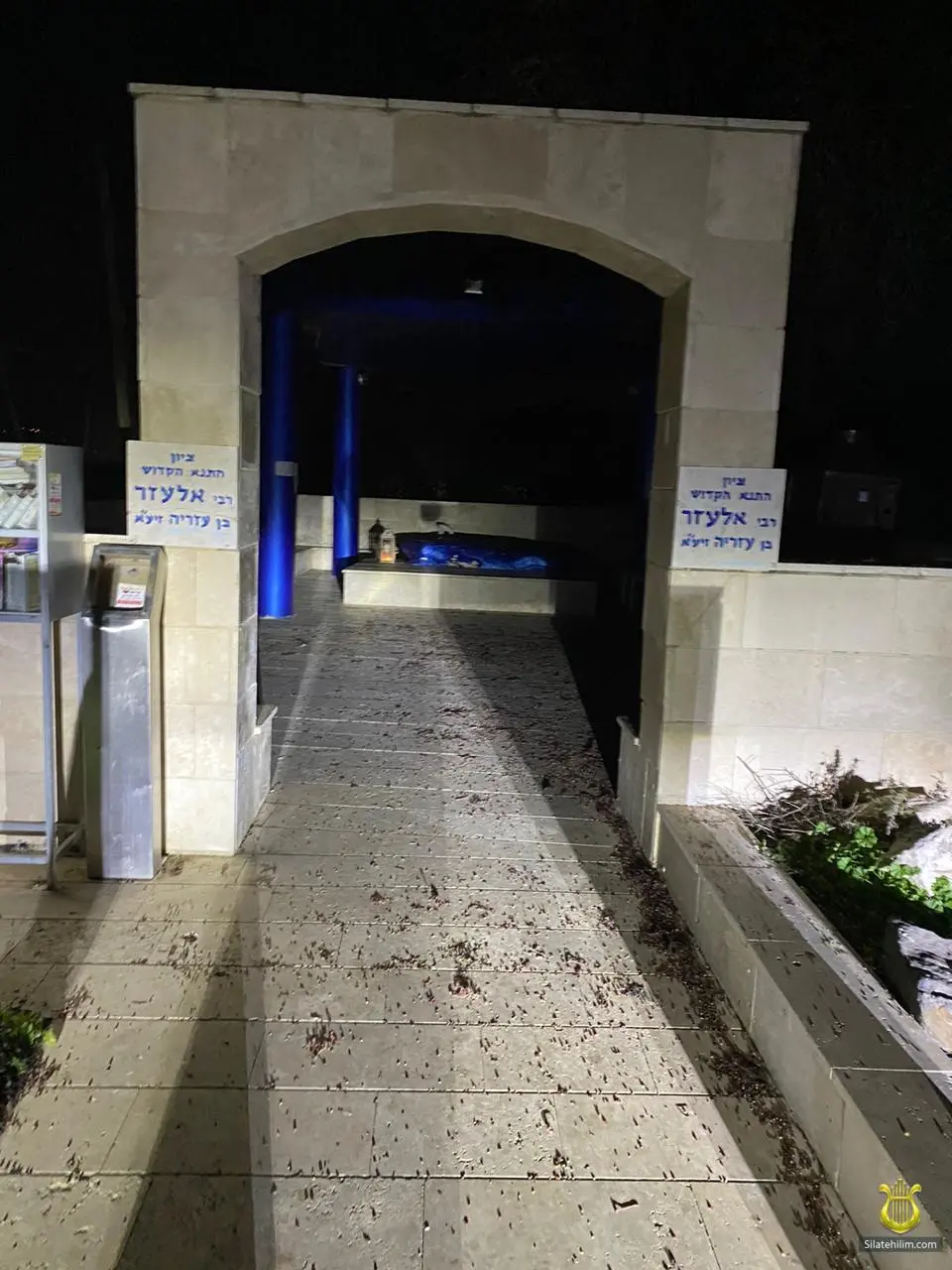
Rabbi Elazar ben Azarya was a Tanna of the second/third generation, who was temporarily appointed Nasi at the age of 18, when Rabban Gamliel was removed from his position.
Rabbi Elazar ben Azarya was a Kohen and a tenth-generation descendant of Ezra HaSofer, who inherited great family wealth. He is well known for his role at the beginning of the Passover Haggadah. Rabbi Elazar ben Azarya studied under Rabbi Yossi HaGlili, and later moved to Yavneh, joining the sages of the Mishnah. He is buried in Alma, in northern Israel, next to his father Rabbi Azarya.
Rabbi Elazar was born a few years before the destruction of the Second Temple, into the family of Rabbi Azarya, a wealthy and respected Kohen. Rabbi Dosa ben Harkinas, a prominent elder of the generation, called Rabbi Azarya a "friend," who was well versed in Torah. Rabbi Azarya was very wealthy and supported his brother Shimon, enabling him to devote all his time to Torah study; this Tanna is subsequently always referred to as "Shimon, brother of Azarya."
Rabbi Elazar ben Azarya was about 13 years old when Rabbi Yochanan ben Zakkai passed away. Rabbi Elazar studied Torah with his father Rabbi Azarya in his early youth, and afterward with Rabbi Yossi HaGlili.
Foreseeing the coming destruction of the Temple, Rabbi Azarya gathered all his wealth and family and moved from central Eretz Yisrael to the north, where conditions were somewhat better. In the north, the young Elazar became a student of Rabbi Yossi HaGlili.
Rabbi Yossi HaGlili had a difficult wife, but he could not afford to divorce her and pay her ketubah. Rabbi Elazar ben Azarya offered to pay his teacher's ketubah out of his father's funds. His teacher accepted the offer and divorced his wife.
Rabbi Yossi HaGlili is considered a third-generation Tanna, while his student Rabbi Elazar ben Azarya is counted among the second-generation Tannaim. This is because Rabbi Yossi HaGlili did not leave the north until many years later, when he went to Kerem B'Yavne and revealed his great wisdom before Rabbi Akiva and Rabbi Tarfon.
After the destruction of the Second Temple, Rabbi Yochanan ben Zakkai gathered all the surviving sages and reestablished the Sanhedrin in Yavneh. Rabbi Azarya gathered his family, and they moved to Yavneh, the new center of Torah. His son Rabbi Elazar could now study in the Beit Midrash of the sages.
Even before he was appointed Nasi, Rabbi Elazar ben Azarya was held in great esteem in the eyes of the sages. We find him together with Rabbi Eliezer ben Hurkanus, Rabbi Akiva, Rabbi Yehoshua, and Rabbi Tarfon, telling the story of the Exodus from Egypt on the night of the seder in Bnei Brak. Rabbi Eliezer ben Hurkanus was placed under a ban before Rabbi Elazar ben Azarya was appointed Nasi, so it is known that he was only 16-17 years old at the time of this Passover seder. However, there are opinions that it was actually Rabbi Elazar ben Arach who was referred to, since he has the exact same name abbreviation.
After the destruction of the Beit HaMikdash, Rabban Gamliel was determined to unite the sages under one central authority, in order to prevent the Jewish people from splitting into factions. He felt that by strengthening his position as Nasi, he would be able to accomplish this. When he sensed strong halachic opposition from the Av Beit Din, Rabbi Yehoshua ben Chananya, he openly humiliated him on three separate occasions. After the third time, his fellow sages could no longer bear to watch the continued humiliation of Rabbi Yehoshua. Together they decided to remove Rabban Gamliel from the position of Nasi.
The sages now faced the dilemma of finding a replacement Nasi. They could not appoint Rabbi Yehoshua, since such a move would be too painful for Rabban Gamliel given his personal involvement in the incident. Rabbi Eliezer ben Hurkanus had already left the sages and established his own yeshiva in Lod. Rabbi Tarfon lacked the generosity necessary to be a leader of the Jewish people. Rabbi Akiva was a descendant of converts and lacked the ancestral merit needed to protect him from Rabban Gamliel's spiritual wrath. Rabbi Tzadok was too physically weak after forty years of fasting.
Having no other choice, attention turned to Rabbi Elazar ben Azarya, the young prodigy. Rabbi Elazar ben Azarya, despite his young age of 18, had already attained deep wisdom and knowledge. He had inherited a vast fortune from his father and would therefore command the respect of the ruling Roman government.
Rabbi Elazar ben Azarya's wife also noted that he looked very young and would not command respect. However, that night a miracle occurred, and eighteen strands of his hair turned white, giving him an aged appearance. It is for this reason that Rabbi Elazar ben Azarya said, "I am like a man of seventy years."
In addition, Rabbi Elazar ben Azarya exerted himself in Torah study day and night, which weakened his physical strength and brought on early signs of aging.
The day Rabbi Elazar ben Azarya was appointed Nasi held historic significance because of the changes he introduced in the Beit Midrash and the great Torah debates that took place, which led to many important halachic conclusions. It was on this day that the discussions of Masechet Eduyot took place. Whenever the Talmud says "on that day," it refers to this day, except for a few instances that refer to the great dispute between Beit Shammai and Beit Hillel, which took place in the attic of Chananya ben Chizkiya ben Gurion. This was also the birthday of Rabbi Elazar ben Azarya.
[edit] Torah open to all
Rabban Gamliel had established a rule allowing only students who had been tested and found worthy to enter the great Beit Midrash of the sages. When Rabbi Elazar ben Azarya became Nasi, he removed the guard from the Beit Midrash and allowed all who studied Torah to enter. On that day, several hundred benches were added to the Beit Midrash to accommodate the new students. According to some opinions, 400 benches were added, while according to others, as many as 700. This was in keeping with Rabbi Elazar ben Azarya's teaching that studying Torah even for ulterior motives will ultimately lead to studying Torah for its own sake.
According to some opinions, Rabbi Elazar ben Azarya was also appointed Av Beit Din, a position formally held by Rabbi Yehoshua. Rabban Gamliel and Rabbi Elazar ben Azarya shared their positions in friendship and peace, often working together for the benefit of the Jewish people.
Rabbi Elazar ben Azarya made several trips to Rome with his fellow sages, including Rabban Gamliel, Rabbi Akiva, and Rabbi Yehoshua, in order to have harsh decrees against the Jewish people annulled.
When the Bar Kochba revolt began, all the sages fled Yavneh. Rabbi Elazar ben Azarya moved to Tzippori, where he hid some of his surviving friends.
Rabbi Elazar ben Azarya is mentioned approximately 37 times in the Mishnah. He mainly debates with Rabbi Eliezer, Rabbi Elazar Chisma, Rabbi Tarfon, Rabbi Yehoshua, Rabbi Yishmael, and Rabbi Akiva.
A neighbor of Rabbi Elazar ben Azarya allowed her cow to go out on Shabbat with a ribbon tied between its horns. In accordance with his personal opinion on the laws of Shabbat permitting such things, Rabbi Elazar ben Azarya did not protest, even though all the other sages disagreed with his opinion. At one point the sages came to him and gave him an ultimatum: either get rid of the ribbon or separate from them. In the end, Rabbi Elazar ben Azarya regretted so deeply that he had not protested in order to uphold the sages' opinion, that he fasted until his teeth darkened.
May the merit of this tzadik protect our people!
(based on zissil.com)
Gallery