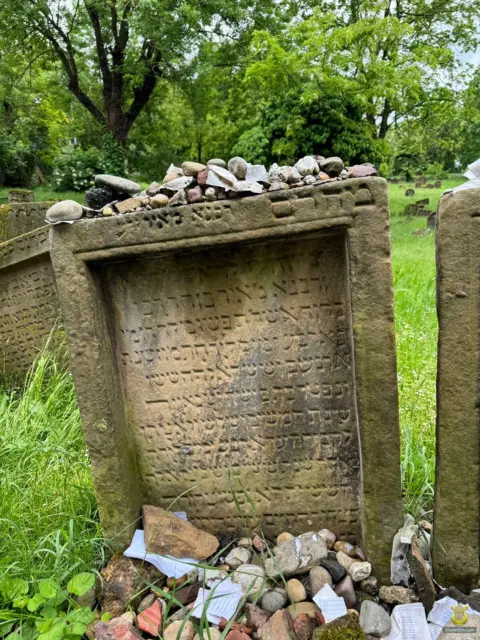
Grave
Yosi Saragossi
The Rooster Tzadik
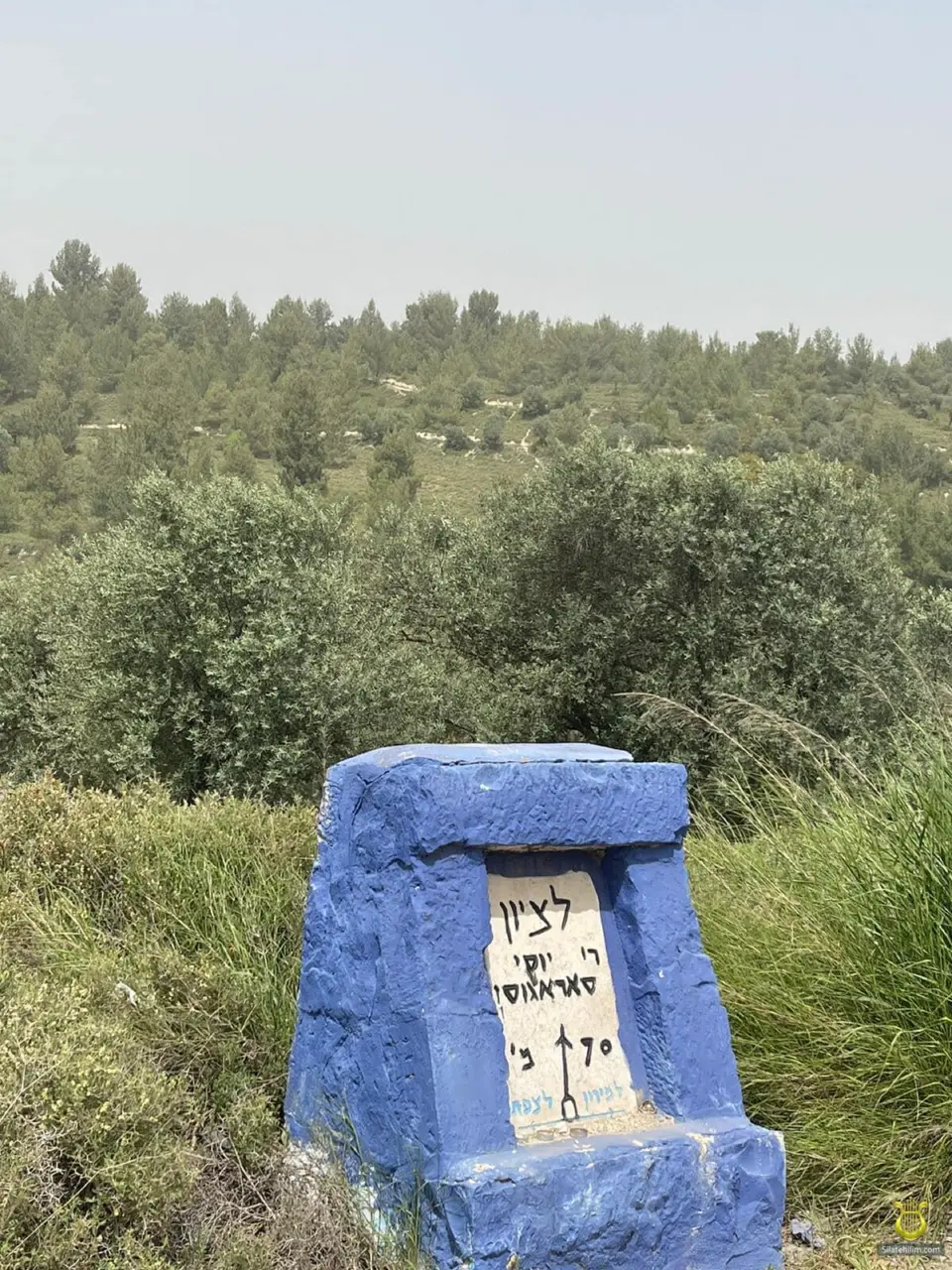
Rabbi Yosi Saragossi - The Rooster Tzadik
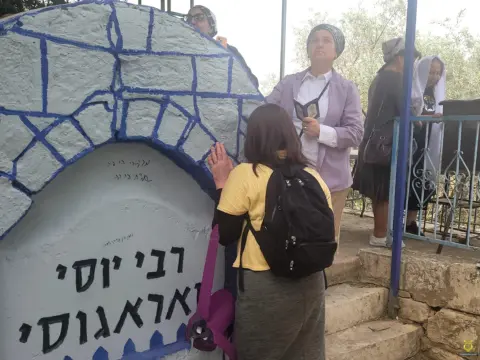
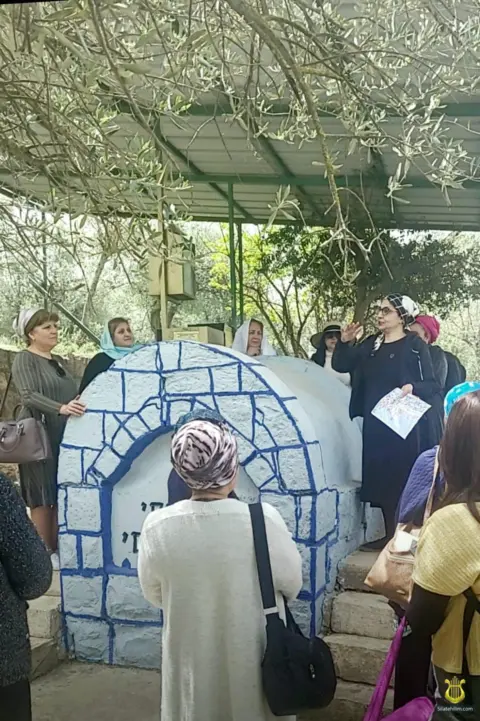
Resting place: Ein Zeitim, Tzfat
Rabbi Yosi Saragossi was originally from Spain, but whether he received his nickname because his family had lived for many years in Saragossa, the capital of the Kingdom of Aragon, or from a distortion of the name of the Sicilian city of Syracuse, where Rabbi Yosi also lived, is not known for certain.
When the Spanish monarchs, fervent in their Catholicism, expelled the Jews from the Iberian Peninsula, Rabbi Yosi Saragossi indeed first went to Sicily. But soon the royal decree caught up with the Jews there as well: Sicily was then under the control of the Kingdom of Castile and Aragon.
Rabbi Yosi fled once again, this time to the Mamluk Sultanate: first to Beirut, then to Sidon, and afterward to Egypt, where he was received with great honor as a well-known and respected sage. After living in Egypt for nearly three years, Rabbi Yosi Saragossi finally made his way up to the Land of Israel and settled in the city of Tzfat. At that time no more than three hundred Jews lived there, most of them refugees from North Africa. The community was so poor and destitute that it did not even have its own rabbi.
Sparing neither effort nor time, the compassionate Rabbi Yosi Saragossi devoted all his experience and knowledge to easing the lives of the Jews of Tzfat. People increasingly turned to him to settle disputes between neighbors or to resolve family troubles. Not only Jews, but also Muslims living in the city, began coming to him for advice.
The White Tzadik, the Rooster Tzadik
A story, the details of which have been preserved in the memory of Tzfat's old-timers, tells that the city at that time was governed by a cruel and wicked administrator named Ahmad. At every opportunity he tried to harm the Jews living in the city, whom he hated with all his heart. One day he learned that on the eve of Yom Kippur the Jews try to obtain, for the performance of kaparot, the traditional atonement ritual, specifically white roosters and hens, since it is said, "your sins shall become as white as snow." White hens and roosters were at that time a great rarity and very expensive.
As soon as Ahmad learned of this, he immediately announced that he intended to send the sultan in Cairo a gift of pure white roosters and hens, and therefore forbade the Jews, under penalty of death, from buying white birds. He also sent guards to the marketplace to watch closely that the ban was enforced, and sent his servants throughout the city to buy up all the white hens and roosters.
The distressed Jews came to Rabbi Yosi and begged him for help. Of course, the rabbi knew that there was no need to chase after white roosters, since this was mere superstition, but out of pity for his community he promised to certainly think of something. He asked that all the multicolored hens and roosters that had been bought be brought to his courtyard and left there. Then, as the city legend tells it, he went to see the administrator. Ahmad was already waiting for him, confident that the rabbi would beg him to cancel the decree and allow the Jews to buy white hens.
However, Rabbi Yosi Saragossi unexpectedly began warmly thanking the administrator. Ahmad was very surprised, but did not let it show.
"You see," Rabbi Yosi began to explain to him, "our sages taught that if one's sins are atoned for, the hen will turn white, but if the atonement is not sincere, this will not happen. Many careless Jews immediately buy white hens, from which it cannot be seen whether their atonement has been accepted, and thereby convince themselves that everything is fine. And once reassured, they become less diligent in fasting, study, and prayer. Now, since their hens are multicolored, they will not be able to tell whether their atonement has been accepted, and so they will pray and fast far more sincerely on Yom Kippur."
Ahmad grew angry upon hearing Rabbi Yosi's words. He had wanted, on the contrary, to harm the Jews, but it turned out that he had helped them instead. As soon as Rabbi Yosi left the administrator's palace, Ahmad immediately called his servants and sent them to Rabbi Yosi's house.
"Give him back the white birds that were bought, but take away all his multicolored hens - do not leave him a single one!" the administrator commanded sternly. The obedient servants went and did exactly as Ahmad had ordered. When the Jews came to Rabbi Yosi the next day for their hens, they found only white birds in the courtyard.
Rabbi Yosi Saragossi never explained where the white hens had come from, and in such numbers besides. Many even began to say that the Rabbi had turned the multicolored hens white through the secret knowledge revealed to such a great sage through Kabbalah. It is not known whether Ahmad ever sent any hens to the sultan at all, but he never again forbade the Jews from buying white birds. And soon the Ottoman Turks came from the north, crushed the Mamluks, and conquered not only Tzfat but all of Eretz Yisrael.
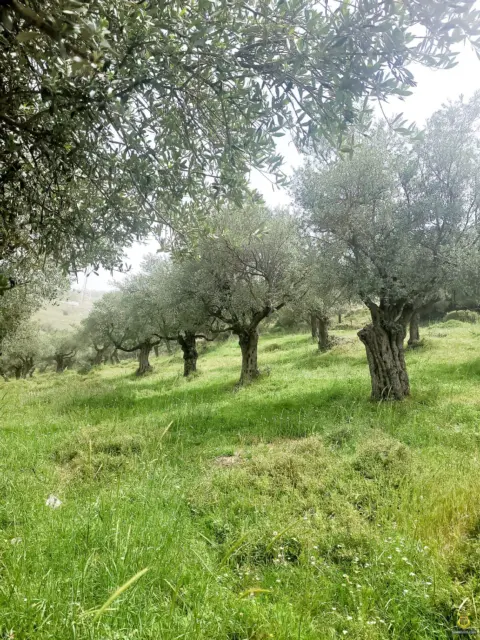
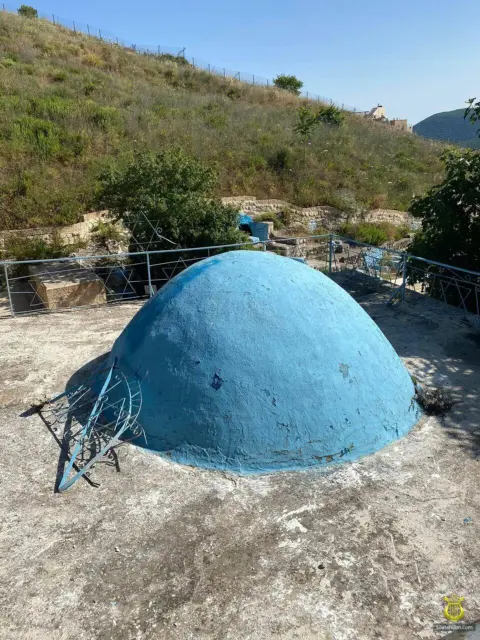
Rabbi Yosi Saragossi was buried near Tzfat in an olive grove - "Ein Zeitim."
Over time his grave became a place of pilgrimage, where people who remembered his kindness and compassion came to seek heavenly intercession from the "White Tzadik," or the "Rooster Tzadik," as he came to be called after that story.
There is a tradition that the very place where Rabbi Yosi merited to meet Eliyahu HaNavi became his final resting place.
(With thanks to Dena Bluster)
Gallery