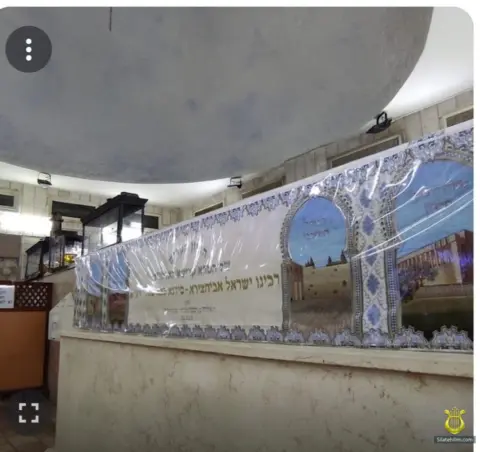
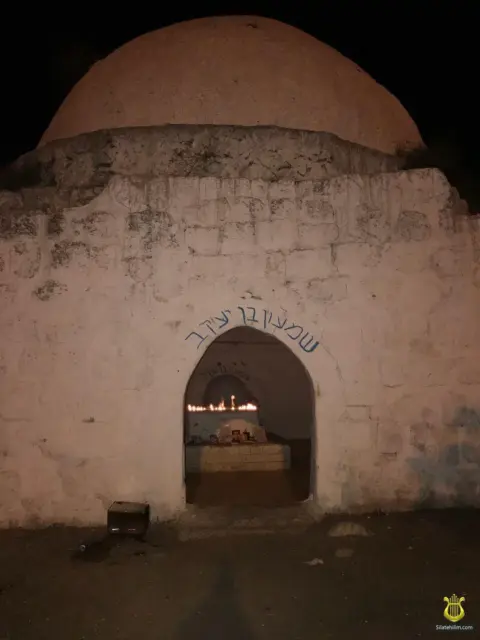
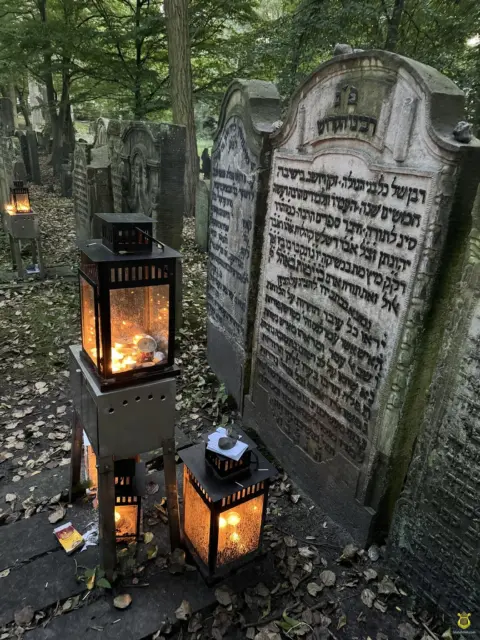
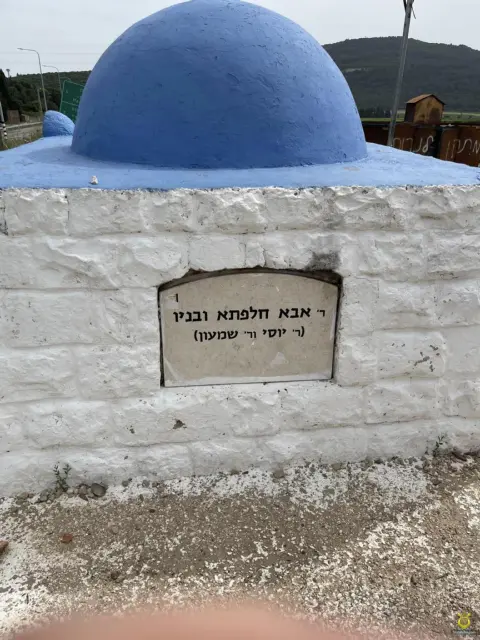
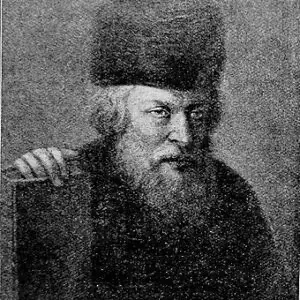
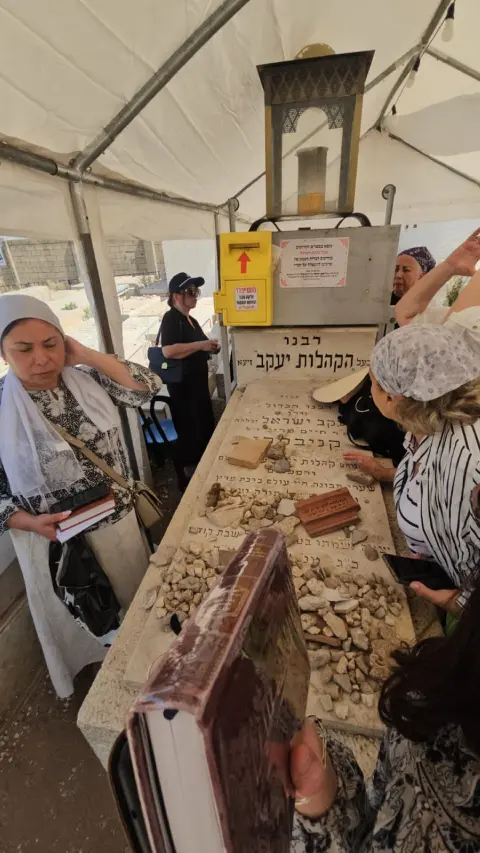
Grave
Baba Sali
Rabbi Israel Abuhatzeira
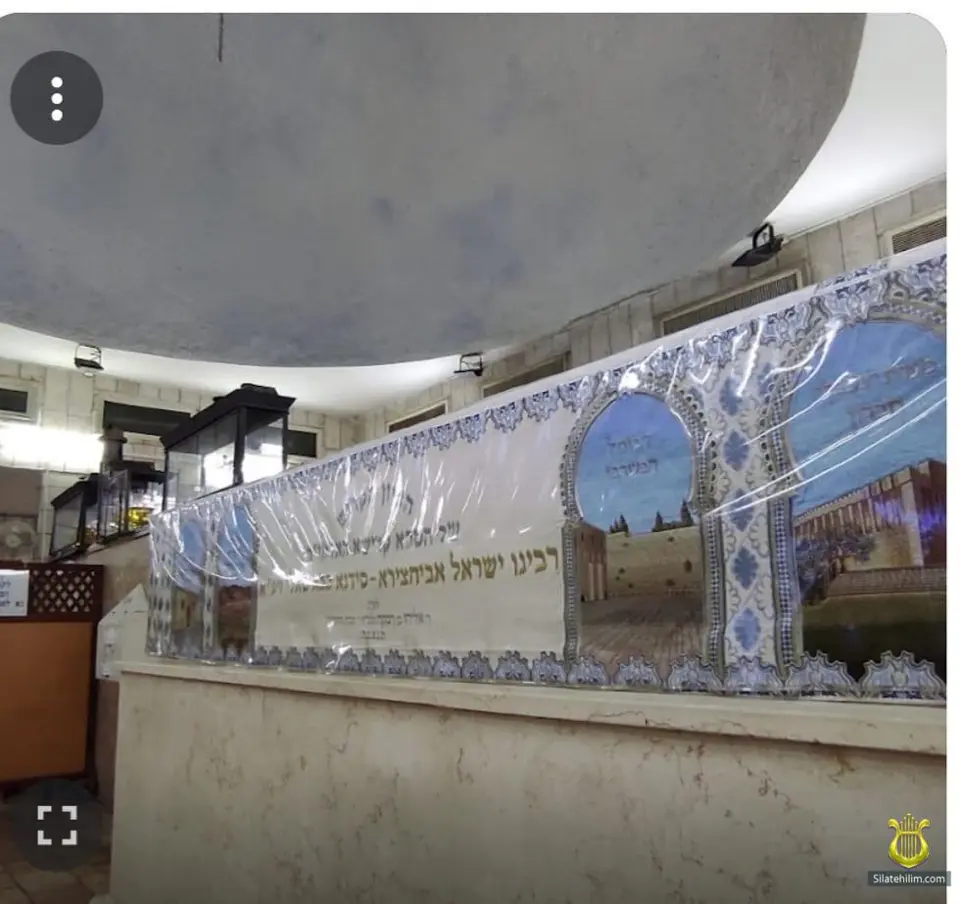
Yahrzeit (Hillula)
- 4 Shevat — Rabbi Yisrael Abuchatzeira - Baba Sali
Rabbi Israel bar Masoud Abuhatzeira (Baba Sali – the praying father).
Baba Sali was the greatest sage, kabbalist, and miracle-worker of modern times. His grave in Netivot is a popular place of prayer, especially on the day of his yahrzeit, when hundreds of thousands of Jews flock there. A descendant of the renowned Moroccan family of Torah sages – Abuhatzeira – he displayed outstanding intellectual gifts from an early age, studying in the family yeshiva alongside adults from the age of 13, and was distinguished by his piety and righteousness.
According to tradition, once as a child he witnessed a fight between other children. "The instigator of it all made me so angry that I almost cursed him," Israel shared his feelings with his father, and received from him the greatest lesson, which shaped the whole of his subsequent life:
"My son! A great future is destined for you: everything that comes from your lips will come to pass. So strive your whole life only to bless and speak kindly to people, but never to curse!"
Baba Sali stayed away from politics and was respected in all circles, including the greatest Ashkenazi and Chassidic leaders, from Rav Yoel Teitelbaum of Satmar to Rav Avraham Yeshaya Karelitz, the Chazon Ish, who called him "the greatest servant of the Creator."
In his book "Ahavat Israel" (Love of Israel), Baba Sali clearly shows how all the mitzvot of the Torah are, in one way or another, connected to the mitzvah of "Love your neighbor as yourself" — as Rabbi Akiva said: "Love your neighbor as yourself — this is the greatest principle of the Torah."
Be fruitful and multiply
Here is what the book says regarding the first mitzvah, "Be fruitful and multiply" — "It is stated in tractate Kiddushin 41a: 'Rav Yehuda said: it is forbidden for a man to marry a woman without having seen her beforehand, lest he find something displeasing in her and she become repugnant in his eyes, for it is said, "love your neighbor as yourself."' Our sages further say (tractate Yevamot 62b): 'A man must honor his wife more than himself, and love her as himself.' This is the precise expression of the principle of 'love your neighbor as yourself' — in this case, one's wife — 'as yourself.'
The numerical value of "as yourself" — "kamocha" — (20+40+6+20) כמוך = 86. If this number is written with Hebrew letters, it forms peh (פ=80) and vav (ו=6) – which can also be seen as an acronym for the first mitzvah, "be fruitful and multiply", "pru u-rvu" – פרו ורבו. Since this mitzvah can only ultimately be fulfilled with the help of the Almighty, and only He determines the final outcome of the relationship between husband and wife, this perfectly matches the conclusion of the central mitzvah, 'Love your neighbor as yourself — I am the Almighty.' And in the bond between man and woman, the letters of the four-letter Name of the Creator – 'I am the Almighty' – clearly emerge:
In the word for man, "ish" איש, there is the letter yud י; in the word for woman, אישה "isha" – there is ה hei. Moreover, according to Kabbalah, the masculine principle is symbolized by the letter ו vav, and the feminine by ה hei. Together these four letters form the four-letter Name.
Love your neighbor as yourself! (Dor Revii community)
The beard of the Ben Ish Chai, or the segula of gazing upon the portraits of Tzadikim
https://silatehilim.com/борода-бен-иш-хая-или-сгула-смотреть-на/
Baba Sali's Prayer – a patent for gratitude
https://silatehilim.com/молитва-баба-сали-благодарственный-п/
Sippurei Tzadikim – Baba Sali and Rav Mordechai Eliyahu
https://silatehilim.com/сипурей-цадиким-баба-сали-и-рав-мордех/
How Baba Sali's song saved soldiers in war
https://silatehilim.com/как-песня-баба-сали-спасала-солдат/
Gallery