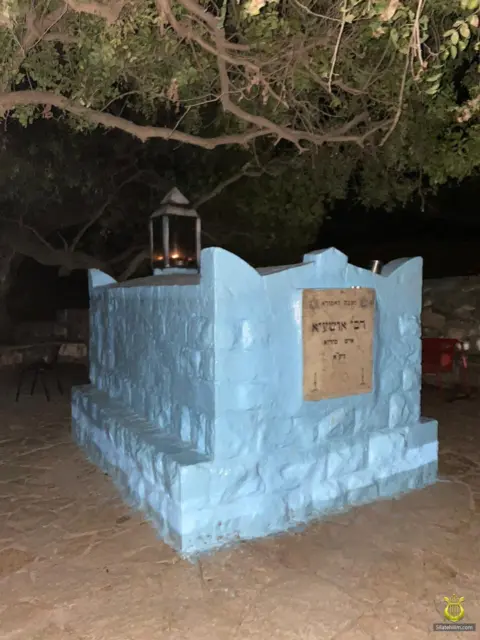
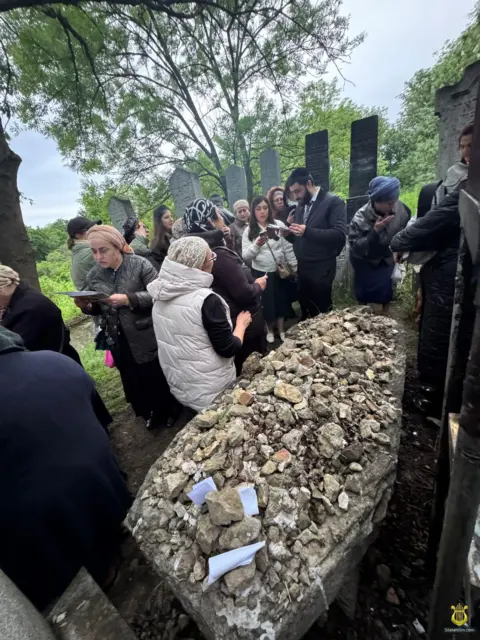
Grave
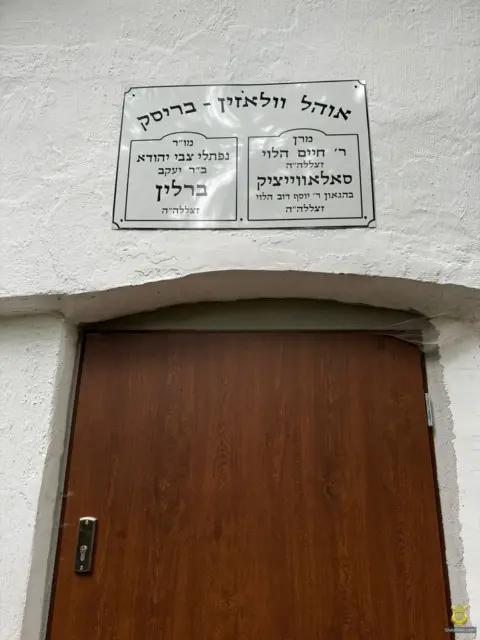
Netziv
Yahrzeit (Hillula)
- 27 Av — Rabbi Naftali Tzvi Yehuda Berlin - the Netziv
Rabbi Naftali Tzvi Yehuda Berlin – the Netziv (1816-1893)
Yahrzeit – 27 Av
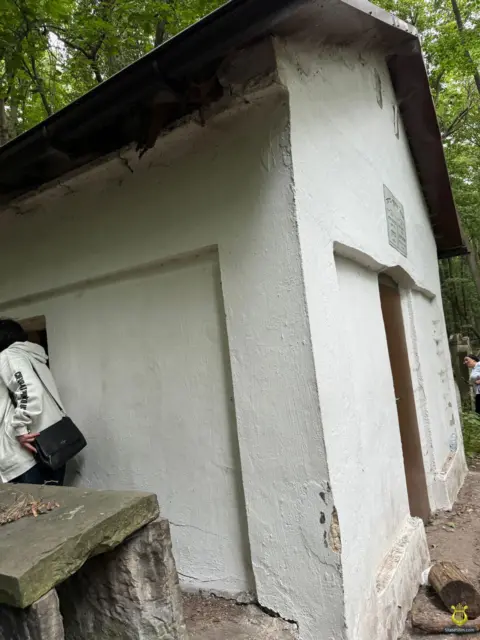
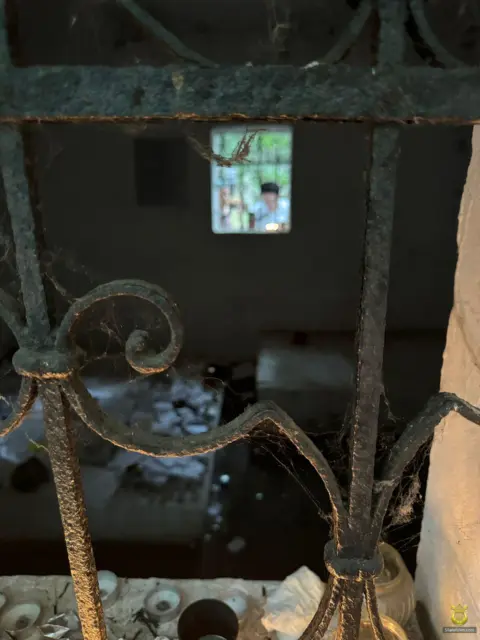
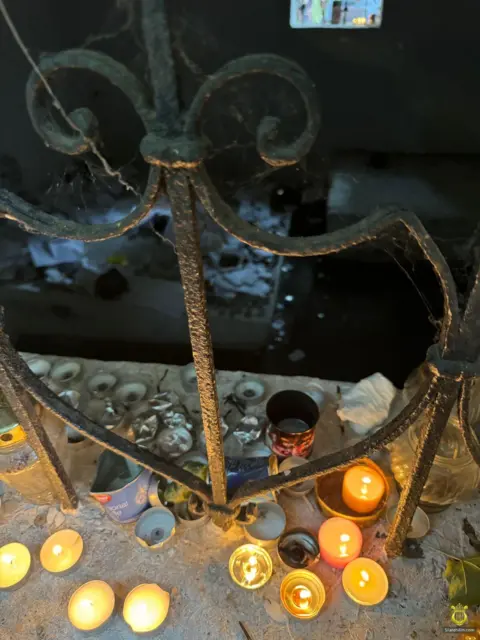
Burial place – Cmentarz żydowski, Warsaw, Poland
Rabbi Naftali Berlin, known as the Netziv of Volozhin, was one of the greatest rabbis of his generation – he served as Rosh Yeshiva of the Volozhin Yeshiva, which became the spiritual center of Russian Jewry. He authored well-known commentaries on the Torah.
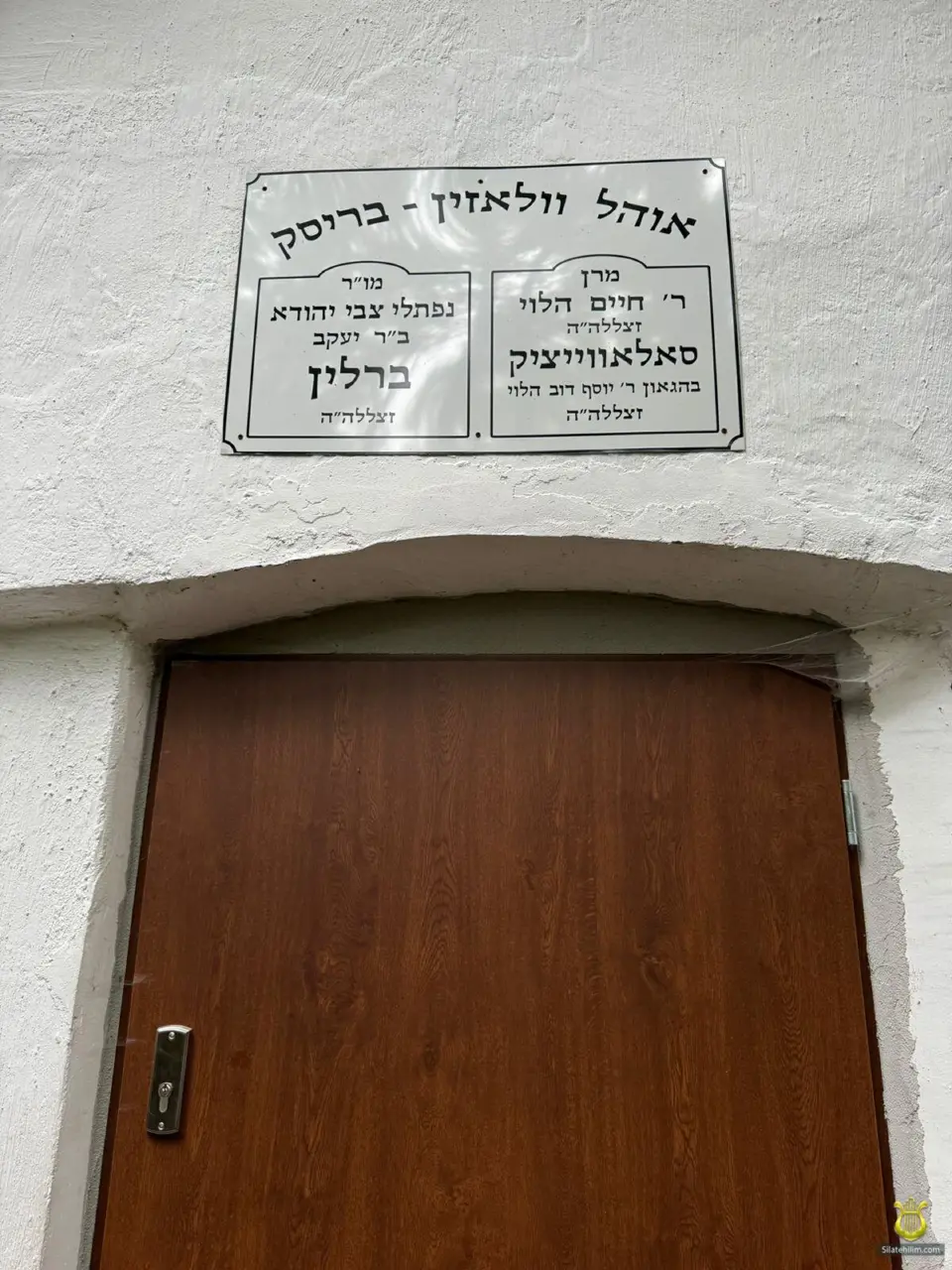
He was born in the town of Mir in Belarus, to a family of a merchant and Torah scholar. Shortly after his bar mitzvah, his father arranged his marriage to the daughter of Rabbi Yitzchak of Volozhin, head of the Volozhin Yeshiva. After Rabbi Yitzchak's death, his eldest son-in-law took over leadership of the Yeshiva, but he passed away soon after, and in 1853 Berlin was chosen to fill his place together with Rabbi Yosef Ber Soloveitchik. The two sons-in-law led the Yeshiva together for a time, but due to constant disagreements, Rabbi Soloveitchik was forced to leave the Yeshiva and take up the post of Rabbi of Brisk (Brest-Litovsk), where he established his own yeshiva as well.
Berlin joined the Chovevei Zion movement from its very inception. He urged religious Jews to follow his example and support Jewish settlement in Eretz Yisrael. In 1892, the Volozhin Yeshiva was closed by the authorities, and Berlin and his family were exiled.
Eighteen months later, Berlin passed away.
He was married twice. His first wife was the daughter of Rabbi Yitzchak of Volozhin, granddaughter of Rabbi Chaim of Volozhin; his second wife was his niece, the daughter of Yechiel Michel Epstein. From his first wife he had a son, Rabbi Chaim Berlin, who later became the chief rabbi of Moscow, and three daughters; from his second wife he had Meir Bar-Ilan and another son.
The Netziv's major works include: "Haamek She'ela" on the Sheiltot of Rav Achai Gaon, "Haamek Davar" on the Torah, and "Meromei Sadeh" on the Talmud
Stories of the Tzadikim
Once, Rabbi Spektor and the Netziv traveled to St. Petersburg on matters related to the pogroms of 1881-82. They had planned to return in time for Yom Kippur, but were forced to delay. The sages went to the only synagogue within walking distance – that of the Cantonists (Cantonists were one of the few categories of Jews permitted to live in the capital). Before Kol Nidrei (the annulment of vows), an elderly Cantonist rose and said: "Everyone knows that on this day it is customary to pray for three things — children, life, and sustenance. What should we pray for? Not for children — we are not permitted to marry while in the army. For life? But what value does our life have, if at any moment we may lose it defending this country? For sustenance? The Tsar feeds us. We have nothing to pray for on our own behalf — let us instead pray that the great Name of the Creator be exalted and sanctified!"
Everyone wept. Both giants of Torah considered that Yom Kippur the finest of their lives.
(https://ru.wikipedia.org/wiki/%D0%91%D0%B5%D1%80%D0%BB%D0%B8%D0%BD,_%D0%9D%D0%B0%D1%84%D1%82%D0%B0%D0%BB%D0%B8_%D0%A6%D0%B2%D0%B8_%D0%98%D0%B5%D1%83%D0%B4%D0%B0, Rabbi Arye Yudasin)
Gallery