Grave
Naftali Tzvi of Ropshitz
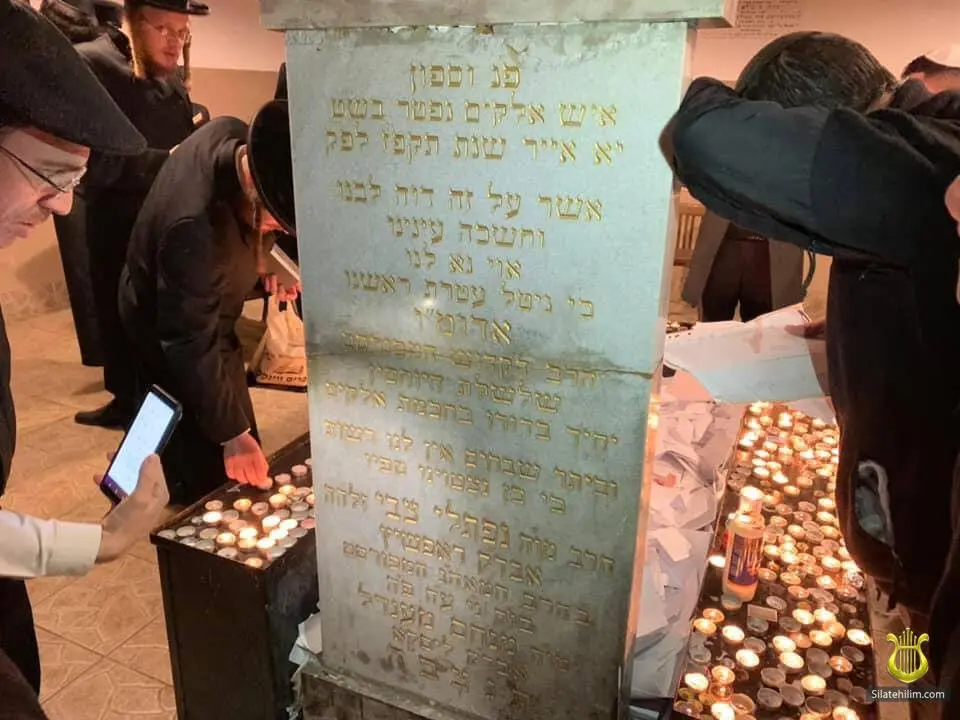
Yahrzeit (Hillula)
- 11 Iyar — Rabbi Naftali Tzvi of Ropshitz - Lancut
- 12 Adar — Rabbi Naftali Tzvi of Bobov
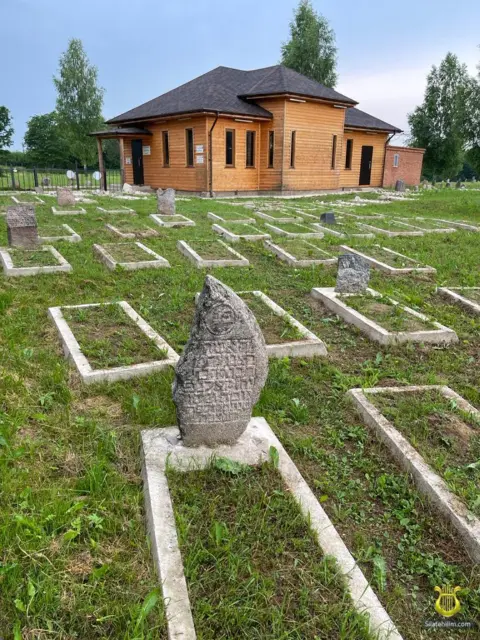
The Resting Place of Rabbi Naftali Tzvi of Ropshitz
Yahrzeit - 11 Iyar;
Burial place - Łańcut, Poland.
Rabbi Naftali Tzvi was born on the day of the passing of the Baal Shem Tov, and he demonstrated that he was his direct descendant.
The Ropshitzer Rebbe was born into a family of Mitnagdim, opponents of Chassidism.
His father was the eminent rabbi Menachem Mendel of Linsk. His mother, Baila, known for her brilliant mind, was the daughter of the Gaon Rav Yitzchak Horowitz of Hamburg.
In his early years he studied at the yeshiva of Meshulam Igra, one of the Torah giants of that generation. Studying alongside him there were Rabbi Mordechai Benet and Rabbi Yaakov Lorberbaum, who became leading scholars of the next generation.
When Rabbi Naftali decided to join the Chassidic movement, he chose Rabbi Elimelech of Lizhensk as his teacher. In doing so, he became a devoted Chassid of the "three patriarchs": the Chozeh of Lublin, the Maggid of Kozhnitz, and Rabbi Menachem Mendel of Rimanov.
During the Napoleonic Wars, the tzadikim were divided in their attitude toward Napoleon. Rabbi Menachem Mendel of Rimanov strongly supported Napoleon, feeling that those wars represented Gog and Magog and were a sign heralding the coming of Moshiach.
His student Naftali, like Rabbi Schneur Zalman - the Baal HaTanya, was opposed, sensing that Napoleon's victories would bring changes that would threaten the way of life of Jewish society.
After the passing of these three luminaries, he settled in Ropshitz, which then became an important center for thousands of Chassidim. Ropshitz Chassidut was distinguished by its captivating niggunim, whose soul-stirring melodies awakened a yearning for closeness to G-d.
Reb Naftali was an important figure in Galician Chassidism, and there are many "Ropshitz customs" that are still observed in Galicia.
He was known for his profound wisdom, sharp sense of humor, and musical talent. He was also a master of the kabbalistic interpretation of Torah - a fact reflected in his writings.
His conduct, his teachings, and his witticisms concealed a depth of thought that could be grasped only by his close students, the most outstanding of whom was Chaim of Sanz.
A large number of Chassidic rabbis of the Ropshitz line were killed in Poland during the Holocaust. The few surviving descendants fled to the United States (Brooklyn and New York), where they established a community.
Rabbi Naftali emphasized the power of prayer and placed special emphasis on the idea that a person must be able to pray under any circumstances, and should never say: "I am not able to pray right now."
In response to the question of how a tzadik could annul a divine decree, he answered that through their actions and prayers, tzadikim create a new world to which the old law no longer applies.
He commented that Moshe was first shown each generation and only afterward its leaders, because he might have been frightened upon seeing Naftali as a leader. However, having seen the generation, he understood that Naftali was the fitting leader for it.
Rabbi Naftali was especially devoted to the mitzvah of Sukkah, and it is said that every day he
occupied himself with some aspect of this mitzvah, whichever one appealed to him.
Rabbi Naftali refused to give permission for his works to be published, but together with his student Rabbi Chaim of Sanz, two of his works were eventually published.
(Silatehilim.com on a trip to the graves of tzadikim with the Yeshiva "Yodei Bina" in Poland)