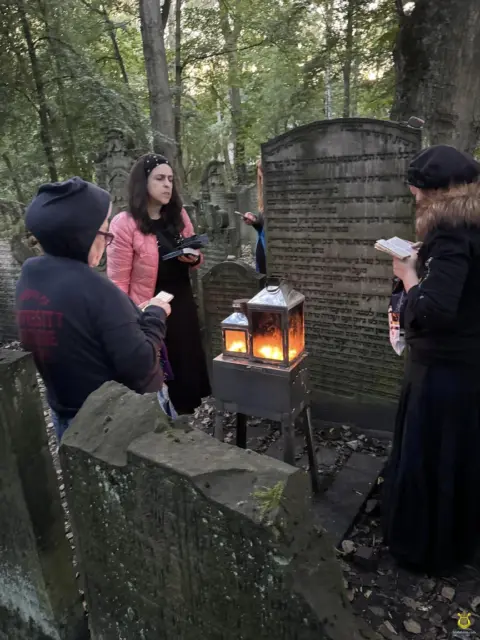
Grave
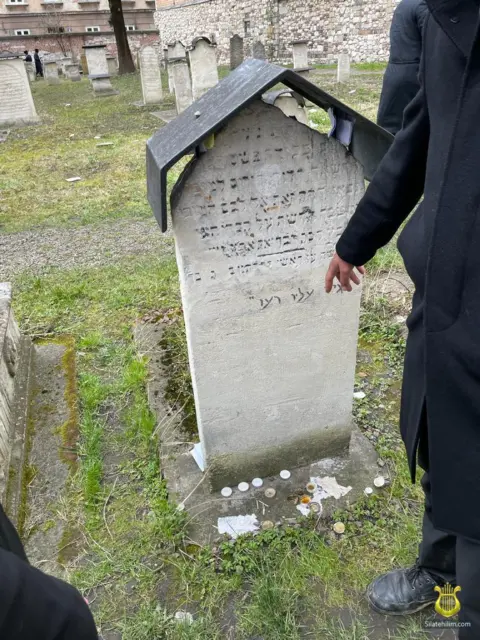
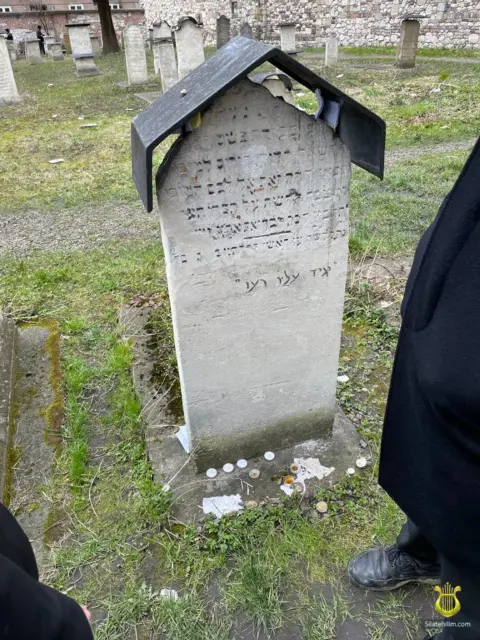
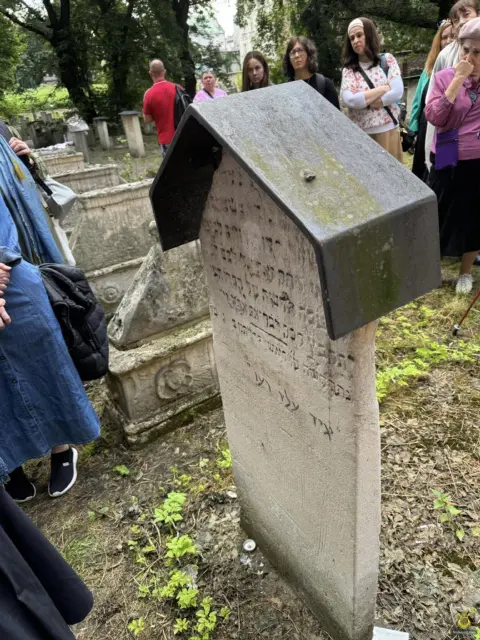
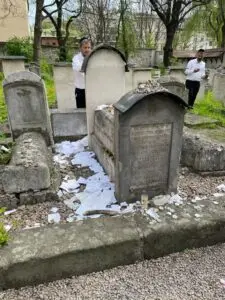
Tombstone in Krakow: יגיד עליו רעו – "his neighbor will tell about him"
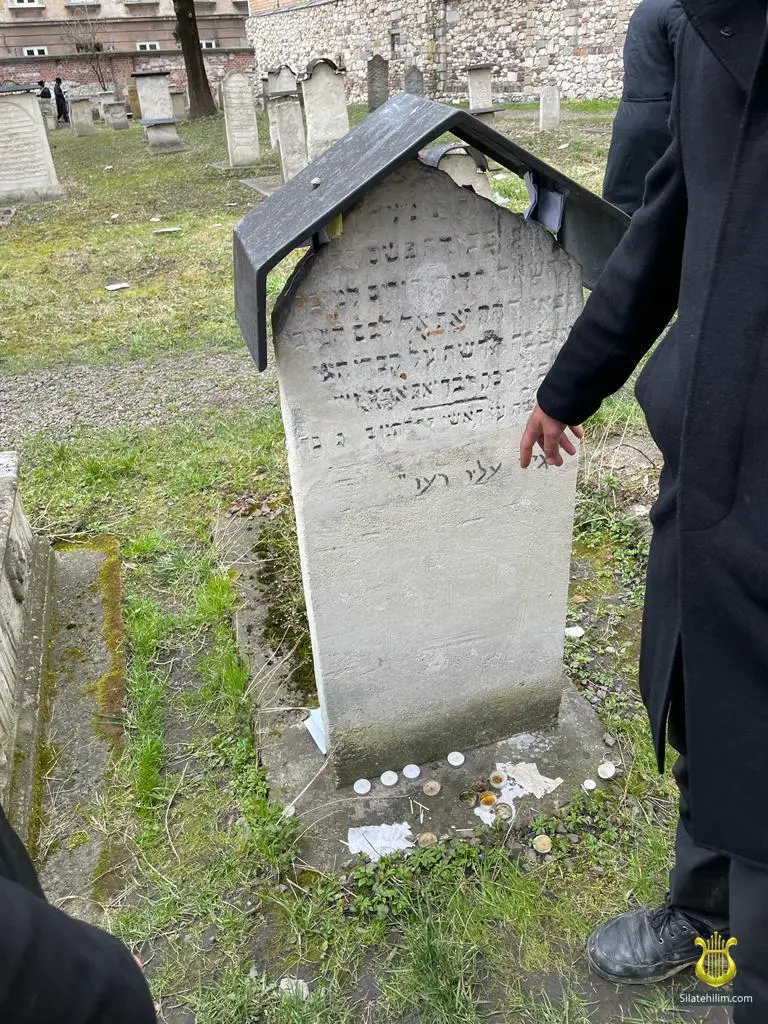
Tombstone in Krakow: יגיד עליו רעו - "his neighbor will tell about him"
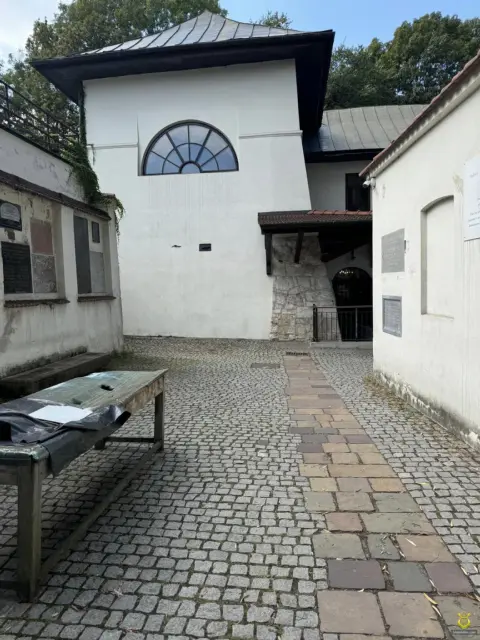
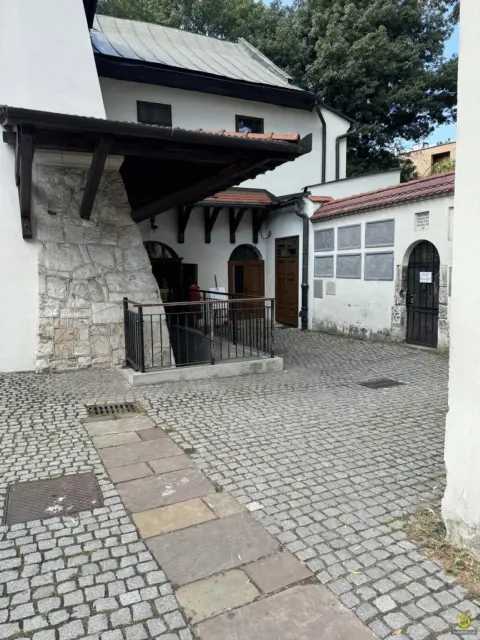
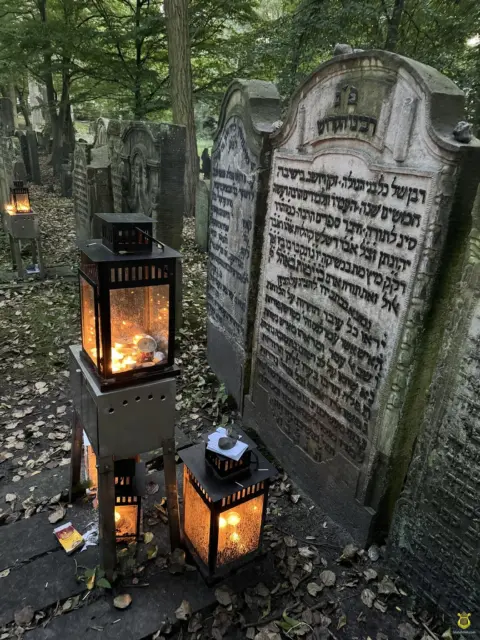
Burial place - Remuh Cemetery, Krakow, Poland
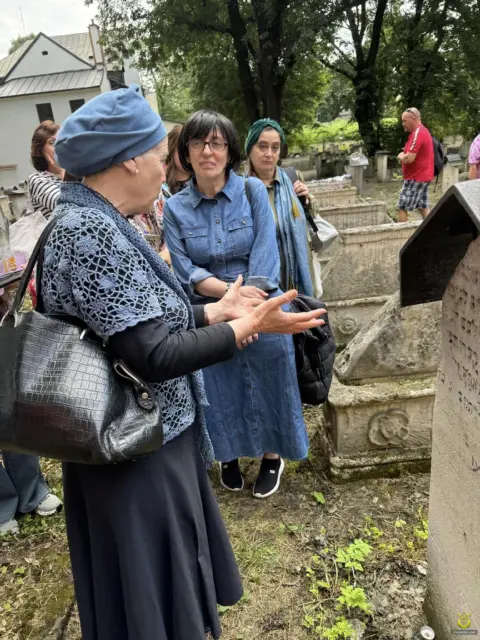
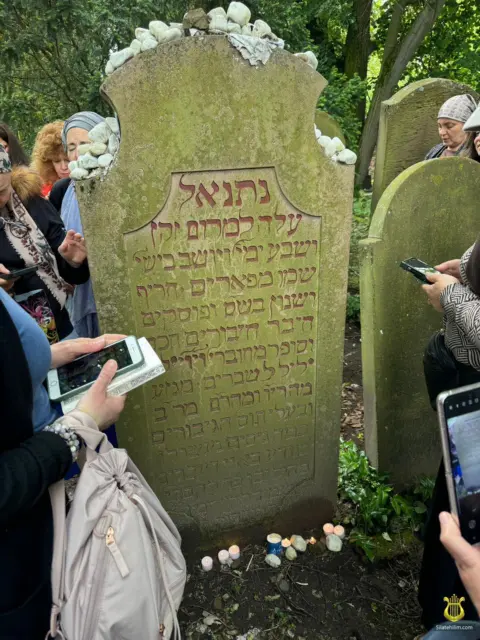
At the old Jewish cemetery in Remuh, Krakow, next to the resting place of the great Rabbi Natan Nata Shapiro, we noticed a grave with an unusual inscription: יגיד עליו רעו - we approached it, and Gaon Rav Yaniv Assuri told us the following story.
After the passing of Rabbi Natan Nata Shapiro, an unknown young man appeared in Krakow and asked the workers of the Chevra Kadisha to bury him next to the grave of Rabbi Natan Nata Shapiro. He offered a substantial sum for the plot. He was told that Rabbi Natan Nata Shapiro had asked that the area around his grave be left empty, and that, however much they might wish to, they could not bury an ordinary person next to the great "Megaleh Amukot." But the man pleaded again and again to be buried in that very spot, offering an enormous sum.
In the end a worker of the Chevra Kadisha agreed, thinking that no one but the two of them would ever know of this arrangement, and that given the young man's age, he himself would likely be in the cemetery long before the young man died, and it would all be forgotten.
The very next day the unknown young man died, and the Chevra Kadisha worker did not know what to do, but the holiness and merit of Rabbi Natan Nata Shapiro were so great that he decided to ignore his promise. The members of the Chevra Kadisha buried the unknown man on the edge of the cemetery, marking only the date of death on the tombstone.
That night the deceased came to the Chevra Kadisha worker in a dream and demanded that the promise be fulfilled, saying that otherwise he would turn to the Heavenly Court. The dream repeated itself several times, and the troubled worker went to the rabbi of the city, Rabbi Yoel Sirkis - the Bach, and told him everything. Rabbi Bach replied that the next time the unknown man came to him in a dream, he should tell him that he was inviting him to a din Torah before Rabbi Yoel Sirkis. The following night the deceased did indeed appear and agreed to the proposal of Rav Bach.
On the appointed day the members of the court assembled, and a special place was set aside behind a partition in the Beit Midrash for the deceased.
After both sides had been presented, and the deceased refused to identify himself, it was decided that things would remain as they were, and that if the deceased truly deserved to be buried next to Rabbi Natan Nata Shapiro, then let him move to that spot himself. At dawn the next day, the members of the Chevra Kadisha were horrified to discover that the deceased's grave was empty, and that a mound of earth had appeared beside the grave of Rabbi Natan Nata Shapiro.
And the workers of the Chevra Kadisha had to erect a tombstone over the unknown grave, on which was written:
"Here lies an avreich, no one knows who he is - his neighbor will tell about him."
Over the years the inscription on the tombstone faded, and later a phrase was added indicating the mysterious greatness of the man buried beneath it.
(From a trip to Poland to the "Kivrei Tzadikim" with Yeshiva "Yodei Bina")
Gallery