Skip to content
This English version of the site was translated with AI assistance. We apologise for any errors and are working to improve it.

Grave

Moshe ben Machir

author of "Modeh Ani Lefanecha"
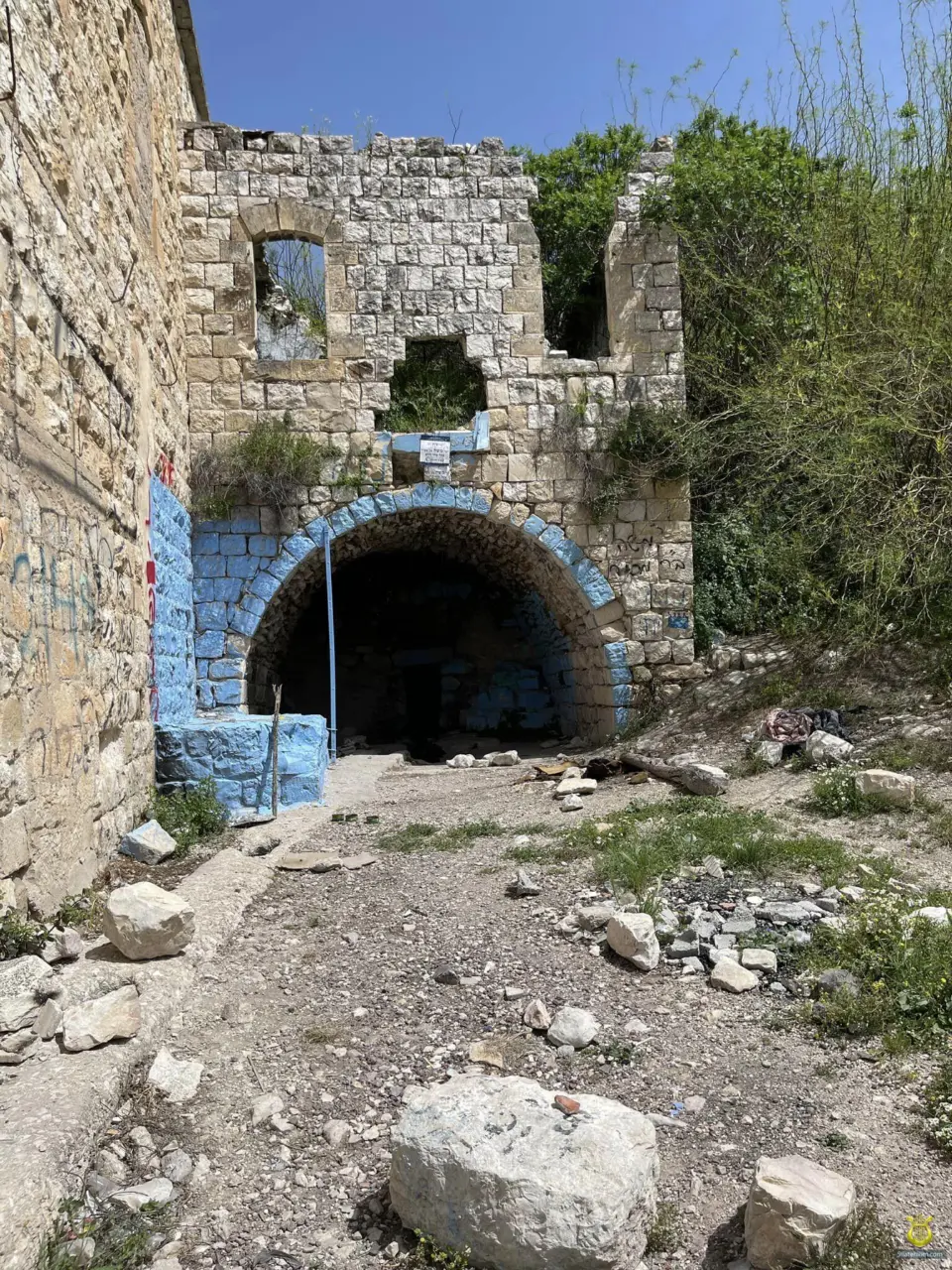
Grave Moshe ben Machir
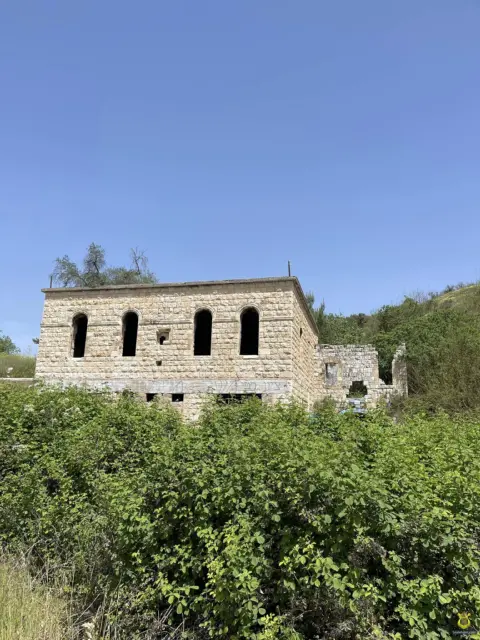
Moshe ben Machir - "Modeh Ani Lefanecha" Burial place - Ein Zeitim Rabbi Moshe ben Machir, or Moshe ben Yehuda HaMachiri, was the author of the first prayer of the Jewish day - the famous prayer "Modeh Ani Lefanecha." He was one of the great tzadikim of Tzfat, who lived about 400 years ago. His chaver was Rabbi Shmuel de Uzeda, author of "Midrash Shmuel" on Pirkei Avot. Ein Zeitim In his book "Chachmei HaSefaradim BeEretz Yisrael" (Sephardic Sages in the Land of Israel), Rabbi Shraga Weiss relates that the Arizal especially loved Ein Zeitim, and would usually go there to pray at the resting place of the Tanna Rabbi Yehuda bar Ilai. In Sefer HaChareidim, in the chapter devoted to the mitzvot connected with the Land of Israel, it is said that the residents of Ein Zeitim had a custom of reciting "Shir Yedidot" by Rabbi Yehuda HaLevi, which begins with the words: "The holy land shall be called favored... pleading with G-d not to exile them" from this holy place, filled with ancient glory, where Jews have poured out their prayers for hundreds of years. Yeshiva Rav Moshe ben Machir built a yeshiva here, which very quickly gained a great reputation throughout the diaspora. The yeshiva was based on 10 rules. One rule established shifts, so that Torah would be studied in the yeshiva at any time of day or night. Another instructed regular visits to the grave of Rabbi Yehuda bar Ilai to pray "for all of Israel." The yeshiva was located in Ein Zeitim starting in 1582 and moved to Tzfat after it was threatened by a "band of Ishmaelites" in 1601. It was there that he wrote his work "Seder HaYom." On the flyleaf of the first edition we read: "A work entitled 'Seder HaYom': a refined explanation of the prayers according to the four types of wisdom known by the acronym PARDES. Written by a man of G-d, wise and pious, Rav Moshe ben Machir of Tzfat." The book shows every Jew how to organize his day according to the ways of the Torah and the fear of G-d. It is intended for all segments of the population and deals, in particular, with the course of the day, from morning to evening, throughout the week, as well as on Shabbat, Rosh Chodesh, and on festival days.

Rabbi Moshe ben Machir wrote in the introduction: "This is why every person must push himself, day and night, at all times and every moment, so as not to lose a single moment of time on the vanities and pleasures of this world. From the moment he rises in the morning until he lies down to sleep at night, a person must manage his time in such a way that he strives only to fulfill the will of G-d. As for his own desires, they should be like those of Heaven: correct and pure." "This is why I felt the need — I, Moshe, son of Yehuda of the house of Machir — to write this book, which I have called "Seder HaYom" [literally "The Order of the Day"], because in it I deal with how a person should manage his days and nights, his Sabbaths and festivals throughout the year — whether at home or away — from lying down to rising." "Seder HaYom" spread throughout the diaspora, and was cited by all the poskim of previous generations who dealt with the laws concerning daily life. Rabbi Moshe ben Machir gave substantial promises to all who studied his book and followed its advice in daily life: "I am certain that by adopting such a daily routine, a person will be beloved by G-d and by people. He will succeed in everything he undertakes, will conduct himself impeccably, will reach old age, will see children and grandchildren, and will merit to fulfill the will of G-d. This is the right path for all." It was first printed in 1599 in Venice. It is the source of many customs practiced today, including the prayer "Modeh Ani."

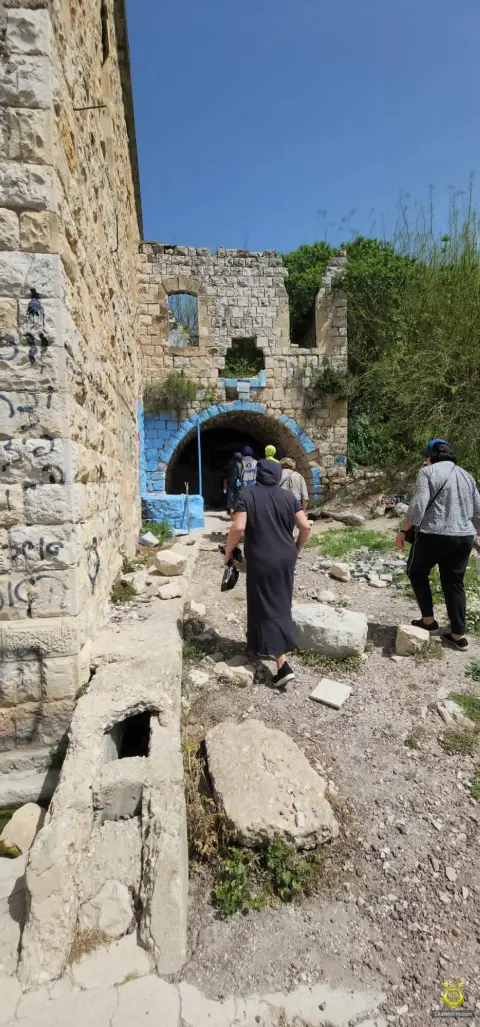
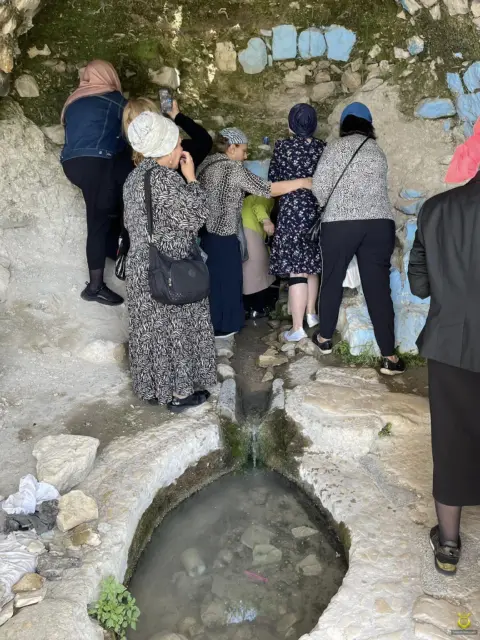
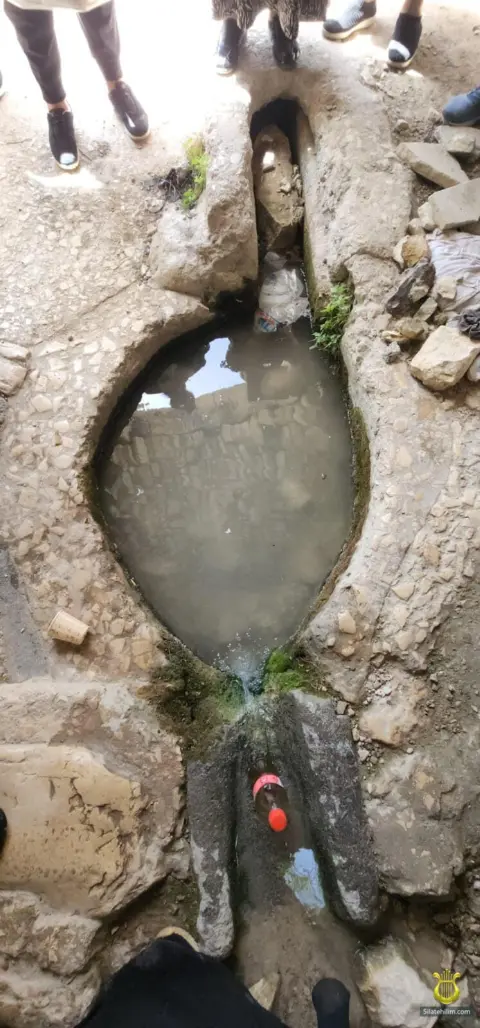
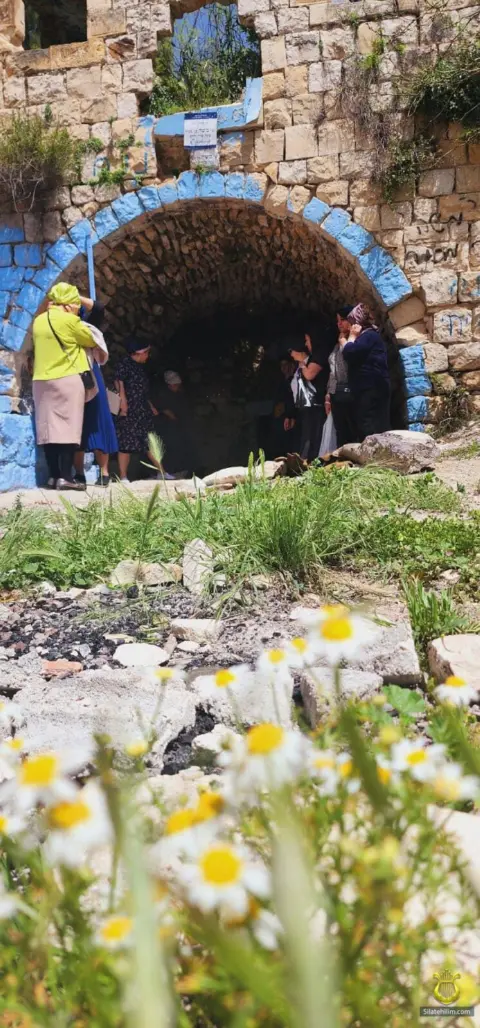
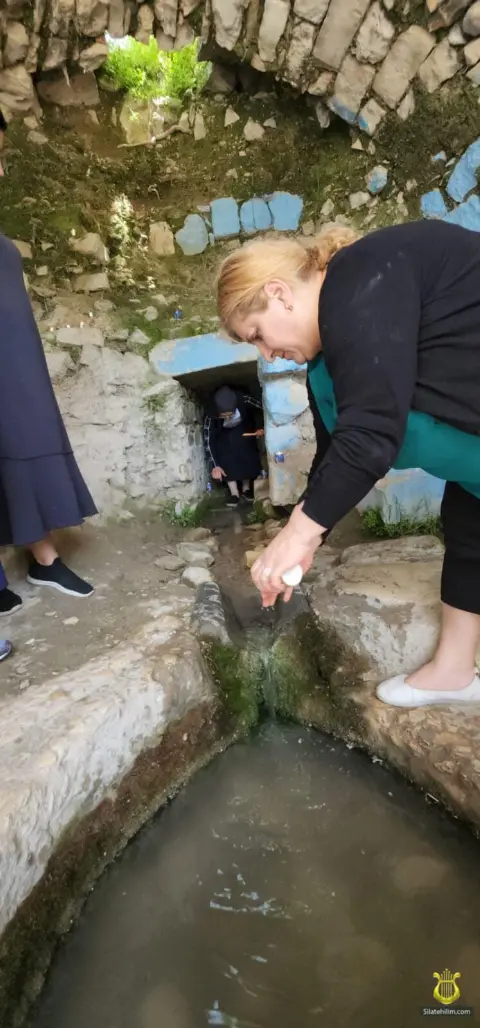
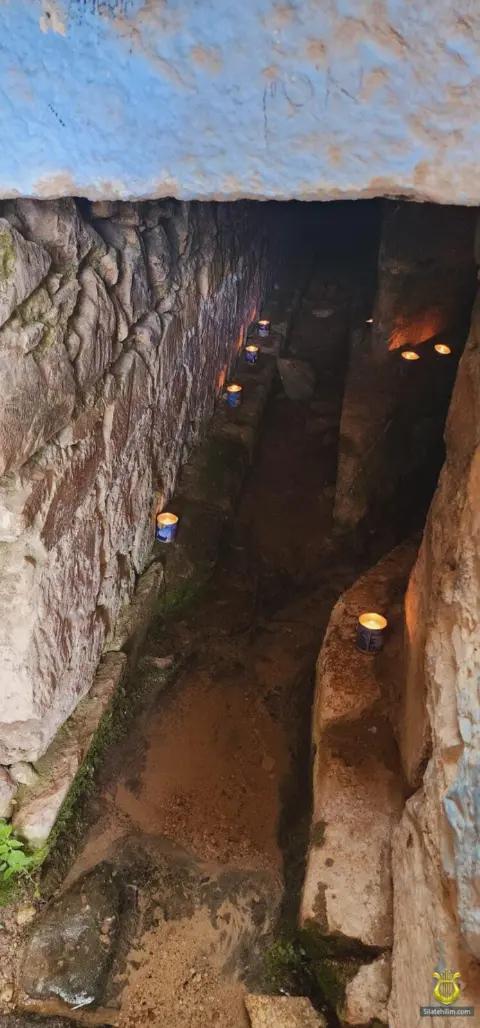
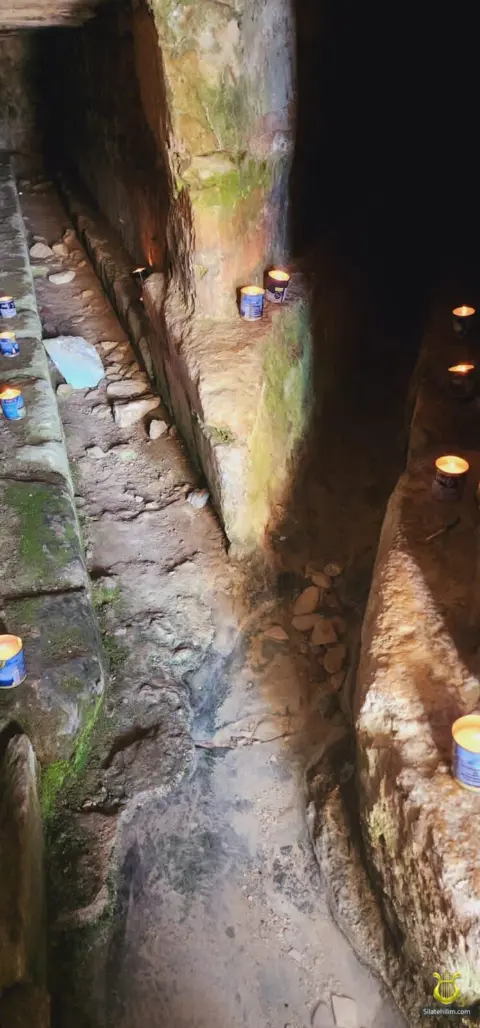
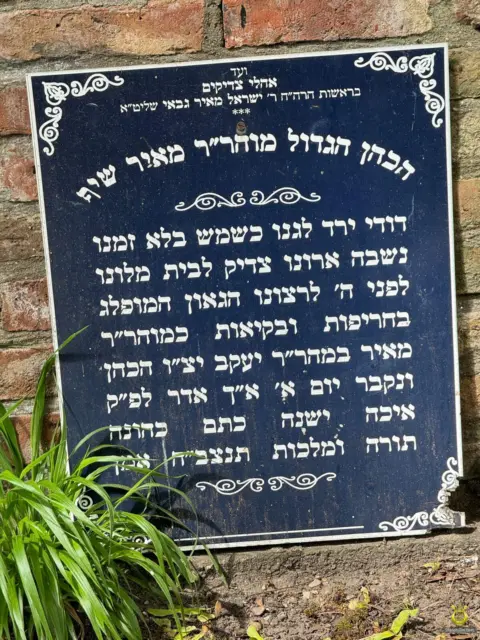
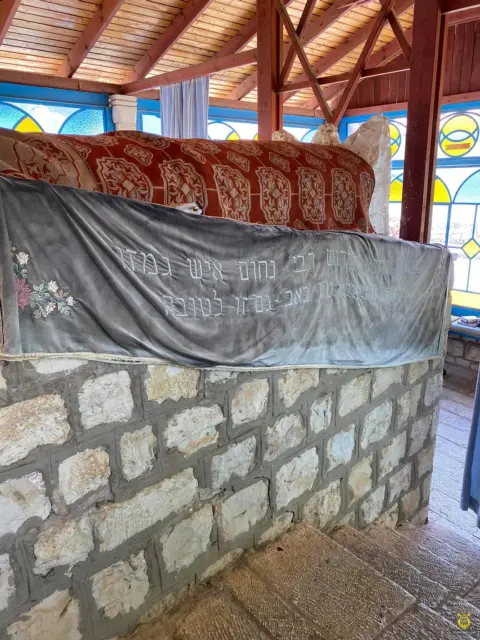
Grave The grave of Rabbi Moshe Ben Machir is a cave with two narrow passages, leading to a mikveh, whose water comes from a holy spring. Great Mekubalim used to come to immerse in this mikveh; today, yeshiva students immerse in it (passing through the narrow passages - see photo). May the merit of the tzadik protect Am Yisrael! https://www.hevratpinto.org/tzadikim_eng/102_rabbi_moshe_ben_machir.html

Gallery

Grave Moshe ben Machir Grave Moshe ben Machir Grave Moshe ben Machir Grave Moshe ben Machir Grave Moshe ben Machir Grave Moshe ben Machir Grave Moshe ben Machir Grave Moshe ben Machir

Other graves