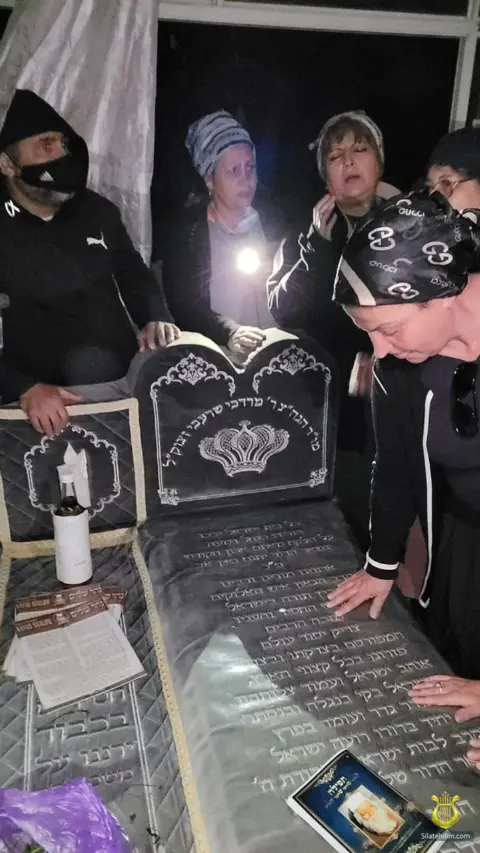
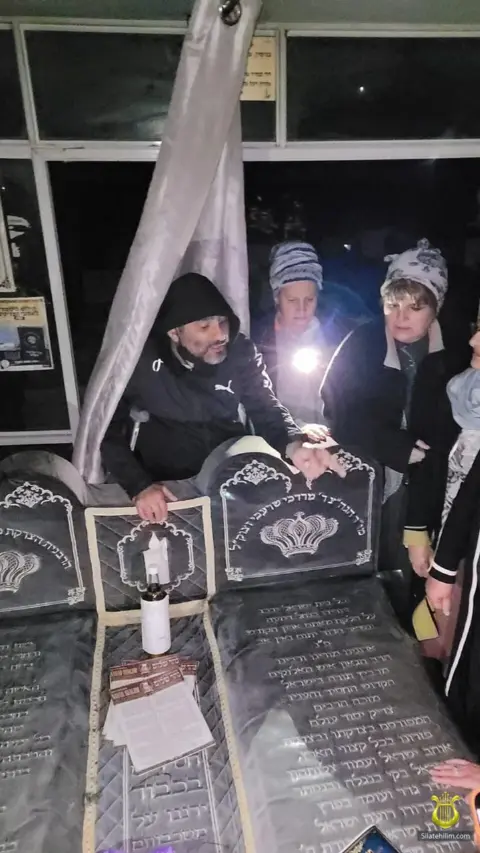
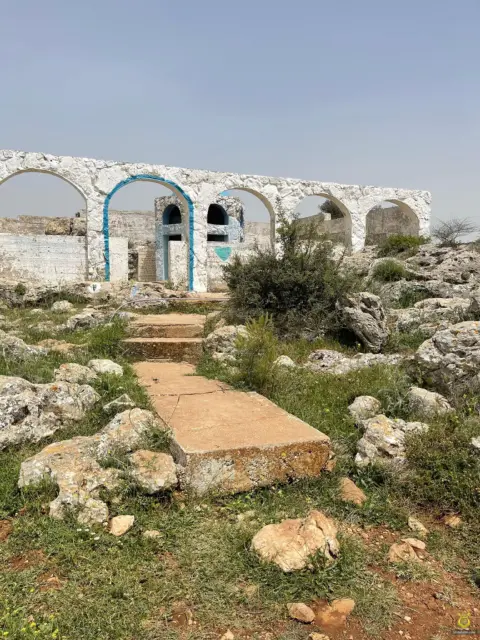
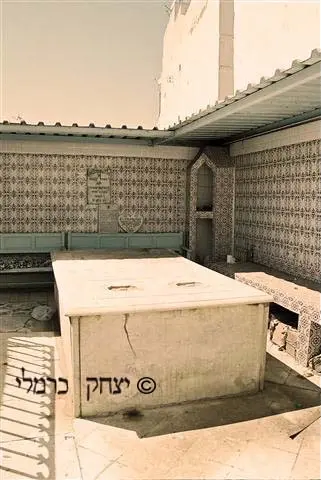
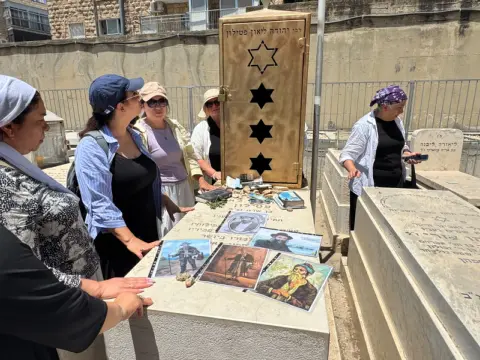
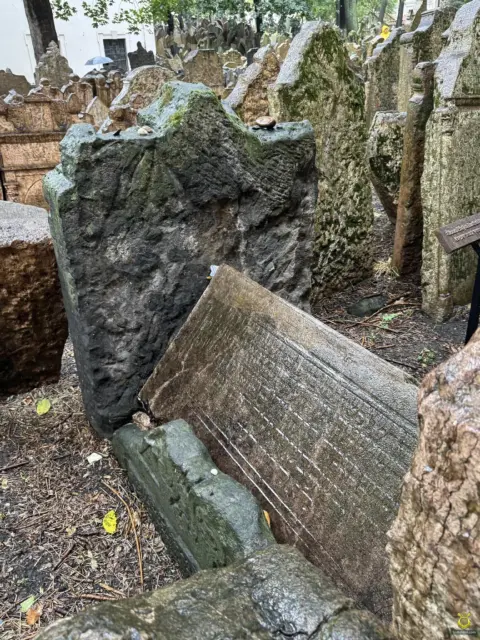
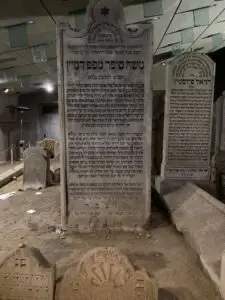
Grave
Mordechai Sharabi
Ramash - Mekubal
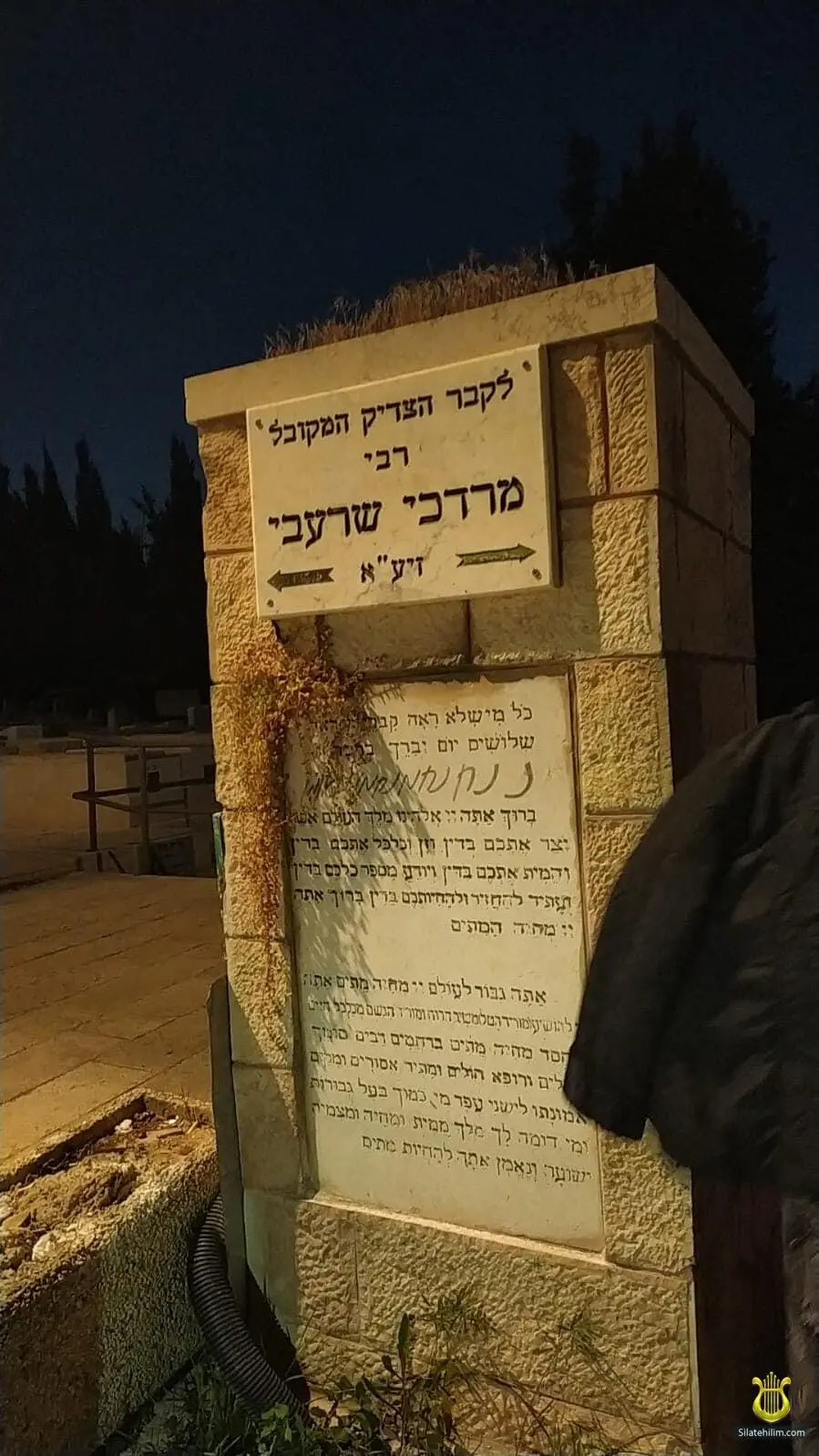
Yahrzeit (Hillula)
- 20 Cheshvan — - Yahrzeit of Rabbi Mordechai Sharabi - Ramash
Rabbi Mordechai ben Yefet Avraham Sharabi
Yahrzeit - 20 Cheshvan;
Resting place - Har HaMenuchot.
Segula - the strongest Melave Malka - according to the Seder of the Mekubal Mordechai Sharabi - on our website in the "Books" menu section you can download the entire Seder - 17 candles and 13 prayers with the recitation of the Names of the Tzadikim - protection for the whole week.
The Cursed Building
He was born in Yemen and lost his parents, one after the other, at the age of 2. The Arabs in Yemen used to take Jewish orphans in order to convert them to Islam. What did the Jews come up with? They would arrange shidduchim for such children, and the Arabs, respecting this custom, would leave these Jewish children alone.
At the age of 8 he began teaching Torah to children, and by 15 he knew the entire Shas, the Shulchan Aruch, and all of the Rambam. At 15 he became a Dayan.
Why was the Yemenite Torah tradition so strong? They had no books - the whole community lived in dire poverty, with only a single Torah scroll. Children would sit in a circle with a stone placed under their chin so they would not get distracted, and thus the little ones learned the Torah by heart, verse by verse.
For 6 years he fasted from Shabbat to Shabbat and broke his Yetzer Hara.
In Jerusalem, on Agripas Street, there is a kabbalistic yeshiva called "Nahar Shalom." The yeshiva was founded by Rabbi Mordechai Sharabi in honor of another great Yemenite kabbalist - the Rashash - Rabbi Shalom Sharabi.
Next to the yeshiva building stands the famous Jerusalem "Cursed Building." According to legend, Rabbi Mordechai Sharabi cursed the building because, when it was built, it was very tall compared to the neighboring houses and blocked the sunlight. After the contractor refused to stop construction, the rabbi placed a curse on the site, and the outcome proved to be no joke: most of the businesses that opened there went bankrupt and closed.
It is known that the Admor of Belz studied Kabbalah with Rabbi Mordechai Sharabi.
The Motorcycle That Kept Shabbat
One Shabbat, the Ramash was walking home from the synagogue for the meal, accompanied by his students. Suddenly a motorcyclist appeared and began doing reckless tricks, making a lot of noise and provoking the yeshiva students.
The students began to grumble, to which Rav Sharabi said:
- Why do you blame him - blame the motorcycle instead, it's the one riding around and making noise.
The motorcyclist, who had turned around and decided to ride between the rabbi and the students once more, suddenly stopped dead in his tracks - the motorcycle would not move.
Rabbi Mordechai Sharabi walked up to him and said:
- Listen, son, your motorcycle won't move from this spot anymore - it's keeping Shabbat now. The motorcyclist smirked and tried to start the motorcycle, but in vain. Rav Sharabi went home, and the students approached the motorcyclist and said:
- You'd better go and ask the Rav's forgiveness, and then your motorcycle will start.
The motorcyclist came to the Rav and asked for forgiveness. The Ramash said:
- I'm not upset with you, I already forgave you back then. Look, after the Shacharit prayer there will be a Kiddush, stay for it, then you can go.
The young man stayed and sat impatiently through the meal, eager to get back to his motorcycle.
When the meal ended, he said to the Ramash:
- Well, that's it, I'll be going, Rav.
To which the Rav replied:
- I know you're eager to get to your motorcycle, but your motorcycle is keeping Shabbat.
The young man smirked and hurried to his motorcycle, tried to start it - it wouldn't start. He returned to the Ramash in confusion, and spent Mincha and Seudah Shlishit with him. After Havdalah, the Ramash said to him:
- Now you may go back. Just know this - your motorcycle will run 6 days a week, and rest on the 7th.
The young man rushed to the motorcycle - and it started. He couldn't believe his eyes.
He rode home - the first week, the motorcycle started every day of the week except Shabbat; the same thing happened the second and third week.
He decided to go to the Ramash again:
- Rav, my motorcycle doesn't start on Shabbat - and this is no longer a joke.
- Of course it's not a joke, son. Your motorcycle already keeps Shabbat - now it's your turn. Stay, and learn Torah with us.
From that day on, the young man began doing teshuva and became one of Rabbi Mordechai's students.
Emuna
"And it came to pass on the sixth day, that they prepared that which they had gathered" (Shemot 16:22).
The times of the founding of the State of Israel were very difficult. Hunger was the lot of many families, and the family of the tzadik and kabbalist Rav Mordechai Sharabi was no exception. The Rav, however, was completely immersed in study and paid no attention to any of the hardships. But one Friday turned out to be especially hard: it was already noon, and there was nothing at home for Shabbat - no wine, no challah, let alone fish or meat. The Rebbetzin sighed bitterly, resigning herself to the fact that their Shabbat would be just like an ordinary weekday.
Then the Rav lifted his eyes from his book and said: "Preparing everything necessary for the holy Shabbat is a mitzvah."
He got up from his chair and put on his coat. Outside it was pouring rain, and the tzadik went out of the house, relying completely on Ha-Shem.
He went down the steps, stood at the edge of the sidewalk, and began to think: which way should he go, right or left? And whom could he turn to, whom could he go to?
Meanwhile the rain grew even heavier. Then he thought: "Ha-Shem, Who will help me whether I go right or left, will help me right here, on this very spot!" He decided to stay where he was and ask Ha-Shem for help. Any moment now, someone would come and give him everything he needed. He had not the slightest doubt about this!
The rain kept pouring, and streams of water flooded the road.
Suddenly Rav Sharabi saw a small stone being carried along by the water. The stone rolled up and stopped at his feet. While the Rav was looking at the stone, the water brought a scrap of paper, which caught on the stone and wrapped around it. Looking more closely, the Rav saw that it was not just paper, but a ten-lira banknote! (About three hundred shekels in today's money...)
The tzadik bent down, picked up the banknote, and returned home. Beaming, he handed his wife the Creator's gift - which was more than enough for both Shabbat and the entire week that followed! (Translated by Leah Shuchman)
May the merit of the Tzadik protect our people!
(From the website "Tzadikim.com")
Gallery