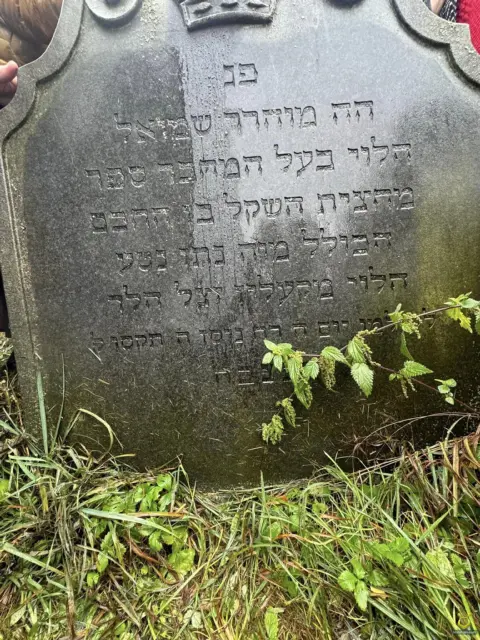
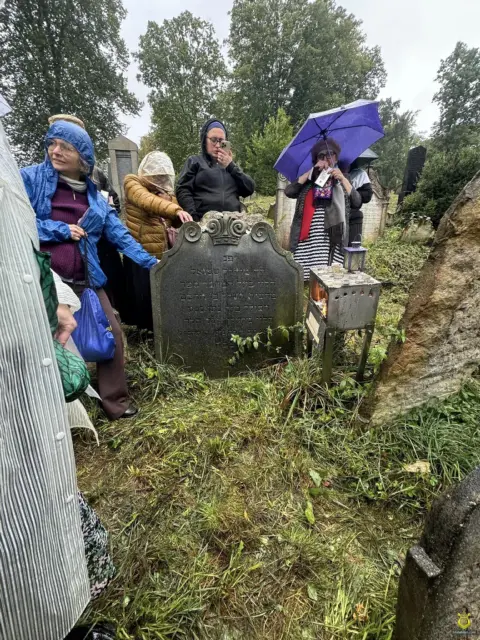
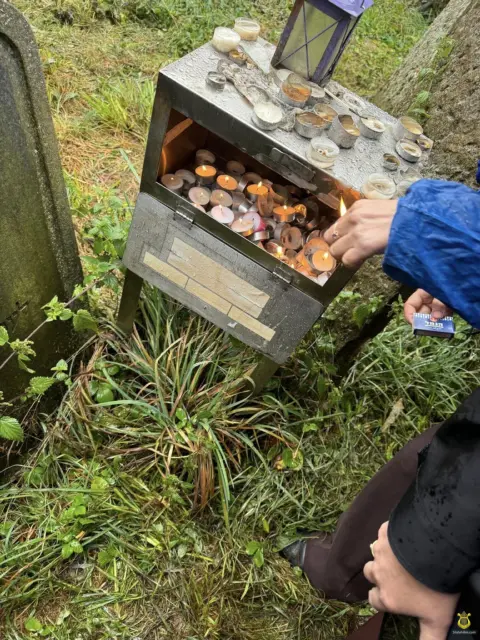
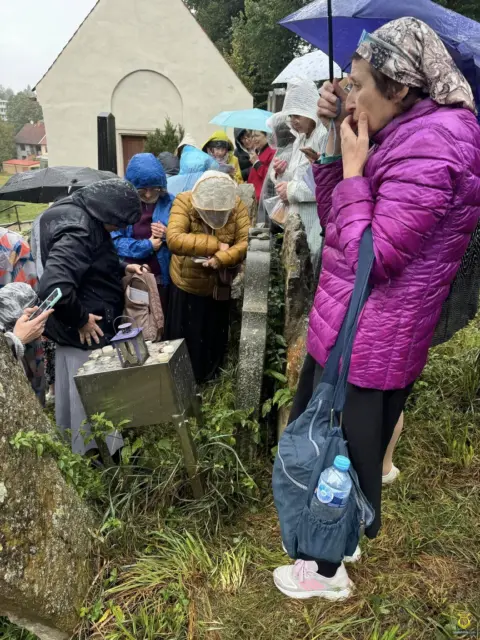
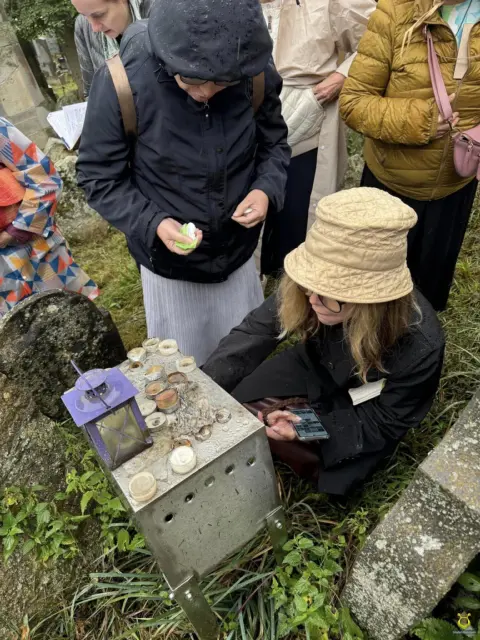
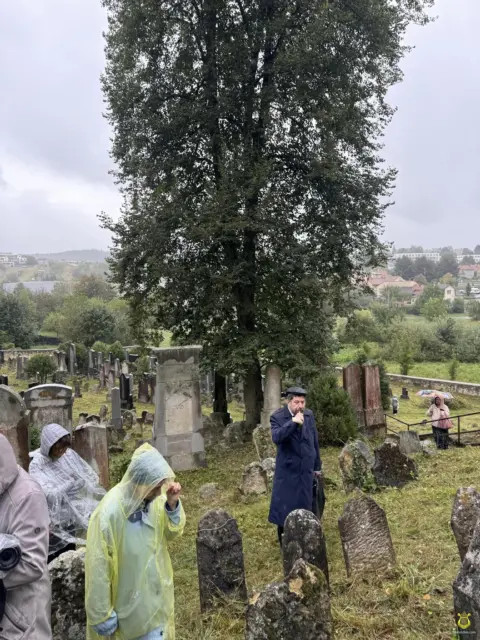
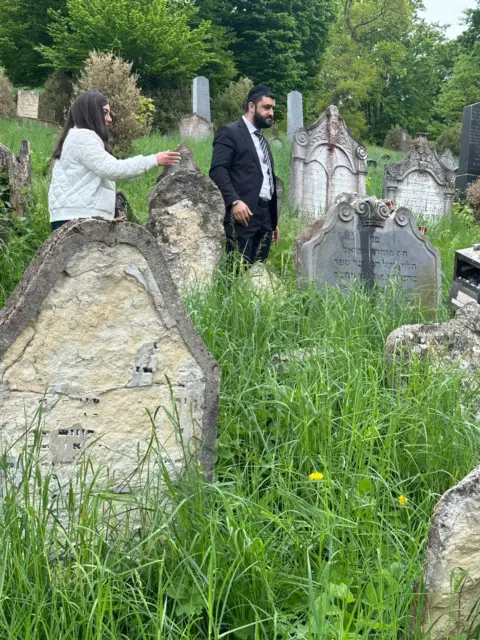
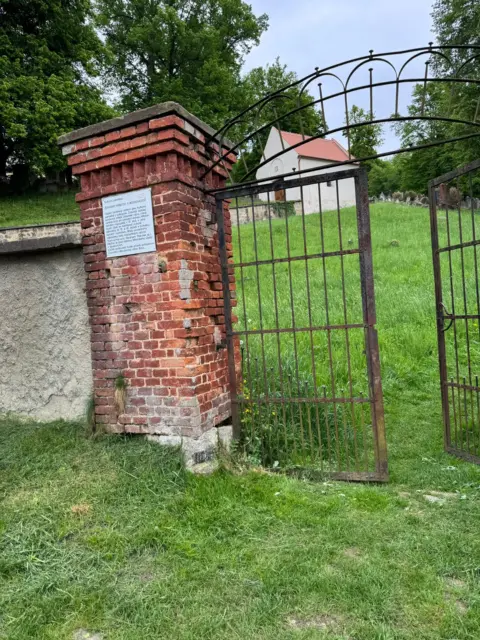
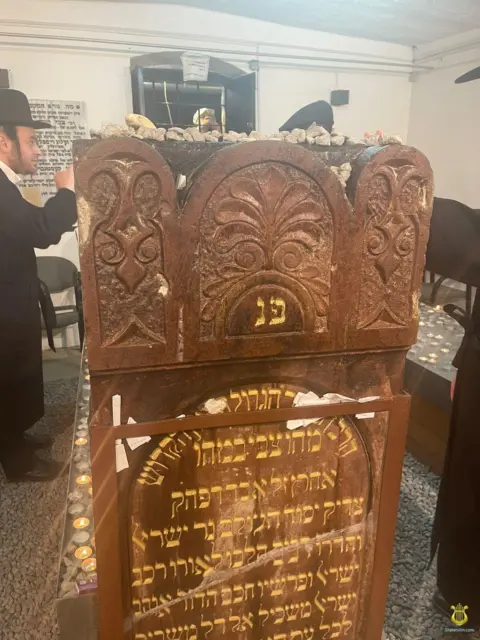
Grave
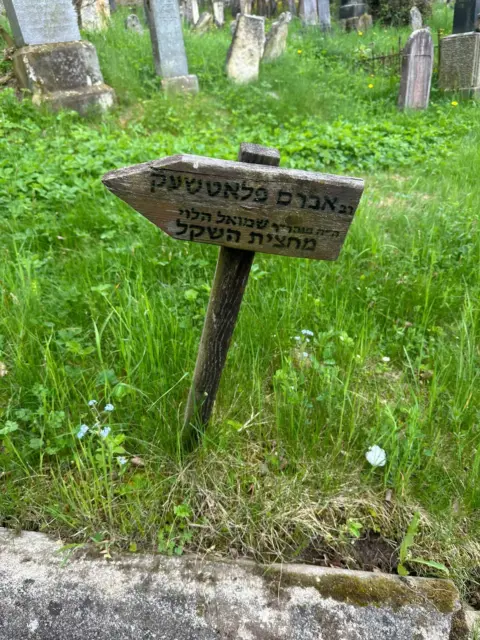
"Machatzit HaShekel"
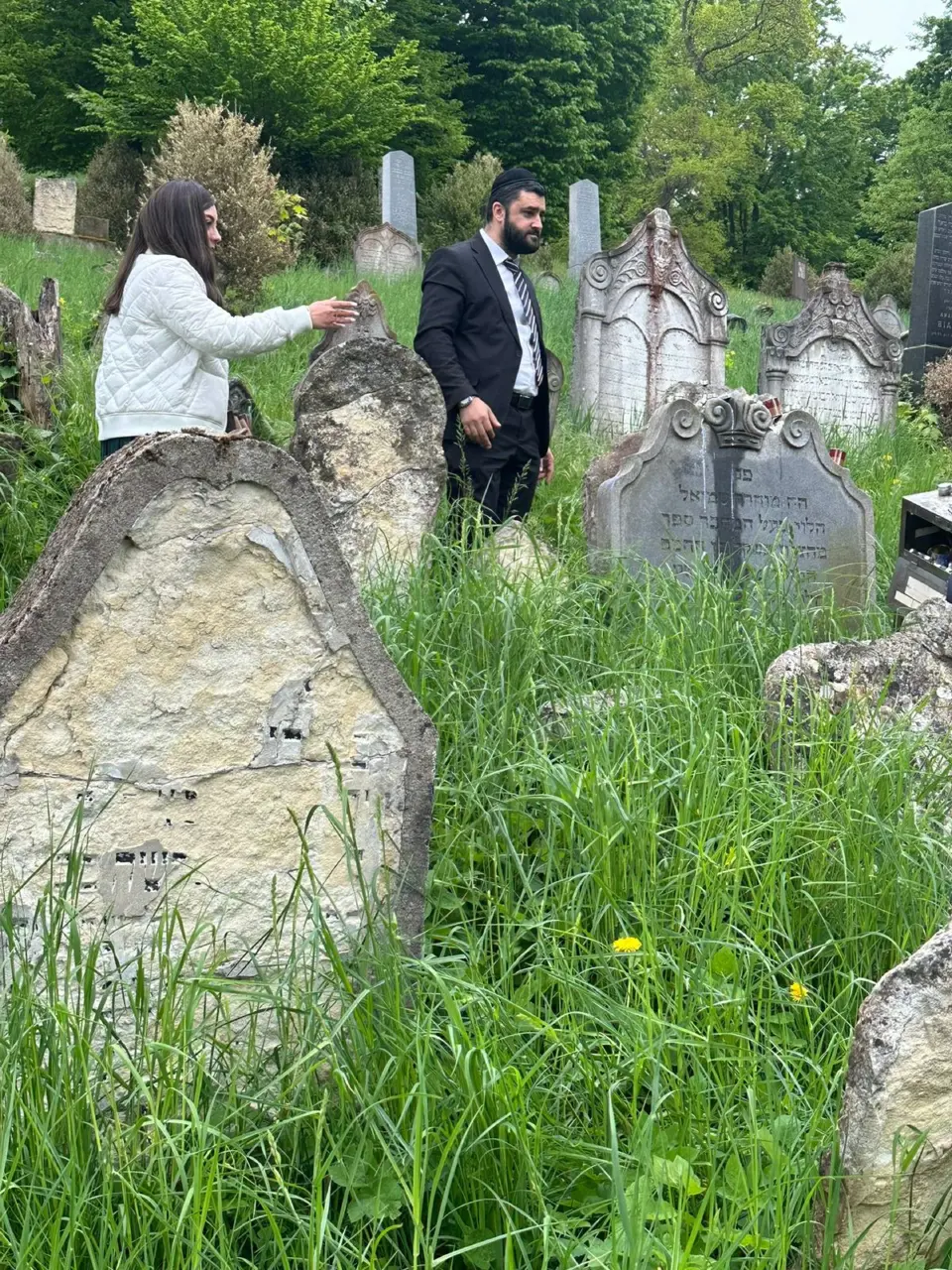
Yahrzeit (Hillula)
- 1 Nisan — Rabbi Shmuel Kolin of Boskovitz - the "Machatzis HaShekel"
Gaon Rabbi Shmuel ben Natan Note HaLevi of Kolin (Bohemia), author of "Machatzit HaShekel" (1720–1806)
Yahrzeit – 1 Nissan
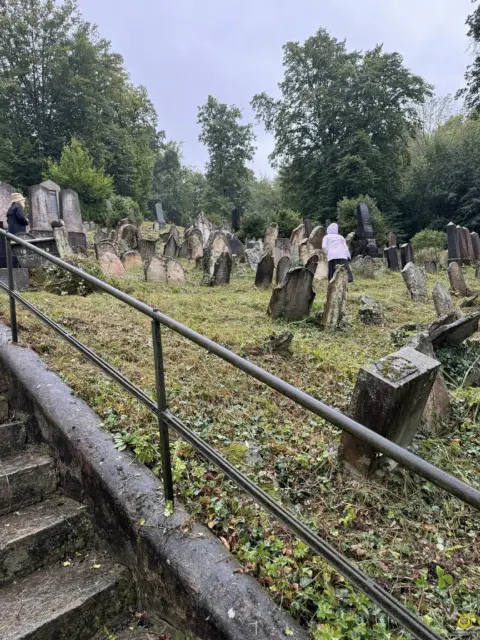
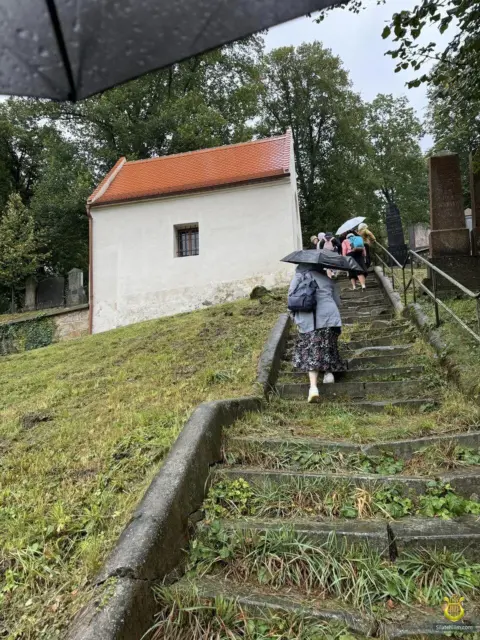
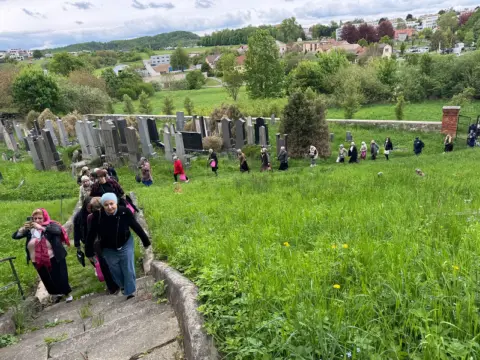
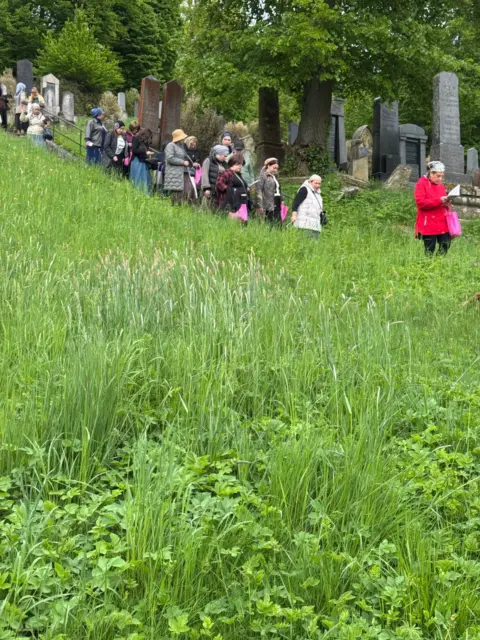
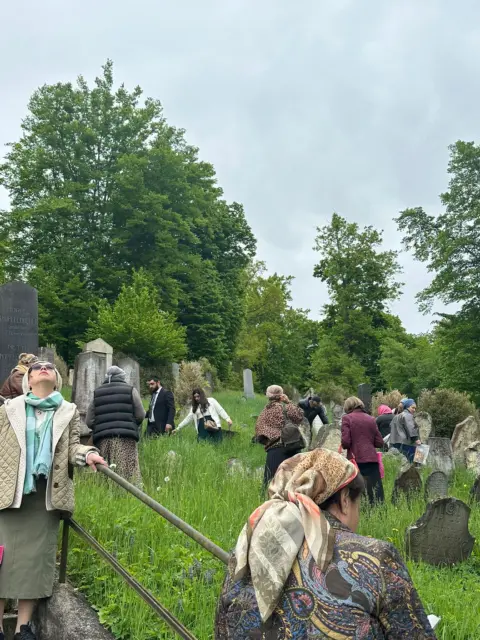
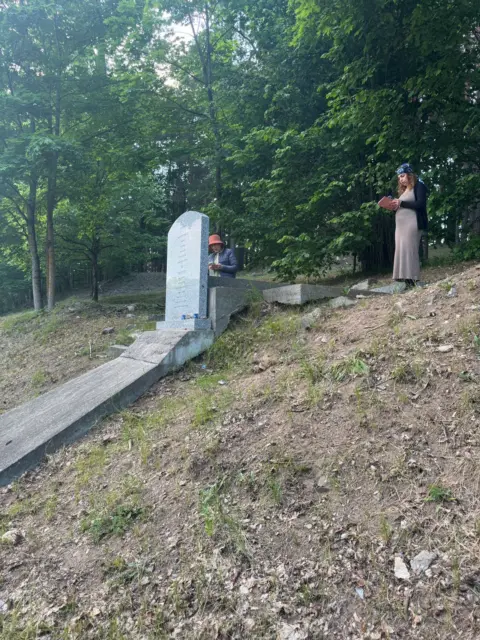
Resting place – Boskovice, Moravia, Czech Republic
He was a Talmudist and halachist, best known for his work "Machatzit HaShekel."
He was the beloved friend of Maran the Chatam Sofer, who corresponded with him on matters of halacha and Torah insights.
The son of Natan Note HaLevi, he was born in Kolin, Bohemia.
For nearly 60 years he headed the yeshiva in Boskovice, Moravia, where he passed away on May 20, 1806.
He held the title of Av Beit Din of Boskovice, and later of Prostějov.
Rabbi Shmuel had 3 sons and 3 daughters: Binyamin Zev HaLevi (Wolf) Boskowitz (1746–1818), Yaakov (c. 1750–1833), Yehuda (c. 1751–1800), Sarah (Hinda) who married Marcus (Mordechai Loeb) Wassertrilling of Boskovice, and Esther who married Bernhard Biach. His son Wolf Boskowitz delivered the eulogy at his funeral.
His works were published under the title "Machatzit HaShekel" and appear today in most editions of the Shulchan Aruch.
An extensive super-commentary on the "Magen Avraham" of Avraham Abele Gombiner on the Shulchan Aruch, Orach Chaim (Vienna, 1807–1808; 2nd ed. 1817)
A super-commentary on the "Shach" on the Shulchan Aruch, Yoreh De'ah, Hilchot Niddah (Lemberg, 1858) and Hilchot Melicha (1860)
Tzadikim Stories
Saving the Community from a Pogrom
Rabbi Shmuel ben Natan HaLevi lived in Boskovice, Moravia, which was then part of the Austro-Hungarian Empire. Unfortunately, blood libel accusations were brought against the Jews of Boskovice. The accusations nearly led to a pogrom. Specifically, it was claimed that a non-Jewish child had been murdered so that his blood could be added to the Passover matzah. Rumors spread that the knife found next to the child's body belonged to the town rabbi—Rav Shmuel himself. Rav Shmuel was imprisoned pending trial. When Rav Shmuel was brought forward as a witness, he was asked whether the knife belonged to him. Against his lawyer's advice, he answered that the murder weapon was indeed his knife, but that he had no idea who had killed the child. His lawyer resigned. Others tried to convince him to deny ownership of the knife, but he refused. The judge gave him another opportunity to deny it, but to no avail.
Rav Shmuel would not lie. He remained adamant that it was his knife.
The judge then turned to those gathered in the courtroom and said: "There is no doubt that this is an innocent man, because his honesty is putting him at risk." Then the prosecutor stood up and stated that he had another witness. The prosecution's witness testified: "I have been to the rabbi's house many times and am thoroughly familiar with all the knives in the rabbi's home. I can state with complete certainty that the knife used in the murder has a very thin cavity above the upper opening of the blade, and I have seen this very weapon in the rabbi's house!" The judge examined the knife and confirmed that it was exactly as the witness had described. The Jews in the courtroom were horrified. The judge asked Rav Shmuel: "What do you have to say now?" The Rav answered: "Now I wish to amend my earlier testimony." The judge said: "Are you mocking this court? You cannot change your testimony." The Rav replied: "I still maintain that the knife is indeed mine. But earlier I stated that I had no idea who killed the child. Now I believe I have an idea." He pointed at the witness. "Anyone could come to my house and find out what knives I own. But only one knife found here has that peculiar cavity described by this so-called witness. I believe the only possible way this witness could have known about the cavity above the upper opening of the blade is if he himself had held it in his hands," the rabbi continued. At that, the witness confessed to the child's murder. Had Rav Shmuel lied and claimed the knife was not his, he would have been suspected of lying once the witness was able to accurately identify the knife as the Rav's. And then no one would have believed him when he subsequently accused the witness of the murder. Thus, through his unwavering commitment to truth, Rav Shmuel saved both himself and the entire community from a blood libel.
May the merit of the tzadik protect Am Yisrael!
(https://www.theyeshivaworld.com/news/headlines-breaking-stories/2097762/how-the-author-of-the-machatzis-hashekel-averted-a-pogrom.html)
Gallery