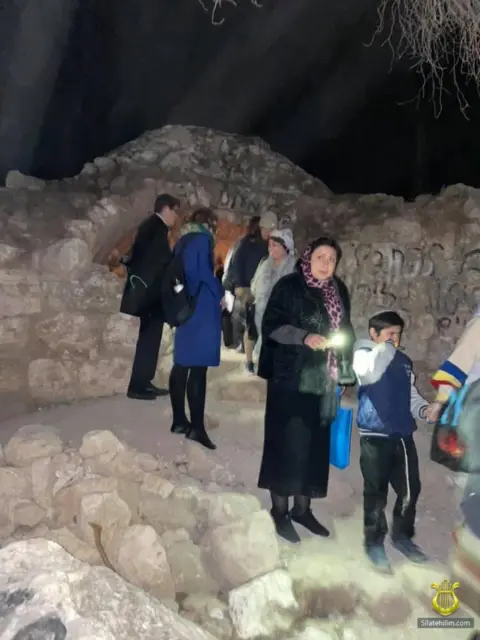
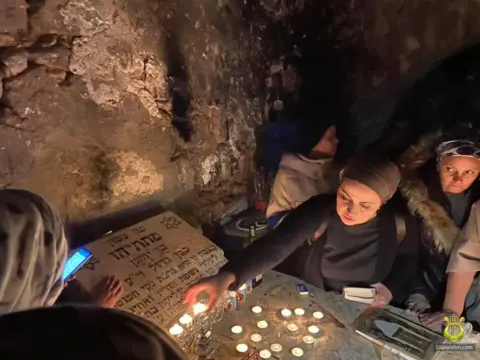
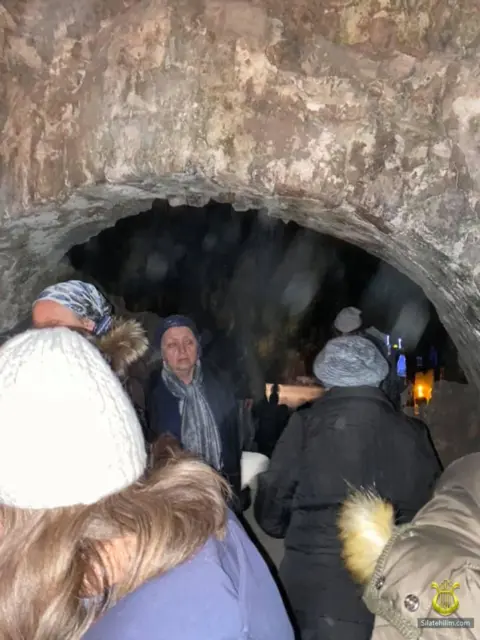
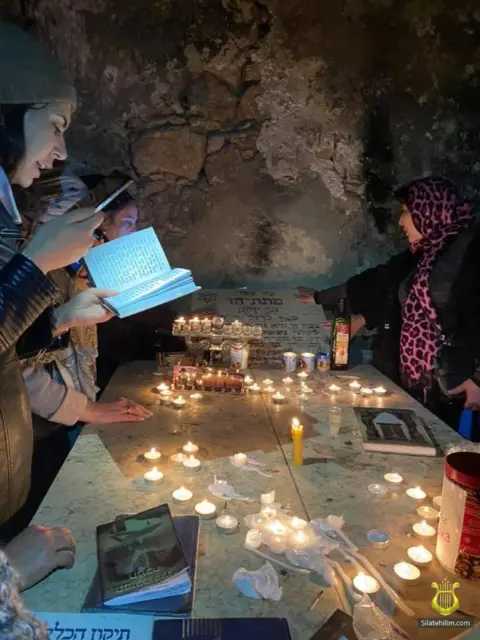
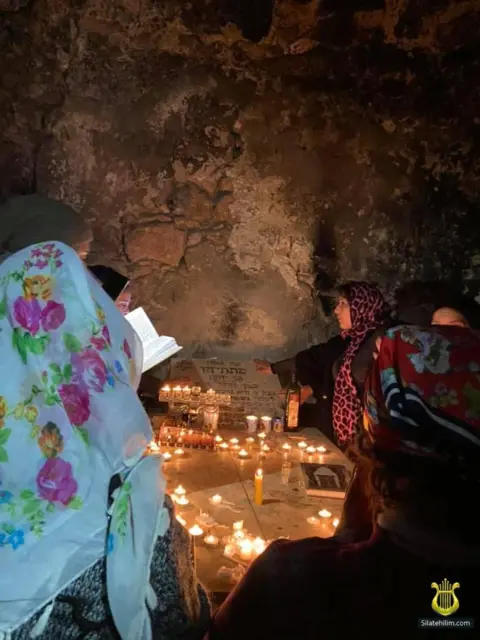
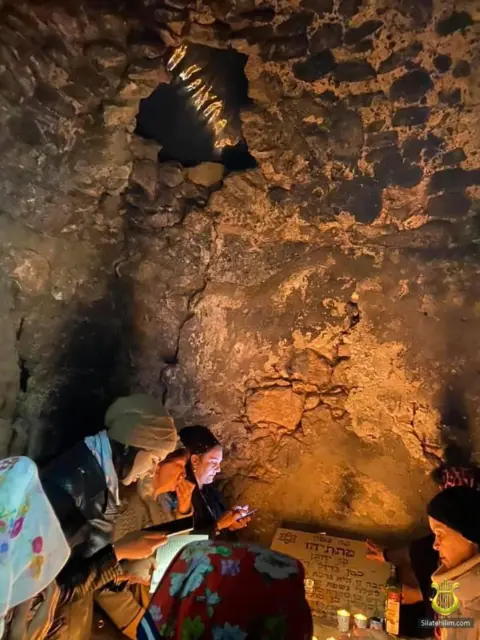
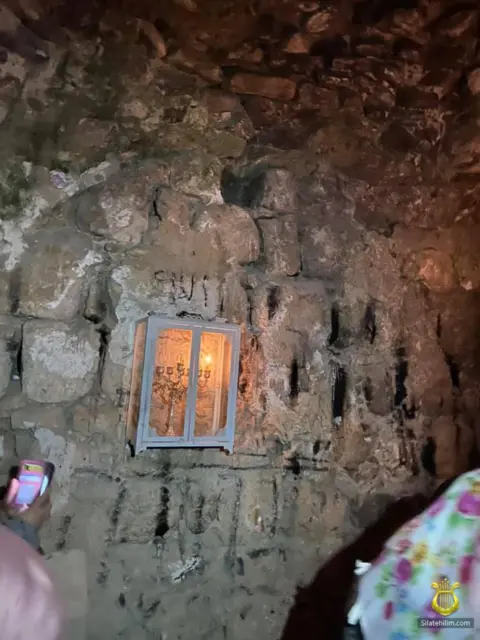
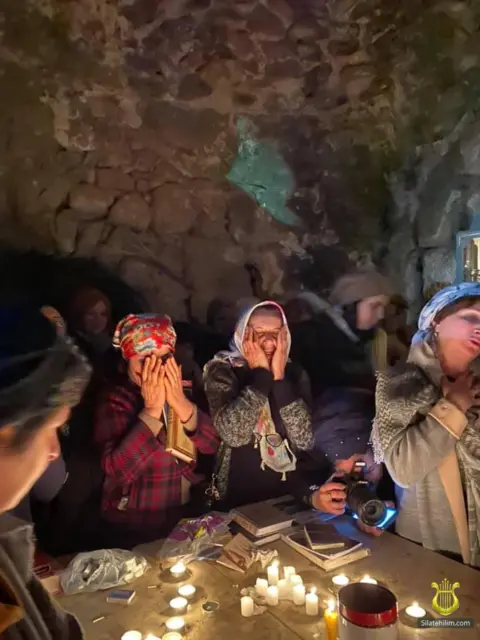
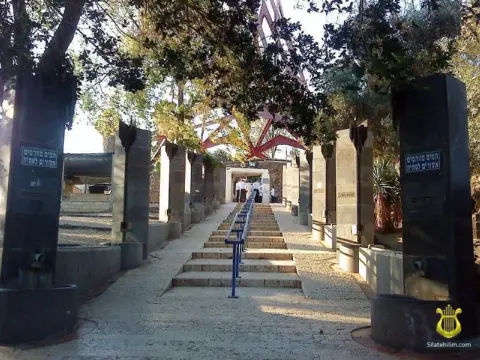
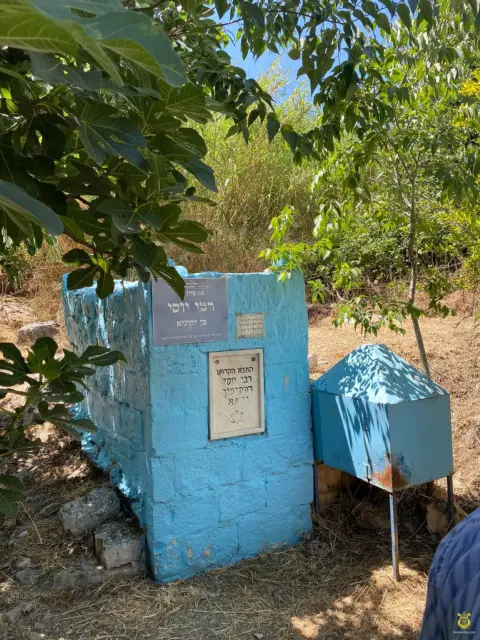
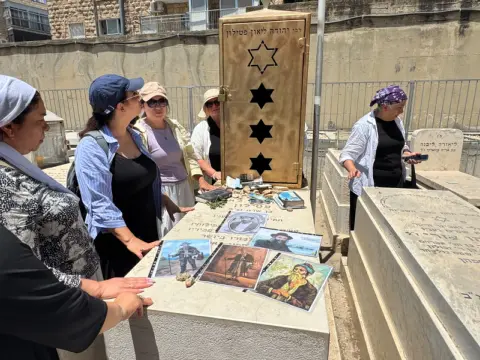
Grave
Mattityahu HaCohen HaGadol
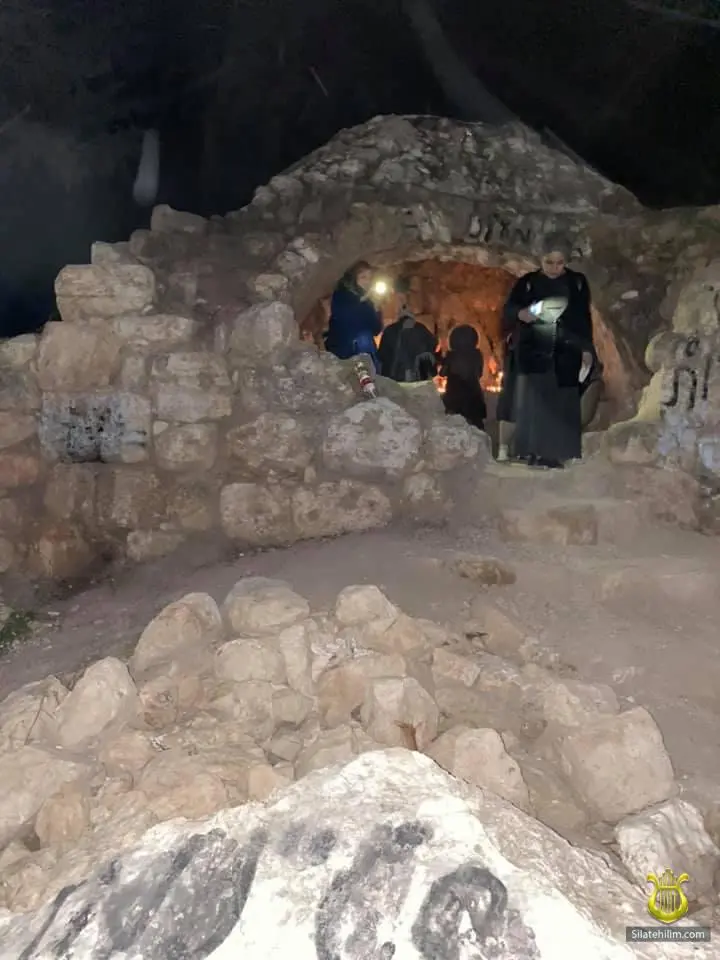
Yahrzeit (Hillula)
- 15 Cheshvan — Mattityahu ben Yochanan Kohen Gadol
Mattityahu ben Yochanan HaCohen HaGadol - Chashmonai
Yahrzeit - 15 Cheshvan;
Burial place - Mevo Modiin;
Mattityahu ben Yochanan was the leader of the Jewish revolt against the Greeks in the era of the Second Temple. He is the central figure of the holiday of Chanukah.
After the death of Alexander the Great, the lands of the Middle East were divided among various rulers. In the north, Syria was ruled by Antiochus Epiphanes, who eventually became ruler over the Land of Israel as well. Antiochus saw himself as a representative of Greek (Hellenistic) culture, which he wanted to spread throughout his empire.
Jerusalem, the spiritual center of Judaism, with its Holy Temple, great Torah academies, and large Jewish population, was a natural target for the harshest application of the anti-Jewish decrees. To make their point, the Greeks built a gymnasium, one of the central symbols of Greek culture, right next to the Temple (the Second Temple). They wanted to turn Jerusalem into a Greek city. Antiochus Epiphanes issued decrees against the Jewish religion, forbidding the observance of Shabbat, circumcision, and the study of Torah. He built an altar in the Temple and forced Jews to offer sacrifices to Greek gods. The Greeks also erected altars to their gods on the streets of Jerusalem. Eventually they insisted that a statue of Zeus be placed in the Temple itself.
For these reasons, Mattityahu, a scholar and righteous descendant of the house of Chashmonaim, moved his family from Jerusalem about 40 km north to Modiin. But even there, the reign of terror followed them.
The Jewish community split in response to the call for assimilation. Some saw assimilation as a positive, modernizing influence and welcomed liberation from Jewish insularity. In general, two camps became polarized: the Jewish assimilationists (known as Hellenists) on one side, and the devout, observant community on the other.
Matters came to a head in a small village called Modiin, not far from Jerusalem. One day Greek soldiers came and demanded that the Jews sacrifice a pig to a pagan god. At first no one stepped forward, and the Jews stood in proud defiance of their pagan oppressors. But then a Hellenized Jew volunteered to perform a token offering.
Enraged by this outrage, Mattityahu killed the man on the spot, and then killed the Greek soldiers who were present. Mattityahu and his five sons fled to nearby caves and became the core of a guerrilla fighting force (167 BCE). They were prepared to fight and die to preserve the exclusive worship of Judaism, battling the Greeks not only militarily but also religiously.
The elderly Mattityahu died within the year and never saw the success of the revolt he had begun. His son Yehuda Maccabee ("Maccabee" is an acronym of the Torah verse "Who is like You among the mighty, O L-rd"), a brilliant tactician and leader, took over as leader. With a handful of men, Yehuda Maccabee defeated the army of Antiochus and liberated Jerusalem in 165 BCE.
Entering the Temple, they found that it had been used for the worship of pagan idols. Everything in it was defiled. Everything had to be replaced. Even the altar stone was removed and hidden somewhere beneath the Temple Mount. Sefer HaMaccabim (4:46) states that the stone was hidden until a Navi (prophet) would come and reveal what should be done with it. A new altar stone was installed. After many days of preparation, on the 25th of Kislev, the Jews rededicated the Temple. The celebration of the Temple's rededication lasted eight days. Yehuda HaMaccabi then decreed that these eight days should be remembered and observed from generation to generation. Thus we have the holiday of Chanukah.
During these eight days, we have the opportunity to connect with the Light of Miracles that was granted to the Jewish people by G-d at that time - a special Light that reappears every year during these eight days to help us bring about miracles in our lives today!
According to the Arizal, Rabbi Yitzchak Luria, the souls of Nadav and Avihu (the sons of Aharon HaCohen) were reincarnated in Mattityahu. (Shaar HaGilgulim, Hakdama 36)
May the merit of this tzadik protect our people!
Gallery