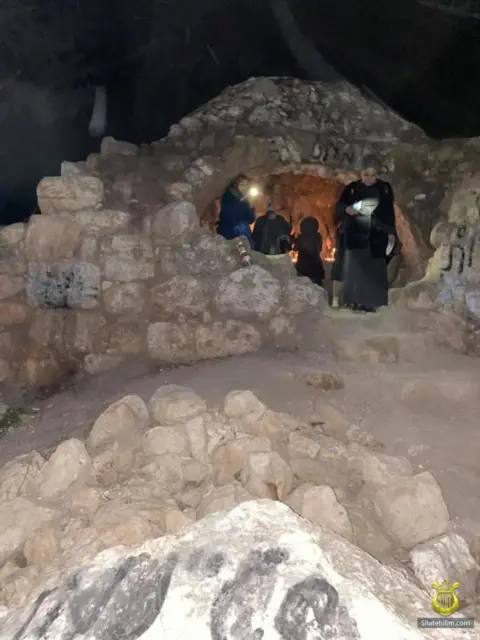
Grave
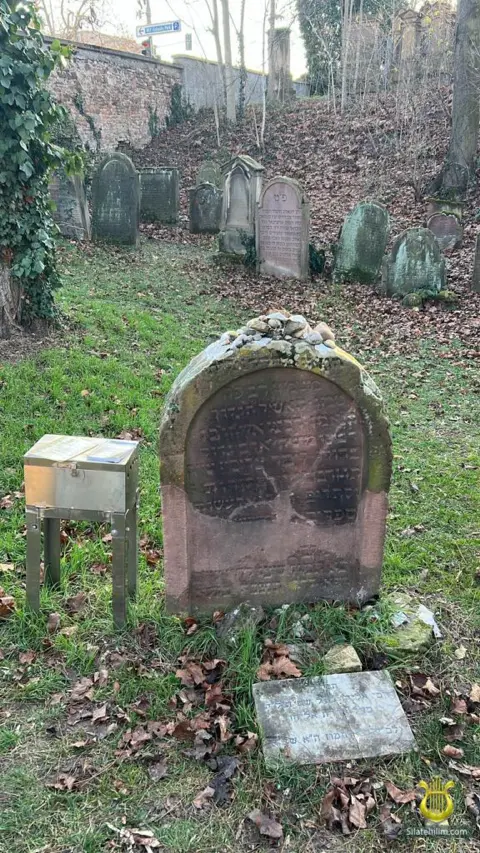
Maharam of Rothenburg
Ensisheim Castle
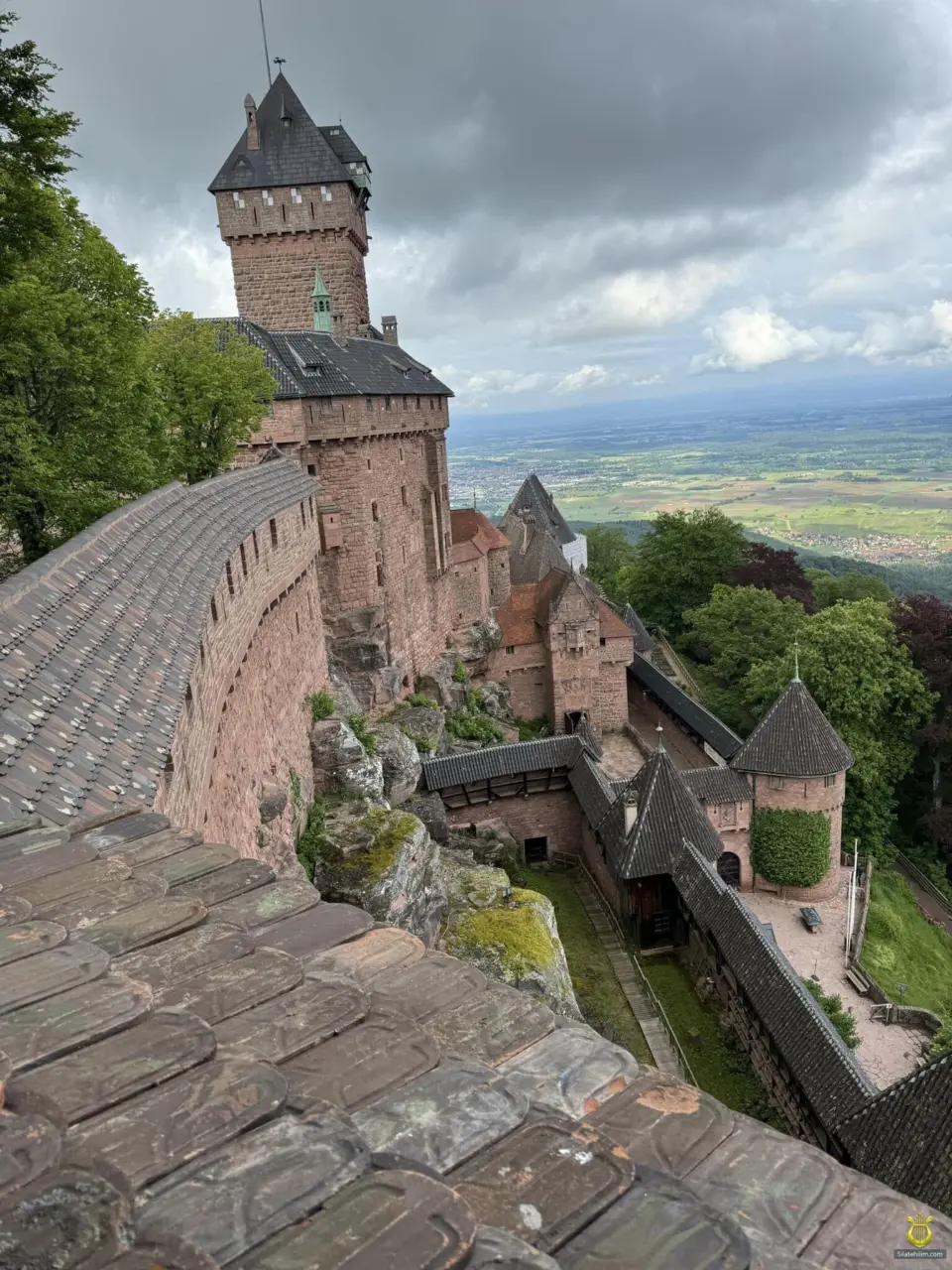
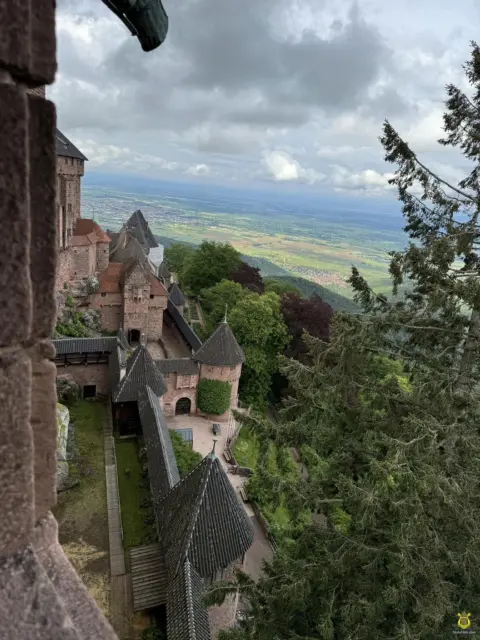
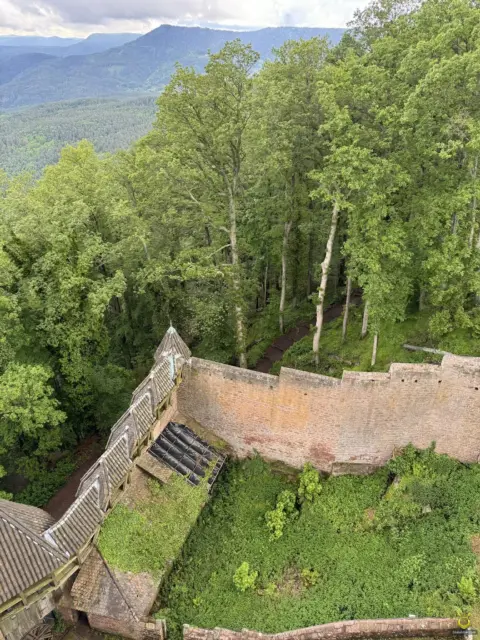
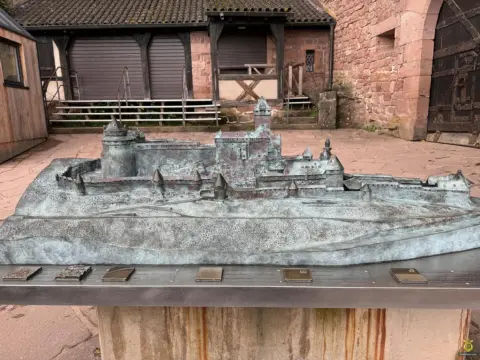
Chateau du Haut Koenigsbourg (Haut-Koenigsbourg Castle) - France
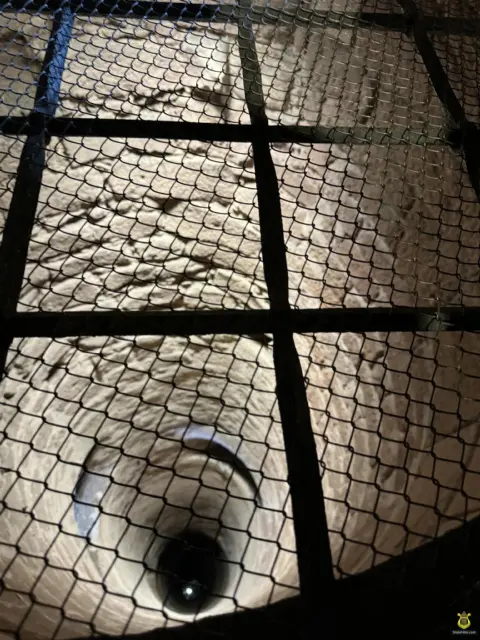
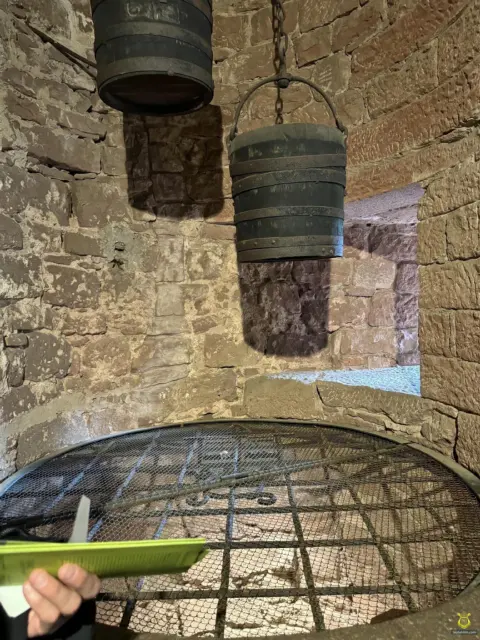
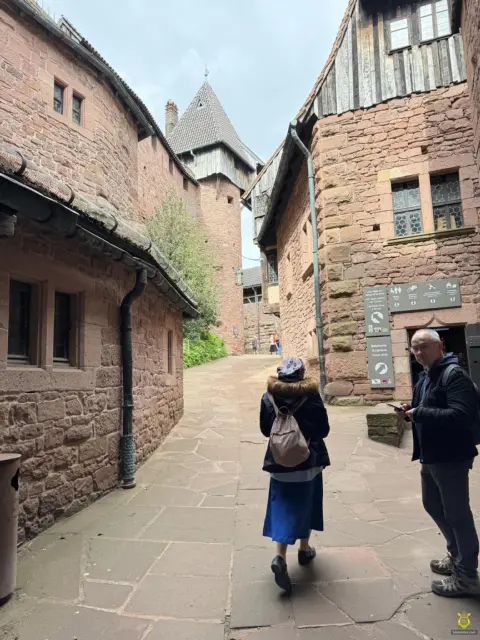
On a trip to the Kivrei Tzadikim of Alsace-Lorraine with Rabbanit Chava Kuperman, we visited Ensisheim Castle - Chateau du Haut Koenigsbourg (Haut-Koenigsbourg Castle), where the Maharam of Rothenburg was imprisoned for 6 years, and only 14 years later was he buried in Worms.
[For more about the tzadikim of Alsace-Lorraine, see the "Kivrei Tzadikim" section.]
He refused to be ransomed for the astronomical sum demanded by the authorities, so as not to set a precedent of ransoming Jews for exorbitant amounts.
He was guided by the principle: "We do not pay more than captives are worth to ransom them, for the sake of the general good."
This story was recorded by the Maharshal, discussing the laws of ransoming captives in tractate Gittin:
"I have heard about our teacher and Rabbi, Rabbi Meir of Rothenburg, may his memory be blessed.
He was held captive for several years in the fortress of Ensisheim, and the ruler demanded an exorbitant ransom from the communities.
The communities wished to pay it, but he [Rabbi Meir] would not allow it.
He said that it is not permitted to pay more for the ransom of captives than they are worth. This astonishes me, for he was the greatest teacher of Torah, unequaled in his generation in Torah knowledge and piety, and therefore it should have been permitted to ransom him for all the money in the world. Even if, in his humility, he did not consider himself an especially great scholar of Torah, he still should have taken into account how much learning would be lost with him — and he himself wrote that he sat in darkness without Torah and light; and he lamented the absence of the works of the poskim and the Tosafists at hand; and how could he not consider it a sin to lose Torah, when the people needed him?
Surely he reasoned that if they ransomed him, there was reason to fear that every ruler would capture the greatest Torah scholar of the generation and set such a large ransom that all the communities of the Diaspora would be unable to redeem them, and Torah would be forgotten in Israel.
I have also heard that the same wicked ruler wished to seize his student, the Rosh [Rabbeinu Asher], as well.
He managed to escape and flee to Toledo, and G-d in His compassion and mercy saved him. Because of this, the pious [Maharam] said that it would be better for a small amount of wisdom to be lost to Israel than for all of Torah to be lost. And a sign [that he was right] is that from that time on, they stopped taking the sages of the Diaspora captive."
Rabbi Meir spent 6 years in the fortress and died in 1293. But even after his death, the royal authorities demanded a ransom for the Maharam's body, and the Jews did not agree to it, since this went against the wishes of the deceased. Only 14 years later did the wealthy Alexander Zuskind Wimpfen, son of Rav Shlomo Wimpfen, spend his entire fortune on the ransom and bury the teacher's remains in the Worms cemetery. When members of the community asked what he wanted in return for such a mitzvah, he replied that he wished to be buried next to the great Maharam of Rothenburg, and his wish was granted.
(Rav Eitam Henkin, translated from English by Lyubov Chernina)
Gallery