Skip to content
This English version of the site was translated with AI assistance. We apologise for any errors and are working to improve it.

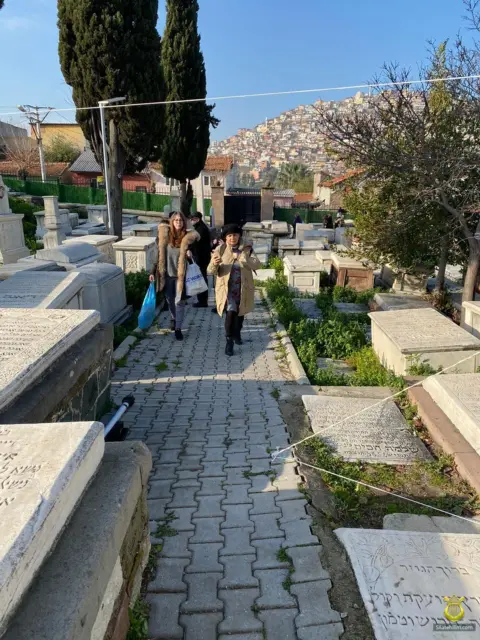
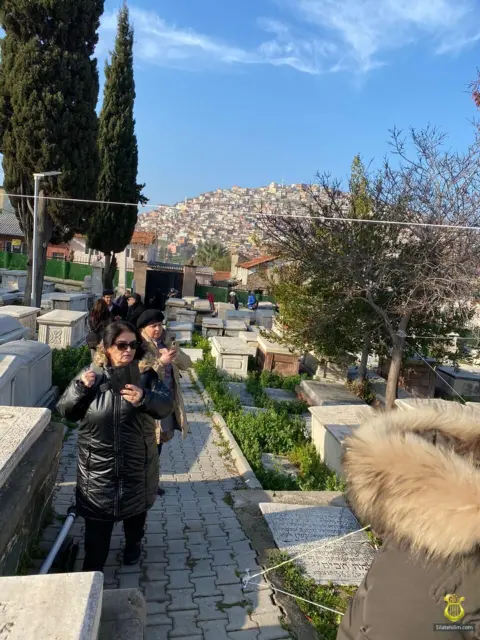
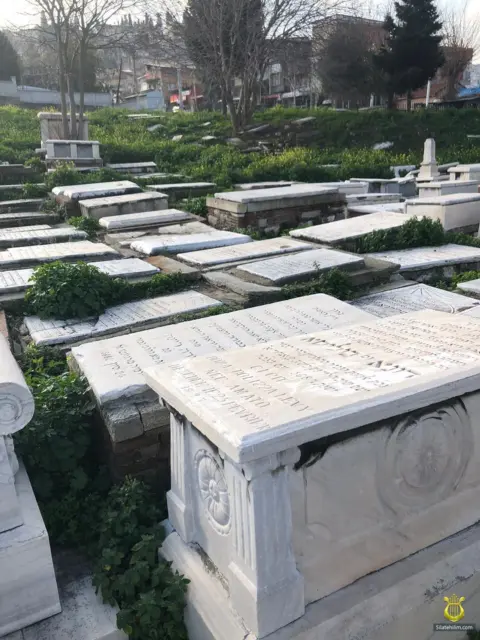
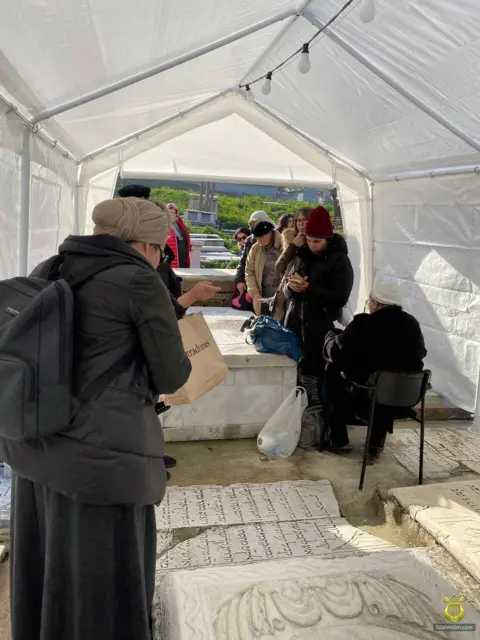
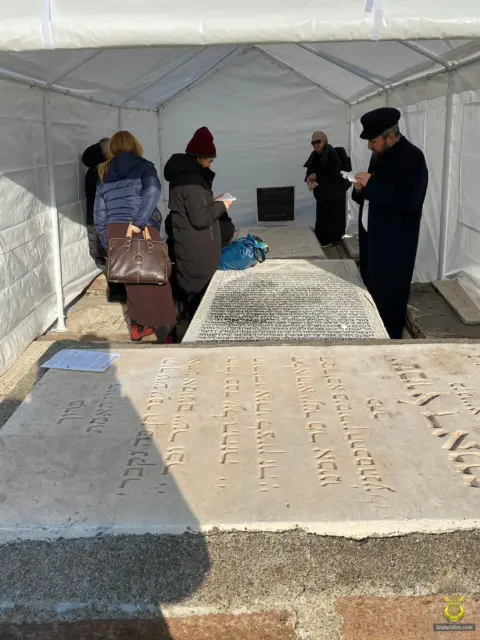
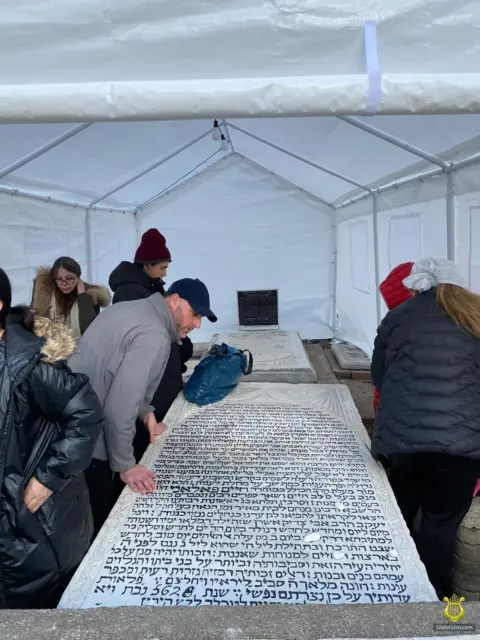
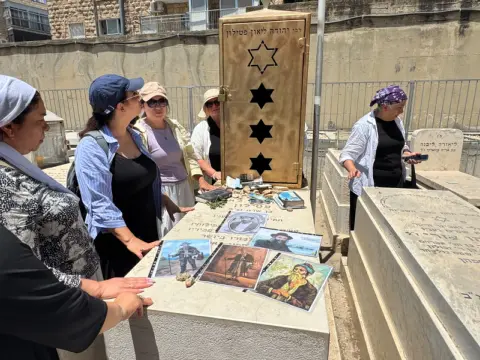
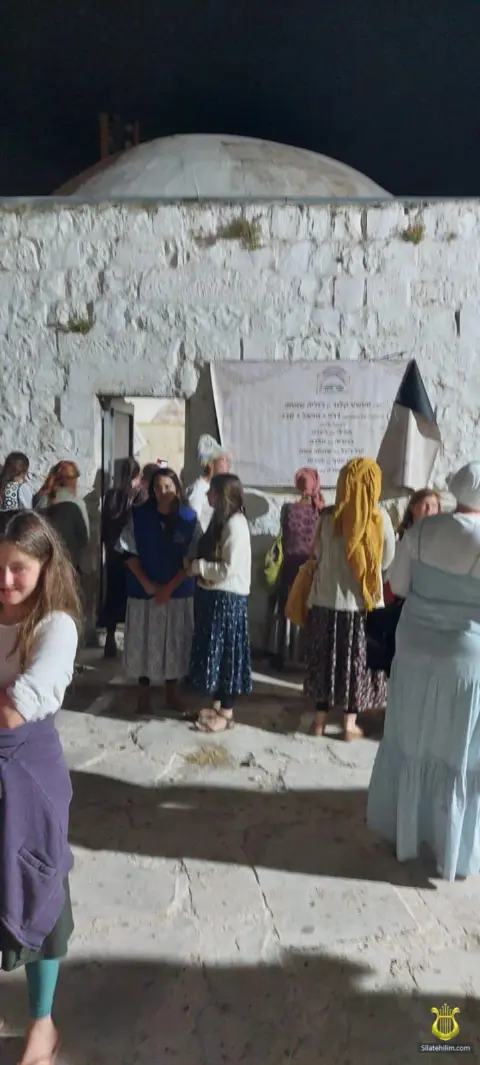
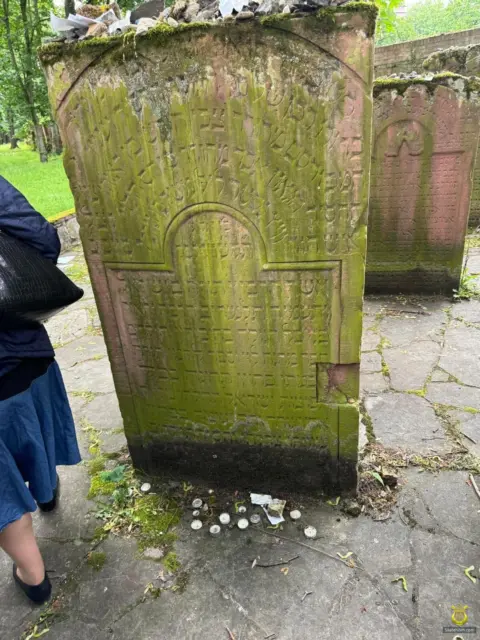
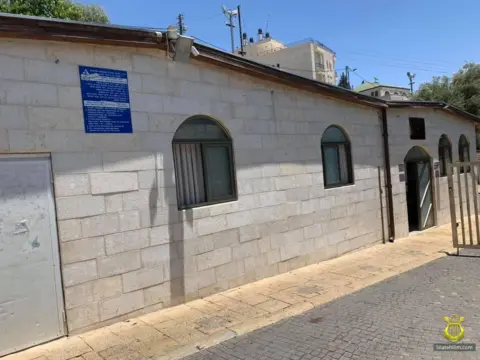
Grave

Eliyahu ha-Cohen ha-Itamari of Izmir
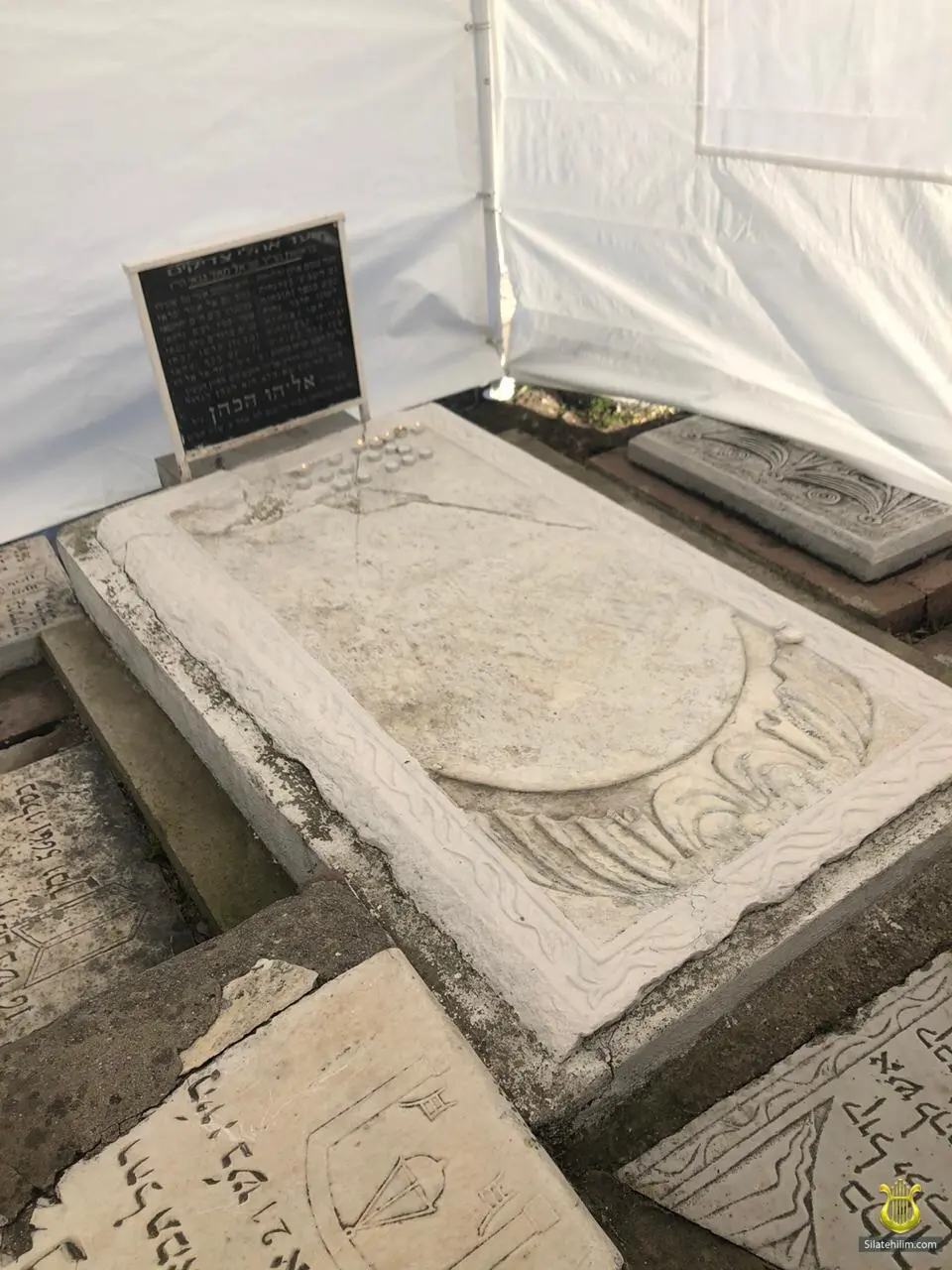
Grave Eliyahu ha-Cohen ha-Itamari of Izmir

Yahrzeit (Hillula)

  • 8 Adar — Rabbi Eliyahu HaKohen of Izmir
8 Adar (Bet) — Yahrzeit of Rabbi Eliyahu ben Shlomo Avraham ha-Cohen ha-Itamari of Izmir — author of "Midrash Talpiyot" (containing 926 sections, corresponding to the gematria of the word "talpiyot"), "Shevet Mussar", and other works. The Shem ha-Gedolim states: "Rabbi Eliyahu ha-Cohen of Izmir wrote nearly 40 books and, through his public lectures, turned many people away from sin." Once, he was searching for his prayer belt to tie around himself before davening. Unable to find it, he finally noticed a black cord lying on the floor, bent down, picked it up, and tied it around his waist. After Rabbi Eliyahu finished his prayers, he began to untie the cord — when it suddenly uncoiled and slipped from his hands. It turned out that the "cord" he had worn throughout his entire prayer was a live, venomous snake. In memory of this miracle, Rabbi Eliyahu named the next book he wrote "Ezer Eliyahu" (The Helper of Eliyahu). Whenever the Chassidic Rebbe Moshe of Kobrin told this story, he would always add the following: "It is actually not so great a miracle that the snake did not strangle or bite the Rabbi. No living creature can harm a person who has not damaged his 'Tzelem Elokim' — the Divine image. As it is written: "The fear of you and the dread of you shall be upon every beast of the earth, and upon every bird of the heavens; all that moves upon the ground and all the fish of the sea — into your hand they are delivered." (Bereishit 9:2) And the fact that the snake made no attempt to free itself while Rabbi Eliyahu was praying is also not surprising; the snake was afraid of the tzadik, and so remained completely still. What is truly astonishing in this story is the greatness of Rabbi Eliyahu himself. In his immense devotion to G-d, even before he began to pray, he simply did not notice that the "cord" he had picked up was not a cord at all, but a living snake." (Yrachmiel Tilles, from "Stories My Grandfather Told Me" by Zeev Greenwald) The Earth and the Human Body In the book "Midrash Talpiyot" (Anaf Eretz Yisrael) we find a remarkable comparison of the entire planet Earth to the human body, in which different lands correspond to the head, arms, legs, kidneys, liver, lungs, and so on. Eretz Yisrael is the soul of all the earth; its essence consists not of gold or other natural resources, but of the Shechinah — the Divine Presence. (Adam Davidov on Shelach) The Lion The Midrash Talpiyot teaches that the strength of a lion lies in its eyes, and that if one throws a piece of cloth (from a garment) into the eyes of a lion, its strength will be weakened. If we examine the Hebrew word for "lion"אריה (aryeh) — we find that its letters are the same as those of the word רואה (ro'eh — "sees"). The very name of the lion reveals where its power lies — in its sight. It is well known that the lion is the king of beasts. And if we see that the power of the King lies in his eyes, it follows that his entire reign flows from his vision. This teaches us that one who guards his eyes from forbidden things, and who maintains the holiness of his sight, will attain a quality of kingship. (Rabbi Yosef Mizrachi) The Book of Adam Rabbi Eliyahu ha-Cohen of Izmir (Smyrna), in his book "Midrash Talpiyot," writes that he saw the "Book of Adam" in the possession of a certain "physician and philosopher," translated into "the Christian language" (for an inhabitant of Turkey, this was certainly Greek). The book specified which days and hours are governed by which angels, and revealed secrets of the solstices and the configurations of the Earth and the Sun… "And this is wondrous," adds Rav Eliyahu ha-Cohen with reverence. Dybbuk In the book "Minchat Eliyahu" he described how a possessing spirit (dybbuk) spoke before the assembled community, and recorded the beginning of its speech:

"This event took place in August 1688. A spirit had entered a woman. For eight months before it became known that the spirit was within her, she had been ill, and the physicians had exhausted themselves trying to find a cure for her.

One day, when I entered the courtyard where the woman was sitting, she fell down and began to mutter incessantly. When I saw this, I understood that an evil spirit was within her. At midday I came to her accompanied by others, and as soon as she saw them, she fell, as she had the first time. I then threatened the spirit with excommunication and commanded it to speak — to say who it was and why it had tormented the heart of a daughter of Israel for so long.

And it said: 'I am Avraham Schneur de Coroniel, who took his own life, because the time of my wedding had arrived and I had no money to cover its expenses, and I chose death out of shame. And now I have no rest. When my soul departed, it was sent to the kaf ha-kela, to Gehinnom, and tens of thousands of wicked ones came toward it with fiery clubs and began to push me. And they said: "Go away, defiled one." And my soul wanders through the world, pursued by destructive angels.'

This is terrifying. A person who takes his own life must know that he has no portion in the World to Come (Rambam, Hilchot Rotzeach 2:2), and he is not even brought into Gehinnom. In the end, the holy gaon rectified that soul. But before doing so, he questioned it and received instructive answers — and here is one of them.

I asked it about the size of a spirit, and it replied: everything depends on one's spirituality. Its own spirit was the size of a small walnut. And there are spirits even smaller than that."

It sends a shudder through you.

A person departs to the world of the Holy One, blessed be He, proud, standing tall, six feet in height — but those six feet he leaves behind here. What ascends on high — a sesame seed? A poppy seed?

Our forefather Avraham was "a great man among the giants." In Shunam there was a "great woman," G-d-fearing. Their souls are vast. Rabbi Brona, Rabbi Shmuel, Rabbi Eliezer, and Levi were called "great men" on account of their spiritual stature.

And then there are those whose souls are the size of a walnut. Yet even they have some consolation: "There are spirits smaller than theirs." The heart aches. (Maayan ha-Emunah)

Shevet Mussar

Once, Rabbi Bunim of Peshischa came to his Rav — the Seer of Lublin — with eyes red from weeping. When the Chozeh of Lublin asked what had happened, Rabbi Bunim replied that he was crying because something had moved him deeply to his very core.

The Seer asked: "And what did you do to the one who offended you?"

"I kissed it," answered Rabbi Bunim. The Chozeh of Lublin was astonished and asked: "Who was it?" Rabbi Bunim answered that it was the book "Shevet Mussar" by Rabbi Eliyahu ha-Cohen ha-Itamari of Izmir, whose words had moved him to tears. And when he finished reading it, before returning the book, he kissed it. (From the book "Branch of the Tree of the Fathers" — commentary on Pirkei Avot by Rav Ovadia Yosef)

https://silatehilim.com/7-адара-жребий-амана-или-почему-в-пурим/ https://silatehilim.com/шир-а-ширим-в-эрев-шабат-или-тикун-шломо/ https://silatehilim.com/2-%d0%bc%d0%be%d0%bb%d0%b8%d1%82%d0%b2%d1%8b-%d0%b2-%d0%bc%d0%be%d1%86%d0%b5%d0%b9-%d1%88%d0%b0%d0%b1%d0%b0%d1%82-%d0%b8%d0%b7-%d0%bc%d0%b8%d0%b4%d1%80%d0%b0%d1%88-%d1%82%d0%b0%d0%bb%d1%8c%d0%bf/   https://silatehilim.com/%d0%b6%d1%80%d0%b5%d0%b1%d0%b8%d0%b9-%d0%b0%d0%bc%d0%b0%d0%bd%d0%b0-7-%d0%b3%d0%be-%d0%b0%d0%b4%d0%b0%d1%80%d0%b0-%d0%b8%d0%bb%d0%b8-14-%d0%b3%d0%be/ https://silatehilim.com/%d0%b1%d1%80%d0%b0%d1%85%d0%b0-%d0%bc%d0%b5%d0%bd%d1%8f%d1%8e%d1%89%d0%b8%d0%b9-%d1%82%d0%b2%d0%be%d1%80%d0%b5%d0%bd%d0%b8%d1%8f

Location

Güney, Zeytinlik Caddesi No:35120, Buca Osb/Konak/Измир, Турция

38.42142, 27.16320 — open on OpenStreetMap

Gallery

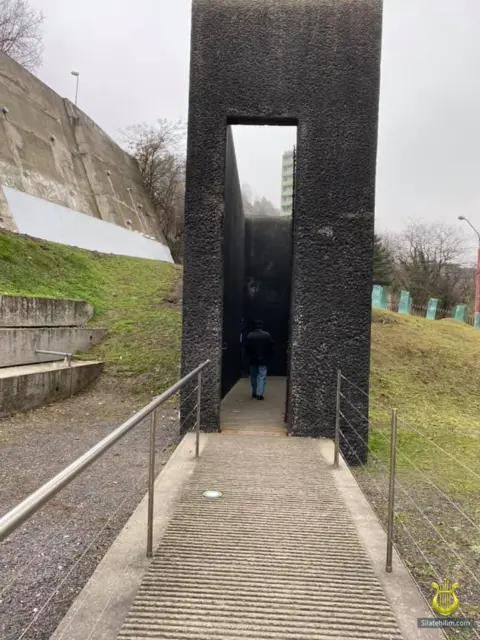
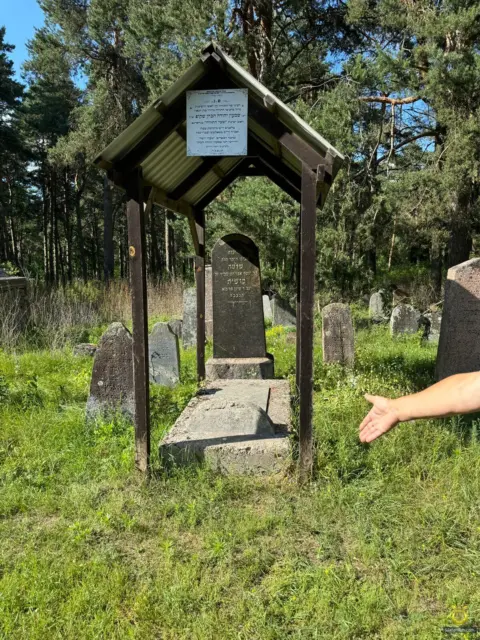
Grave Eliyahu ha-Cohen ha-Itamari of Izmir Grave Eliyahu ha-Cohen ha-Itamari of Izmir Grave Eliyahu ha-Cohen ha-Itamari of Izmir Grave Eliyahu ha-Cohen ha-Itamari of Izmir Grave Eliyahu ha-Cohen ha-Itamari of Izmir Grave Eliyahu ha-Cohen ha-Itamari of Izmir

Other graves