Grave
Nathan of Breslov
Yahrzeit (Hillula)
- 10 Tevet — Rabbi Nathan of Breslov
Rabbi Natan bar Naftali-Hirsh Sternhartz - Rabbi Noson of Breslov — the organizer and leader of the Breslov Chassidic movement.
He was born on 15 Shevat 1780 in the city of Nemirov, into a misnagdim family (opponents of Chassidism).
He married the daughter of R. David-Tzvi Auerbach, the chief rabbi of Shargorod.
Overcoming his family's opposition, he became a disciple of the outstanding Chassidic mentors R. Levi Yitzchak of Berditchev and R. Baruch of Medzhibozh. In 1802 he met R. Nachman of Breslov (see) and soon became his devoted follower.
At their first meeting, R. Nachman told him: "We have known each other for a long time, but until now we were separated."
Rabbi Natan moved to Breslov in order to remain constantly at his mentor's side. He recorded R. Nachman's lessons and teachings, and later published these writings at the Breslov printing house, which he established to spread his teacher's ideas.
Based on his notes, which were reviewed by R. Nachman himself, he compiled the book Likutei Moharan, which became the foundational work of the Breslov school of Chassidism.
In the book Likutei Tefilot (Collection of Prayers), written at his mentor's own request, R. Noson wove the Breslov teachings into poetic and heartfelt prayers.
R. Noson set out the fundamental laws and rules of the Breslov path of serving Ha-Shem, laid out by R. Nachman, in the book Likutei Halachot (Collection of Laws).
In the book Sipurei Maasiyot (Tales), R. Noson gathered the fairy tales that R. Nachman told in the final years of his life. R. Noson translated these tales from Yiddish into Hebrew and published them, in accordance with R. Nachman's wishes, with parallel text: Hebrew at the top of the page and Yiddish at the bottom.
Later, R. Noson composed a whole series of works describing R. Nachman's life story and worldview, including such books as Shivchei HaRan (In Praise of R. Nachman) and Sichot HaRan (Conversations of R. Nachman).
After R. Nachman's passing in 1810, leadership of the disciples passed to R. Noson — however, he refused to become the new "Rebbe," declaring that R. Nachman remained the movement's spiritual head.
R. Noson succeeded in uniting R. Nachman's disciples, scattered throughout Ukraine, into a single brotherhood. He organized annual gatherings of the Chassidim at his mentor's resting place in the city of Uman — just as during R. Nachman's lifetime, these gatherings were timed to coincide with the holiday of Rosh Hashanah.
Within 10 years, the number of people coming to Uman had grown so much that R. Noson had to build a special kloyz (house of prayer) there, intended for the annual gatherings.
R. Noson of Breslov passed away on 10 Tevet 1845.
In the years that followed, the Breslov movement spread throughout Ukraine and Poland; a significant Breslov community also arose in the Land of Israel. R. Noson's grandson, R. Avraham Sternhartz, who arrived in the Holy Land before the start of World War II, organized an annual kibbutz (gathering) of Breslov Chassidim on Mount Meron, near Tzfat.
In the post-war years, the largest centers of the movement developed in Jerusalem and Bnei Brak, as well as in New York. In 1988, with the fall of the "Iron Curtain," the pilgrimage of Breslov Chassidim to Uman resumed.
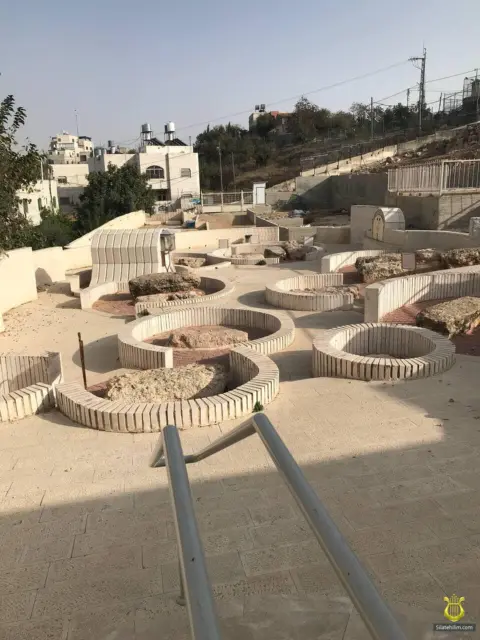
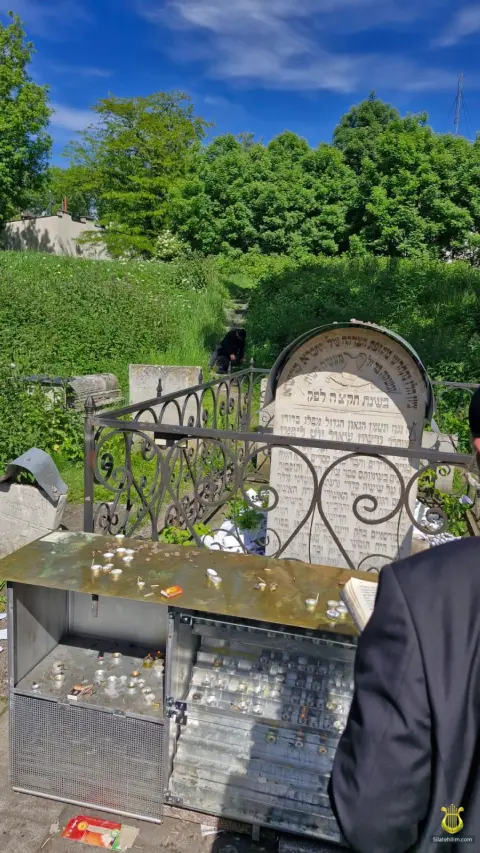
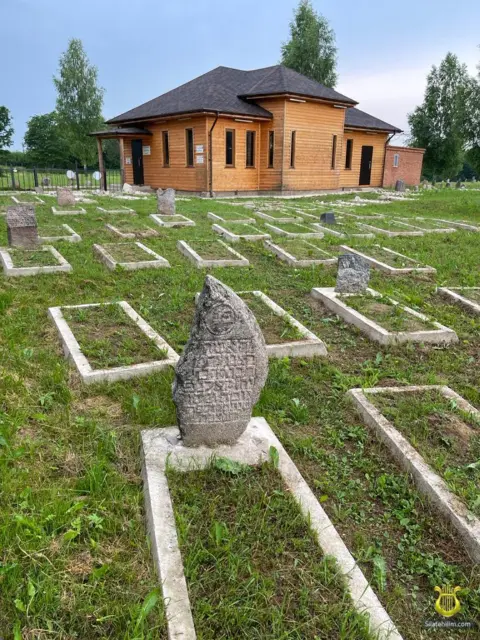
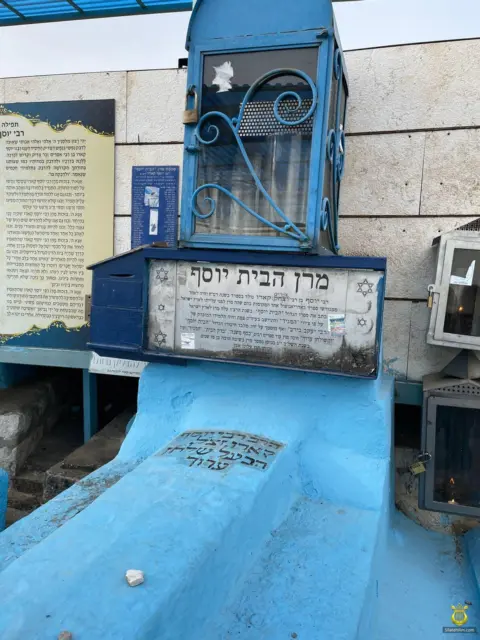
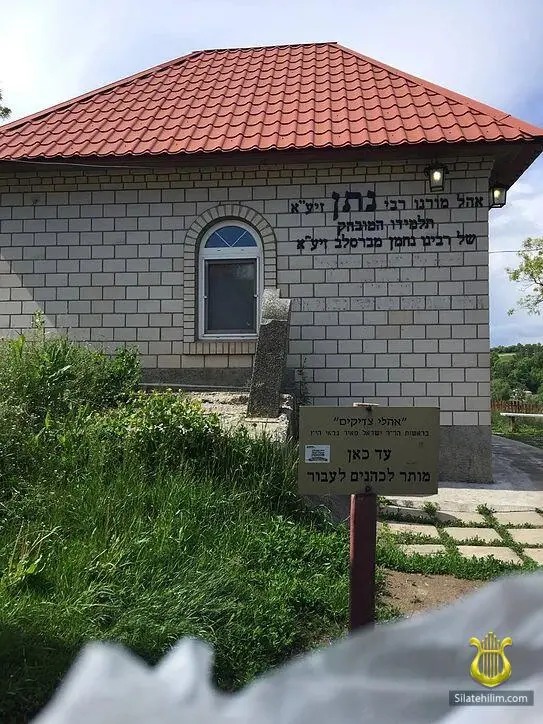
Rabbi Natan of Breslov is buried in the Jewish cemetery in Bratslav, in the Nemirov district of Ukraine.
(https://toldot.ru/history/noson.html)