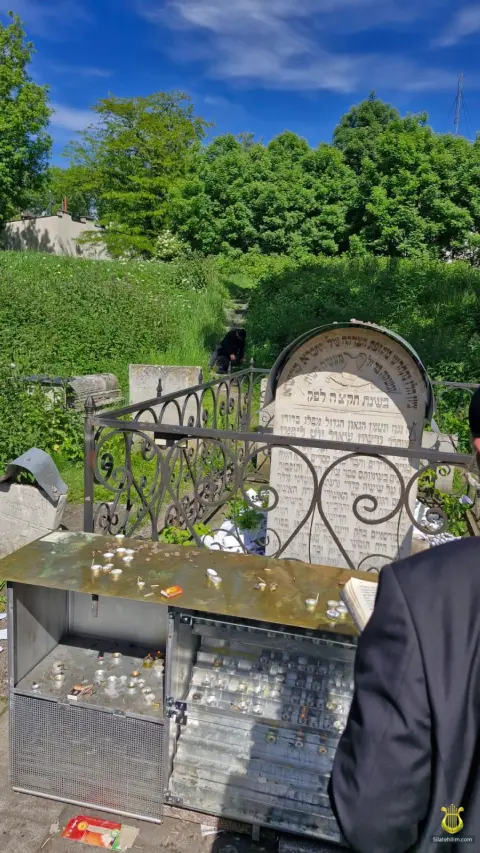
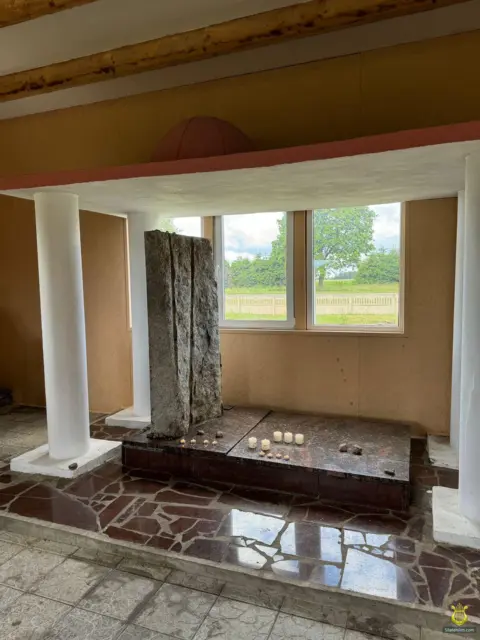
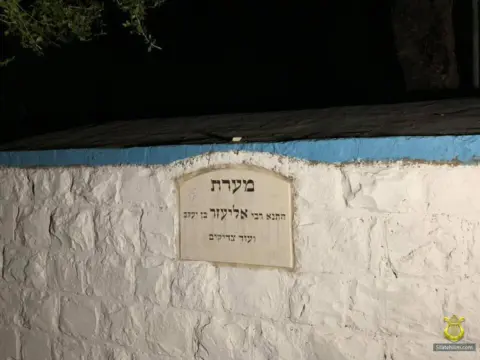
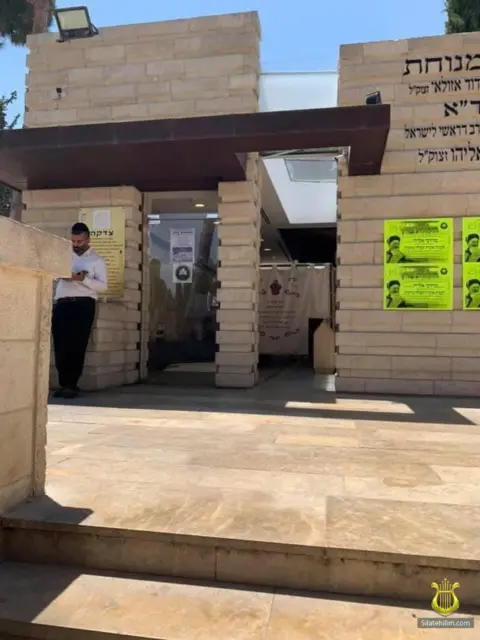
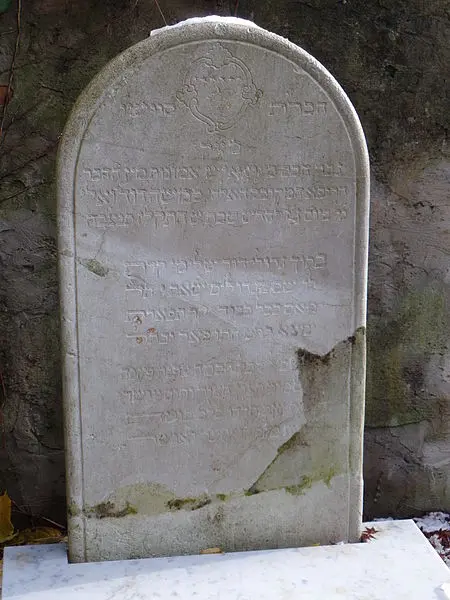
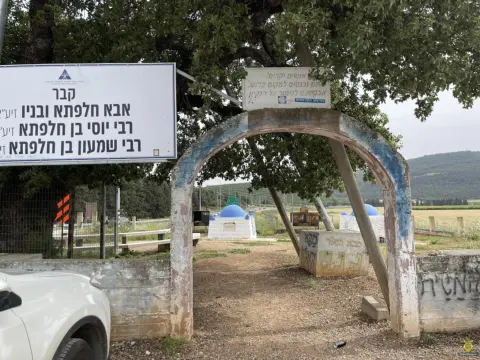
Grave
Ramak
Rabbi Moshe Cordovero
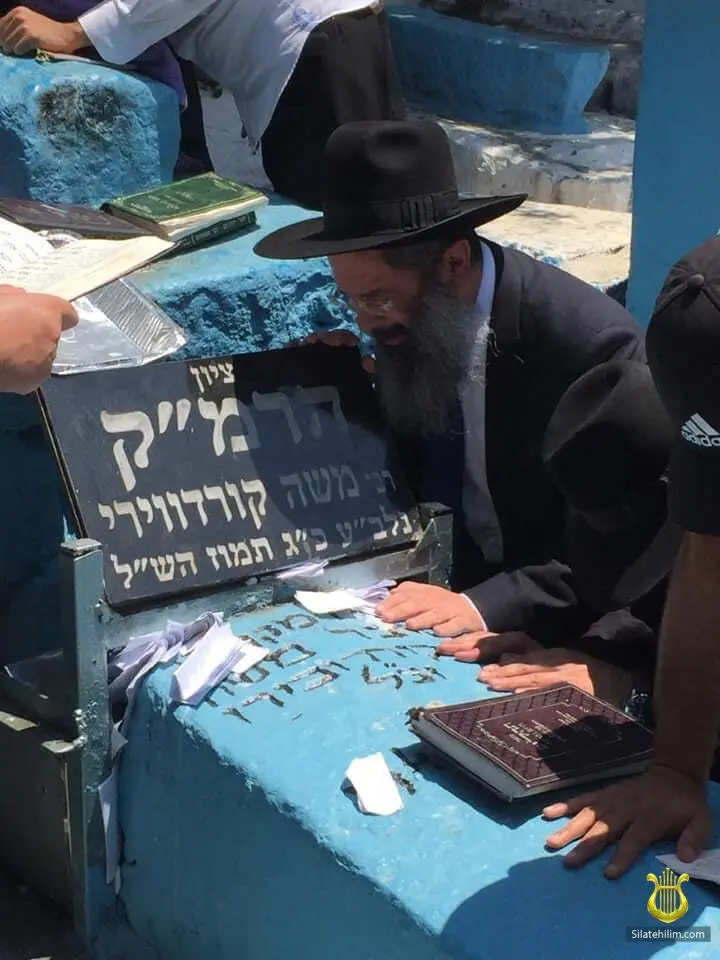
Rabbi Moshe bar Yaakov Cordovero (the Ramak) — one of the greatest Kabbalists of all generations. Years of life: 5282—5330 (1522—1570).
Resting place - Tzfat;
Yahrzeit - 23 Tammuz;
His surname Cordovero indicates the origin of his family – Cordoba (Spain).
The Ramak lived in Tzfat and from a young age earned a reputation as an extraordinary genius.
He was also one of four who received special semicha – ordination from the great Rabbi Yaakov Beirav – in 1538, together with Rabbi Yosef Karo, Rabbi Moshe Trani, and Rabbi Yosef Sagis, even though all of them were much older and more well-known than this young prodigy.
In 1542, at the age of 20, the Ramak heard a heavenly voice urging him to study Kabbalah with his brother-in-law Rabbi Shlomo Alkabetz, author of "Lecha Dodi".
Thus he became initiated into the secrets of the holy "Zohar HaKadosh" of Rabbi Shimon bar Yochai.
The young Ramak mastered the Zohar with ease. This, however, did not satisfy him, because the text is often obscure and lacked structure.
To clarify it in his own mind, he began writing two books. The first was "Ohr Yakar" (Precious Light), a multi-volume work of 16 volumes of commentary on the Zohar.
The second, "Pardes Rimonim" (Orchard of Pomegranates), cemented his eternal fame.
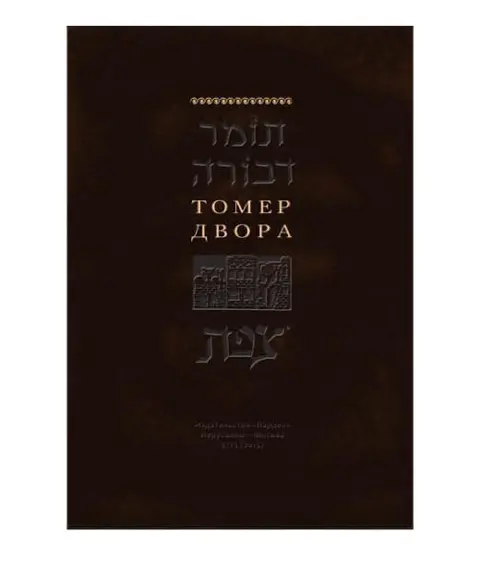
Three other books through which the Ramak became renowned are "Tomer Devorah", "Ohr Ne'erav", and "Elimah Rabbati".
Around 1550, the Ramak founded a Kabbalah academy in Tzfat. He led this academy for 20 years, until his death. It is known that the prophet Eliyahu appeared to him.
Among his students were many luminaries of Tzfat, including Rabbi Eliyahu de Vidas, author of "Reishit Chochmah", and Rabbi Chaim Vital.
This group of mystics, studying the Zohar, took part in many acts of repentance in order to hasten the redemption.
When the Arizal arrived in Tzfat, he joined this group of Kabbalists, conducting himself with great humility, hoping to conceal his greatness. Only the Ramak, with his gift of vision, understood who he was.
Before his death, the Ramak said: "I will soon leave this world. After my death, someone will take my place. And although many of this man's statements may appear to contradict mine, do not oppose him and do not argue with him, for they come from the same source as mine, and they are entirely true. His soul is a spark of Shimon bar Yochai, and whoever opposes him opposes the Shechinah."
"What is his name?" the students asked.
"I cannot tell you. He does not yet wish to be known. However, I can tell you this: whoever sees the cloud that will follow my coffin at my funeral will be my successor."
A few weeks later, on the 23rd day of the month of Tammuz, Rabbi Moshe Cordovero ascended to the heavenly Yeshiva.
A large crowd accompanied the Ramak on his final journey, and everyone wept. When the procession reached a certain place, the students said: "We should bury him here, near one of the greatest sages of Israel."
But the Ari stopped them: "Do not bury him here. The cloud following his coffin continues to move, showing where the Ramak wishes to be buried."
Hearing these words, everyone was shocked. Now they recognized their new teacher.
On that very day, the fame of the Ari began to spread, and many great students began to gather around him.
Segulot on the Yahrzeit of the Ramak
- Studying the book of the Ramak (Rabbi Moshe Cordovero), of blessed memory, "Tomer Devorah."
The Rebbe of Tzanz "Divrei Chaim", זצ”ל, taught his chassidim (as heard by his grandson, Rav Moshe Halberstam, זצ”ל, from the Satmar Rebbe, זצ”ל): "Studying the book "Tomer Devorah" is a segula against many afflictions and can help cure even the most dreaded of known illnesses." It is recommended to study "Tomer Devorah" once a week, although this book is not easy to understand.
This segula works on the principle of "midah ke-neged midah" (measure for measure). In "Tomer Devorah", the 13 Divine Attributes of Mercy mentioned in Micah 7:18-20 are analyzed in detail.
If a person emulates G-d's Attributes and acts as He acts – with patience, compassion, forgiveness, and so on toward people – then Ha-Shem will likewise act toward us in the same way – midah ke-neged midah – and will be patient, compassionate, and forgiving.
Learning on the Yahrzeit of the Ramak The Ramak teaches in "Tomer Devorah": "Because of every bad deed a person does, an evil angel is created in the world. It ascends to G-d and asks for sustenance. The Creator tells it: the one because of whom you were created will take care of you. Then the evil angel descends and attaches itself to the person whose bad deed brought it into being. Now, when the Most High sends this person vitality – holiness, which is meant to be transformed into health, material and spiritual blessings – the evil angel takes part of that holiness for itself. If many such angels accumulate, illness and poverty come upon the person. In addition, evil angels cause a person to desire to commit bad deeds again and again. As we see, all these forces of evil exist only by drawing on holiness."- The Mekubalim relate that on the Yahrzeit of the Ramak (may his merit shield us) one should read Chapter 20 of Tehillim 12 times, and this is a segula of the Arizal to save the children of Israel from all troubles and from their enemies.
May the merit of the tzadik protect the entire nation!!!
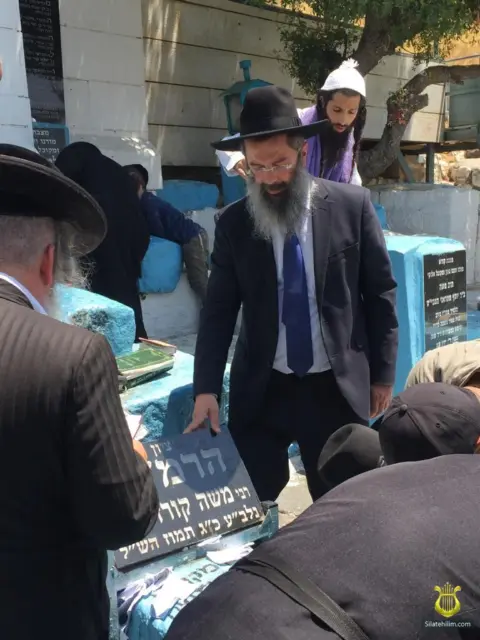
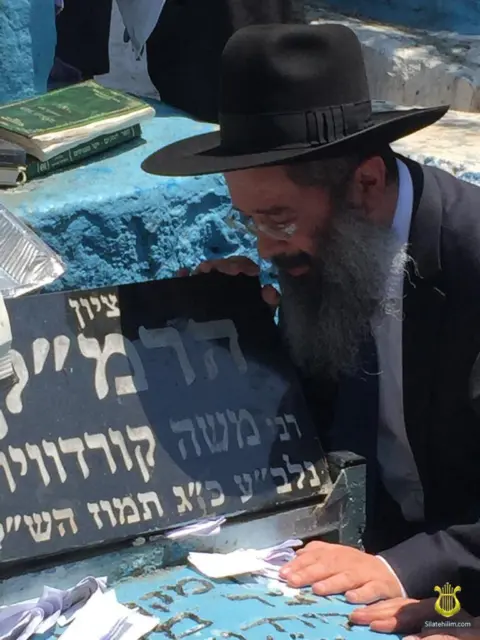
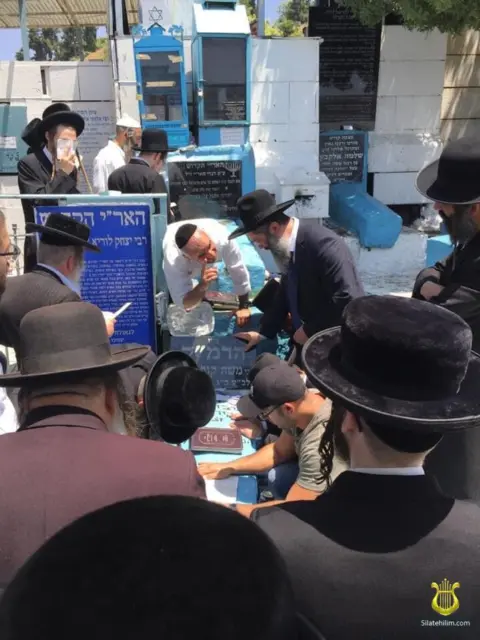
P.S. In the photo: the Translator and Commentator of "Tomer Devorah" - Rav Bentzion Melamed(https://dailyzohar.com/tzadikim/51-Rabbi-Moshe-Cordovero; rabanitiris.com)
Gallery