Grave
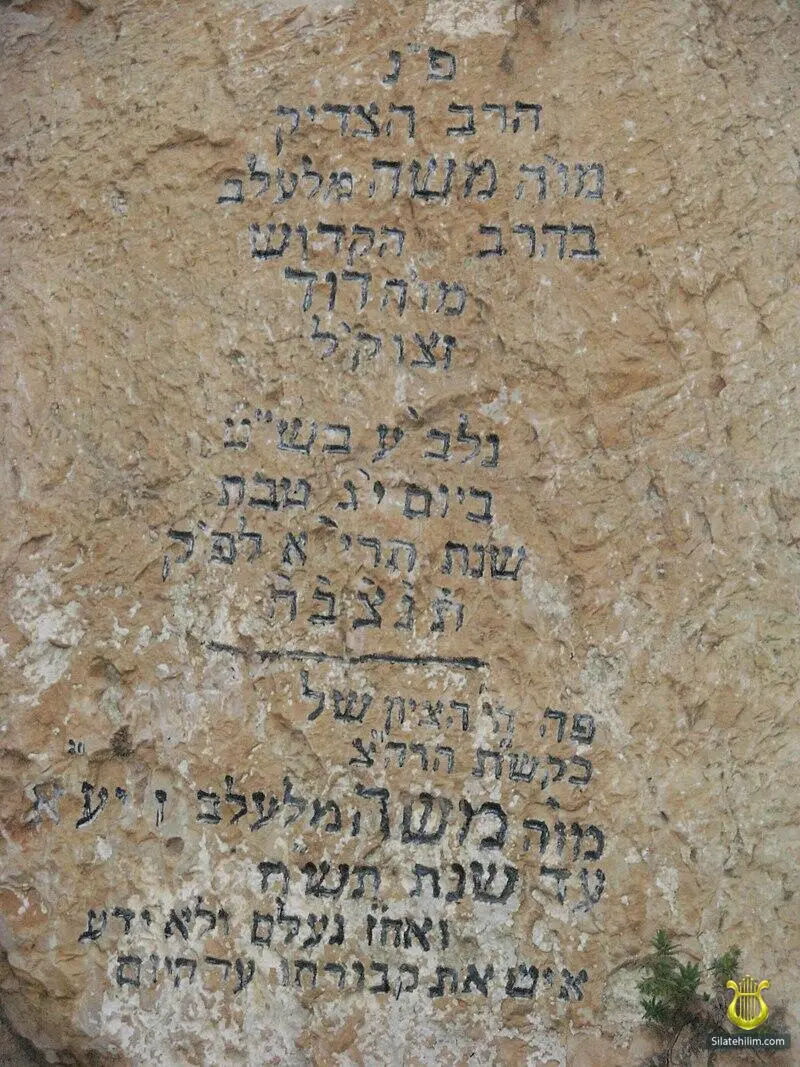
Moshe Biderman of Lelov
Yahrzeit (Hillula)
- 13 Tevet — Rabbi Moshe Biderman of Lelov
- 7 Shevat — Rabbi David Biderman of Lelov
Rabbi Moshe ben Dovid of Lelov (1850) was the first Chassidic Rebbe to settle in Yerushalayim (he had previously settled in Tzfat). The Ruzhiner Rebbe told him that although many great tzadikim had moved to Eretz Yisrael before him, their dynasties had not survived, but the Lelov dynasty would endure until the coming of Moshiach. Rabbi Moshe said that if he could reach the Kotel HaMaaravi, Moshiach would come. Unfortunately, he never managed to reach it and passed away shortly after his arrival in Eretz Yisrael.
He was a descendant of King David.
He married the daughter of the tzadik Rabbi Yaakov Yitzchak of Peshischa (the Yid HaKadosh).
After his father's passing, Rabbi Moshe succeeded him as head of the Lelov Chassidic community, and in 1843 Rabbi Moshe became the chief rabbi of the Polish town of Przedborz.
At the age of 75, Rabbi Moshe fulfilled the dream of his lifetime: together with his two sons and their families, he set out for Eretz Yisrael.
Before leaving, Rabbi Moshe visited many Chassidic leaders to receive their blessings and guidance. His friend, Rabbi Sar-Shalom Rokeach, founder of the Belz Chassidic dynasty, accompanied him all the way to the gangway of the ship sailing for the Holy Land.
Since the voyage took place in the month of Tishrei, Rabbi Moshe brought with him onto the ship branches for the sukkah, as well as the Arba Minim, over which a special blessing is recited on Sukkot. Throughout the journey Rabbi Moshe kept these plants fresh, but as the holiday approached, the willow branches had already dried out and their leaves had fallen off. Rabbi Moshe asked the captain to turn toward the nearest shore, and since the captain flatly refused to change course, Rabbi Moshe had to pay him a substantial sum from the funds set aside for expenses in the Land of Israel. The ship docked at an island where willows grew, and Rabbi Moshe fulfilled the mitzvah with the greatest joy. (Gedolei HaDorot)
A Chassidic tradition relates that upon arriving in Yerushalayim, Rabbi Moshe intended to go immediately to the Kotel, to fervently beseech the Almighty to end the exile and bring the Geula for the entire people of Israel. Rabbi Moshe had even prepared a special shofar with which to sound the coming of Moshiach.
But immediately upon arriving in the holy city, Rabbi Moshe fell gravely ill — for more than two months he lay bedridden. On the last day of his life, Rabbi Moshe asked his sons to carry his bed to the Kotel, but the Arabs met them with a hail of stones. After several failed attempts, the sons had to retreat and bring their father back home.
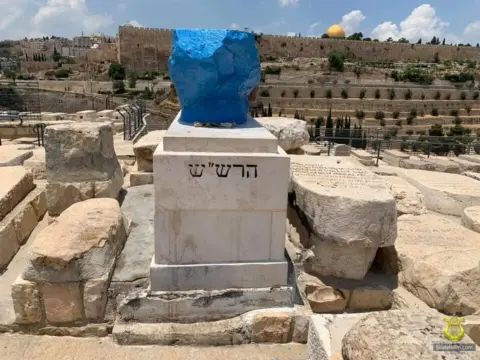
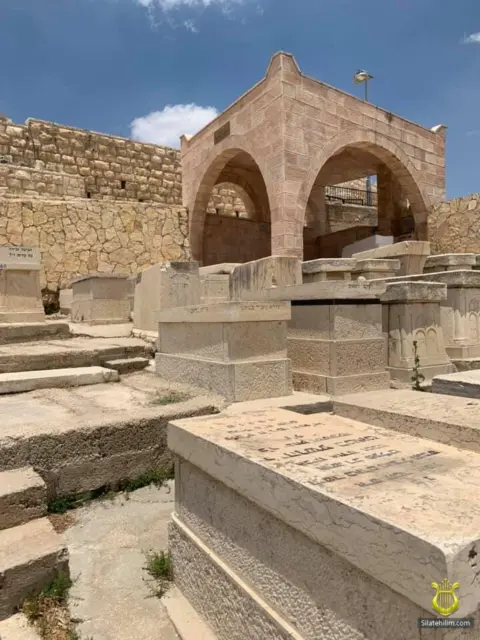
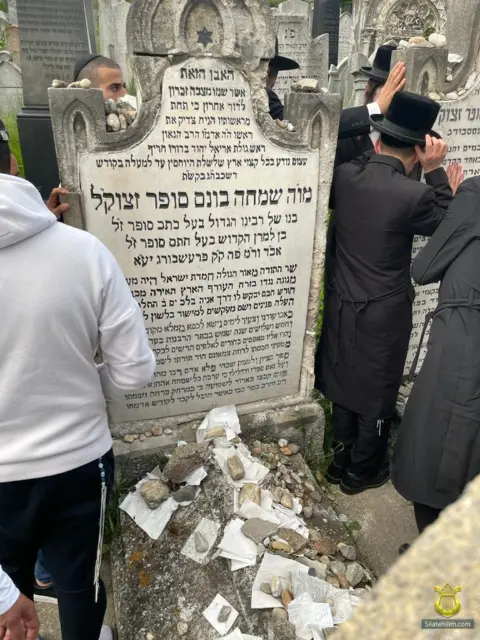
That same day, the 13th of Tevet, 1851, Rabbi Moshe Biderman passed away. He is buried in Yerushalayim, on Har HaZeitim (during the years of Jordanian occupation his grave was desecrated, and the site where it had stood was plowed over).
(https://toldot.ru/rabbanim/rabbanim_30562.html)