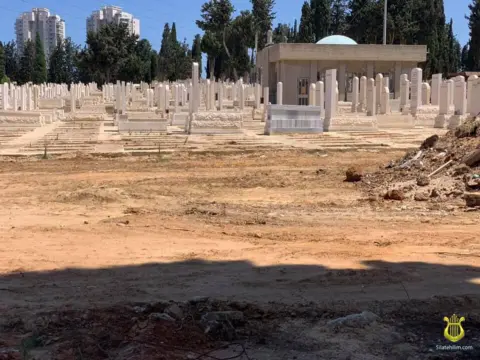
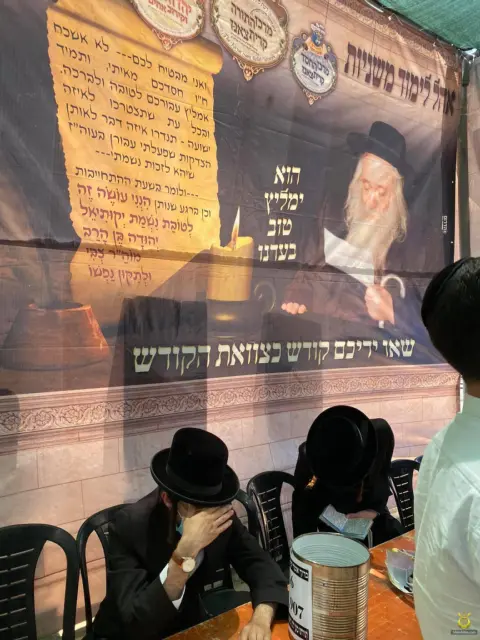
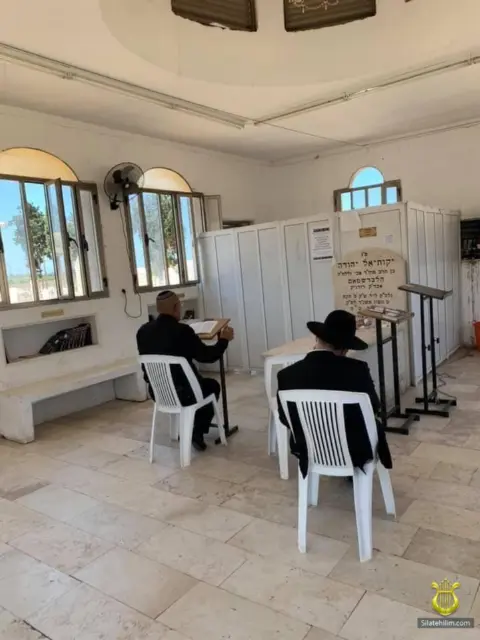
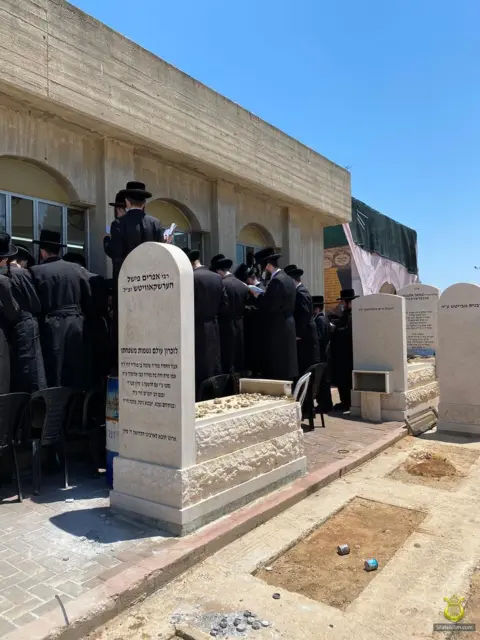
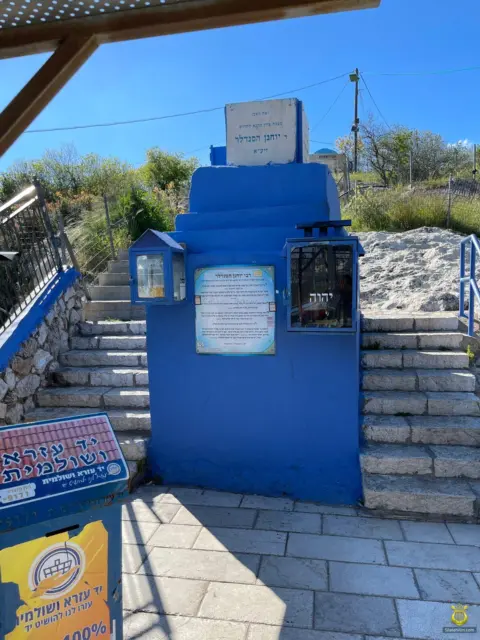
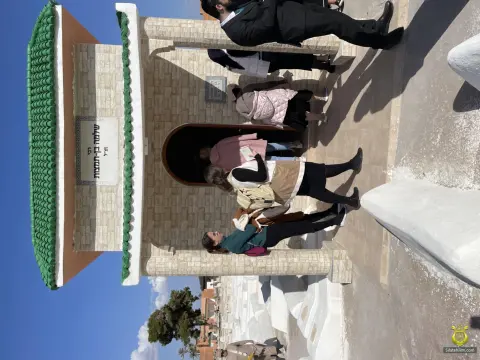
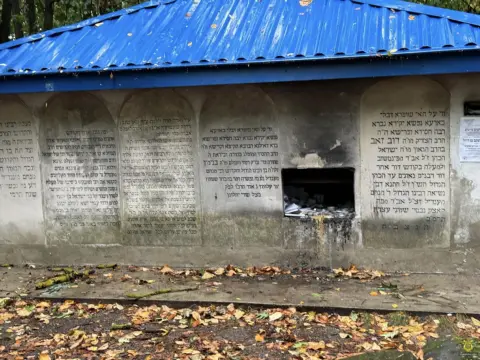
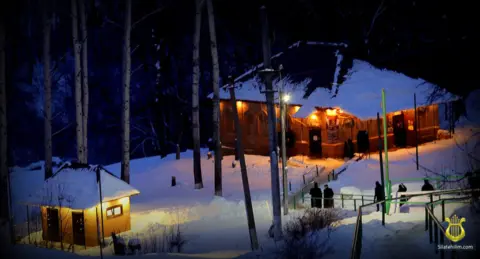
Grave
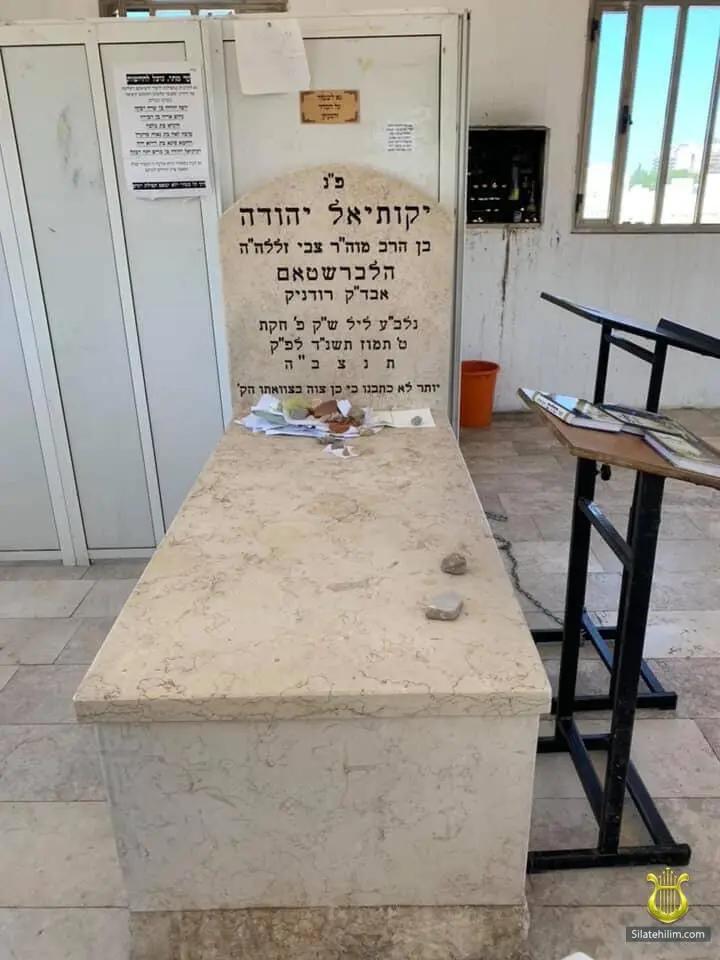
Yekutiel Yehuda Halberstam
Yahrzeit (Hillula)
- 9 Tammuz — Rabbi Yekutiel Yehuda Halberstam - the Klausenburger Rebbe
Rabbi Yekutiel Yehuda bar Tzvi-Hirsch Halberstam - the Klausenburger Rebbe
Great-grandson of the Rebbe of Tzanz - the "Divrei Chaim", author of the segula that reveals why the book "Tomer Devorah" by the Ramak is an effective remedy for cancer.
Following in the footsteps of his famous ancestor, Rabbi Yekutiel Yehuda opened the "Laniado" hospital in Netanya, and while doing so asked his students not to force their faith upon the sick, but rather to make a daily Kiddush Hashem through their own conduct, thereby drawing people toward teshuva.
Rebbetzin Chava Kuperman spoke about the Klausenburger Rebbe with tremendous warmth during a personal conversation.
When the Klausenburger Rebbe arrived in Israel after surviving the Holocaust, in which he lost 11 children and his wife, and after his time in America where he managed to revive the community's life, he decided to hold a Passover seder on Pesach for everyone who had survived the Shoah. Having gathered together exhausted Jews who had lived through the horrors of the war and the loss of their loved ones, the Rebbe began the seder, but the indignant Jews began to grumble, unwilling to take part in any religious rituals: if G-d had abandoned us, they said, then what is the point of any of this…
And then Rabbi Yekutiel said:
- "Do you remember how many Jews left Egypt - 20%, that's one-fifth - and how many came out of the Shoah? That's right, also one-fifth of the Jews."
- "Do you remember what the Jews did after crossing the Yam Suf, when no one yet knew how it would all end? Yes, they sang the Shirat HaYam - they made a Kiddush Hashem for having remained alive. So too, having come out of this furnace of the Shoah, we too will now make a Kiddush Hashem. We, the survivors, will do it on behalf of those who could not come out."
And the people began holding out their cups to be filled with wine, and listened to their first postwar Passover seder.
The Resting Place of Rabbi Yehuda bar Ilai
Once the Klausenburger Rebbe went with his chassidim to the grave of the Tanna Rabbi Yehuda bar Ilai.
They recited Tehillim, and then prayed Mincha, as it was already getting dark. After Mincha the Rebbe's mood changed; something was troubling him. When his students asked him what had happened, the Rebbe explained: "Rabbi Yehuda bar Ilai states in Masechet Berachot (Chapter 4, Mishna 1) that one must pray before Plag HaMincha - one hour, or an hour and a quarter, before nightfall (there is a dispute about the exact time).
Even though we do not follow his opinion in practice, it would be chutzpah - sheer nerve - to pray Mincha at his grave after the time that he himself established.
We must come back tomorrow and set things right.
The next day they returned to the grave of Rabbi Yehuda bar Ilai. This time they came earlier in the day and prayed Mincha before Plag HaMincha, in accordance with Rabbi Yehuda bar Ilai's opinion. After they finished praying Mincha, the Rebbe once again felt that the weight had lifted from him.
He had corrected what he considered to be an offense against the great Tanna Rabbi Yehuda bar Ilai.
(From the book "Maggid" by Rabbi Paysach Krohn)
The Resting Place of Rabbi Menachem Mendel of Vitebsk
The Klausenburger Rebbe wept for hours at the grave of Rabbi Menachem Mendel of Vitebsk.
Reb Shmuel Unsdorfer was one of the Rebbe's closest and most devoted followers. He later became the father-in-law of the Rebbe's son, Rebbe Tzvi Elimelech, who is currently the Klausenburger Rebbe of Netanya.
Reb Shmuel told the following story.
One time they traveled to visit the graves of tzadikim.
At every grave the Rebbe visited with his chassidim, they would recite Tehillim, then move on to the next grave and recite Tehillim there as well.
This continued until they reached the grave of the great Rabbi Menachem Mendel of Vitebsk - a student of the Maggid of Mezritch, who moved to Eretz Yisrael in 1777. When they approached his grave, the Rebbe threw himself down and literally lay stretched out over the grave, weeping - for two hours straight.
Some time later, Reb Shmuel Unsdorfer asked the Rebbe why he had only recited Tehillim at all the previous graves, yet at this particular spot he wept like a child.
The Rebbe replied that he was so far from Rabbi Akiva and all the sages of the Talmud that he could only recite Tehillim there.
Reb Shmuel gathered his courage and asked: "With all due respect, what connection does the Rebbe have to the great Vitebsker? He was one of the greatest disciples of the Maggid of Mezritch."
The Rebbe answered: "Compared to the Vitebsker, I too am nothing, but you must understand - the disciples of the Baal Shem Tov took upon themselves a special 'mesirut nefesh' (self-sacrifice), to help every Jew even after their own passing.
So yes, I do have a connection to him, and that is why I lay upon his grave and wept."
Gallery