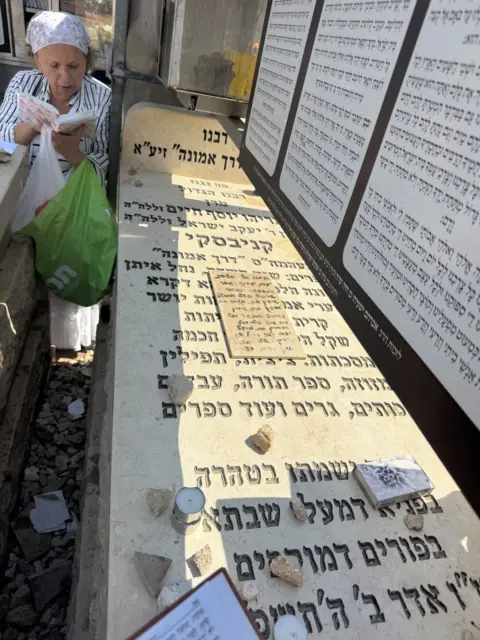
Grave
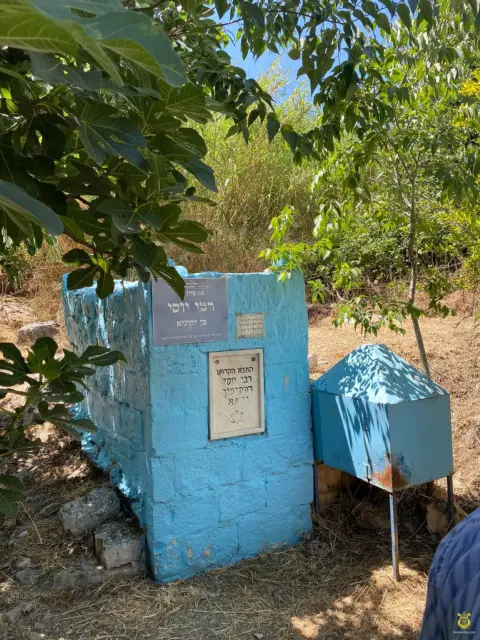
Yoel ben Petuel
son of Shmuel HaNavi - Gush Halav
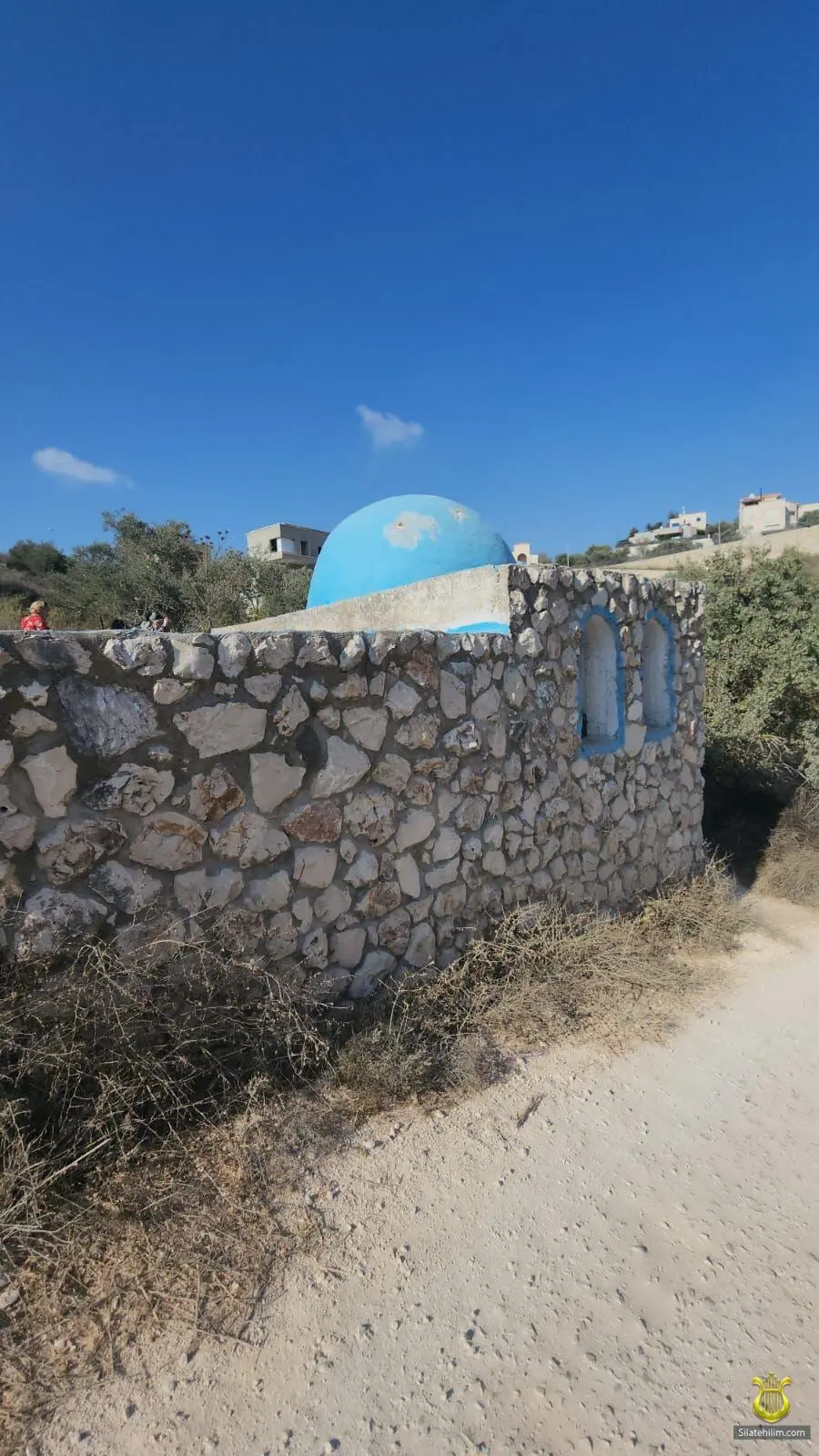
Yoel ben Petuel was a prophet from the time of the First Temple, one of the twelve (minor) prophets.
His prophecies make up the Book of Yoel, the second of the ten books (of the Trei Asar).
According to the Midrash (Bamidbar Rabbah 10:5), and specifically Rashi's commentary at the beginning of "Yoel," Yoel was in fact the son of Shmuel HaNavi.
Although he is called "the son of Petuel," this is actually an acronym for a phrase revealing that his prayer is effective - "pittach Kel be-tefillato" (G-d opens [the gates] for his prayer).
Thus, he prophesied in the days of Yehoram ben Achav, during the era of the First Beit HaMikdash (more than 300 years before its destruction).
However, in "Seder Olam" Yoel is mentioned as prophesying in the days of King Menashe, son of Chizkiyahu, and as a disciple of the prophet Micha.
The Prophecy of the Locust Plague
The plague of locusts that occurred in the days of Yoel was even more severe than the plague of locusts in Egypt during the days of Moshe Rabbeinu, and included many species (grasshoppers, locusts, the yelek, and the chasil) (Yoel 1:4).
The Gemara relates that in the days of Yoel, once the month of Adar had ended and no rain had yet fallen by Nisan, Yoel commanded that all the remaining grain be brought out and sown. The people of Israel complained that if they sowed it, they would have nothing left to eat, but the prophet nevertheless commanded them to sow the fields. Israel fulfilled the prophet's command, and a miracle occurred for them: they found seeds hidden in the walls and pits. The seed miraculously sprouted within eleven days.
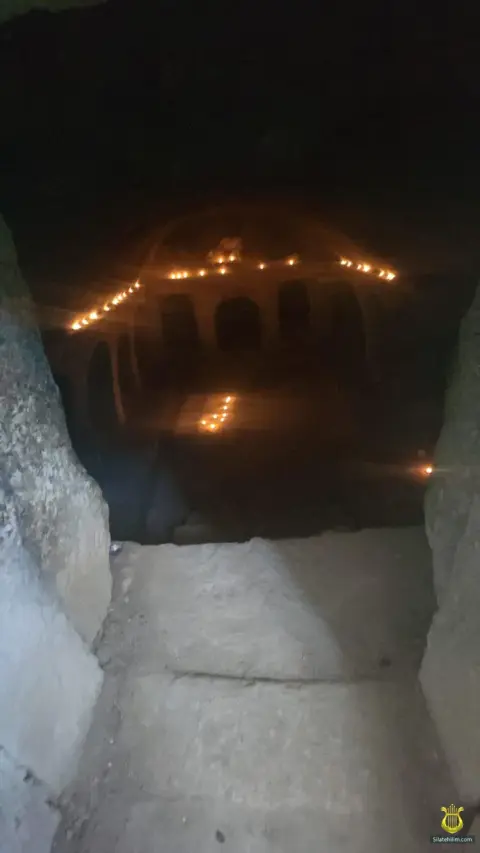
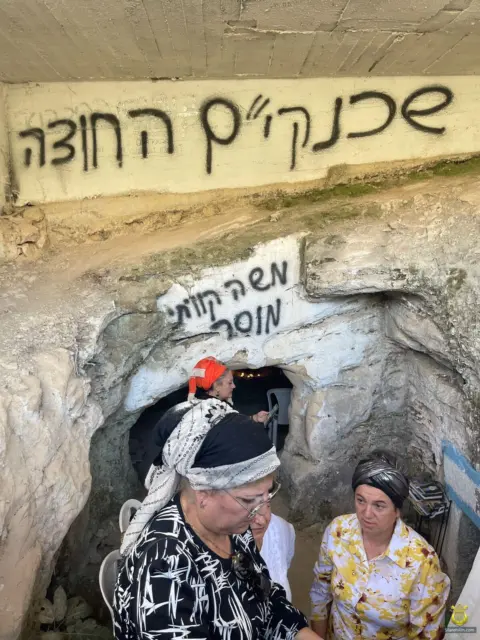
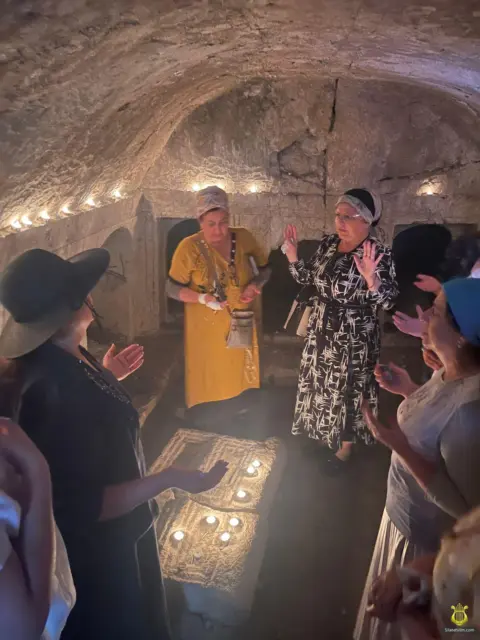
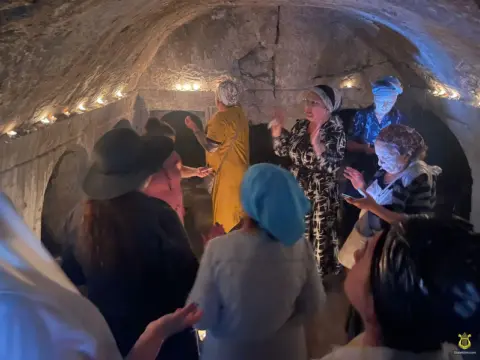
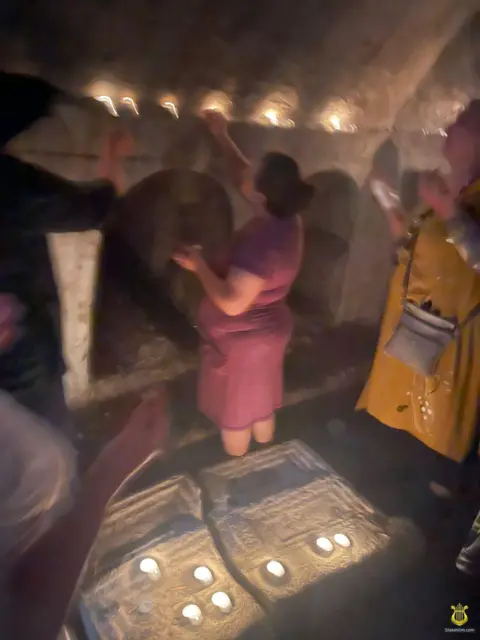
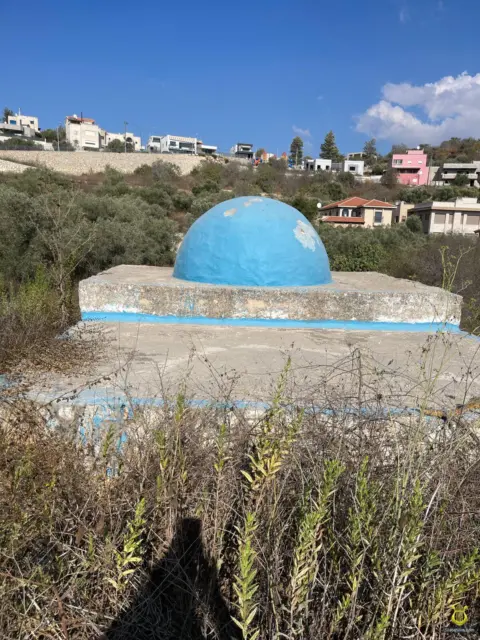
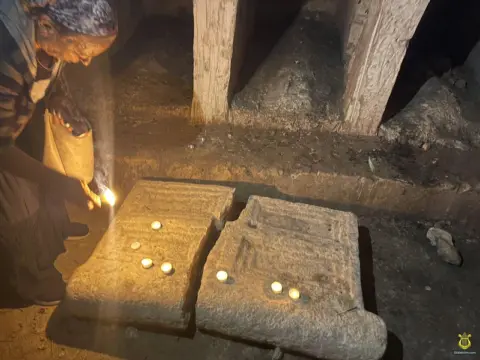
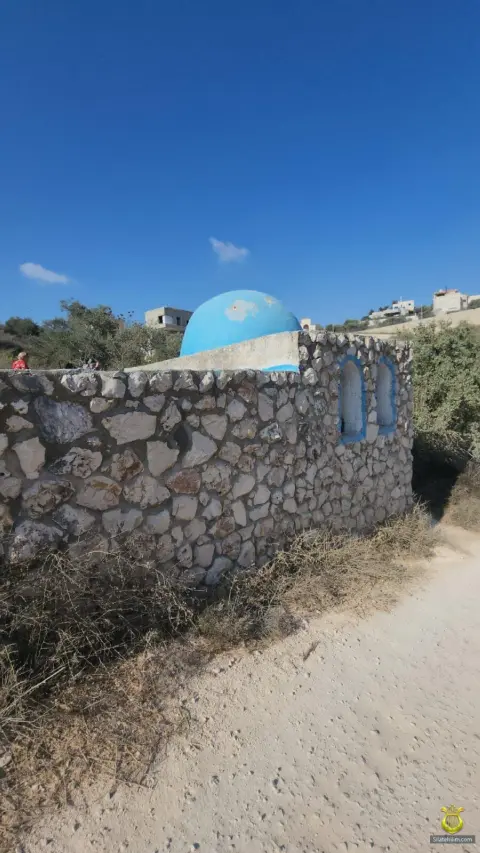
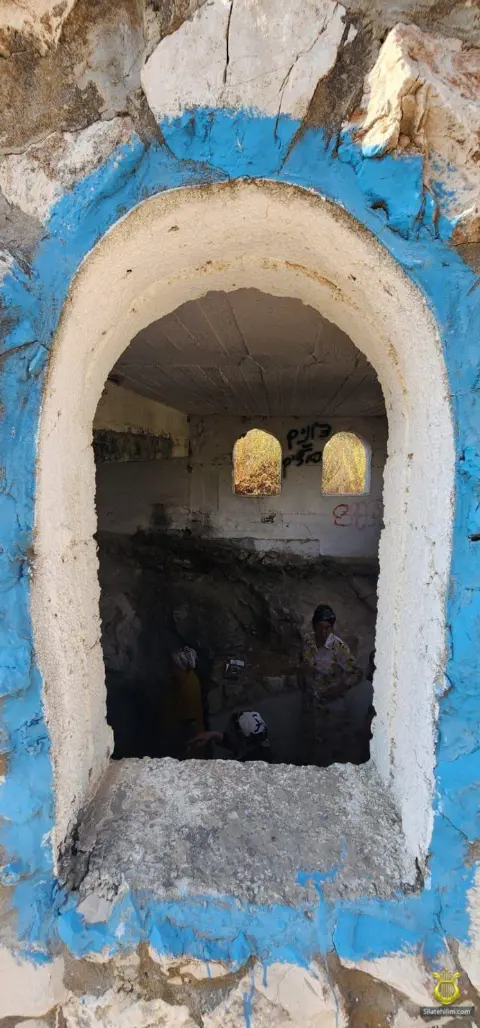
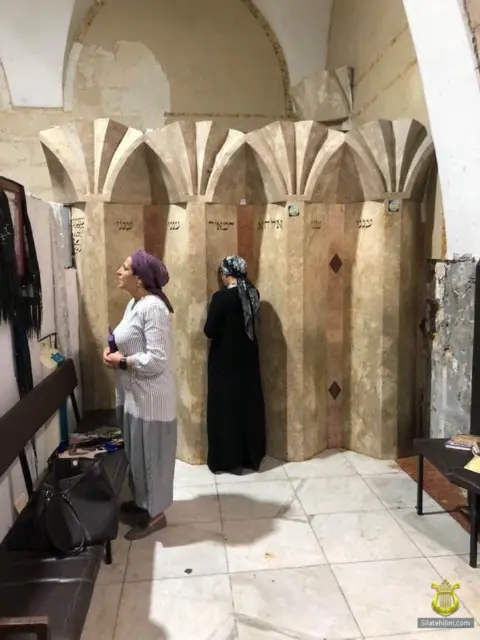
The Holy Ari revealed to Rabbi Chaim Vital the location of Yoel's grave in Gush Halav (as stated in "Sha'ar HaGilgulim").
The Rama MiPano, in the sefer "Gilgul Neshamot," also writes that Yoel ben Petuel was the reincarnated, corrected soul of the elder son of Shmuel HaNavi.
When Shmuel grew old and could no longer serve as judge, he appointed his two sons as judges in his place. Shmuel made this appointment in accordance with the law which states: "Not a kingdom alone, but every leader and every appointee in Israel [passes as] an inheritance to his son and his son's son forever."
But his sons did not follow in his ways, and all the elders of Israel gathered together and said to Shmuel: "Behold, you have grown old, and your sons do not walk in your ways; now appoint for us a king to judge us, like all the other nations."
Later, Yoel - Shmuel's elder son - did teshuvah, and Hashem rewarded him with the gift of prophecy.
Yoel's son, Heiman, was a poet in the days of King David.
Gallery