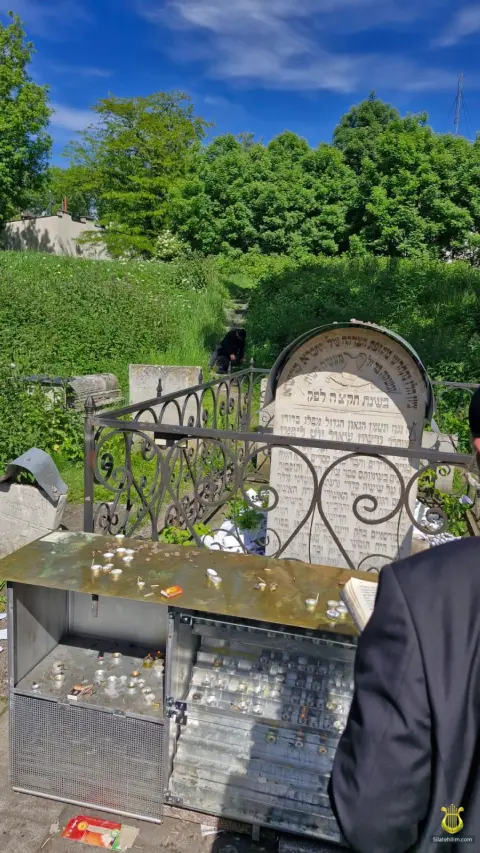
Grave
Yosele the Kamtzan HaKadosh
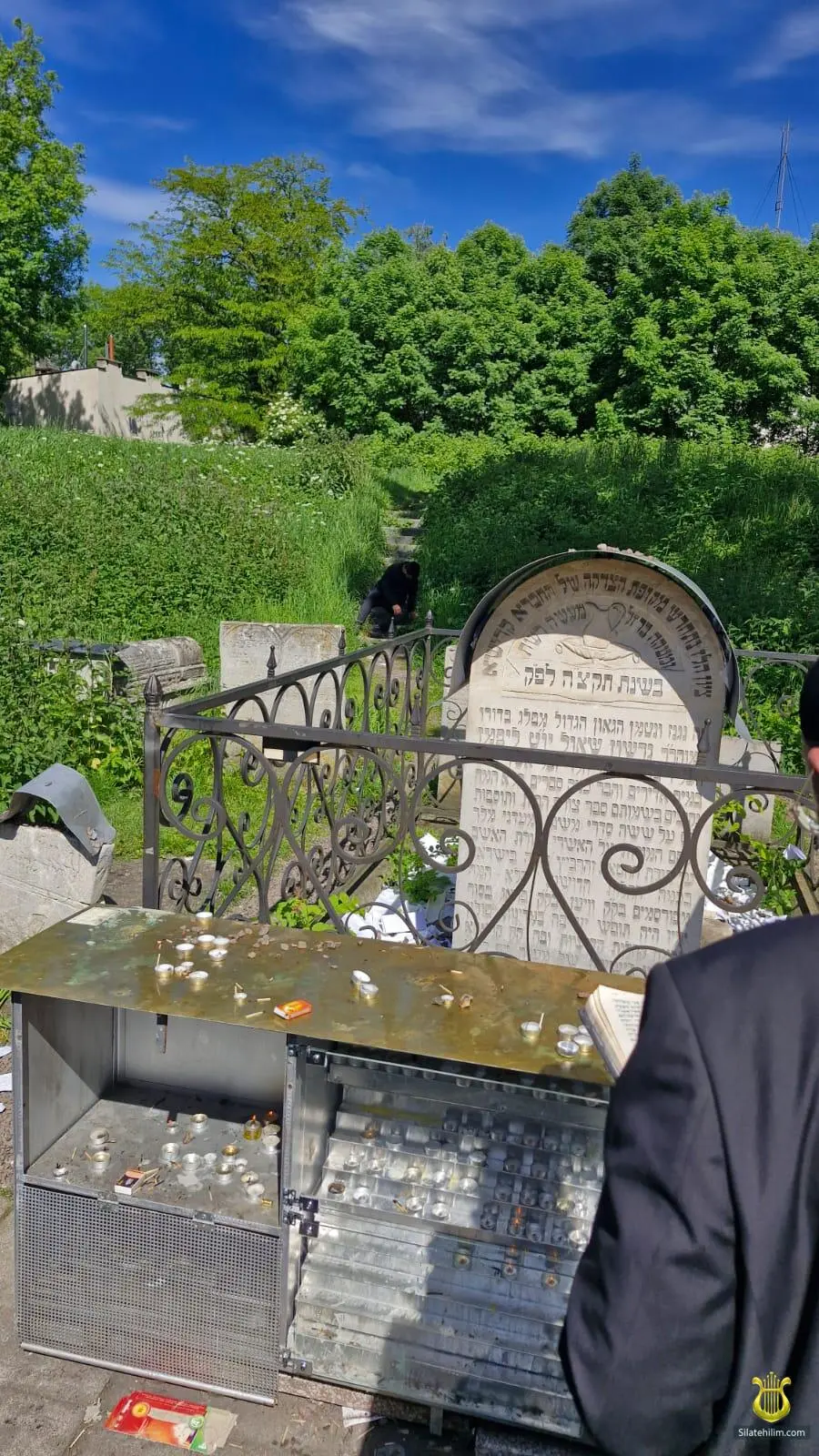
Yosele the Kamtzan HaKadosh
This story took place in Krakow during the lifetime of Rabbi Yom-Tov Tosefot.
At that time there lived in Krakow a wealthy Jew named Yosele, the town's miser, known as Yosele the Skinflint.
All the Jews of Krakow hated him, because he always rudely refused any request for financial help.
On Shabbat no one would wish him "Shabbat Shalom," and even the children mocked him.
He was hated so much that when he died, he was not buried for three days, until neighbors secretly took his body out and buried it at the edge of the cemetery, marking it with the inscription: "יוסל'ה קמצן" - (Yosele the Miser).
But a couple of weeks after the burial, unrest began in the town.
The butcher and the baker, who had always given out free portions of food to the poor, suddenly stopped doing so. People stopped receiving the envelopes of Shabbat assistance that used to be left under their doors.
At the same time, the cash in the charity funds that provided interest-free loans for weddings and unexpected medical expenses mysteriously ran out. The people, in confusion, turned to Rabbi Yom-Tov, hoping he could explain what was happening. After investigating, the rabbi discovered that behind all the charitable activity in the town stood none other than Yosele the Miser.
He simply did not want anyone to know about it.
The selflessness and humility of this man so moved Rabbi Yom-Tov that he declared a fast and instructed the entire community to come to the synagogue for prayers of forgiveness.
That night Yosele appeared to Rabbi Yom-Tov in a dream and asked him not to worry about him, saying that he himself had chosen this path of service, and that his only regret was that in Heaven there were no broken doors under which he could place envelopes. When Rabbi Yom-Tov asked about the three days he lay unburied, and what suffering his soul had endured, Yosele answered that on that day he had been together with the Patriarchs and Matriarchs.
After this, Rabbi Yom-Tov asked the Chevra Kadisha to add to the inscription on Yosele's grave, next to "יוסל'ה קמצן", the word "קדוש" (holy).
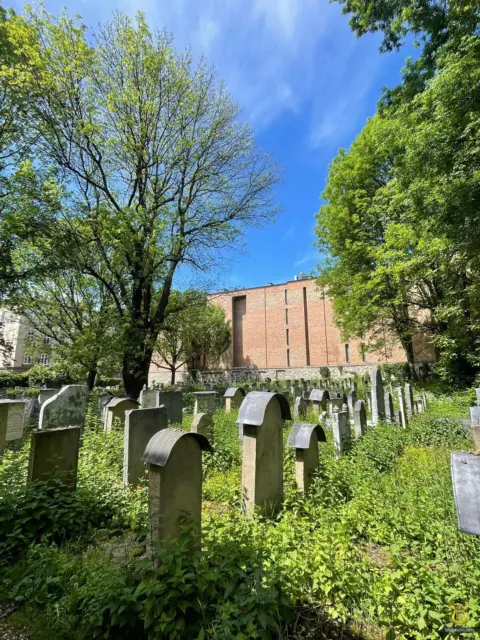
Moreover, he requested that after his own death he be buried next to Yosele, and to this day the two graves lie side by side at the edge of the Remuh Cemetery in Krakow.
May the merit of this hidden tzadik protect Am Yisrael!
(Rabbi Dovid Shochet, translated by Yaakov Chanin)
Gallery