Grave
Yehuda bar Ilai
Tanna
Yahrzeit (Hillula)
- 14 Iyar — Rabbi Yehuda bar Ilai - Tanna
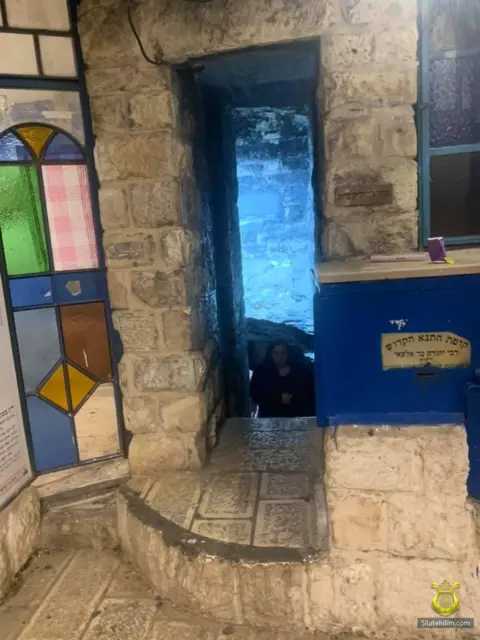
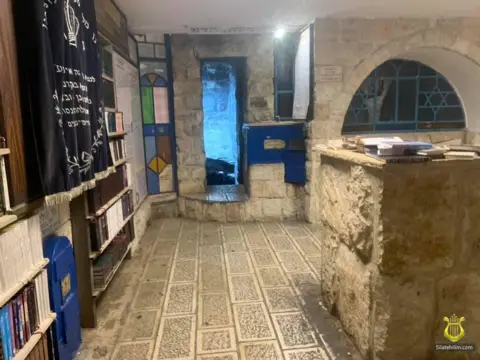
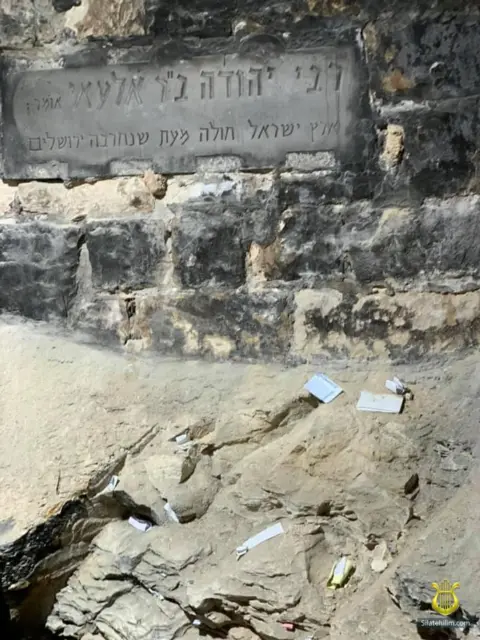
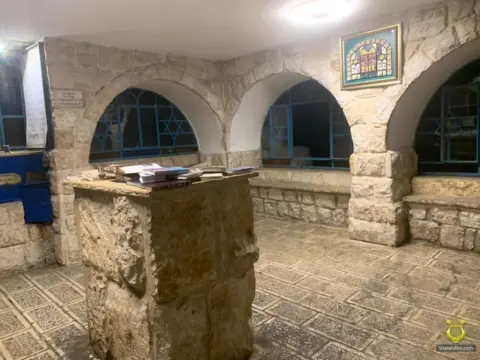
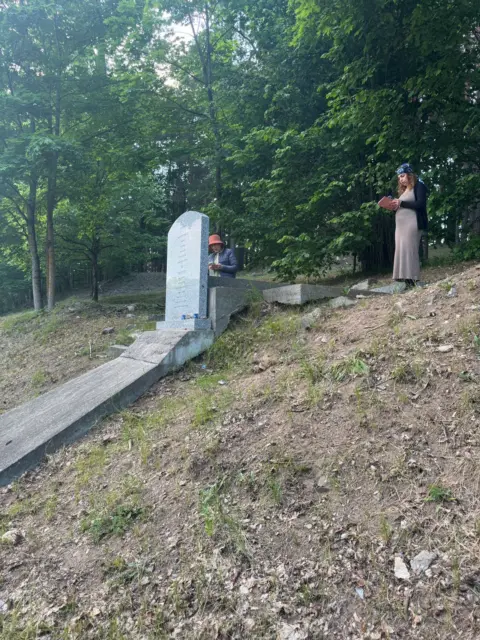
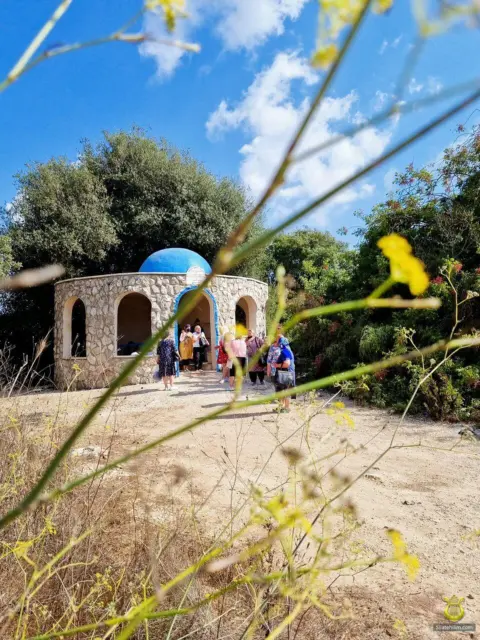
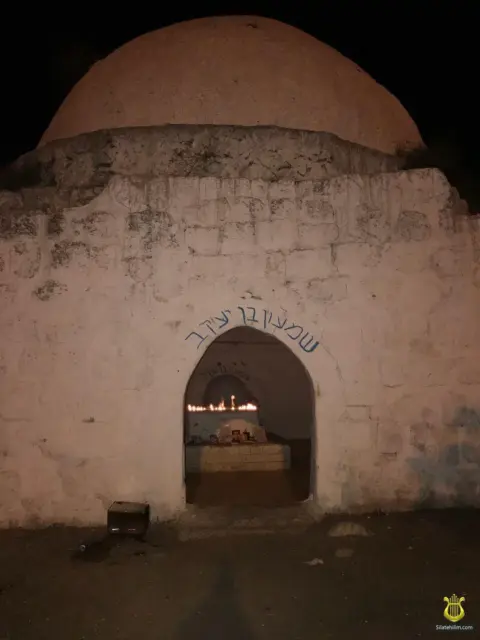
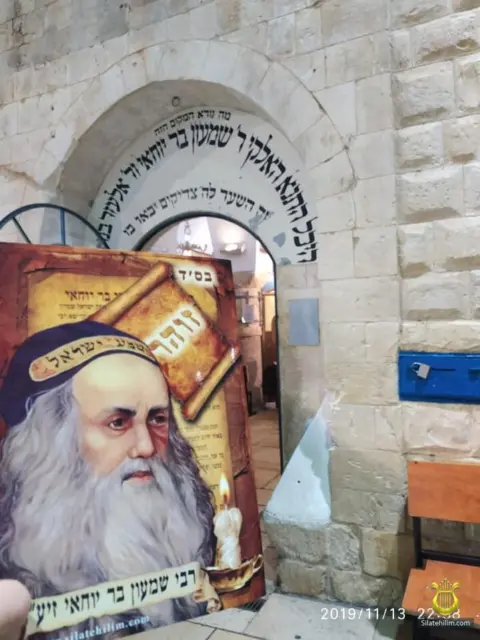
Grave of the Tanna Rabbi Yehuda bar Ilai
Yahrzeit - 14 Iyar;
Burial place - Ein Zeitim (between Meron and Tzfat);
GPS: 32°59’4.68″N 35°29’26.11″E
32.984632 35.490586
Segula for praying about Parnassa (livelihood), for Kol Yeshuot.
The Tanna Rabbi Yehuda Bar Ilai was born in the ancient city of Usha, traces of which survive on the grounds of the kibbutz bearing the same name, not far from the modern city of Kiryat Ata.
He received his education from his father, who was a student of Rabbi Eliezer ben Hyrcanus.
He then studied in the city of Lod under Rabbi Tarfon, who became so attached to the young man that he called him his own son. Rabbi Elazar ben Azariah and Rabbi Yishmael ben Elisha also contributed to his education. He completed his studies as one of the last five students of Rabbi Akiva, together with Rabbi Meir, Rabbi Shimon (bar Yochai), Rabbi Yossi (ben Chalafta), and Rabbi Elazar (ben Shamua).
After the bloody suppression of the Bar Kochba revolt, by decree of Emperor Hadrian, Jews were forbidden to observe Shabbat and other holidays, to pray to the Al-mighty, to perform circumcision, to put on tefillin, or to study Torah. Disobedience was punishable by death. Despite all this, the above-mentioned students of Rabbi Akiva managed to receive a blessing and rabbinic ordination (smicha) from Rabbi Yehuda ben Bava, who paid for it with his life.
Some relief came with the new Caesar, Antoninus Pius. It became possible to revive national foundations — "the restoration of the authority of the Torah."
This allowed Bar Ilai to gather the sages in his native city of Usha, where he held an assembly at which it was decided to restore the Sanhedrin.
His name is mentioned more than 600 times in the Mishnah, and in almost every tractate of the Talmud there are more than 3,000 halachic and aggadic sayings attributed to him, the most famous of which are the following:
"Labor is important for everyone, and it honors everyone who engages in it";
"Whatever does not teach us a trade teaches us robbery";
"A people is like dust and stars. When it falls, it mixes with the dust of the earth, and when it rises, it ascends to the stars."
In references to the midrash from the section of the Oral Torah devoted to "Torat Kohanim," he is mentioned not by his own name but as "Chassid," which literally translates as "pious one."
The Talmud (Nedarim) tells how the wife of the Tanna Bar Ilai bought wool yarn at the market, spun it, wove fabric, and sewed a cloak, which she and her husband wore in turns.
One day, when all the sages gathered at the house of Rabbi Shimon ben Gamliel to observe a fast, it turned out that Rabbi Yehuda bar Ilai was not among them simply because he had nothing to wear, as his wife had gone to the market wearing the cloak.
Ben Gamliel sent a man to him with a cloak as a gift. But Bar Ilai flatly refused to accept it, saying that he did not need gifts. A little patience — and he would come. One only had to wait for his wife's return.
"Do not think that I am poor," he said, and lifting the rug on which he was sitting, he revealed gold dinars covering the floor.
Then, seeing the shock on the messenger's face, he added: "I can afford whatever I want. But I need no more than what is necessary for existence. I am content with what I have."
"And at once the gold dinars disappeared, because Rabbi Yehuda did not want to take them and remained in his poverty, as before."
He never accepted charity, firmly believing that everyone should earn their own living. He held that "the foundation of life is the study of Torah, and a trade is merely a means to that end." And when "a trade becomes the main occupation of life and the study of Torah becomes secondary, then neither the Torah nor the trade will bring good results."
In the tractate "Shabbat" of the Mishnah it says that "having washed his hands and feet with hot water, he would dress in white garments and sit like an angel of the L-rd."
His closest friend was Rabbi Shimon bar Yochai, the founder of Kabbalah, one of those who managed to revive the legal activity of the Torah scholars.
And the most famous of his students was Rabbi Yehuda HaNasi, the compiler of the Mishnah.
The dates of Bar Ilai's birth and death are unknown (there is an opinion that it was 14 Iyar).
It is only known that he was buried in Upper Galilee, northeast of Tzfat, not far from the place where the Arab village of Ein Zeitun once stood.
In this mystically strange place, today one can see only a monument in the shape of the letter "ש," erected on the top of the hill in memory of the soldiers of an armored brigade who fell during the Six-Day War on the approaches to the Golan Heights.
Tradition says that the holy man's remains rest in a cave on the mountainside, near which grew an olive tree that believers took apart piece by piece.
Frequent visitors to his grave were Shlomo Alkabetz and the Arizal (Ari HaKadosh). At that time the entrance to the cave was very low, and it was not easy to crawl inside.
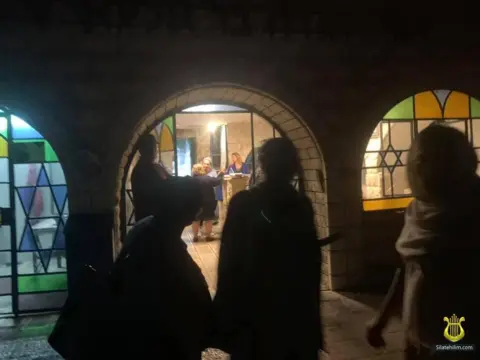
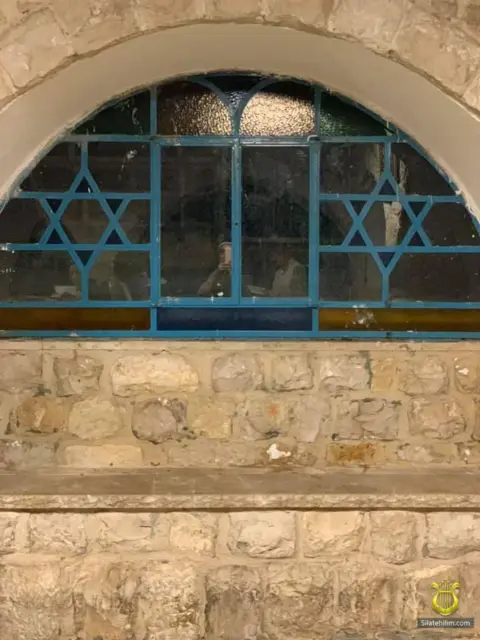
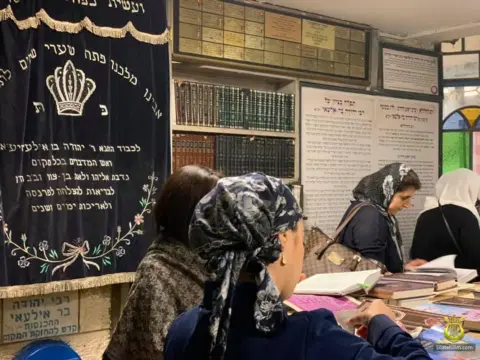
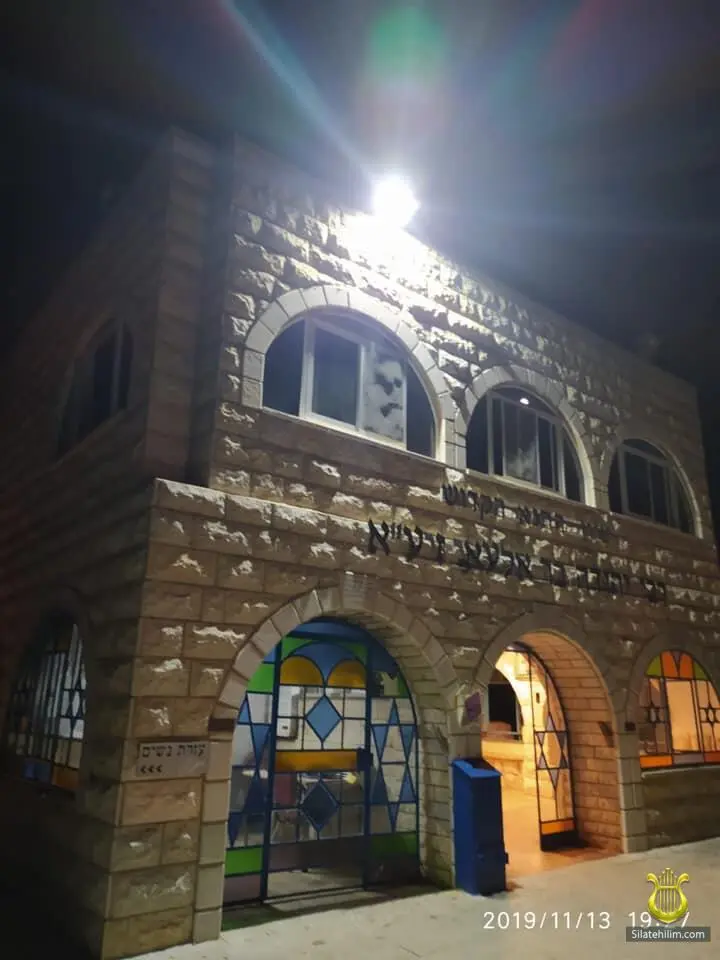
Only in the 1980s was the site, where Bar Ilai himself and his son are presumed to be buried, improved, surrounded with trees, and a synagogue was built.
It is believed that it is at the grave of Rabbi Bar Ilai that one can pray for an improvement in one's financial situation.
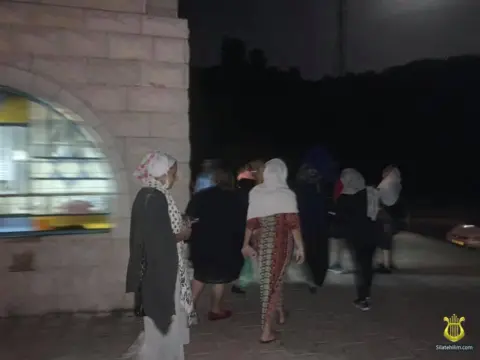
It is customary to travel to Bar Ilai on the night of Pesach Sheni (the second Pesach). This tradition was established by the Arizal for holding the hillula of the tzadik.
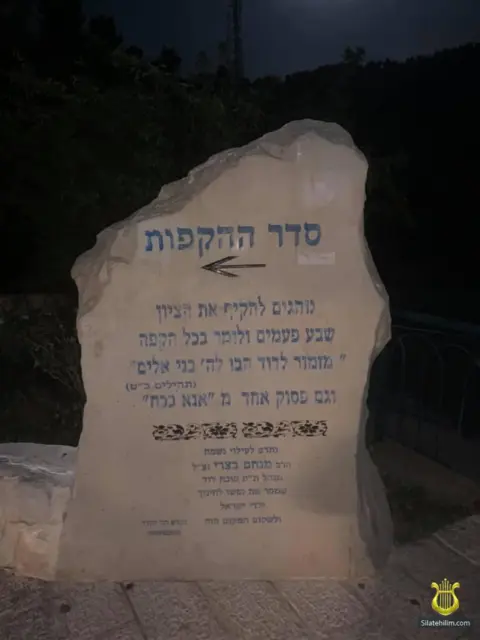
The ceremony begins with everyone circling the tomb seven times, reciting certain prayers: verses (pesukim) from the Torah, Tehillim, and excerpts from the book "Sefer Charedim" (Book of the Trembling).
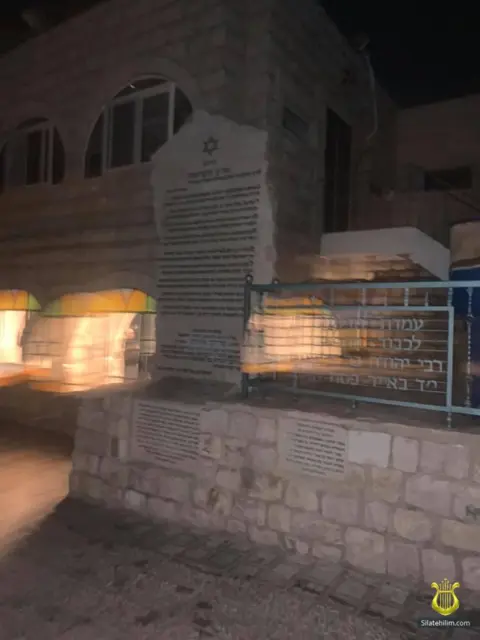
On stones placed near the building, the rules for conducting the hillula are engraved, indicating how many times one must circle the synagogue and in what order the sacred texts should be recited.
The Arizal's tradition was revived by Rabbi Mordechai Eliyahu — to come to the grave of Bar Ilai to pray and sing the praises of Zion, calling on all Jews to love it with the same strong love that children have for their mother, and also to suffer heartfelt pain over the destruction of the Second Temple.
May the merit (zechut) of the tzadik protect our people!
(Ruth Samuels, "By the Paths of Jewish History")
Gallery