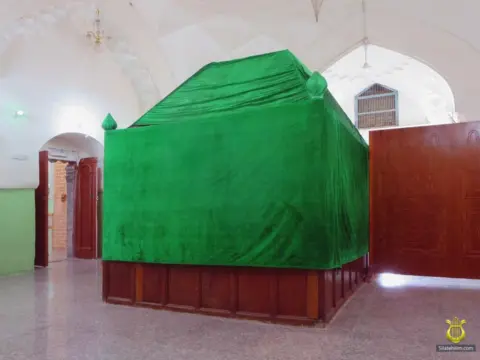
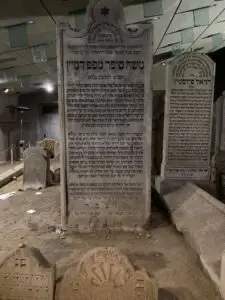
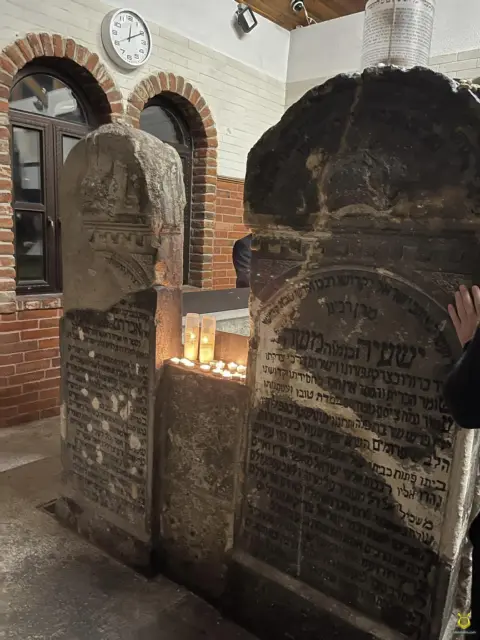
Grave
Yitzchak Gavra
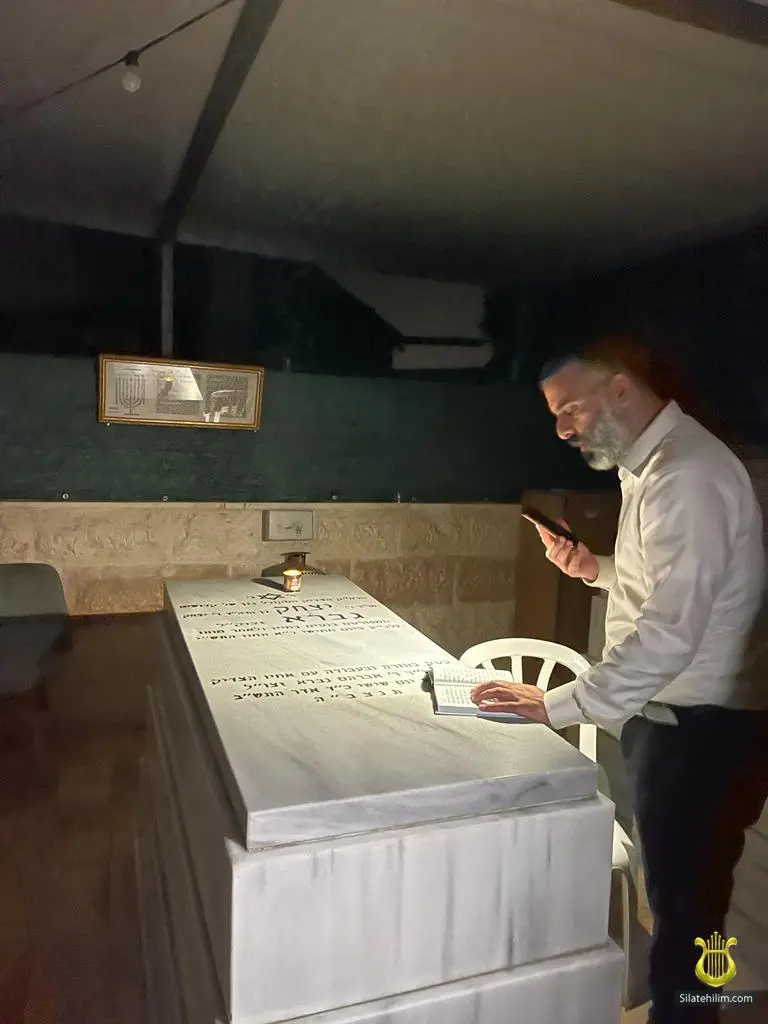
Yahrzeit (Hillula)
- 21 Tammuz — Rabbi Yitzchak Gavra
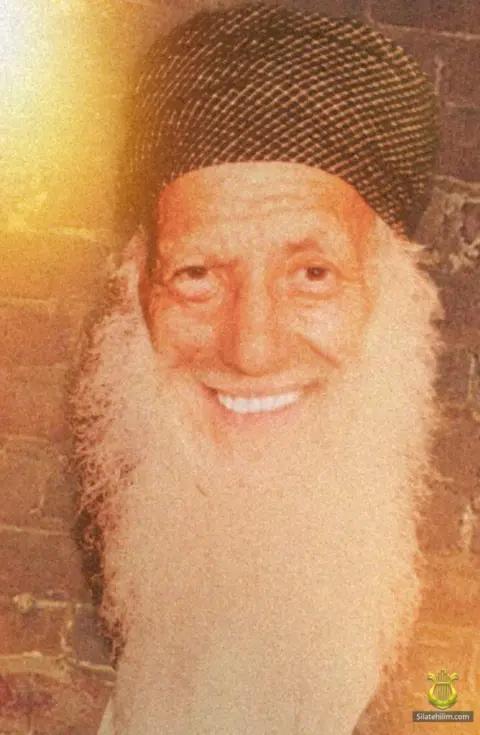
Rabbi Yitzchak Gavra - Chacham, who knew the entire Sefer Tehillim by heart and read it 26 times a week.
Yahrzeit – 21 Tammuz
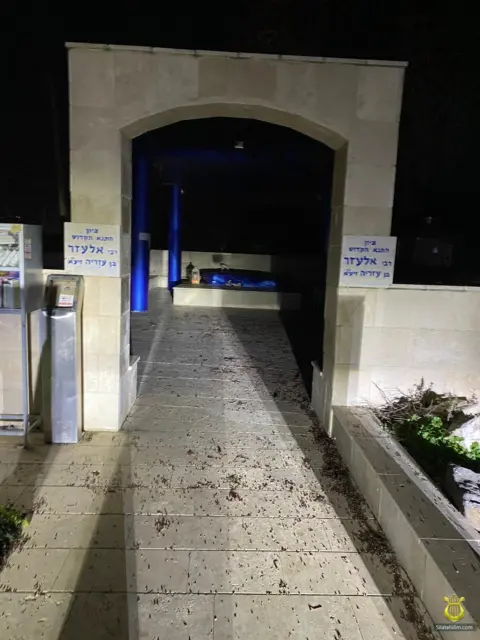
Burial place – Moshav Agur (from the Jerusalem-Tel Aviv road, turn onto Road 38 toward Beit Shemesh, and after the ‘האלה’ junction – there is a sign for Agur).
He was born in the village of Aswad, northwest of Sana'a, the capital of Yemen. His family's ancestors had served as rabbis of the village for 16 generations in a row. In his youth he studied Torah with his father and grandfather. He was orphaned at a young age, and his brother, Rabbi Avraham, took his father's place. His brother, Rabbi Avraham, died in 1777 and was buried in Yemen. After the deaths of his father and brother, leadership passed to Rabbi Yitzchak, who taught Torah to rabbis and was the 17th rabbi in his line; he also served as a mohel.
It is known that he was extremely well-versed in Torah and had a phenomenal memory, knowing by heart the six orders of the Mishnah and the Rambam's Mishneh Torah.
He knew all the Psalms by heart and would read through the entire Sefer Tehillim 26 times a week, in addition to his regular study schedule.
Rabbi Yitzchak moved to the Land of Israel together with his congregation, and after a long journey they settled in the abandoned Arab village of Agur. Conditions there were very harsh at the time, and the area was desolate and remote. Together with his sons Rabbi David (who later became the rabbi of Yavne) and Rabbi Yahya, he built a mikveh in the new settlement, which received the approval of the Chief Rabbis, Rabbi Herzog and Rabbi Uziel.
Before his death on 21 Tammuz 5717 (should note: as given, 5777), Rabbi Yitzchak instructed that he be buried in the courtyard of his home. According to the account, he predicted that on the day of his death it would rain, and that his wife would die 90 days after him – and so it happened. He left behind three sons; his son Rabbi David served as the rabbi of the Gederot Regional Council.
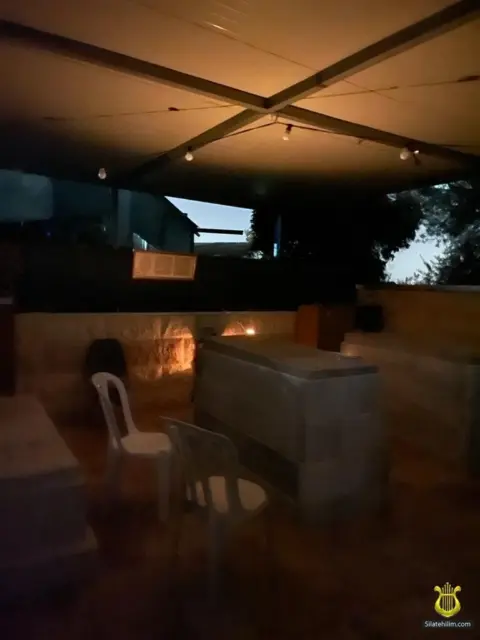
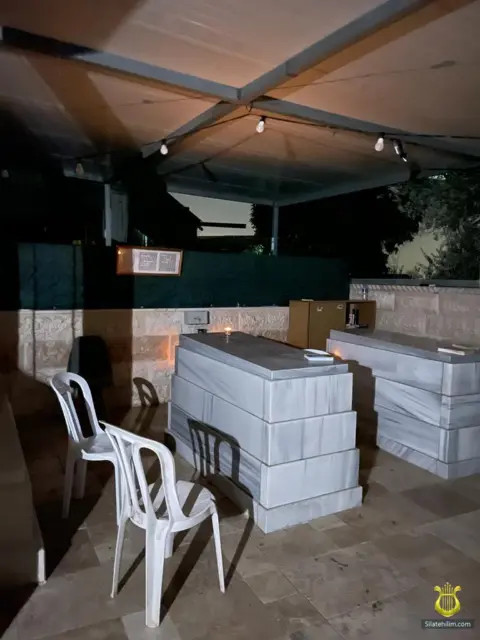
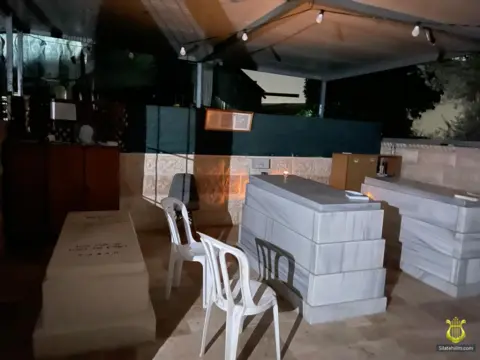
The Tzadik's Resting Place
As mentioned, he asked to be buried in the courtyard of his home, even though no burial plot had been designated there. According to the account, border patrol officers who arrived at the site to clear the grave were unable to complete the task and were injured in the process.
After his death, due to the difficult political situation, the residents left the village and the grave was abandoned. In 2017 the village was resettled by immigrants from Kurdistan, but the moshav's residents did not know of the grave's existence. Since the grave was located behind the houses without a tombstone, only a row of stones surrounded the tzion – over which grass grew, concealing its existence.
One night, an elderly woman who lived in a house near a carob tree – an innocent, G-d-fearing woman – had a dream in which the image of the tzadik appeared to her: “My name is Rabbi Yitzchak Gavra, and I am buried under the carob tree, near your house. Do not be afraid; I ask you to stay and watch over my grave. And here is a sign for you: a certain woman you know, who has been married for several years and has been unable to have children, will give birth to three children.” He also said to her: “Why do my sons not come to me?”
The old woman woke up shaken, and immediately went to the carob tree and began cutting the grass beneath it until she found the grave, marked by a row of large stones. She cleared the place well and lifted the stones so that the burial site could be seen. After that she began lighting candles there and prayed there often, and a miracle occurred: an oil candle she lit burned continuously from one Shabbat to the next.
Since then, word spread about the Genizat HaTzadik and that nearby there was the grave of a great tzadik. Many began visiting the grave and found salvation from their troubles and hardships.
The villagers say that once goats were tied under the carob tree, which was seen as a disrespect to the holiness of the place, and the punishment came instantly – some of the goats fell ill, and others suddenly died.
Since then, hundreds of thousands of Jews have come to visit the Tzadik's resting place and have received answers to their prayers and deliverance.
Segulot
People come to pray at the Tzadik's grave for yeshuot, for the birth of children, and great miracles have also been associated with shidduchim.
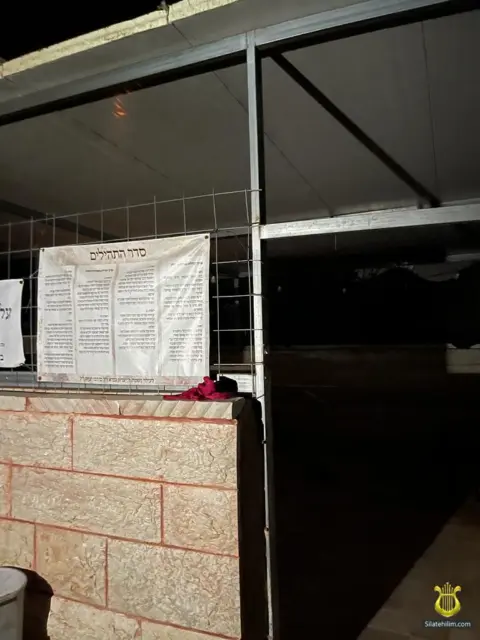
P.S. We arrived at the grave at night – on our way to the Kotel – and were very surprised by a sign that read: “Do not visit the grave at night.” As it was explained to us, the grave is located on the grounds of a private home, so it is preferable not to visit at night.
May the merit of the Tzadik protect Am Yisrael!
Gallery