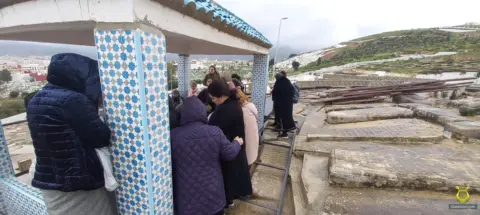
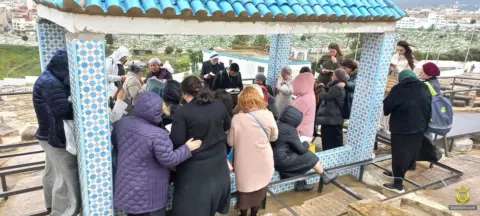
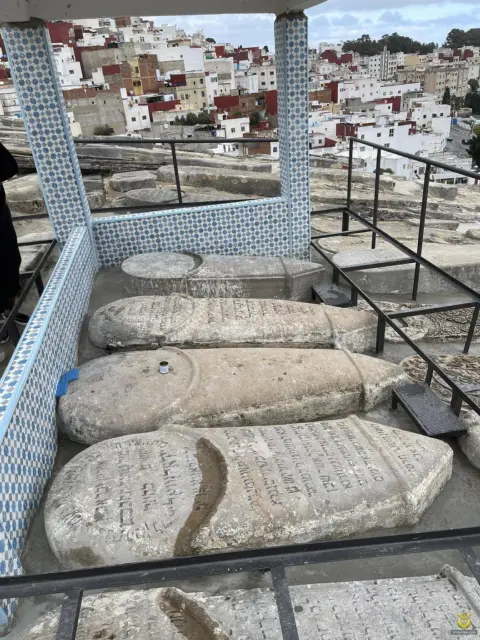
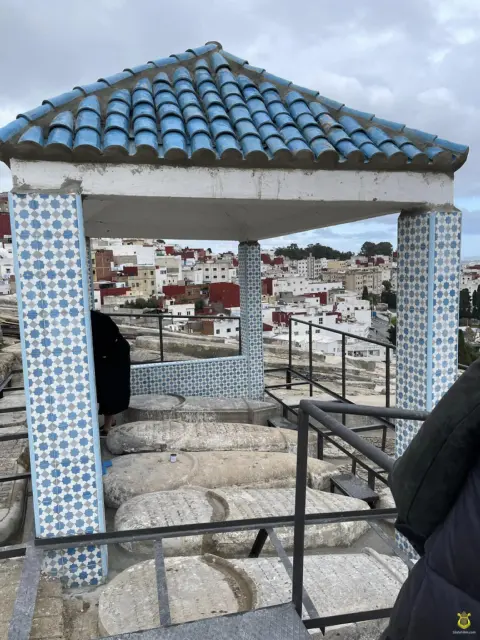
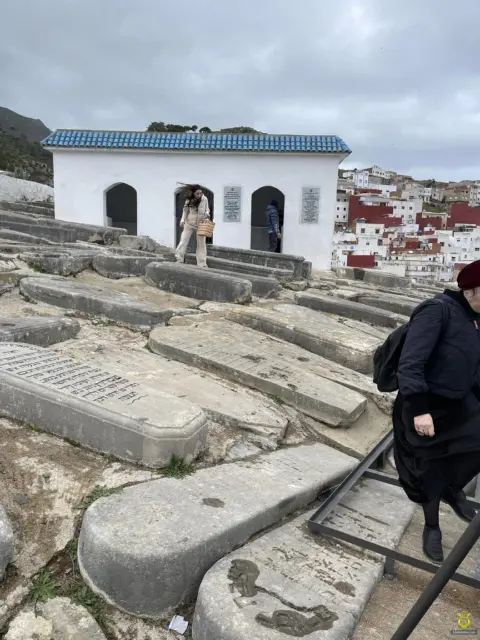
Grave
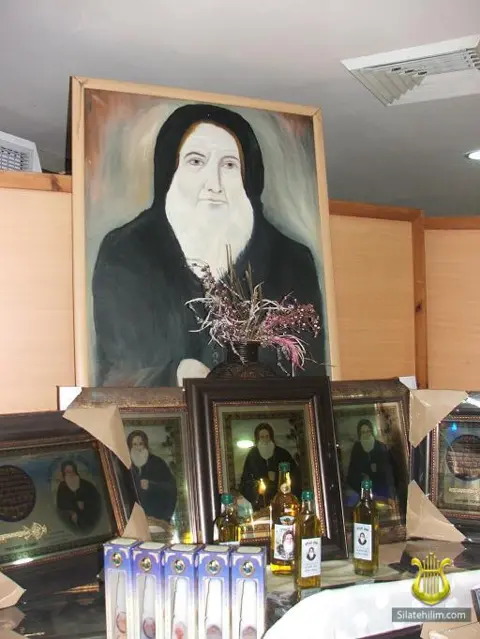
Yitzchak Ben Walid
"Vayomer Yitzchak" - Tetuan
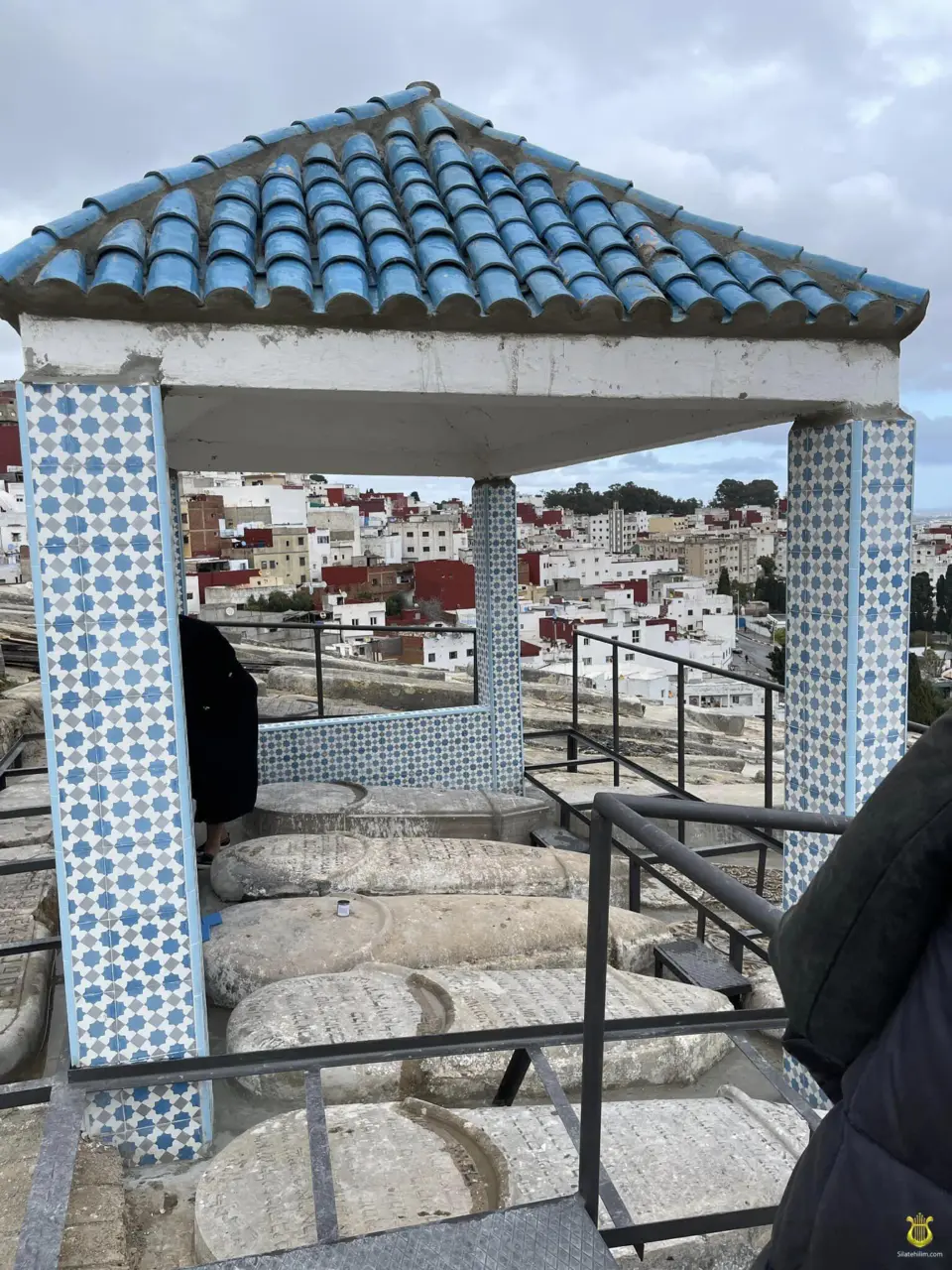
Rabbi Yitzchak Ben Walid - "Vayomer Yitzchak" - Morocco
Yahrzeit - 9 Adar
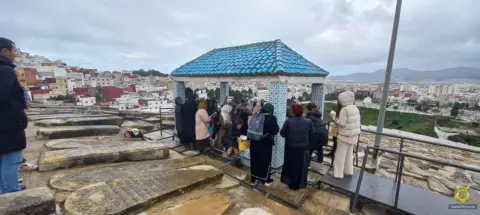
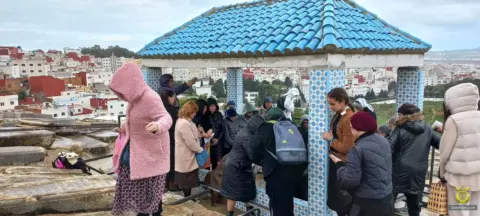
Resting place - Tetuan, Morocco - Cimetière juif de Tetouan
The tzadik Baba Meir Abuchatzeira - son of Baba Sali - testified that he had never before felt such holiness as he felt at the grave of the holy and revered Rabbi Yitzchak Ben Walid.
The Gaon, Rabbi Yitzchak ben Shem Tov Ben Walid, rabbi of Tetuan, was one of the most outstanding figures among the Gaonim of Morocco (1777-1870).
Rabbi Yitzchak was born in a town where a Jewish community of Spanish origin lived, and he continued the magnificent lineage of the illustrious Ben Walid family. The community had settled there after the expulsion of the Spanish Jews, and they preserved their unique and ancient Spanish language - Ladino. Rabbi Yitzchak came from a family of rabbis, and his father was the chacham, Rabbi Shem Tov.
He was named after his grandfather, Rabbi Yitzchak. From childhood it was evident that he was destined to become a great man. Thus, even before he reached the age of bar mitzvah, he was immersed in the study of Torah, and from his youth signs of purity and holiness emanated from him.
While still young, Yitzchak lost his father. He lived with the rest of his family in difficult conditions.
Father's Talmud
It is said that after his father's death, the burden of supporting the family fell on his mother's shoulders, who worked hard to provide bread for her many children. Once, when the family was in very dire straits, his mother was forced to sell the Shas (Talmud) of her late husband in order to buy bread for her children. Young Yitzchak, understanding his mother's pain, decided to save penny by penny in order to redeem his father's Shas.
11 Children
At 17 he was already a scholar. He had acquired vast knowledge of Torah and Halacha, so that all the sages of the generation noticed him and were convinced that he would reach great heights. At 18 he married the daughter of the Kedoshim family. She bore him a son, but soon died, leaving him with a small child. Several years later he married a second time, to a woman named Simcha Vidal Bibas. She helped and supported him in his service and bore ten children, all of whom became great Torah scholars. Their family of thirteen lived in poverty and had the bare minimum. He earned his living by drawing up contracts and through the synagogue which he led.
Humility
Rabbi Yitzchak Ben Walid was known for his great humility and turned down many positions that were offered to him. Thus, not wishing to be called the rabbi of his city, he left Tetuan and settled in Gibraltar. The Tetuan community sent delegates to Gibraltar to persuade him to return and beg him to become their rabbi. Only after seeing in a dream that he was meant to take on this position did he agree to become their rabbi, and for 40 years he held the positions of rabbi and Av Beit Din of Tetuan. Despite his high position, he always remained humble, pleasant and kind, answering every halachic question he was asked.
He was a great leader and showed unprecedented devotion to the members of his community, especially the needy, widows and orphans.
He loved Eretz Yisrael very much, and it is said that he sought out any information about the land of Israel. Moreover, he made aliyah and settled in Haifa; however, when attempts were made to cause discord around him, he decided to return to the diaspora. He generously helped raise funds for those who came from Eretz Yisrael.
The Miraculous Staff
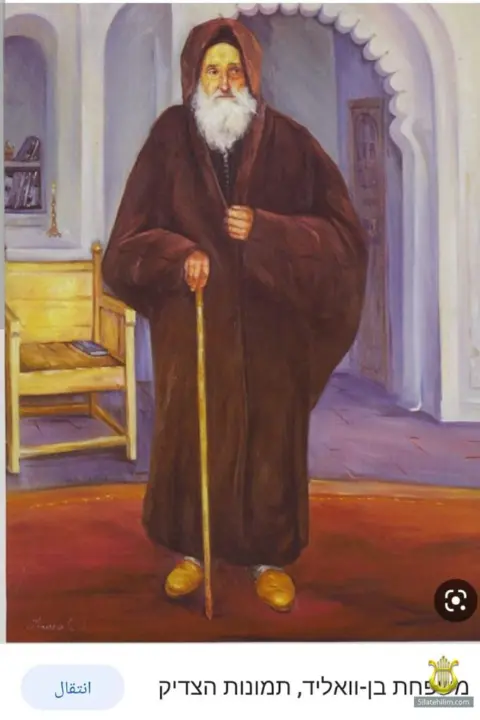
Rabbi Yitzchak had a walking stick which he used as a cane and which was passed down in his family from generation to generation. This staff was known for the miracles it performed, curing certain illnesses as well as ensuring easy childbirth. Many stories were told of the staff healing sick people whom no one else had managed to heal. In addition, it helped several women who had complications during childbirth and who were saved thanks to Rabbi Yitzchak's blessing.
The story goes that for many years Rabbi Yechaya Ben Naim (a student of Rabbi Yitzchak) had no son. His teacher advised him to make a pilgrimage to the grave of the famous Rabbi Amram Ben Diwan in Wazzan, so that by the merit of the tzadik he would have a son. Rabbi Yechaya followed this advice, and soon after, a son was born to Rabbi Yechaya, whom they named Moshe. Later, when the child fell ill, the name Rafael Chaim was added to his name.
Rabbi Chaim Shmuel Konvarti, the chief rabbi of the city of Tiberias, was the teacher of Rabbi Rafael Chaim Ben Naim. Rabbi Shmuel approved Rabbi Yitzchak Ben Walid's book "Vayomer Yitzchak" and praised the author, calling his greatness in Torah miraculous. Among other things, Rabbi Chaim Shmuel described him as "one of the last of the Great Assembly, the supreme and great rabbi, a fortress and stronghold, father of justice" - "Saba DeMishpatim".
Rabbi Yitzchak Ben Walid was known as a holy man who performed miracles.
At the age of 93, on Shabbat, he felt weak, and at the start of Shabbat he returned his soul to the Creator, his lips whispering Tehillim 92: "Mizmor shir leyom HaShabbat."
He passed away on 9 Adar 1870. Every year on this day his Yahrzeit is celebrated at his grave in Tetuan, as well as in Israel. May his merits protect us. Amen
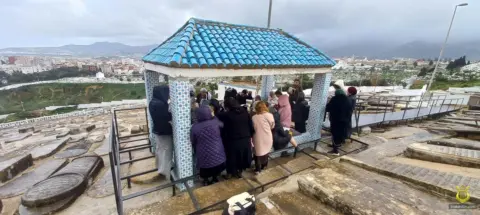
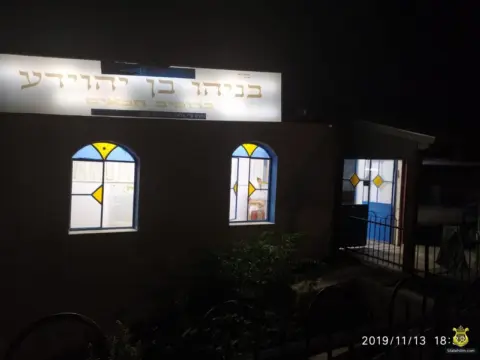
On 9 Adar, the day of his Hillula, many Jews go out at night to pray at his grave in Tetuan.
The tzadik Baba Meir Abuchatzeira testified that he had never felt such holiness as he felt at the grave of the holy and revered Rabbi Yitzchak Ben Walid.
At the age of 93, he was very weak, and at the start of Shabbat he gave up his soul to his Creator, his lips whispering Tehillim 92: "Mizmor shir leyom HaShabbat."
He passed away on 9 Adar 1870. Every year on this day his Yahrzeit is celebrated at his grave in Tetuan, as well as in Israel. May his merits protect us. Amen
To this day, the Jews of Morocco continue to honor the name of Rabbi Yitzchak Ben Walid, and in Israel many educational institutions bear the name "Vayomer Yitzchak" after Rabbi Yitzchak Ben Walid.
(https://hevratpinto.org/tzadikim_eng/063_rabbi_itzhak_ben_walid.html)
Gallery