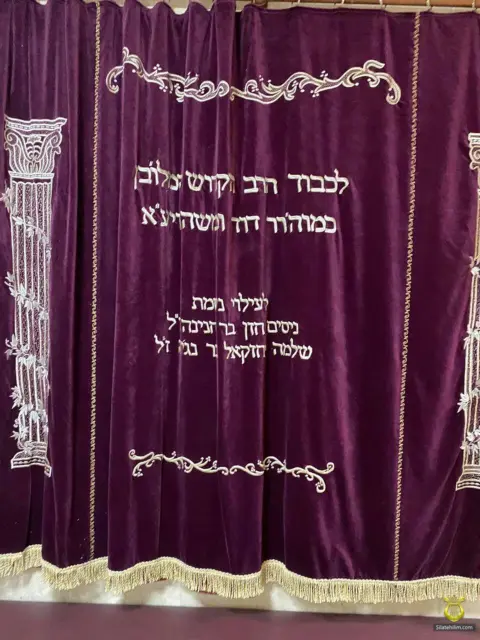
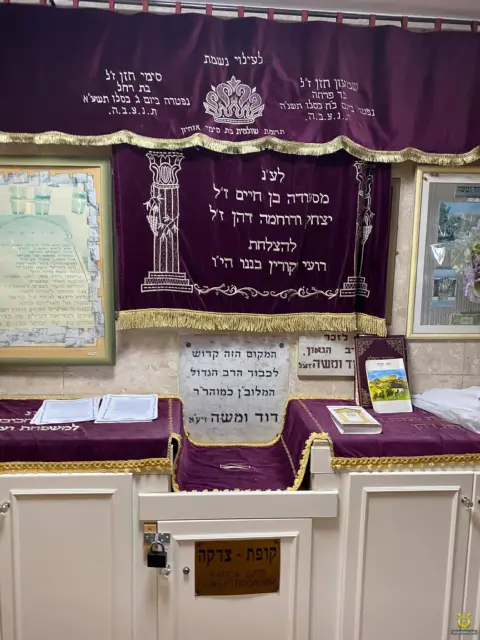
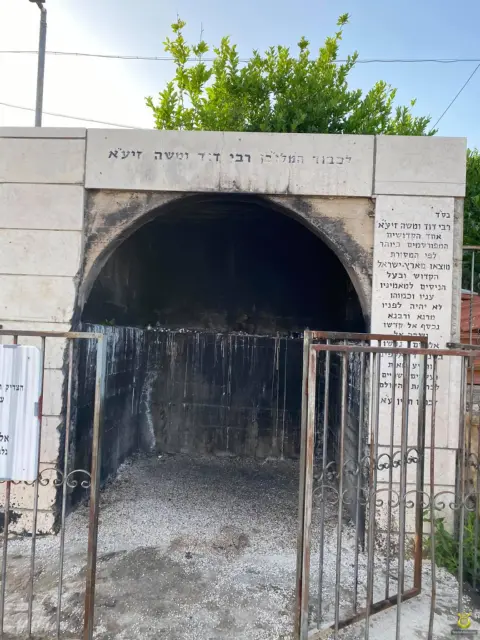
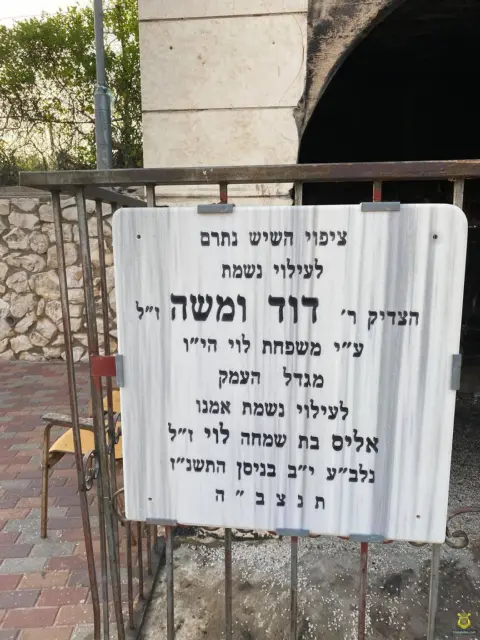
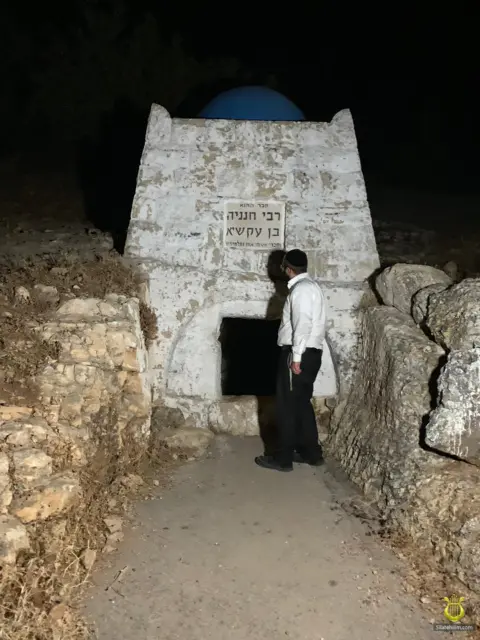
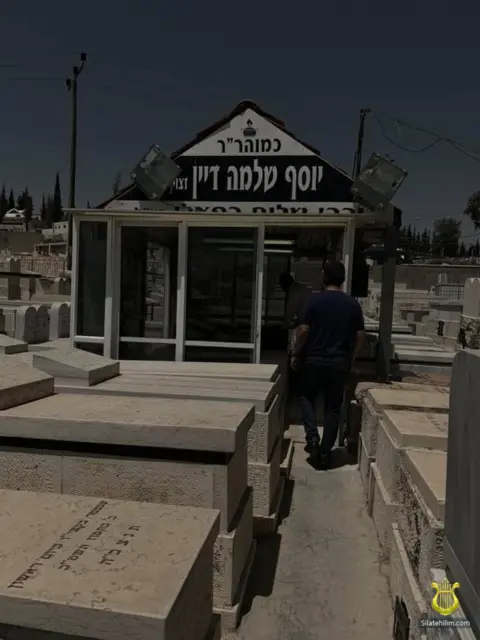
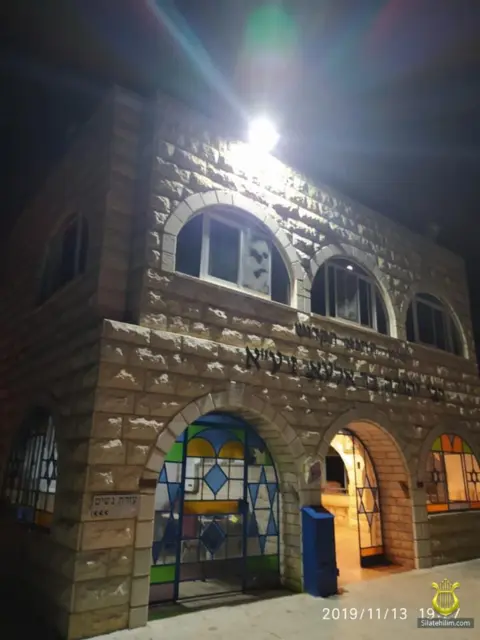
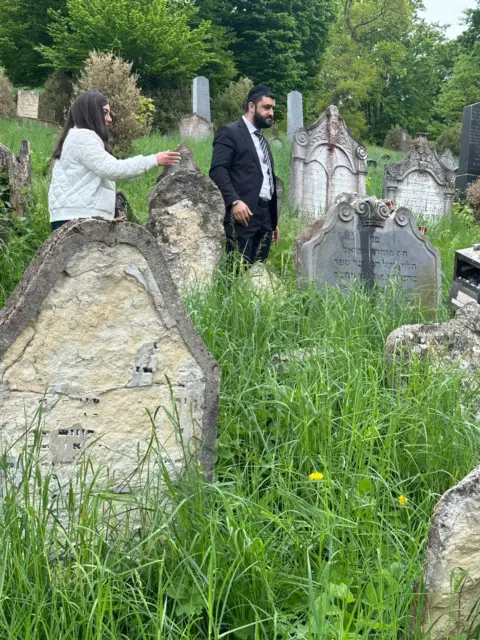
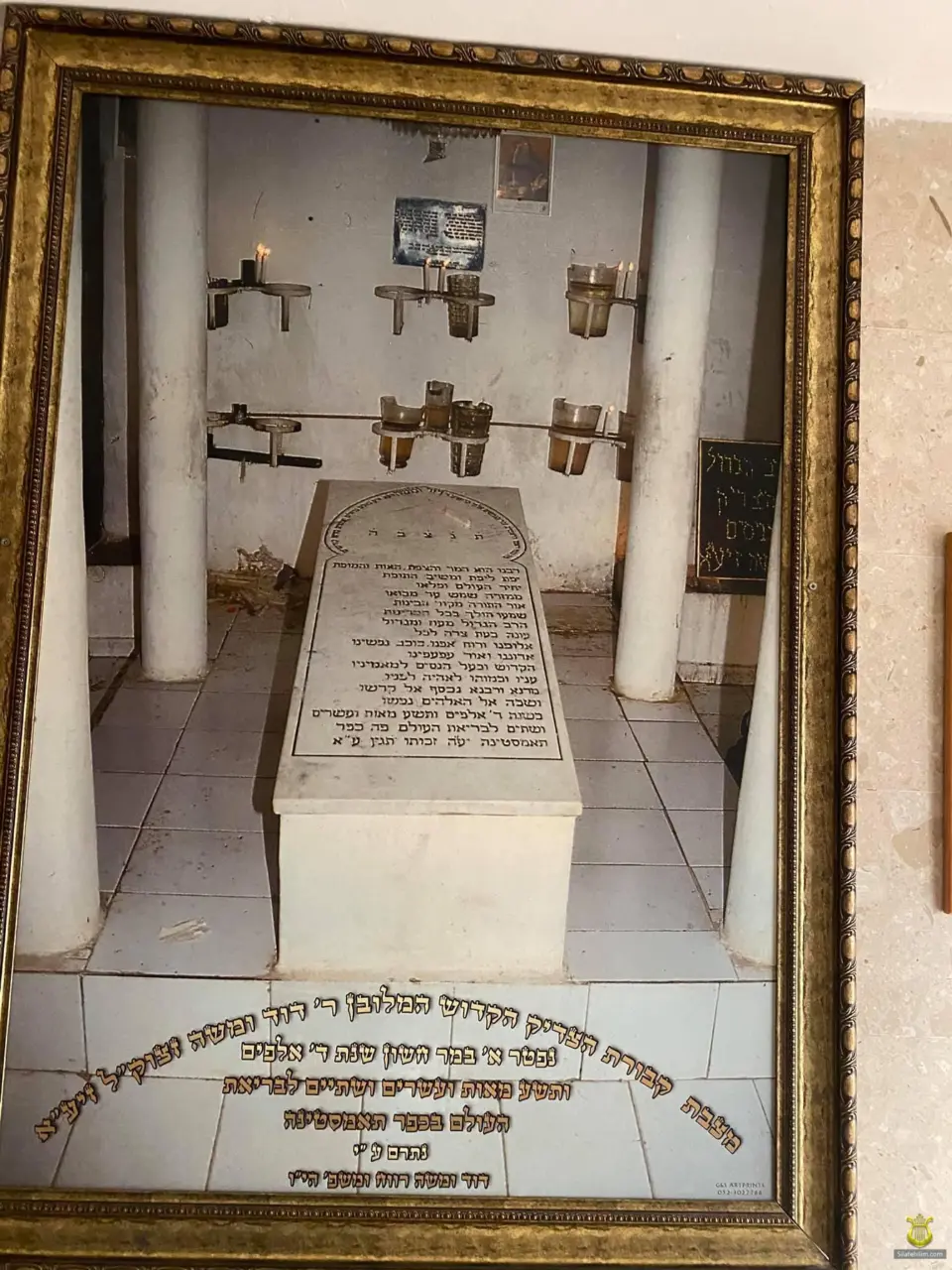
Grave
David u-Moshe
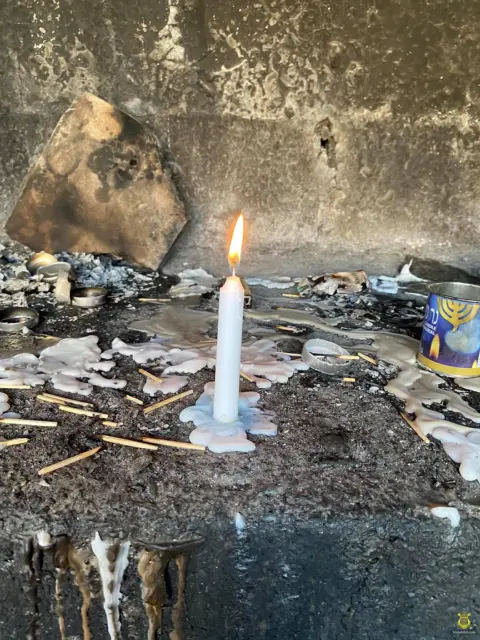
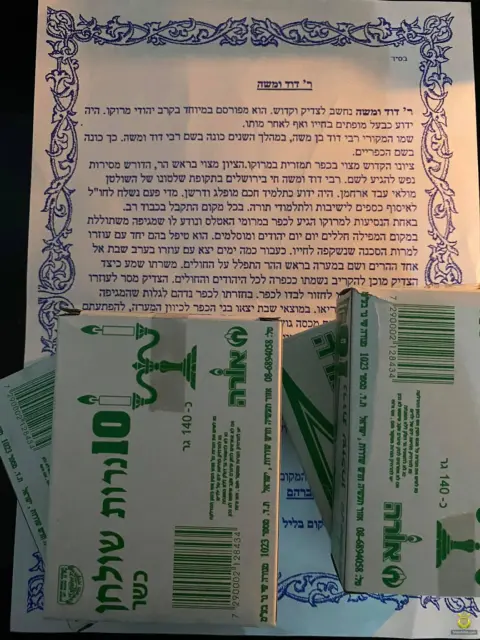
40 Candles
Yahrzeit (Hillula)
- 1 Cheshvan — Yahrzeit/Hilula of David u-Moshe – 40 Candles
Rabbi David u-Moshe - 40 Candles - the Tzadik from Morocco
Yahrzeit - Rosh Chodesh Cheshvan;
Burial place - Morocco, Tamzrit - site visited - Tzfat;
He is especially famous among Moroccan Jews.
He became renowned as a miracle worker both during his lifetime and after his passing.
His real name was Rabbi David ben Moshe, but over time he came to be called Rabbi
David u-Moshe - this is how the righteous man was called by the residents of the local villages in their dialect.
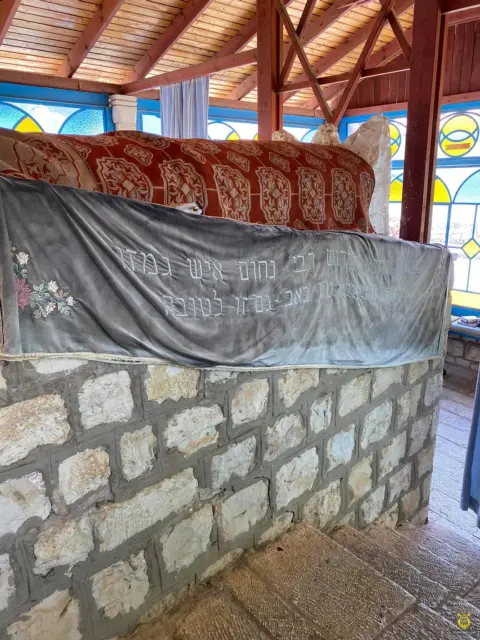
The tzadik's grave is located in Morocco, in the village of Tamzrit atop a mountain, ascending which is dangerous to life. Rabbi David u-Moshe lived in Jerusalem in the 12th century, during the reign of Sultan Mulay Abd al-Rahman in Morocco.
He was known as an outstanding talmid chacham and preacher. Each time he was sent abroad to collect money for the local yeshiva.
Wherever he came, he was received with great honor. On one of his trips to Morocco, the Rabbi arrived in a village atop the Atlas Mountains, and there he learned of an epidemic spreading through the settlement, killing many Jews and Muslims every day. He and his helpers began caring for the sick, disregarding the danger to themselves.
After several days, on Shabbat evening, the Rabbi went with his helpers to one of the mountains, and there, in a cave at the mountain's summit, he began praying for the sick. His attendant somehow heard that the tzadik was ready to sacrifice his soul in order to stop the epidemic and save all the Jews and the sick. The tzadik handed his mantle to his attendant and asked him to return to the village alone. Upon his return, the attendant was astonished: the epidemic had receded, and the sick had recovered.
At the end of Shabbat, the villagers went out and headed toward the cave.
To their astonishment, the entrance to the cave was blocked by an enormous piece of rock. They began reciting Tehillim, and then they saw a fire above the cave, resembling the fire of the Menorah. Opposite the Menorah stood the tzadik's gravestone. From that time to this day, Jews and Muslims tell of the miracles that happen to them thanks to prayer in this cave for the elevation of the righteous man's soul.
The day of Rabbi David u-Moshe's passing is considered to be
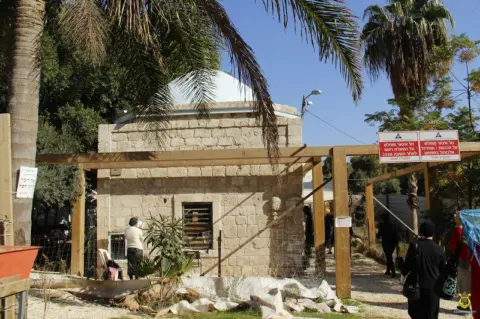
Rosh Chodesh Cheshvan, and on this day the Hillula is solemnly celebrated in Morocco and in Tzfat, at the house of Rabbi David u-Moshe.
40 Candles
Shortly after the Yom Kippur War in 1973, Avraham ben Chaim, father of 10 children, who had immigrated from Morocco in 1935 and settled in Tzfat, working as a forester in the forests of Tzfat, began to see the same dream every night.
Avraham ben Chaim tells of the first dream: A man in white garments stood beside me, his face shining like an angel's. He came up to me and led me to high mountains. Among the rocks I saw a small space, to which he led me, and there he sat down on the ground and said: "Look, only 10 people now mark the day of my passing, and I ask you, why have the Jews of Morocco forgotten and abandoned me? Where are all the tens of thousands who used to come to me, my followers and faithful ones, who came here year after year?" I answered him: "Rabbi, do you want all the Jews who have left Morocco to specially return there for your Yahrzeit?" Then Rabbi David turned me around and asked: "What place is this, where we are now?" I answered him: "This is my home."
Then the Rabbi said: "I want you, in this place, year after year, to celebrate the day of my Hillula.
I am Rabbi David u-Moshe. I am the one who prays before the Almighty to guard the borders of Israel and the soldiers of Israel.
Why then have the Jews of Morocco abandoned me?
Therefore I am now in the Holy Land, and I want the celebration of my Hillula to be renewed here, in this place."
Two days later he appeared to me again in a dream, as I lay on my bed between sleep and wakefulness. He said to me: "You did not tell people correctly that you saw me in a dream. You should have told them that you saw me while awake. But I forgive you. Now listen to what I tell you. I have left Morocco and decided to settle here, since this is a holy place, and I have chosen you to be my servant. Therefore do the following:
1. Establish a place where candles will be lit in memory of me. Anyone who wishes to make a request for himself should light one candle.
2. Next to the place for the candles, place a donation box, and people will be able to put money in it as they wish.
3. Anyone who approaches the place to light candles must approach with awe and do so with all his heart.
4. Anyone entering here must be pure in body and righteous in his deeds.
5. These candles must not be resold or traded. Anyone who lights them must be pure and righteous, as stated above.
6. This place must be open to all people, day and night.
7. During the memorial meal there must be no distinction between adults and children, rich and poor. All must be equal.
8. The memorial meal should be held at night on Rosh Chodesh Cheshvan.
If Rosh Chodesh falls on Friday, then the meal is held on Thursday night.
9. Warn your wife and the rest of your household not to allow anyone who is not ritually pure to enter here.
10. With the donations you receive, expand this place so that tens of thousands can come to pray - fill the whole space here, and be blessed!"
Based on this dream, a custom arose of coming to Tzfat, to the house of Rabbi David u-Moshe, to purchase there
40 candles, to light the first candle in the house of Rabbi David u-Moshe, and the remaining 39 at home.
While lighting the candles, one request is made to the Almighty, in the merit of the righteous man. Visitors are asked to treat this place with care and to follow the instructions of the members of Avraham ben Chaim's family, who watch over the upkeep of this place day and night, so that all who wish may come here and pray.
Gallery