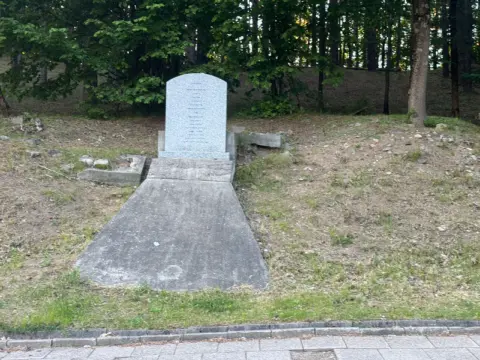
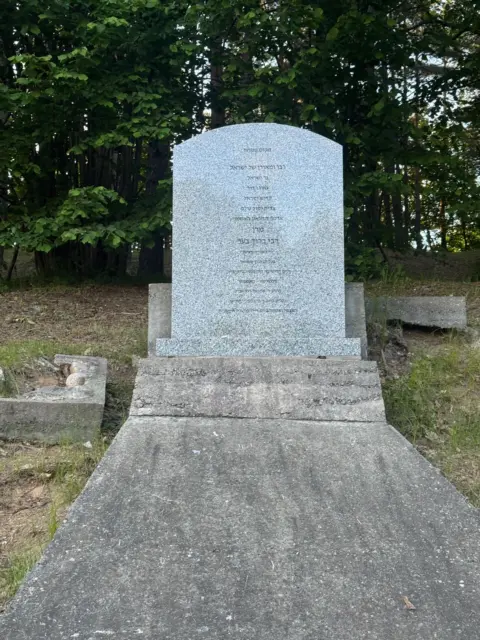
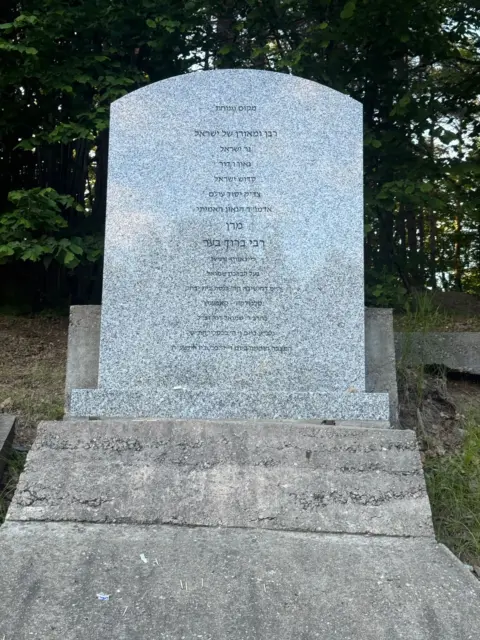
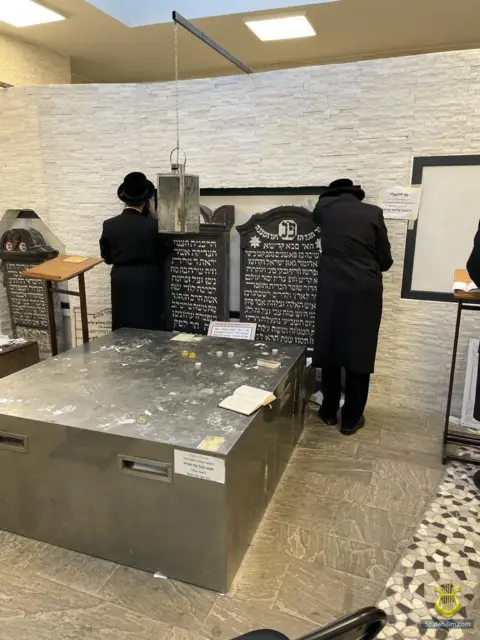
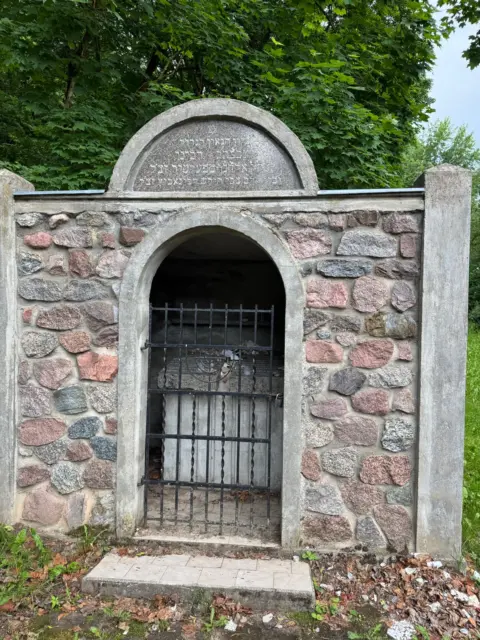
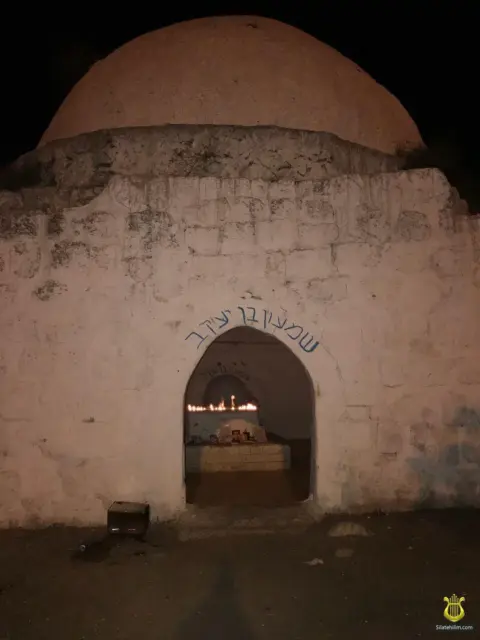
Grave
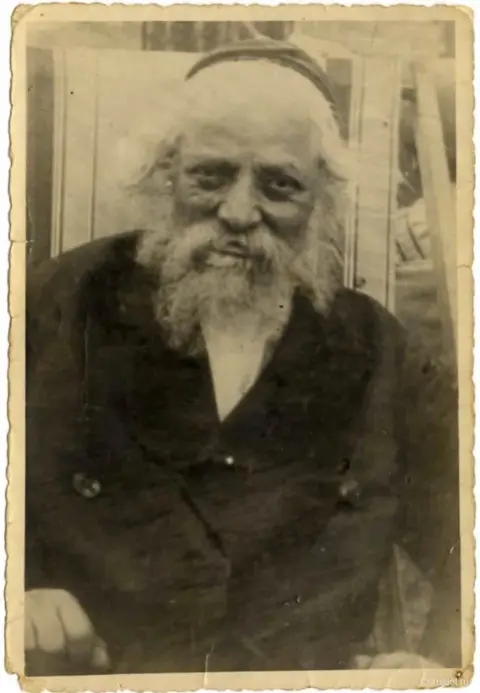
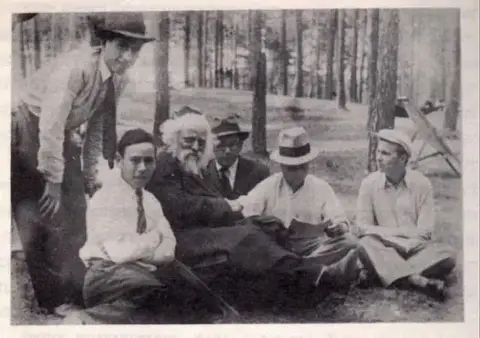
Boruch Ber Leibowitz
Yahrzeit (Hillula)
- 6 Kislev — Rabbi Boruch Ber Leibovitz - "Birkat Shmuel"
Rabbi Boruch Ber bar Shmuel David Leibowitz was born in Slutsk in 1862
Yahrzeit — 6 Kislev
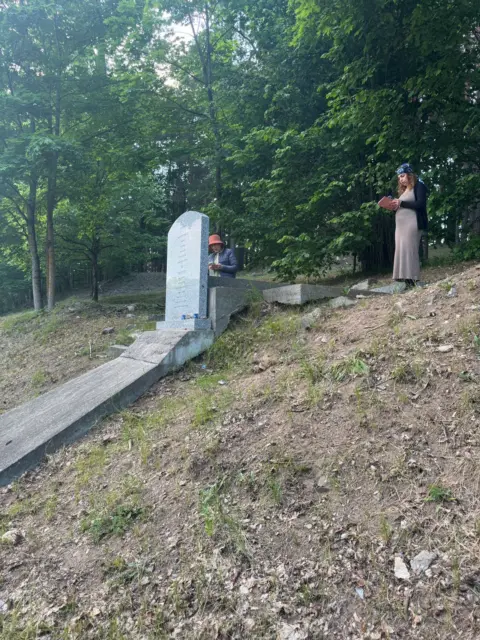
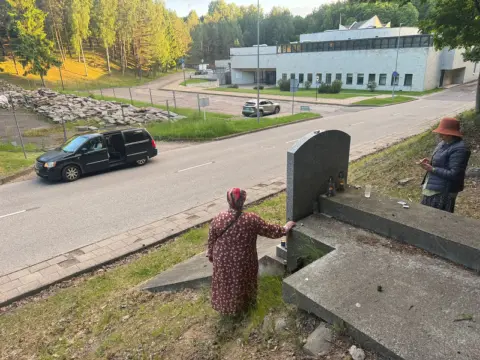
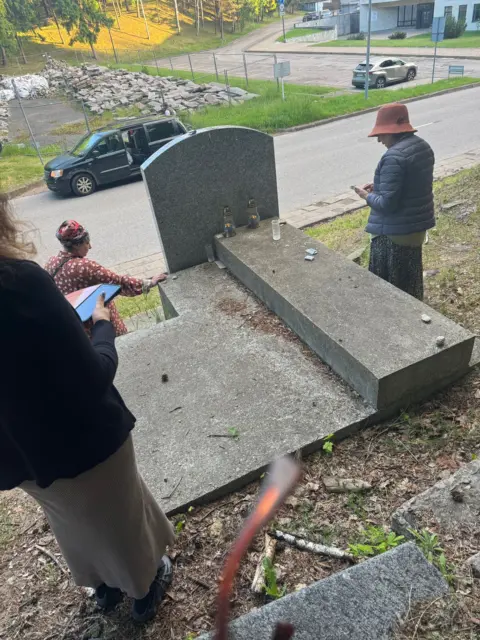
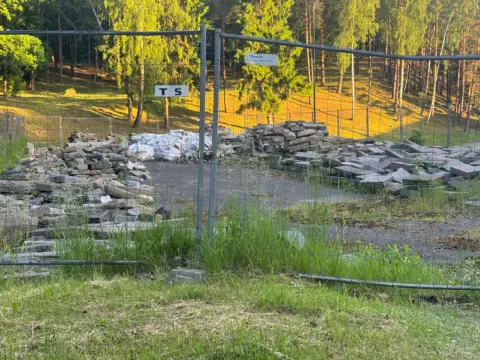
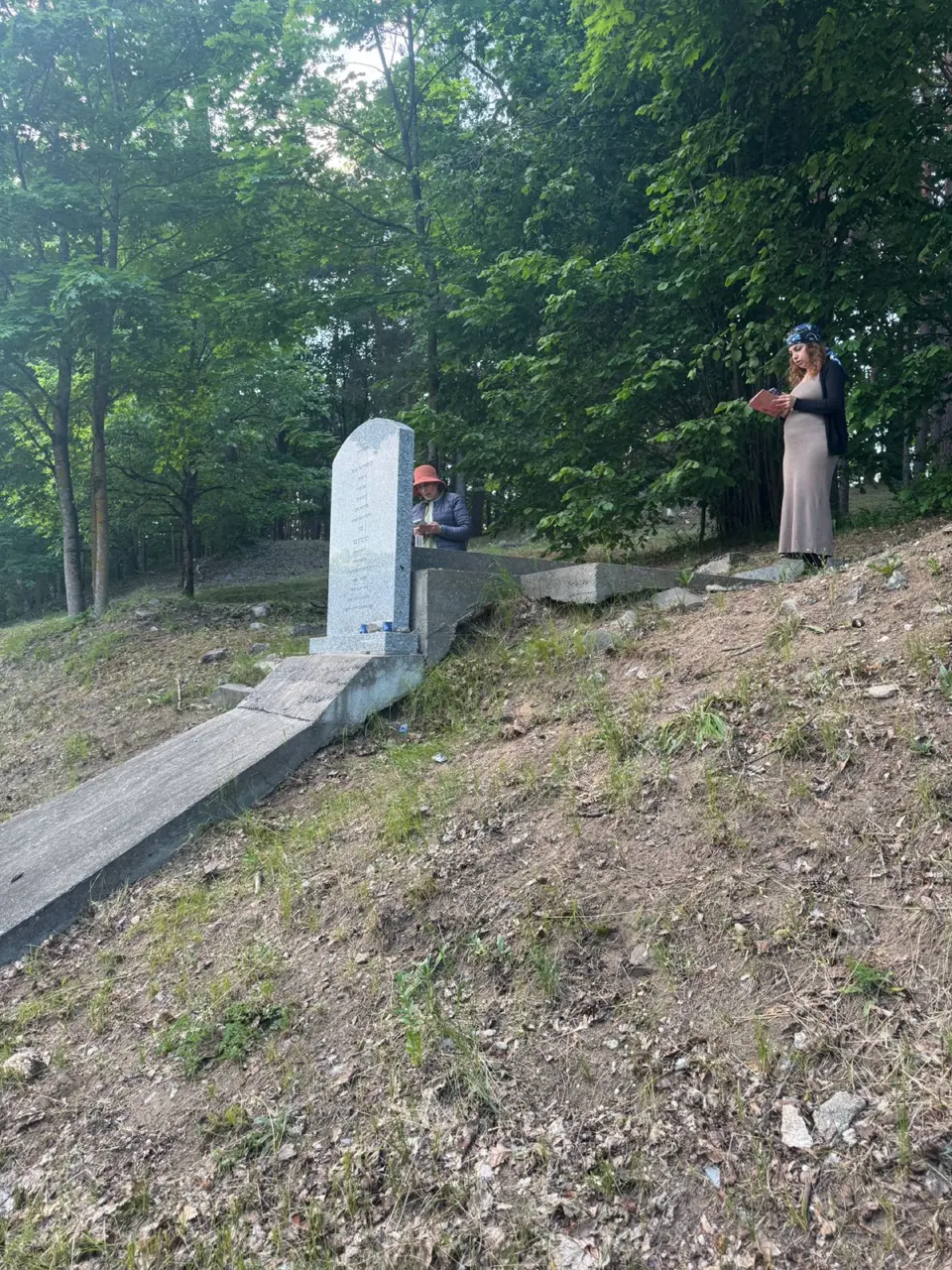
Burial place — the "Zarechye" (Olandu) cemetery in Vilna, Lithuania
He was a gifted youth, a prodigy by the standards of his time. At sixteen he entered the Volozhin Yeshiva, where he became the closest student of Chaim Soloveitchik (Chaim Brisker), who did everything he could to foster his intellectual development. Boruch Ber belonged to the small group of students with whom Chaim prepared his future lessons.
After completing his studies, Boruch became rabbi in Glusk (Mogilev region), where he opened a yeshiva attended by more than a hundred students. In 1904, on the recommendation of his mentor Chaim Soloveitchik, Boruch Ber was invited to head the Knesset Yitzchak Yeshiva, located in Slabodka (a suburb of the city of Kovno, now Kaunas, Lithuania). His entire subsequent life, filled with various events, was bound up with this yeshiva.
In 1914, with the outbreak of the First World War, Boruch Ber moved with his yeshiva to Minsk, and then to Kremenchug. In 1921, after overcoming many trials, the yeshiva returned from Soviet Russia to the Lithuanian region and settled in the city of Vilna (now Vilnius), which by that time had become part of the Polish state.
The "golden age" for the yeshiva came in 1926, when it moved to Kamenetz.
Boruch Ber became famous throughout the Jewish world as a brilliant religious analyst. Based on his lessons at the yeshiva, he wrote the book "Birkat Shmuel" ("The Blessing of Shmuel"), in which he developed further the analytical methods of Torah study of his mentor, Chaim Soloveitchik.
According to the recollections of those who knew him, Boruch Ber possessed exceptional personal holiness: "when he recited a blessing, his face would tense up, and his voice would tremble with awe before the One Who sent his soul into this world – 'B-b-boruch!...' — and the holiness of our food became clear even to those who had no idea what a blessing was." To those who listened to his singing at the Shabbat table, it seemed as though "the chains release the soul, and it trembles its wings, ready to take flight" (Ruchama Shain, "All for the Boss").
In Kamenetz the number of students at the yeshiva grew to several hundred, and in 1928 Boruch Ber traveled to the United States to raise charitable funds. He was received with great honor – bankers and industrialists, professors and heads of Jewish communities greeted him at the port of New York. New York Mayor Jimmy Walker presented Leibowitz with the keys to the city. After meeting the tzadik, the mayor said: "Rabbi Leibowitz refutes Darwin's theory – a man possessing such a degree of holiness could only have been created by the Almighty."
The leaders of American Jewry insisted that Boruch Ber remain in the US and take the position of chairman of the All-American Council of Rabbis, but he decided to return to his yeshiva in Kamenetz.
On the eve of the Jewish holiday of Rosh Hashanah in 1939, advance German units entered Kamenetz. Later, carrying out the secret agreement signed by Ribbentrop and Molotov, they withdrew, and on Yom Kippur (the Day of Atonement) the Red Army entered the city. Without delay, Boruch Ber set out with his entire yeshiva for Vilna, hoping to obtain documents there for the remaining students and to make his way to the Land of Israel. However, he managed to give only a few lessons in Vilna before he was called up to the Heavenly Yeshiva on 6 Kislev 5700 (he died of pneumonia on November 18, 1939).
He was buried in the Jewish cemetery "Zarechye" (Olandu) in Vilna.
Upon learning of the death of Boruch Ber Leibowitz, the chief rabbi of Vilna, Rav Chaim Ozer Grodzinski, said with a trembling voice: "With the passing of Rav Shimon Shkop and Boruch Ber, the selfless labor of comprehending Torah that protected the entire generation has come to an end. I fear that now the road lies open before the accursed Nazis."
A little later, in the Land of Israel, Avraham Yeshaya Karelitz gave a similar assessment of events: "As long as Shimon Shkop and Boruch Ber Leibowitz were alive, the Nazis could not seize the Lithuanian region – ...and only once these tzadikim were called to their eternal abode did the Lithuanian region fall into the hands of the wicked."
May the merit of this tzadik protect Am Yisrael!
Gallery