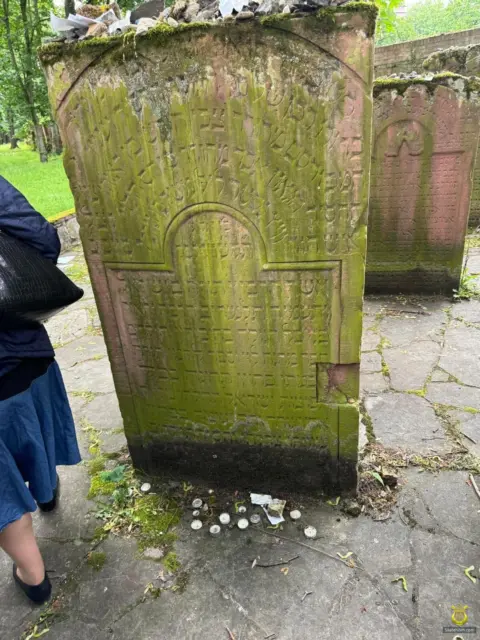
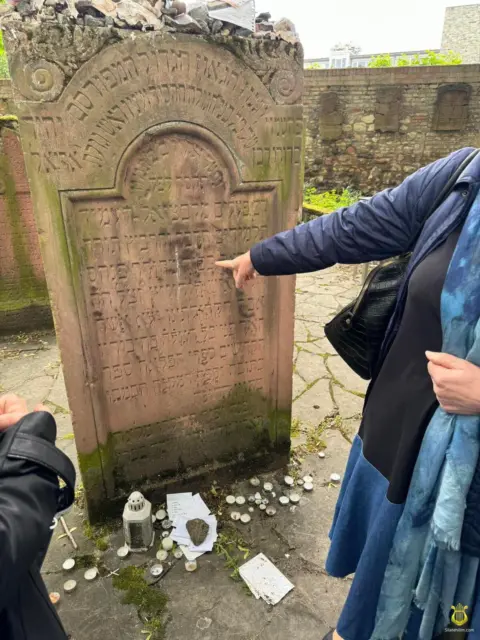
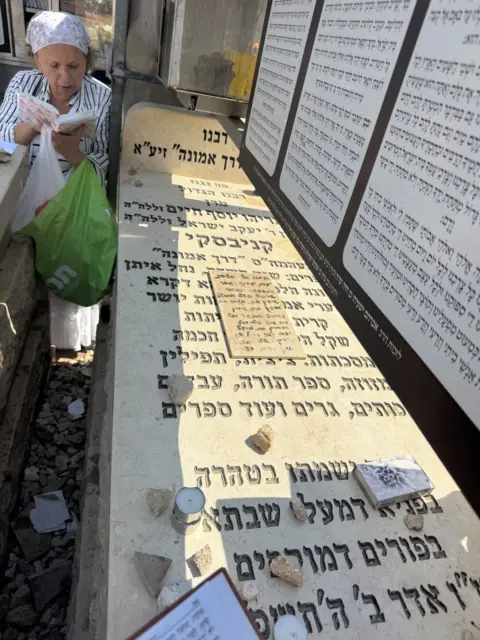
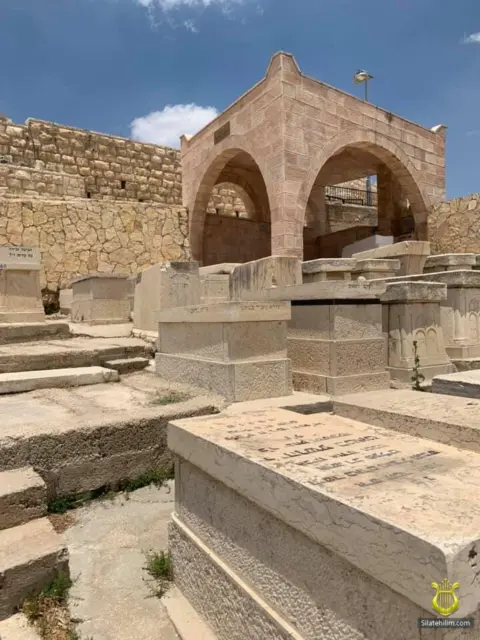
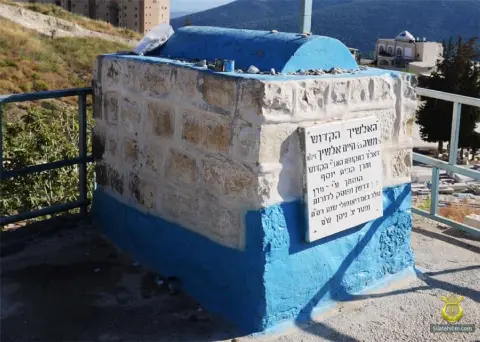
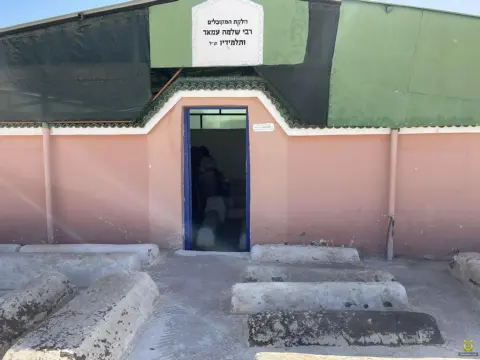
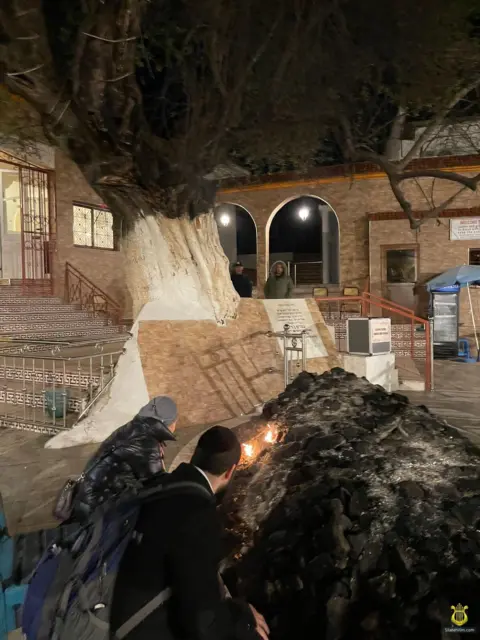
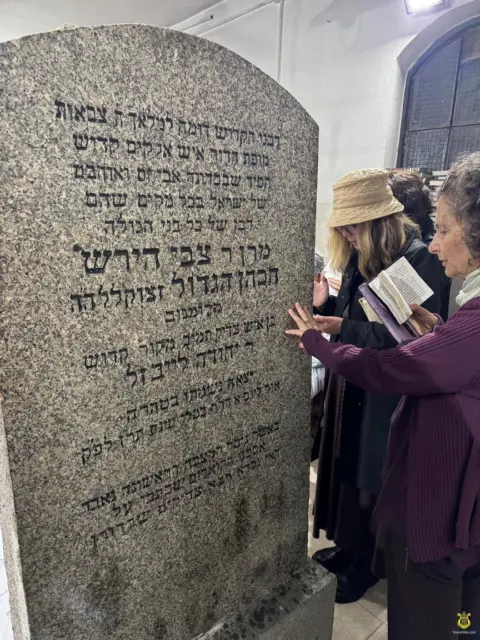
Grave
"The Baal HaHaflaah"
Rabbi Pinchas Horowitz
Rabbi Pinchas ben Tzvi Hirsh Horowitz, son of Rav Tzvi Hirsh of Czortkow (1772-1805)
Yahrzeit – 4 Tammuz
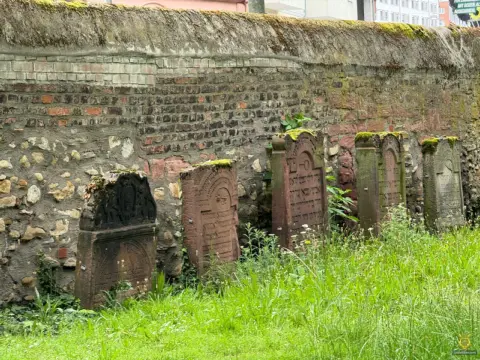
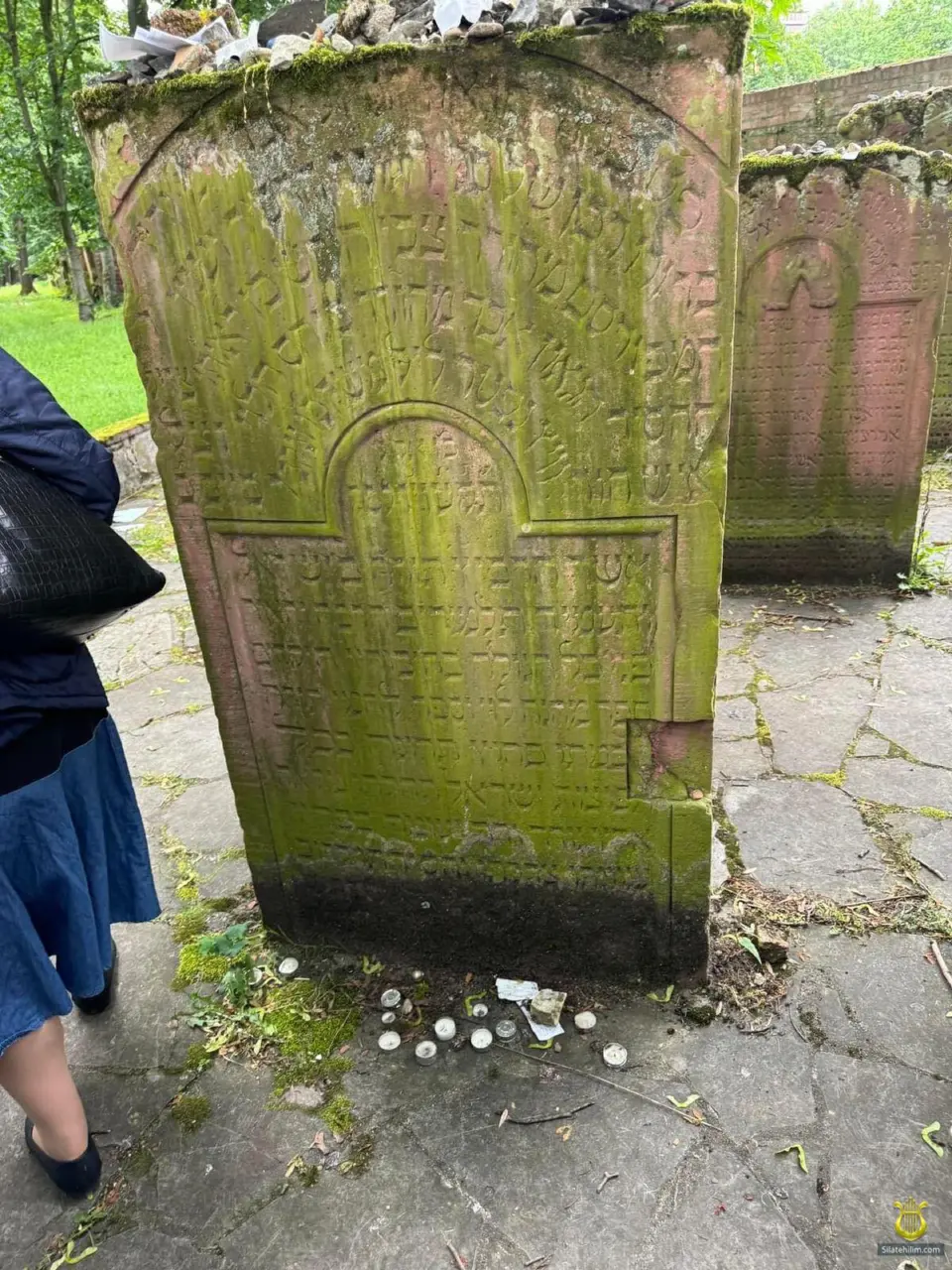
Place of burial – Frankfurt am Main, Germany
Rabbi Pinchas's father was the famous Rav Tzvi Hirsh of Czortkow – the one who blessed the Rothschild family – full story here:
How to Become a Rothschild
https://silatehilim.com/ночь-проверки-хамеца-или-как-стать-рот/
At a young age, together with his younger brother Rabbi Shmuel Shmelke of Nikolsburg, they joined the Chassidic movement, becoming devoted followers of the Maggid of Mezeritch.
In his youth Rabbi Pinchas served as rabbi in Witkow and Lechowitz, and in 1772 he was appointed rabbi of the prestigious community of Frankfurt am Main and dean of its yeshiva. He served as rabbi of Frankfurt for 33 years, until his passing.
His gracious and warm-hearted character instantly won the love of the entire community. The non-Jewish population, too, admired the new rabbi for the compassion and kindness he showed to the needy of every faith.
Taking an active part in communal affairs, he firmly opposed Moses Mendelssohn's German translation of the Torah with its accompanying commentary known as the Biur.
Mendelssohn wrote this translation as a means of introducing Jews to German language and culture. It turned out to be a first step toward assimilation and a forerunner of intermarriage and conversion. Rabbi Pinchas's greatest achievement was his work as a posek, a leading halachic authority. The most difficult halachic questions from far and wide were brought to him, and were published in a collection of responsa titled "Teshuvot Givat Pinchas."
His remarkable mastery of Torah is evident in his work "HaFla'ah", consisting of Talmudic and halachic responsa.
His commentary on the Torah, "Panim Yafot," is written in the spirit of Chassidism and reflects the influence of his teacher, the Maggid of Mezeritch.
His son, Rav Tzvi Horowitz, succeeded him as rabbi of Frankfurt.
Meeting the Maggid of Mezeritch
Rabbi Shmelke and Rabbi Pinchas Horowitz first came to the Maggid on Erev Shabbat. Although they expected a lengthy conversation with him, the Maggid dismissed them after just a few words. They had hoped to hear an impressive Torah discourse at his table, and were deeply disappointed when they felt nothing from his words, which in fact contained deep secrets of the Torah. Like the Maggid himself upon meeting the Baal Shem Tov, they decided to return home. Aware of their intention, Rabbi Zusha (a disciple of the Maggid) warned them: "We have learned that if the rabbi is like an angel of G-d, seek Torah from his mouth" [Chagigah 15b]. "Has any of us ever seen an angel? Yet if one crossed your path, you would not question him, test him, or seek signs from him. So it is with a true tzadik: from him you must seek Torah."
With these words the brothers returned to the Maggid and asked him to teach them the revealed part of the Torah. The Maggid then posed a very difficult question on the Gemara and offered such a simple, straightforward answer that they were astonished they had not thought of it themselves. A sharp refutation followed, and then another resolution. After nine such exchanges, the Maggid closed the Gemara and asked: "Why have you come here? Do men as great as you need someone like me?"
He then mentioned their ascetic way of life, which he knew of through ruach hakodesh: "One who prays and ascends to the higher realms, but remarks at the end of the day, 'You know, today I wasn't so bad!' – his service is cast down from heaven."
"Hearing this, Rabbi Pinchas and Rabbi Shmelke said: 'You ask why we came to you. We would have traveled even a thousand miles to hear such words.'"
Teaching
"The purpose of all the exiles of the Jewish people to the four corners of the earth is to release the sparks of holiness contained in those places. When the Children of Israel left Egypt, it was a complete redemption, for not a single holy spark remained in that land, as it is written: 'The Israelites stripped Egypt bare.' (Exodus 12:35)
The final redemption of Israel from exile will not come until the arrival of Mashiach. Then all the Nitzotzot HaKedoshim (holy sparks) scattered throughout the world will be released, just as happened in Egypt." (Panim Yafot, Yitro)
Rabbi Pinchas Horowitz's principal work is the "Haflaah," commentaries on tractate Ketubot with an appendix, "Kuntres Aharon" or "Shevet Achim" (Offenbach, 1786). A second part, containing novellae on tractate Kiddushin, also with an appendix, appeared under the title "Sefer HaMakneh" in 1800. Rabbi Horowitz was one of the last of the great pilpulists in Germany.
May the merit of the tzadik protect Am Yisrael!
(https://dailyzohar.com/tzadikim/4-Rabbi-Pinchas-Halevi-Horowitz)
Gallery