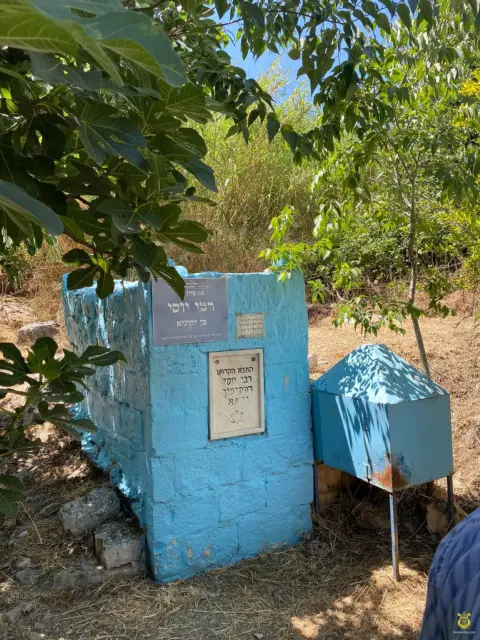
Grave
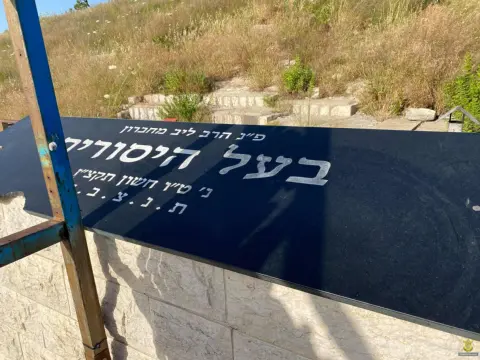
Baal HaYissurim
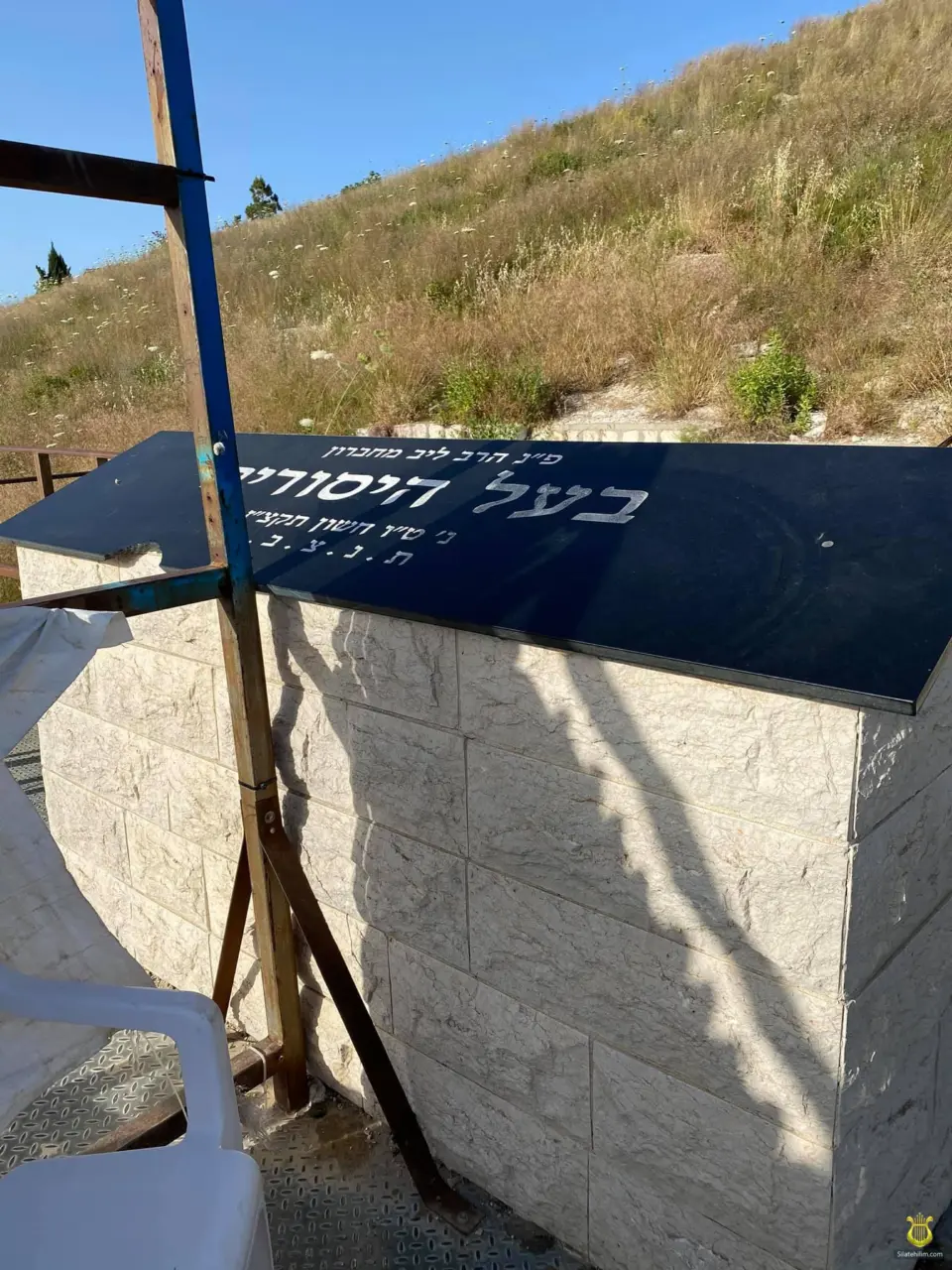
The resting place of Rabbi Leib Baal HaYissurim (the holy sufferer)
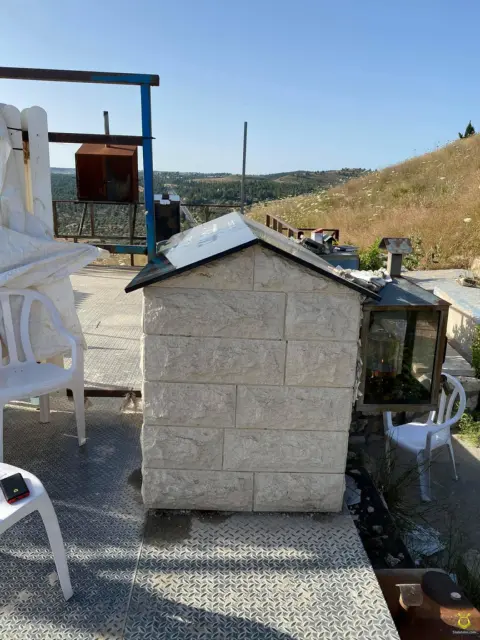
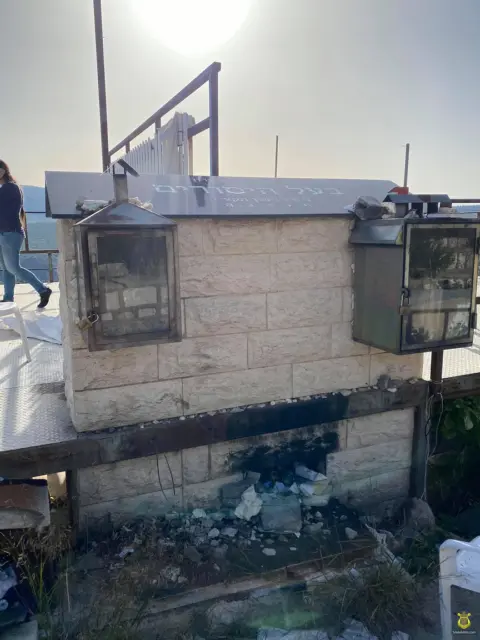
Burial place - Tzfat (old cemetery);
Yahrzeit - 15 Cheshvan;
Across the expanse of Ukrainian Podolia flows the mighty Dniester, on whose banks (a hundred years before the birth of the holy Baal Shem Tov) the ruler of the Principality of Moldavia, Ieremia Movilă, founded a town which was later named Mogilev (Movilev) in his honor - today known as Mogilev-Podolsky.
For a long time, Podolia was a "pashalik" of the Ottoman Empire - which is why in the days of the Besht this little town was called "Turkish Mogilev." It was there that a young genius named Leib lived, who, despite his deep knowledge of Torah, was opposed to the ways of Chassidus.
It is told that once the holy Besht came to Mogilev together with his disciple, the holy R. Zev Kitzes - and the Besht wanted to stay specifically in the small house of R. Leib. After the meal the Besht sat on the porch with his famous "lulke" (pipe) in hand, while R. Zev quietly told R. Leib about the wonders of his teacher. But to every story the young genius answered only one thing: "I don't believe it!" After yet another "I don't believe it," the Besht suddenly went into the room and said: "Do you have to see it with your own eyes in order to believe? Very well, you will see..." - and they left.
Several days passed, and on one hot night R. Leib could not fall asleep - so he went out to sleep in the yard, where a cow stood in a pen next to a haystack for feeding it. It was on this very haystack, in the cool of the night, that R. Leibl lay down. Toward morning, when the first rays of sun lit up the horizon, he woke to strange sounds - a large crowd of people was walking down the street. R. Leibl looked closer - and his sleepiness vanished at once - the people walking down the street were dressed in "tachrichim" (burial shrouds), and many of them R. Leibl had known personally in their lifetimes. In terror he buried his head in the hay - but felt an icy hand on his shoulder, which with a single motion turned his face toward a deceased rabbi with whom R. Leib had once studied. The deceased man said: "Well, are you now afraid to see with your own eyes?! You can take the Baal Shem Tov at his word..."
From that time on, R. Leib began drawing closer to Chassidus, and soon traveled to the holy disciple of the Besht, R. Pinchas of Koretz (the Besht himself left this world soon after his trip to Mogilev, in the year 5520) - but R. Pinchas refused to teach R. Leib, telling him that "the roots of their souls come from different sources" - but promised that he would soon find his teacher.
In the spring of 5537 (1777), several hundred chassidim, led by three disciples of the Maggid of Mezritch (the holy R. Menachem Mendel of Vitebsk, R. Avraham HaKohen of Kalisk, and R. Yisrael of Polotsk), set out for the Holy Land.
They were accompanied by a thirty-year-old genius from Liozna - the holy Alter Rebbe. Upon reaching Mogilev, they boarded ships and sailed across the Black Sea to Istanbul, and from there to the Holy Land. Thus, having seen off his elder colleagues, the Alter Rebbe remained for some time living in Mogilev (it is said that for a time he even served as the town's rabbi). It was most likely then that R. Leib became acquainted with the Alter Rebbe and became his student, and later his chassid.
When the chassidim of Mogilev asked the Alter Rebbe to appoint R. Leib as the chassidic rabbi of the town, the Alter Rebbe refused, saying that R. Leibl "had completely separated himself from this world" - while a rabbi must not only be a holy man, but must also understand all the concerns of the community as his own.
Instead, he advised the Jews of Mogilev to set aside time and funds for a weekly "farbrengen" in the synagogue, which young men should attend to hear about chassidic conduct from R. Leib. And so it was done.
The Rebbe Rayatz once told a story (and in it he refers to R. Leib as "rav, tzadik and chassid" - which is very unusual when describing a chassid) about how one young man from the "Polish" chassidic milieu came, out of simple curiosity, to one such farbrengen - and was deeply struck by R. Leib's explanations of a Chabad maamar. He began coming to every farbrengen, which led to changes in his everyday life as well - he began praying at length and studying the maamarim of the Alter Rebbe. His friends from "Volhynian" chassidic families began to mock (or, to put it plainly - envy) his now-evident devotion to the ways of Chabad (where it is required not merely to listen to the tzadik, but also to learn and work on oneself), and once said to him: "Your Rebbe is certainly a great genius, but miracles can only be seen with our Rebbe."
For a long time these words gnawed at the young man's soul, and he could not bring himself to tell R. Leib about it. After two or three weeks he decided not to spoil his teacher's mood - and to tell him nothing, even though this question about miracles was seriously troubling his life. That very day a messenger of the Alter Rebbe arrived in Mogilev, collecting donations for the chassidim living in the Holy Land. This messenger also brought R. Leib a letter from the Alter Rebbe, in which he advised R. Leib exactly how to speak with the young chassidim and which topics to study with them. Among other things, the Alter Rebbe wrote: "...and that young man who has recently begun drawing near to you must be surrounded with care, and his inner suffering extinguished, which will become a wondrous sign for him and for others."
Not quite understanding the Rebbe's words, R. Leib called the young man over and, showing him the letter, asked what "inner suffering" the Rebbe was writing about. The young man burst into tears and told him everything that had happened. Then R. Leibl thought for a moment and said: "Now it's clear what miracle the Rebbe wrote about... For it is truly a miracle - to make a person out of a block of wood!" (אז מיר זאל מאכן פון אפלאכע אמענטש).
Soon after, the Alter Rebbe sent the holy chassid R. Leib to the Holy Land, to the city of the forefathers - Hevron. He was the first of the Ashkenazim, and certainly the first of the chassidim, to arrive in Hevron and establish a community there.
Already in his old age, he moved to live in Tzfat, where his pure soul departed this world on 15 Cheshvan 5597 (1836).
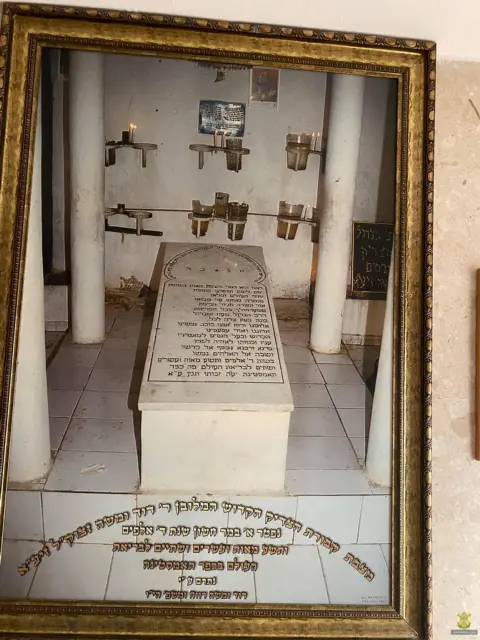
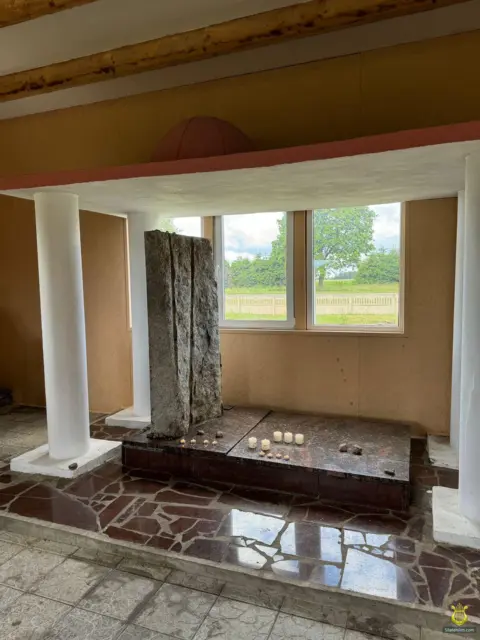
He was buried in the old cemetery, not far from the graves of the Arizal and the Ramak (at the foot of the "military cemetery"), and on his gravestone it was written: "Here rests Rav Leib of Hevron, Baal HaYissurim."
Rabbi Leib received this unusual title - Baal HaYissurim (the great sufferer) - because of the many sufferings and persecutions from the "misnagdim" that fell to his lot in this world.
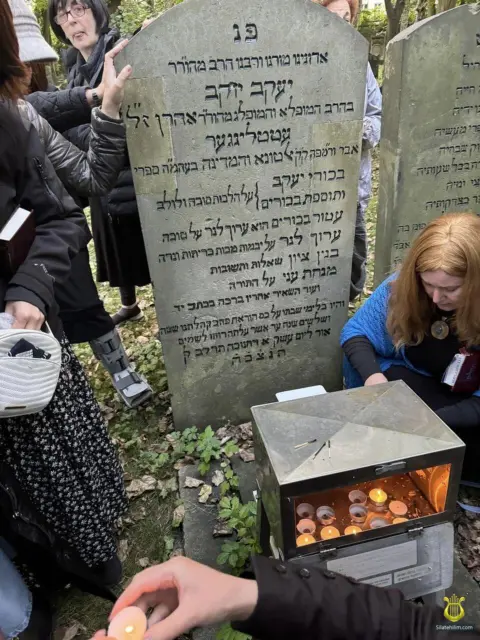
It is told that he himself promised to help anyone who would come to his grave with a request for deliverance from suffering - and so the custom arose of visiting his grave every Friday.
...בסוף ימיו נסע לעיר הקודש צפת, תו"ת, ונפטר שמה זקן ושבע ימים,
וציווה לפני מותו שכל מי שיהיה לו עת צרה, רח"ל, ישתטח על קברו ויעזרוהו, וכן עושין עד היום (שערי ירושלים, שער ד'
Gallery