Grave
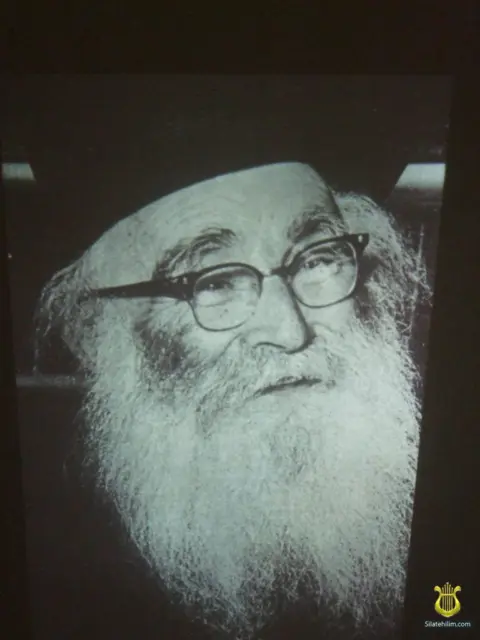
Aryeh Levin
Rav of the Prisoners
Yahrzeit (Hillula)
- 9 Nisan — Rav Aryeh Levin - The Rabbi of the Prisoners
Rabbi Aryeh Levin - Rav of the Prisoners
Yahrzeit - 9 Nissan;
Resting place - Sanhedria;
A Beautiful Segula for Children at the Grave of the Tzadik
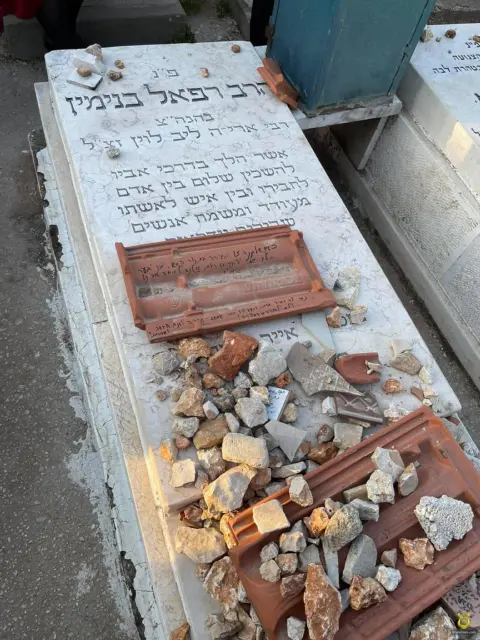
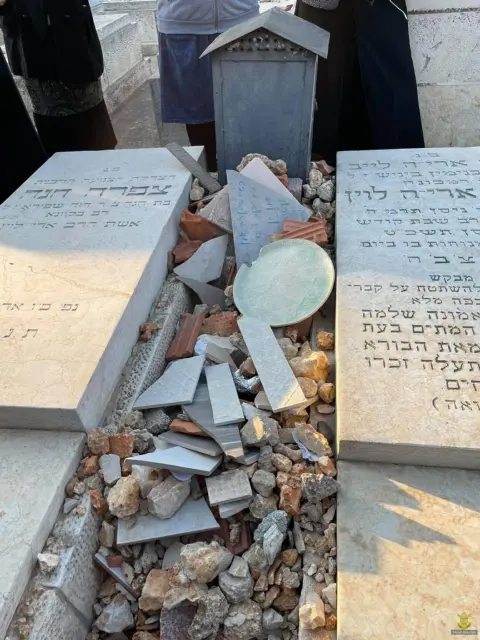
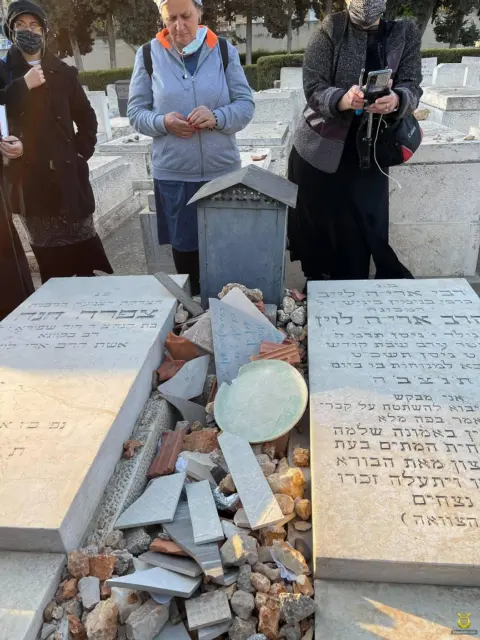
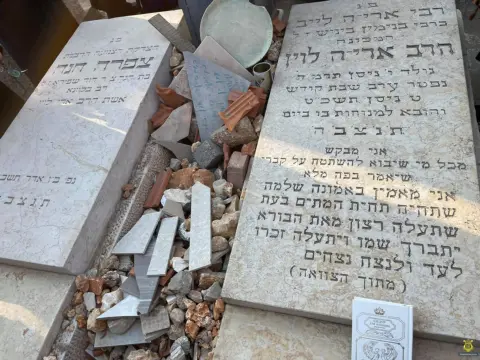
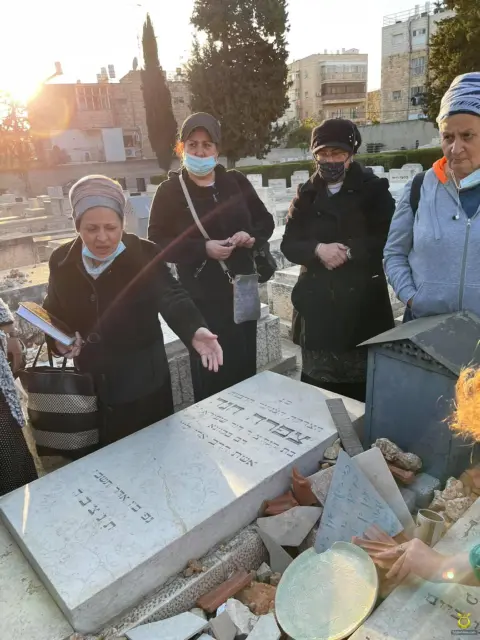
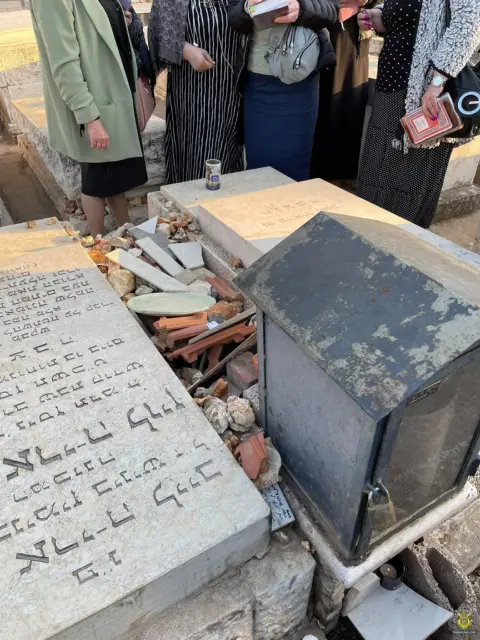
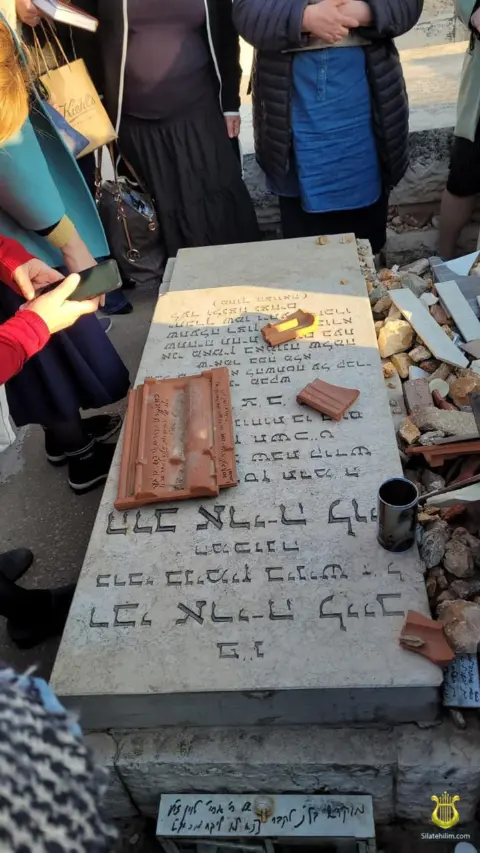
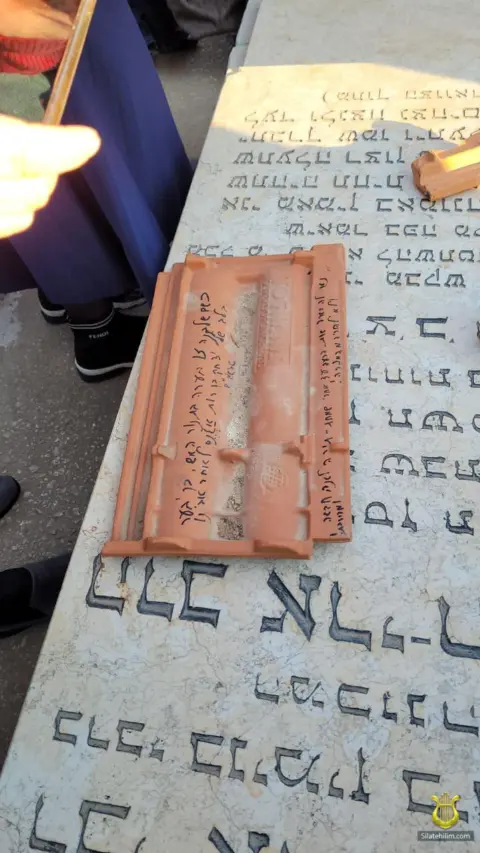
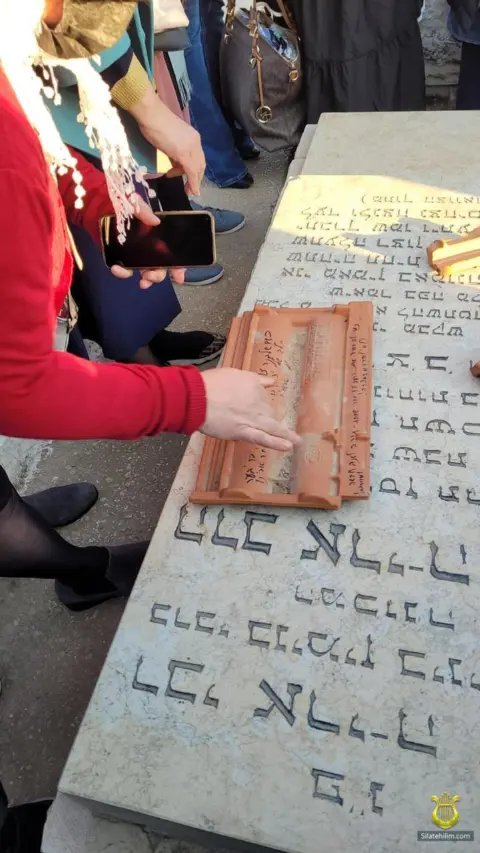
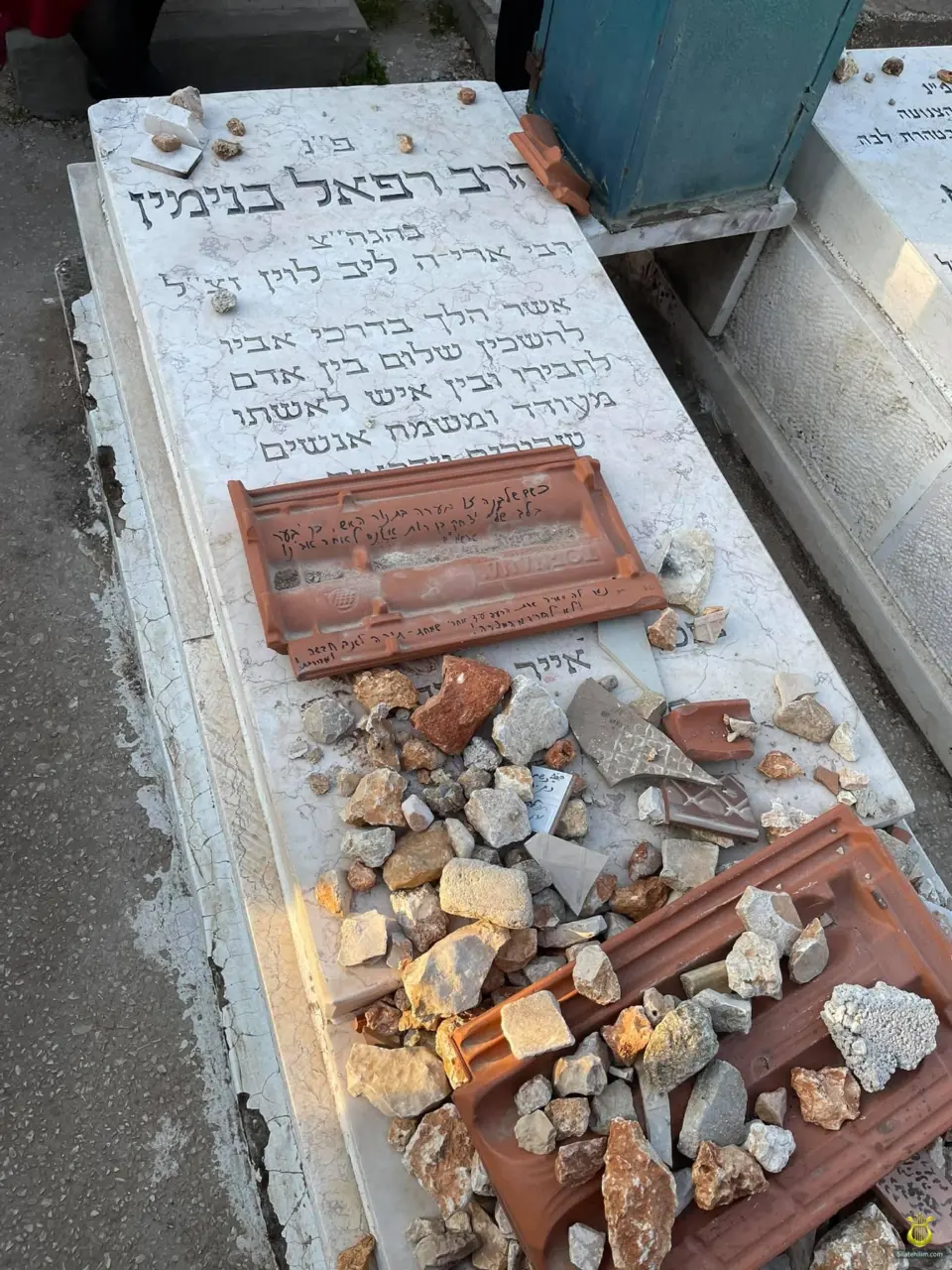
[Red tiles at the grave are a segula connected with Challah].
The segula is to write the children's names on a clay tile or any other fireproof stone, place it at the bottom of the oven while baking challah, and after the challah is baked, take out the stone and say: "Ribono Shel Olam, just as this stone was fired in the merit of this mitzvah, so may my ...(name) be strengthened and fortified in Torah and in faith in You. And guard and protect my child, for I too try to guard and keep Your mitzvot."
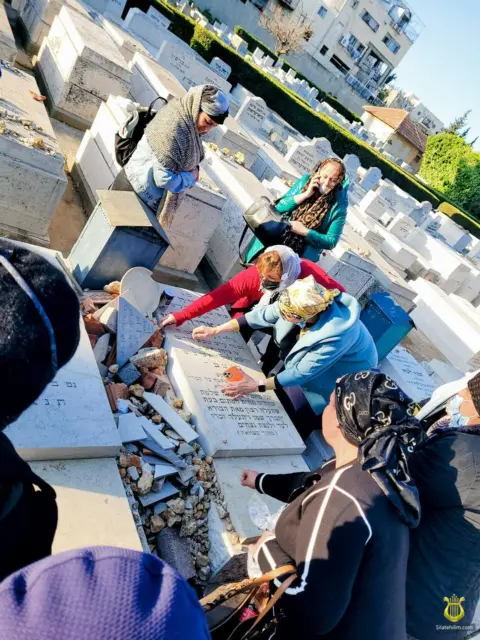
You need to bring this stone and place it on the grave of the Tzadik Rav Aryeh Levin and pray for the wellbeing of the children!!!
Tombstone
On the tombstone of Rav Aryeh Levin it is written:
"I sincerely believe that at the time appointed by the Creator, the Techiyat Ha-Metim will take place."
The Lot of the Vilna Gaon
Rav Chaim Berlin taught Rav Aryeh the lot of the Vilna Gaon, which is used to obtain an answer to especially difficult and fateful questions. The Gaon's lot is performed by paging through the Tanach in a certain order. The verse arrived at in this way contains a hint at the answer to the question asked. Besides knowing exactly how to do this, Rav Aryeh received from Rav Berlin a special edition of the Tanach with two columns of text on the page, which is used for the Vilna Gaon's lot.
Rav Aryeh became known as an expert in the Vilna Gaon's lot thanks to the following story.
In 5708 (1948), during the bloody War of Independence, twelve soldiers were buried in haste, no markers were left on the graves, and it was unclear which soldier was buried in which grave. Rav Aryeh's brother-in-law, Rav Tzvi Pesach Frank, sent the families of the fallen to him, and Rav Aryeh, using the Vilna Gaon's lot, determined the grave of each of the soldiers. The verses of the Tanach through which the soldiers' names were unambiguously determined were published. It was a miracle!
Beloved Grandfather of Rabbanit Batsheva Kanievsky
Rabbanit Batsheva Kanievsky received from her grandfather Rav Aryeh Levin a segula, which had passed to him in turn from "the Baal HaLeshem".
This is the well-known segula of Rabbeinu Chida - to recite 11 saving verses which begin and end with the letter "nun".
The whole prayer is here:
Sipurei Tzadik
Wife
Rav Aryeh was so poor that he had no way to buy his bride a gift to present to her, as was customary, after the chuppah, in the yichud room.
"I really wanted to buy you a gift," he apologized to his young wife, "but I did not have the means for it. Instead I decided to give you a different kind of gift. I promise you that all my life I will defer to you and fulfill all your wishes!"
The bride's eyes filled with tears, and she answered:
"I too wanted to give you a gift, and I too had no way to do it. So I too promise to defer to you in everything…"
Rav Aryeh kept his promise and honored his wife greatly all his life.
Mother loved to tell the widely known story of how Rav Aryeh came with his wife to a doctor and said: "Doctor, our leg hurts, my wife's…"
In response to the doctor's astonishment he answered: "When my wife is in pain, I am in pain too."
"Your eyes are like doves"
It is impossible to end this chapter about the life of my great-grandfather Rav Aryeh without mentioning the following story. Mother loved to tell it again and again, and every time there were tears in her eyes…
Rav Aryeh told this story as he heard it from Rav Chaim Berlin. When they read "Shir HaShirim" together on Friday evening, Rav Aryeh noticed that every time Rav Chaim reached the words "Your eyes are like doves," he would begin to cry.
One day he could not hold back and asked what was the matter, and this is what Rav Chaim told him:
— When I was the chief rabbi of Moscow, a man who was thought to be a non-Jew, and who sold Christian religious articles, secretly approached me and told me about himself: "I am a Jew. A son was born to me. I want you to circumcise him."
I circumcised the infant. No one but his father was present.
I asked him: "You live a non-Jewish life. You don't even look like a Jew. Why did you need to circumcise your son?"
And this is how the Jew answered me: "I left my Jewishness. I doubt I will ever return to it… But I grew up among Jews, I know what it is. My son, however, will grow up among non-Jews, and will know nothing of his Jewishness. Perhaps when he grows up he will want to become a real Jew… I want to give him that possibility…"
— And then I understood, – said Rav Chaim through tears – what is meant by the verse praising the Jewish people: "How beautiful you are, my beloved, how beautiful you are. Your eyes are like doves." Our sages, of blessed memory, explain the repetition of the words "how beautiful you are" by saying that the first time it refers to the Jewish people before the sin, and the second time – after it. And it is hard to understand what beauty of the Jewish people can be spoken of after it has sinned? "Your eyes are like doves." It is in the nature of a dove not to fly far from its nest — it always keeps the nest in sight. So too the Jewish people. It sins, it drifts away from its Jewishness, but keeps it in sight. It makes sure not to go too far from Ha-Shem, so that there always remains the possibility of returning to Him…
Location
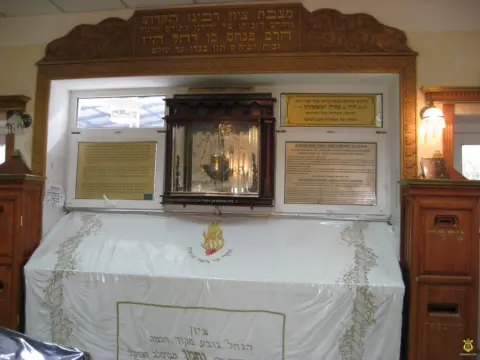
Sanhedriya Cemetery, Bar Ilan, Иерусалим, Israel
Gallery