Grave
Amram Ben Diwan
Vaazan
Yahrzeit (Hillula)
- 15 Av — Rabbi Amram Ben Diwan
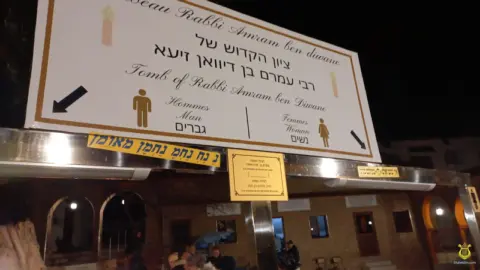
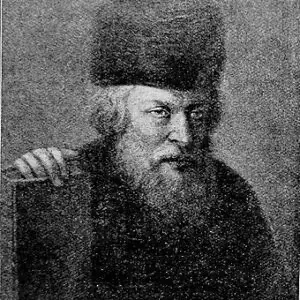
Rabbi Amram Ben Diwan
Yahrzeit - 15 Av Resting place - Ctre Asjenn, Ouezzane, Sidi Kacem, Tanger-TétouanIn 1763, Rabbi Amram was sent as a shaliach (emissary) from Hevron to Morocco to raise funds for the yeshivot of Israel. He settled in the city of Ouezzane, where he opened a yeshiva. In a short time he gathered many students who absorbed the great wisdom of Torah.
Rabbi Amram also became famous as a Baal Mofet (miracle worker) during his own lifetime, and many people from all over Morocco flocked to him to receive his blessing. After 10 years, he decided to return to Israel.
His stay in Israel was very brief. Dressed as a Muslim, Rabbi Amram went to pray at the Cave of Machpelah in Hevron, where our forefathers are buried. At that time, Jews were forbidden to pray in the Cave of Machpelah. One of the Arabs recognized the Jewish rabbi and reported him to the Turkish authorities. Together with his son Chaim, Rabbi Amram was forced to flee to Morocco, which lay outside the Ottoman Empire.
After a brief stay in Fez, Rabbi Amram and his son set out traveling throughout Morocco to teach Torah. While in the city of Sefrou, near Fez, his son Chaim fell gravely ill, and the doctors lost all hope of saving his life. Rabbi Amram then prayed to G-d to take his own soul instead of his son's. Chaim recovered from his illness, and Rabbi Amram passed away shortly after.
Rabbi Chaim Ben Amram Ben Diwan continued his father's spiritual mission in Morocco, and he too was buried in Morocco.
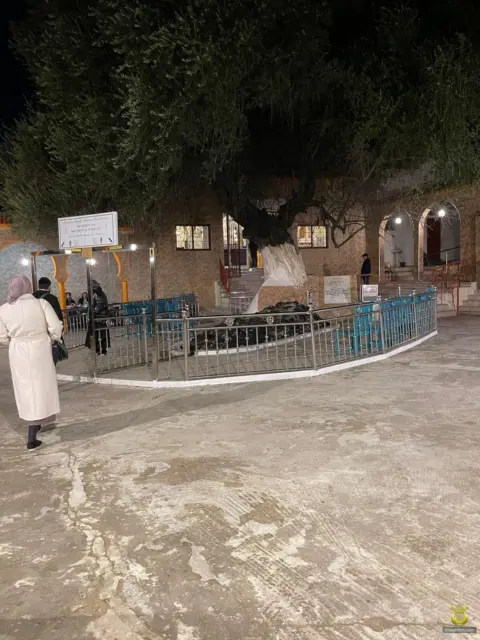
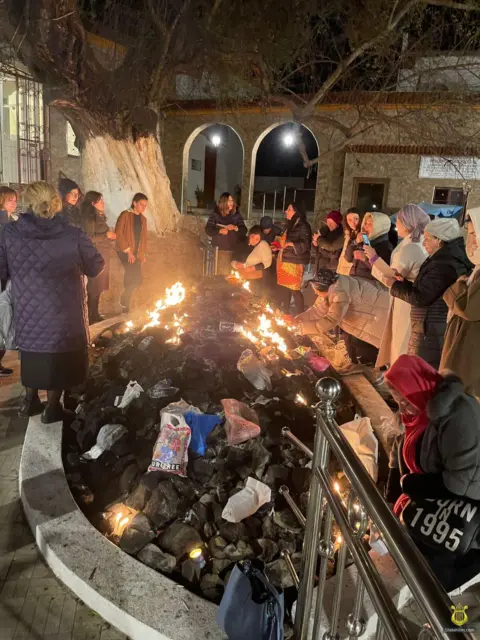
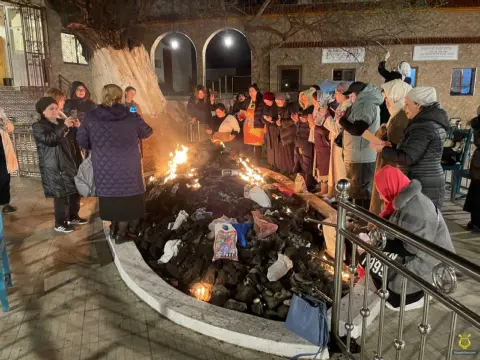
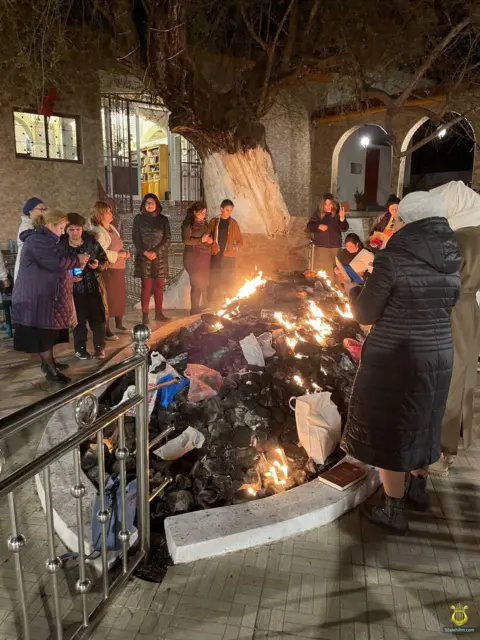
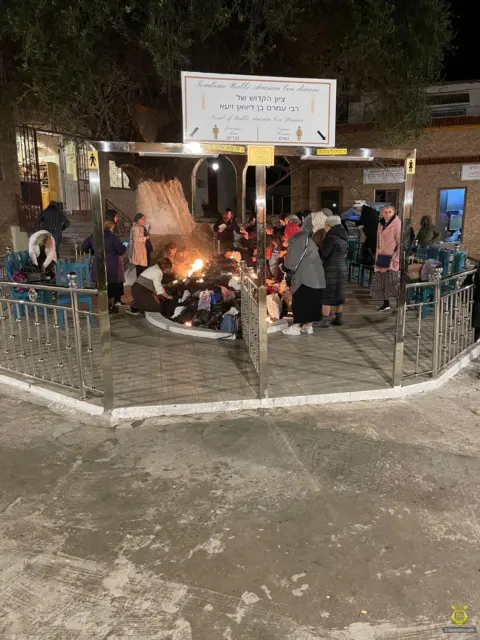
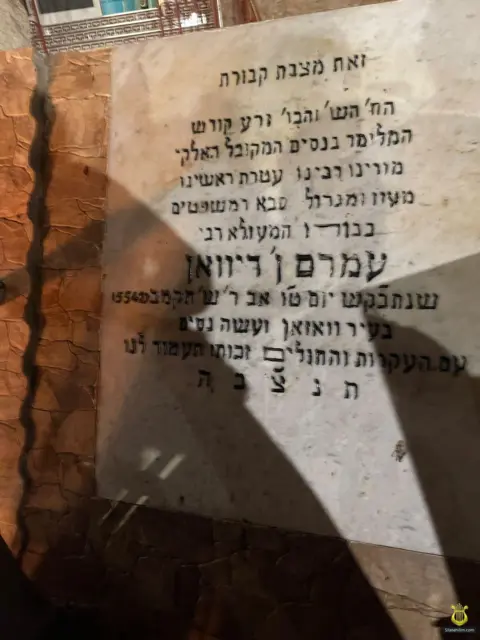
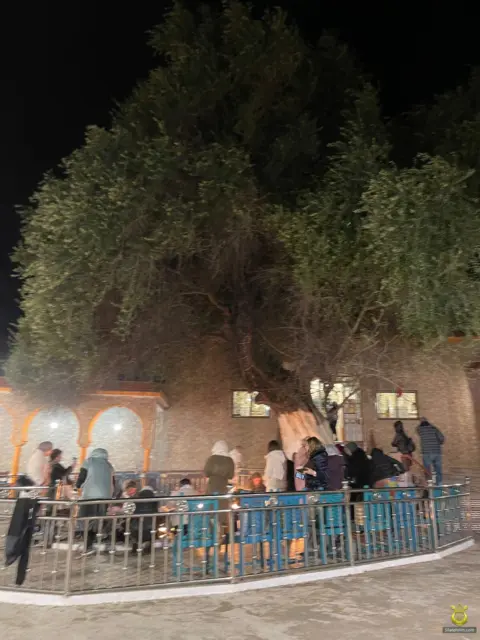
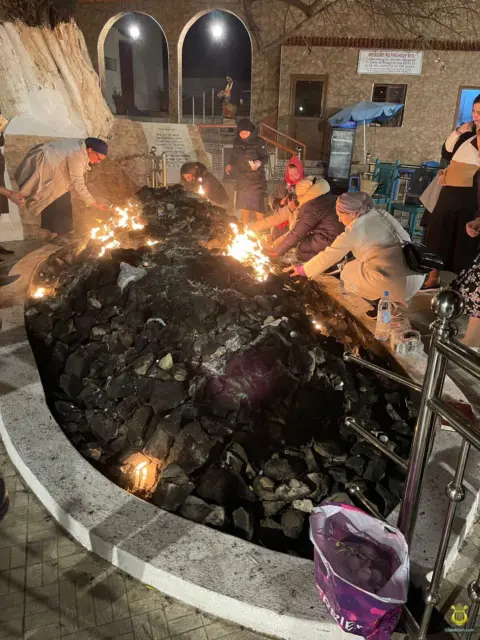
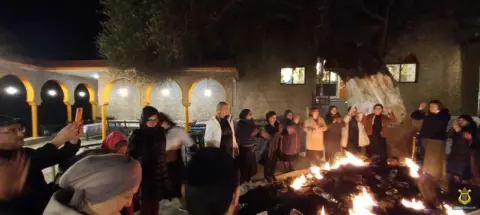
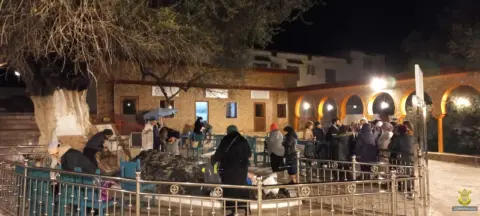
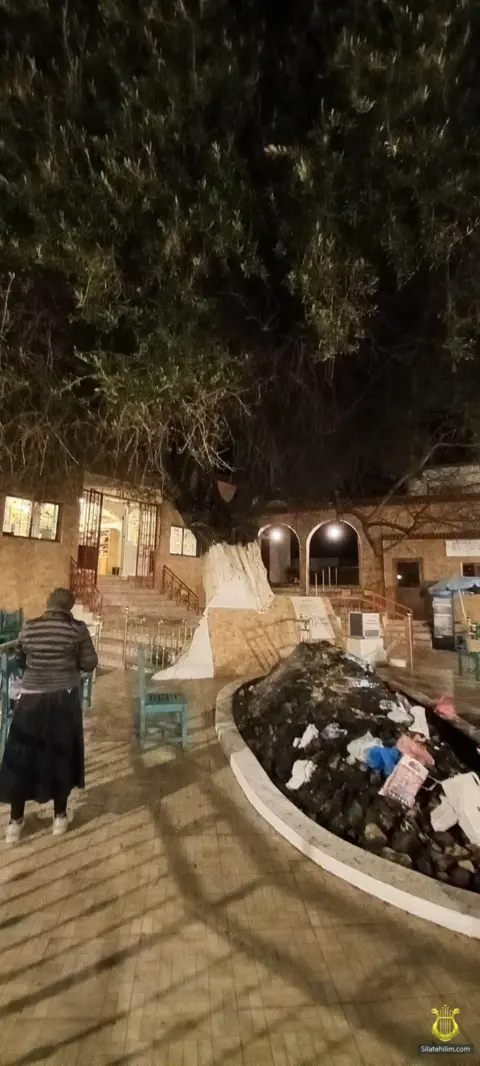
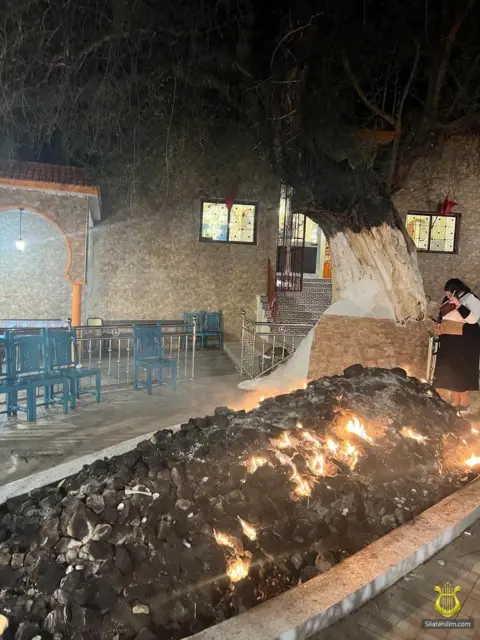
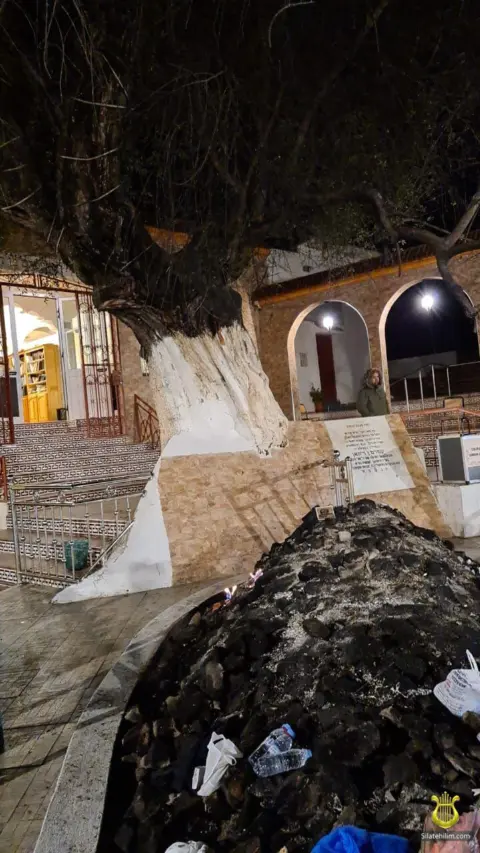
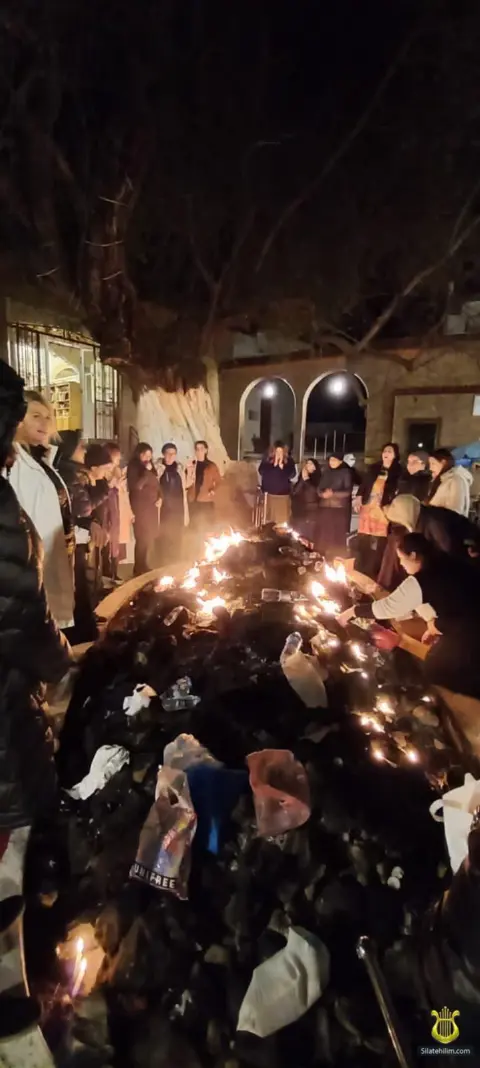
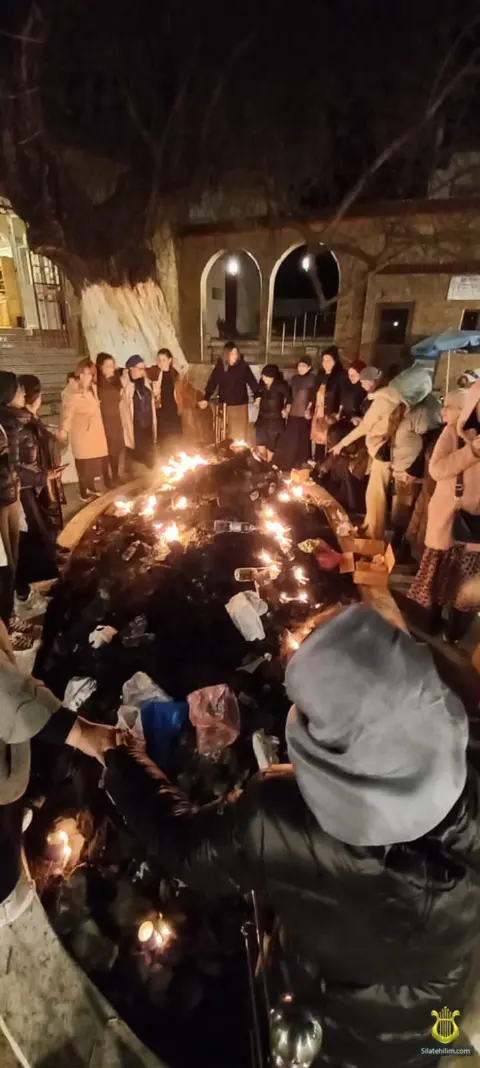
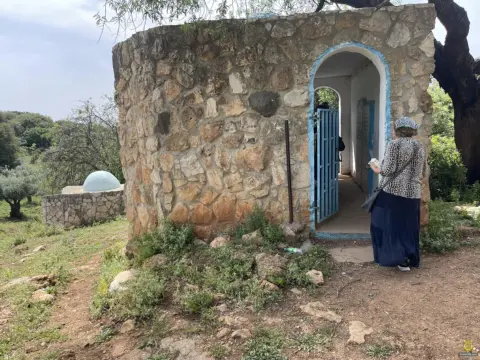
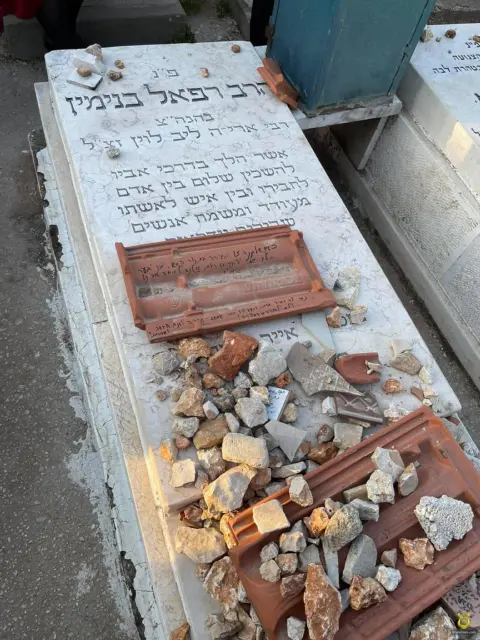
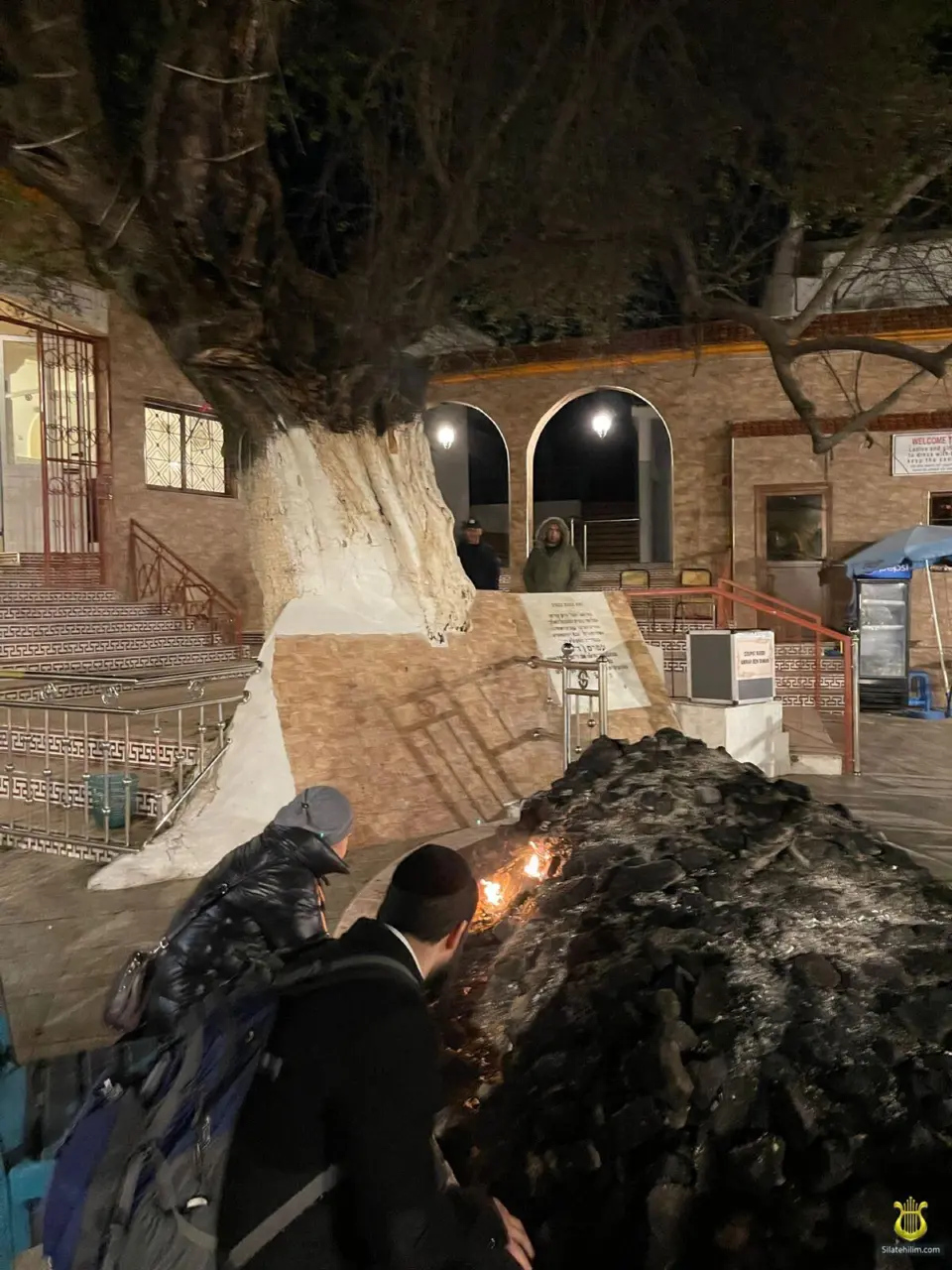
The Tzadik's Grave In his final moments, Rabbi Amram asked the Chevra Kadisha to bury him in Asjen, beneath an olive tree. Ever since a road was built there, crowds of the faithful have come to the Tzadik's grave. Since the Tzadik requested that no mausoleum be built over his grave and no headstone be placed, the grave was surrounded with stones, upon which, by tradition, an enormous number of candles are lit. The candles burn and form a huge blaze. Wealthy, generous Jews from Casablanca, wishing to show their love for the Tzadik, would purchase crates of candles, twenty-five packs of candles in each. When they threw them into the fire, the flames rose higher than the top of the olive tree. Candle sellers would arrive at the holy site with trucks full of boxes of candles. Remarkably, neither the leaves of the tree nor its branches ever caught fire, although the fire was so intense that visitors had to step far back from the grave. Buhlal is a mountain 1,300 feet high, located in Ouezzane. It is said that the flames could clearly be seen from this mountain. Agronomists have calculated that the olive tree at the grave of Rabbi Amram Ben Diwan is 400 years old, while the Tzadik himself was buried there about 200 years ago. The fruit of this olive tree works wonders, curing people of eye diseases and other ailments as soon as they drink the juice from its olives, but even dried olives from around the grave are a segula for many problems. Women who are unable to make the pilgrimage to the Tzadik's grave give scarves to acquaintances or neighbors to tie to the branches of the tree. And pure faith in the Power of the Tzadik works.On the day of Rabbi Amram's passing, the community understood what a loss it had suffered. People told of how many sick people had been cured and how much suffering had been prevented thanks to him.
"I wept over this terrible news! The Holy Land has lost a great man," exclaimed the great Rabbi David Ben Hassin, who is considered a gilgul of David HaMelech (he wrote 150 piyutim, similar to Tehillim) - one of which he dedicated to Rabbi Amram Ben Diwan.
The Chachamim saw a sign of the Tzadik's passing in the verse:
בָנִים עַד-מַשְׁבֵּר,- "banim ad mashber" — ("children have come to the birth"). (Yeshayahu 37:3)
The letters עד ("ad") are the initials of the name Amram Diwan, and the word משבר ("mashber") has a gematria of 542 - the year of his passing - תקמ׳׳ב.
He passed away on Tisha B'Av - the 9th of Av, but the day of his Hillula was moved to the 15th of Av - seven days later, based on the Talmud (Ta'anit 26b).
People also gather to celebrate the Hillula of this great Tzadik on Lag BaOmer and on Rosh Chodesh Elul - there have been so many miracles even after his passing.
The Dove - the Soul of a Person
Numerous pilgrims testify that they have repeatedly seen a dove circling above the grave of Rabbi Amram Ben Diwan.
It would appear during the Hillula, when the enthusiasm and joy of the praying Jews was at its peak.
Crying out or whispering, the pilgrims would ask the Tzadik to pray for them before the Creator, so that their requests would be heard in his merit.
After midnight, when goodness and mercy reign in the world, the dove would once again soar above the grave, indicating that the Tzadik's soul was present with the pilgrims at his resting place, praying on their behalf. It is said in the Zohar HaKadosh (Vayakhel 198b):
- "A dove descends onto a ship; this is the soul of a person descending into this world to rest within its body."
Why is the soul called a dove?
Because, being bound to the body, it is like a dove in this world.
Moreover, a dove hovering over a place shows that the Shechinah rests there, and that the prayer has been accepted by the Creator.
For the word "yonah" (dove) has the numerical value of 71, the same as "Shem Havaya" (pashutah u'mele'ah), as stated in the commentary of the Arizal on "Shir HaShirim" (2:14): "My dove in the clefts of the rock" - meaning that the Divine Name has the same numerical value as the word "yonah" ("Shem Havaya" equals 26, and the Divine Name equals 45).
The Zohar and the Mekubalim uphold this ancient tradition: "Happy are the tzadikim, and happy are those who cling to them!" (Midrash Tanchuma, Vayeira)
The Singing of Birds
After the first Jewish residents of Asjen buried Rabbi Amram in 1782, thirty years later they were ordered to leave their village and settle in Ouezzane.
The elders of the village would tell how every year during the Tzadik's Hillula, doves would appear after midnight and circle above the burial site.
Some say that the Tzadik took the form of a dove.
From then on, Rabbi Amram became famous, and his grave became a place of pilgrimage.
As miracles occurred for those who honored his memory, the number of pilgrims arriving from all over Morocco, Algeria, and Israel grew.
On the night of his Hillula, whether the weather was sunny or rainy, a great many pilgrims would come to pray at the holy grave.
All those who prostrated themselves at Rabbi Amram's grave would come at midnight to read the Idra or chapters of Tehillim. Before dawn, many of them would begin to sing.
At that moment, many doves would appear, as if joining the gathering on the hill. The pilgrims would gather around the grave - some singing, some dancing, like the doves themselves. The sense that the Tzadik's soul was present in one of the doves would stir great enthusiasm in the crowd.
This story was told by Yeshua Aram Bettan, president of the Chevra Kadisha in Ouezzane, to Chacham Shalom Israel.
One night, in the height of the celebration, a great number of doves appeared and suddenly began circling above the olive tree.
One of the visitors was skeptical of the scene he witnessed - that at the sight of doves one could pray and ask the Tzadik to intervene on High so that G-d would heal the sick.
He looked at the birds disapprovingly and muttered: "These doves should stop flying already! Aren't they tired yet?"
As soon as this skeptic expressed his displeasure, the doves fell to the ground, lifeless.
That year, no one witnessed a miracle, no one's prayers were answered, and not a single sick person who believed in the powers of Rabbi Amram Ben Diwan was healed.
As the Prophet Habakkuk said: "The righteous shall live by his faith."
Faith - pure faith - is the foundation of our people.The Olives on Rabbi Amram's Tree
It is known that those with eye ailments who ate olives from the olive tree at Rabbi Amram Ben Diwan's grave were healed at once.
These olives proved a powerful remedy for eye diseases and trachoma.
Arabs who had already tried this remedy would sneak into the cemetery during the olive season.
They revealed this miraculous remedy to the Jews.
The Snake Guarding the Grave
The well-known journalist Emmanuel Heyman noted that a distinctive feature of Rabbi Amram Ben Diwan's grave is that he had asked that no headstone be placed over it, and over the years a heap of stones formed at the grave. Each time, pilgrims place candles on them - and in such great numbers that these candles flare up into a huge blaze - yet this never posed any danger to the olive tree, which never caught fire.
Once, a woman who had sat all day beneath the Tzadik's tree, inspired by prayer, was watching the miracles unfolding before her eyes.
She recounted how she saw another woman, who had come to the Tzadik's grave during her days of impurity (although one should not do this), suddenly see a snake at the entrance, raising its head and blocking her path. That woman immediately turned back, for she understood that she should not even attempt to enter while she was impure.
May the merit of this great Tzadik protect Am Yisrael! PS. Stories of the miracles of Rabbi Amram Ben Diwan, of which there are a great many in the book "The Miracle Worker: Stories about the Tzaddik Rabbi Amram Ben Diwan" - will be added to our site, so stay tuned for updates.(Based on the book "The Miracle Worker: Stories about the Tzaddik Rabbi Amram Ben Diwan" by Rabbi Meir Elazar Attia)
Gallery