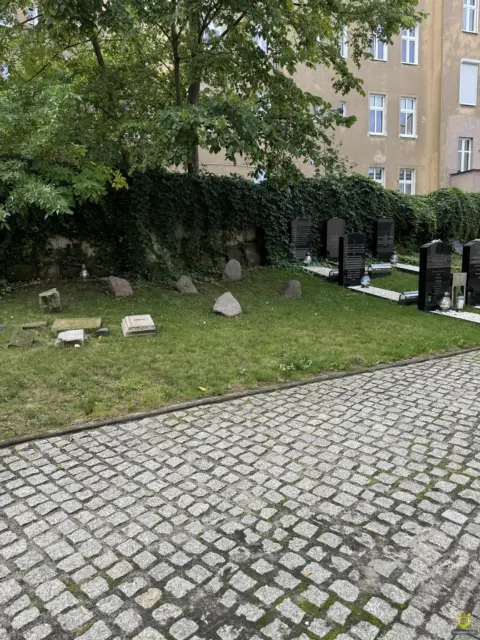
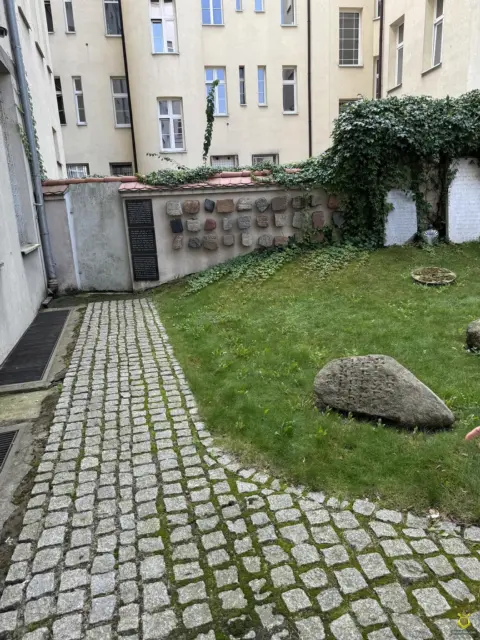
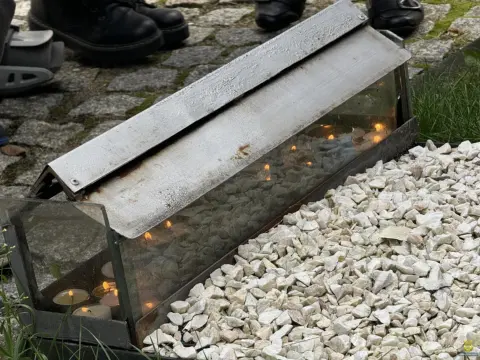
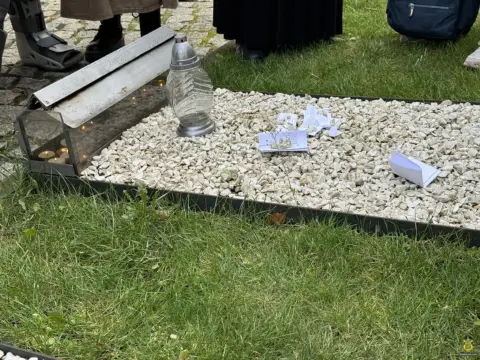
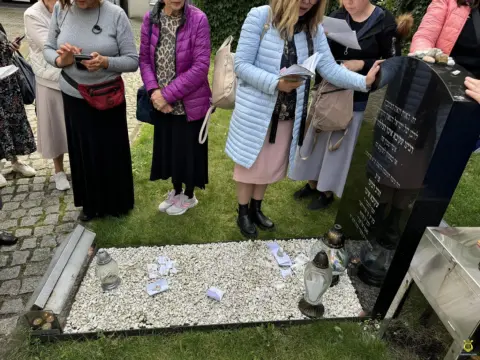
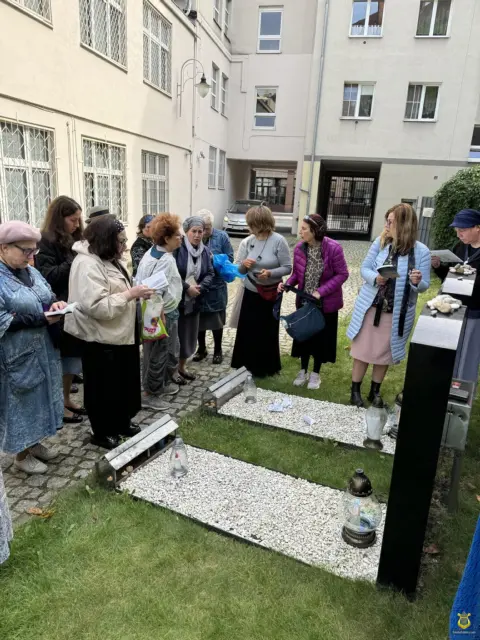
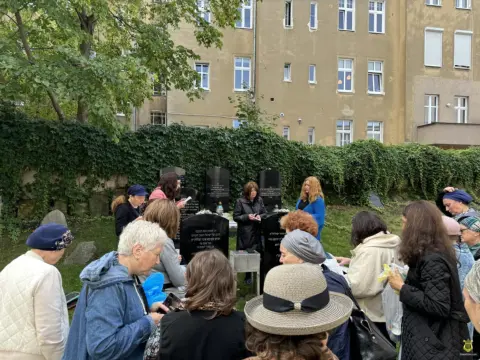
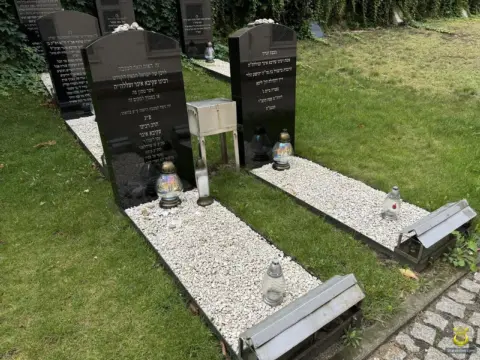
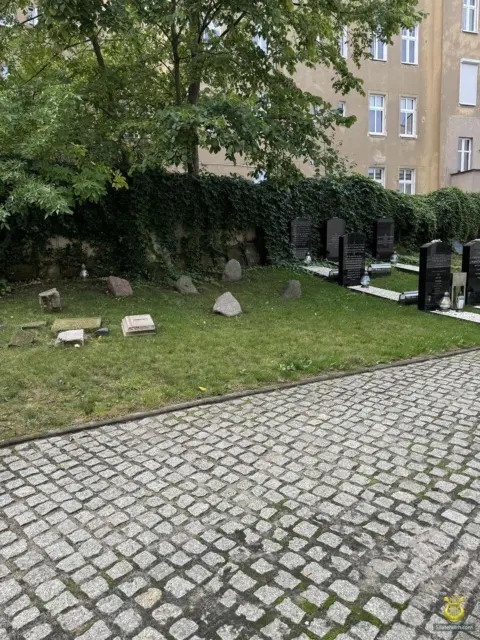
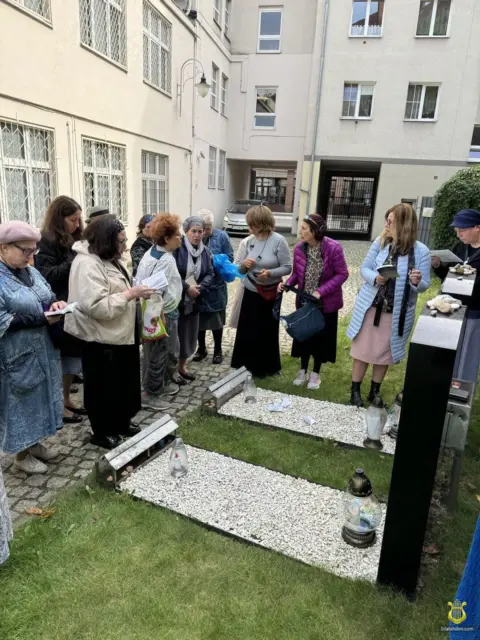
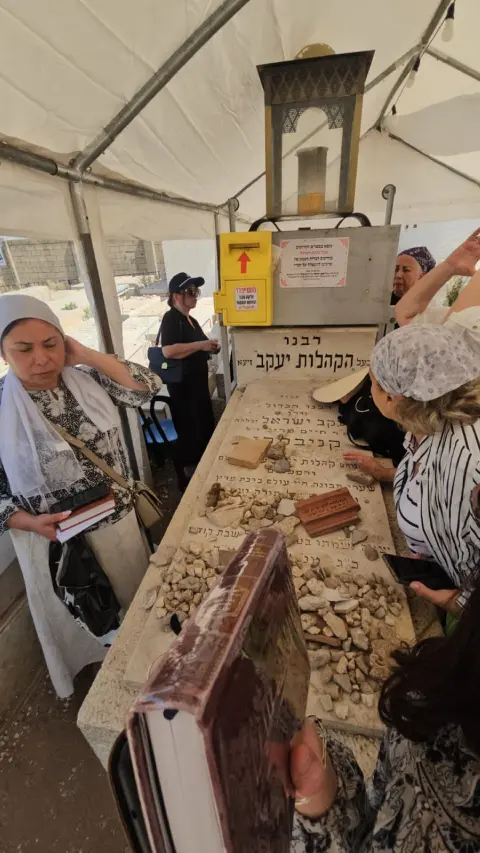
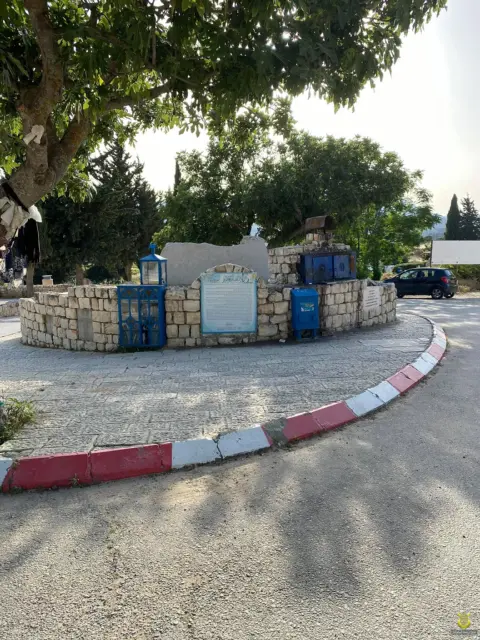
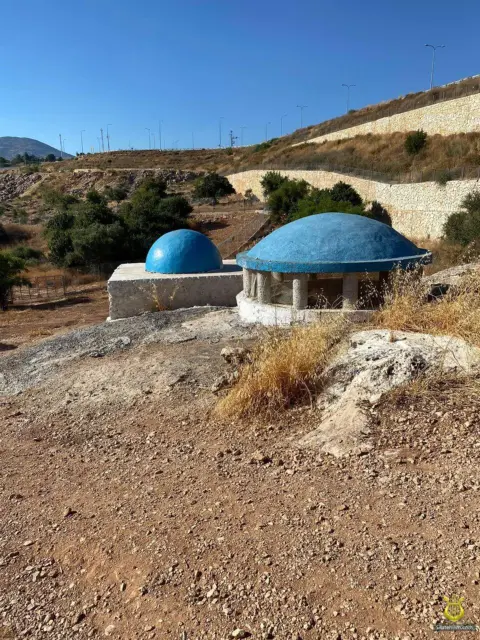
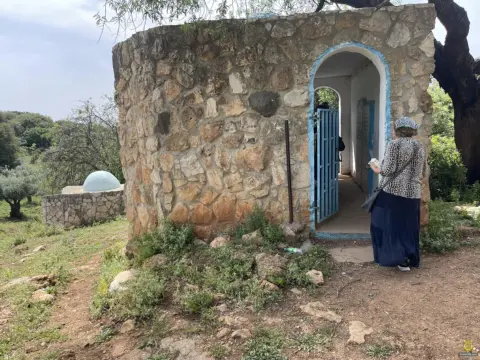
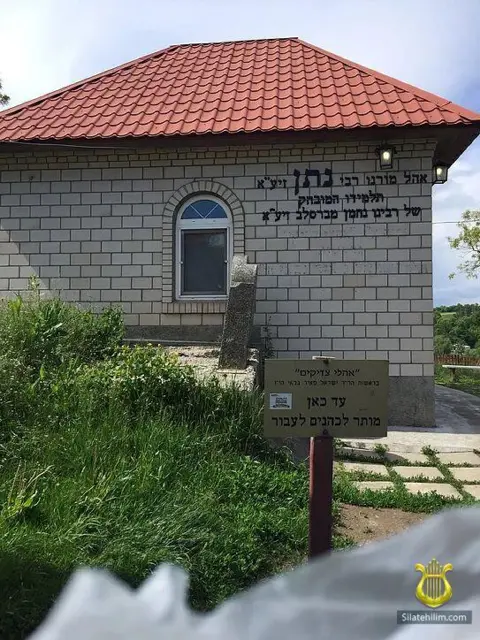
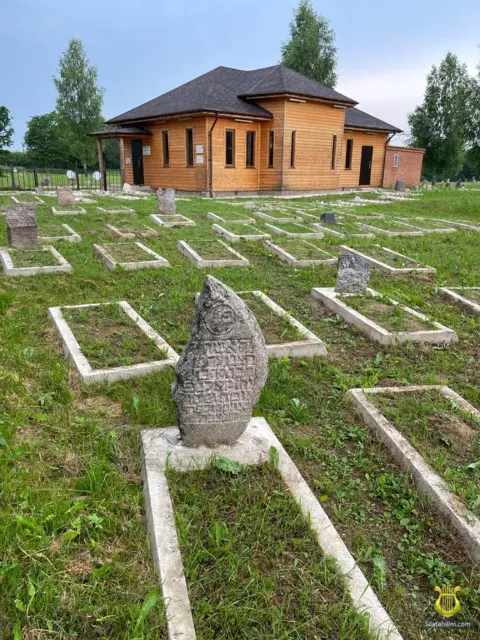
Grave
Akiva Eger
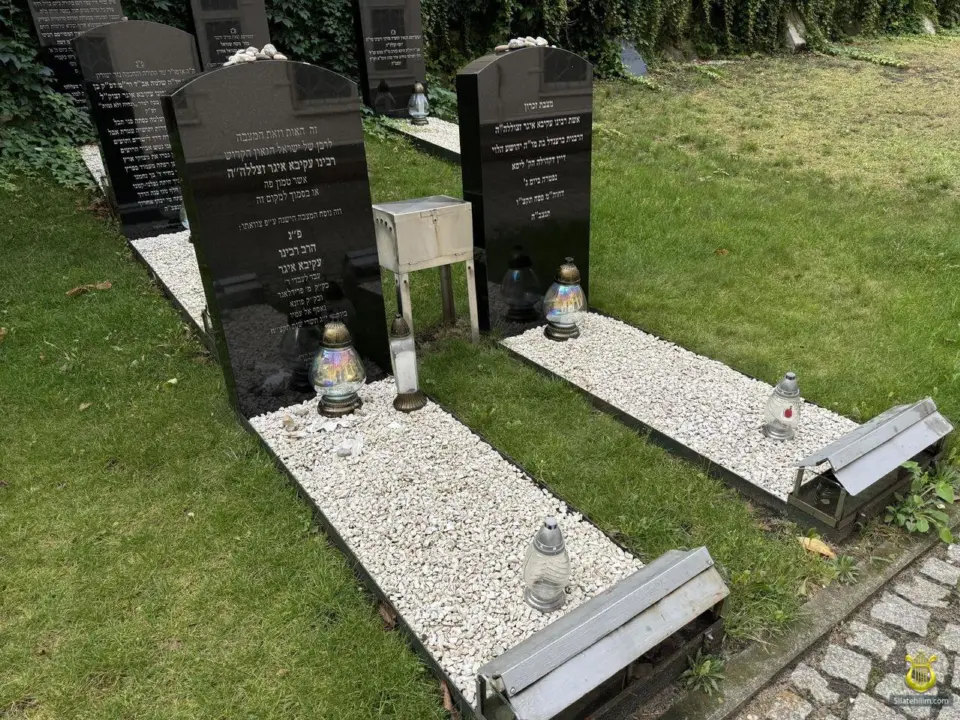
Yahrzeit (Hillula)
- 13 Tishrei — Rabbi Akiva Eger
Rabbi Akiva ben Moshe Eger – Akiva Guns, an outstanding scholar of the Talmud, an influential halachic authority, and a preeminent leader of European Jewry in the early 19th century.
Yahrzeit - 13 Tishrei
Burial place - Poznan, Poland
Rabbi Akiva Eger was born in Eisenstadt – the most important town of the Seven Communities of Burgenland, Hungary (today Austria). He was a child prodigy and received his education first at the Yeshiva of Mattersdorf, and afterward from his uncle, Rabbi Wolf Eger (1756–1795), at the Yeshiva of Breslau (Wroclaw), who later became rabbi of Biala Podlaska and Leipnik. Out of respect for his uncle, he changed his surname to Eger. He therefore shared the full name Akiva Eger with his maternal grandfather, the first Rabbi Akiva Eger (1722–1758), author of Mishnat D'Rebbi Akiva, who served as rabbi of Zulz, Silesia from 1749 and of Pressburg from 1756.
He served as rabbi of Markisch Friedland, West Prussia, from 1791 to 1815; then, for the last twenty-two years of his life, he was rabbi of the city of Posen (Poznan).
He was a staunch adherent of the old school, and his major works consisted of legal glosses and responsa on the Talmud and the Shulchan Aruch. He was a determined opponent of the Reform movement, which was beginning to gain influence in his time.
Descendants
Two of his sons, Avraham (1781–1853), was rabbi in Kalisz, Poland, and Solomon (1785–1852), Chief Rabbi of Posen from 1837 to 1852. His daughter Sorel (Sarah) Eger Sofer (1790–1832) was the second wife of the Chatam Sofer (1762–1839) of Pressburg.
His son Rabbi Shlomo sat Shiva for his son Leibel Eiger when the latter became a disciple of the Chassidic rabbi Menachem Mendel of Kotzk. Leibel Eger later went on to study under Rabbi Mordechai Yosef Leiner, author of the "Mei HaShiloach" and founder of the Izhbitz-Radzin dynasty, and became a Rebbe (together with Yaakov Leiner) after Rabbi Leiner's passing.
A Letter from Rabbi Akiva Eger of Pressburg to Rabbi Eliyahu Guttmacher During an Epidemic
"With G-d's help. Monday, the week when the Torah portion of Nitzavim is read in the synagogues, Posen… To Rabbi Eliyahu, head of the rabbinical court of the Jewish community of Pleschen. I have received your letter. Regarding prayer in the synagogue, in my opinion it is indeed not advisable to gather in a crowded space. However, one may pray in small groups… no more than 15 people, beginning at first light, and likewise in the afternoon. After the morning and evening prayers, recite a few Psalms of your choosing, followed by penitential prayers. Then include in the prayers his majesty [the King of Prussia], his descendants, and all who dwell in this land. Make sure that no more than the stated number gathers [for prayer] – perhaps by posting a guard for this purpose. Beware of catching cold. Everyone should wrap their loins in flannel. Do not eat spoiled food, especially pickled foods. Limit your consumption of fruit, fish, and beer. Do not overeat. It is better to eat small amounts frequently. Keep things clean; do not leave garbage or slop in the house. Change into clean, freshly laundered clothing several times a week. Do not worry, and try not to become agitated. Do not walk the city streets at night. During the day, when the sun is shining, it is good to walk outside the city to get some fresh air. Open the windows in the morning to air out the rooms. Do not leave the house on an empty stomach; on an empty stomach, one should chew a bit of mustard seed or oak bark. Wash your face and hands with water each morning. Sprinkle the rooms several times with good, strong vinegar mixed with rose water."
When Prayers Are Accepted
A very wealthy Jew from Warsaw turned for help to Rav Shlomo Eger – son of the great 19th-century sage Rabbi Akiva Eger. His wife Rivka, daughter of Sarah, was in great need of healing, and he asked Rav Shlomo to write a letter to his father in Poznan so that the great sage would pray for his wife's health. This wealthy Jew also said that, in gratitude for his wife's recovery, he would undertake to clothe 200 yeshiva students from poor families in warm winter garments. Rav Shlomo was a very busy man, and when he wrote the letter with this request, he mistakenly wrote the sick woman's name as Sarah, daughter of Rivka. Soon Rabbi Akiva Eger sent a reply letter in which he wrote: "I prayed for the health of Sarah, daughter of Rivka, but my prayer was not accepted. Perhaps there is some error in the name of the sick woman or her mother." Rav Shlomo hurried to verify the name of the sick woman, discovered his mistake, and immediately sent a new letter. Rabbi Akiva Eger replied: "I prayed for the health of Rivka, daughter of Sarah, and my prayer was accepted." A short time later, word arrived that the sick woman had made a full recovery. An Inheritance In the book of the great Rav Aharon Steinman, "K'Ayal Ta'arog," it is told that a Jew left a will requesting that after his death, all his inheritance be given to whoever was the leading sage of the generation among the Jewish people. A special session of the Jewish court was convened over this matter, which had to decide who was the leading sage of the generation: Rav Chaim of Volozhin or Rabbi Akiva Eger. It was decided that it was Rabbi Akiva Eger, and all of that Jew's property was transferred to him. But he did not use the money for himself; instead, he donated it toward the building of a Jewish hospital.
May the merit of the Tzadik protect Am Yisrael!
(https://dailyzohar.com/tzadikim/885-Rabbi-Akiva-Eger, https://ja-tora.com/wp…/uploads/2020/05/AkivaEger2.jpg)
Gallery