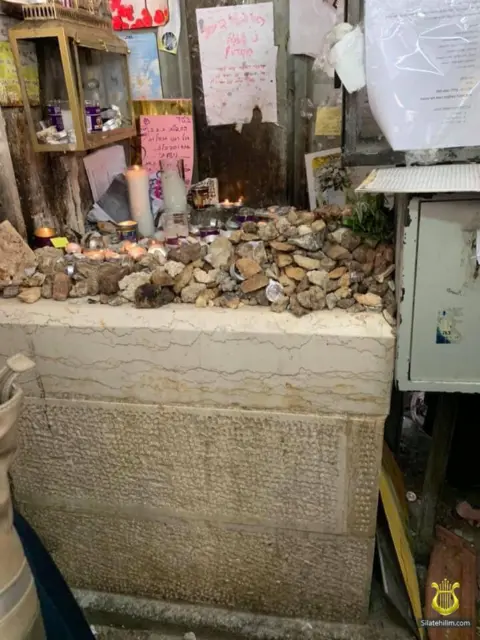
Grave
Avdimi de-min Haifa - Amora
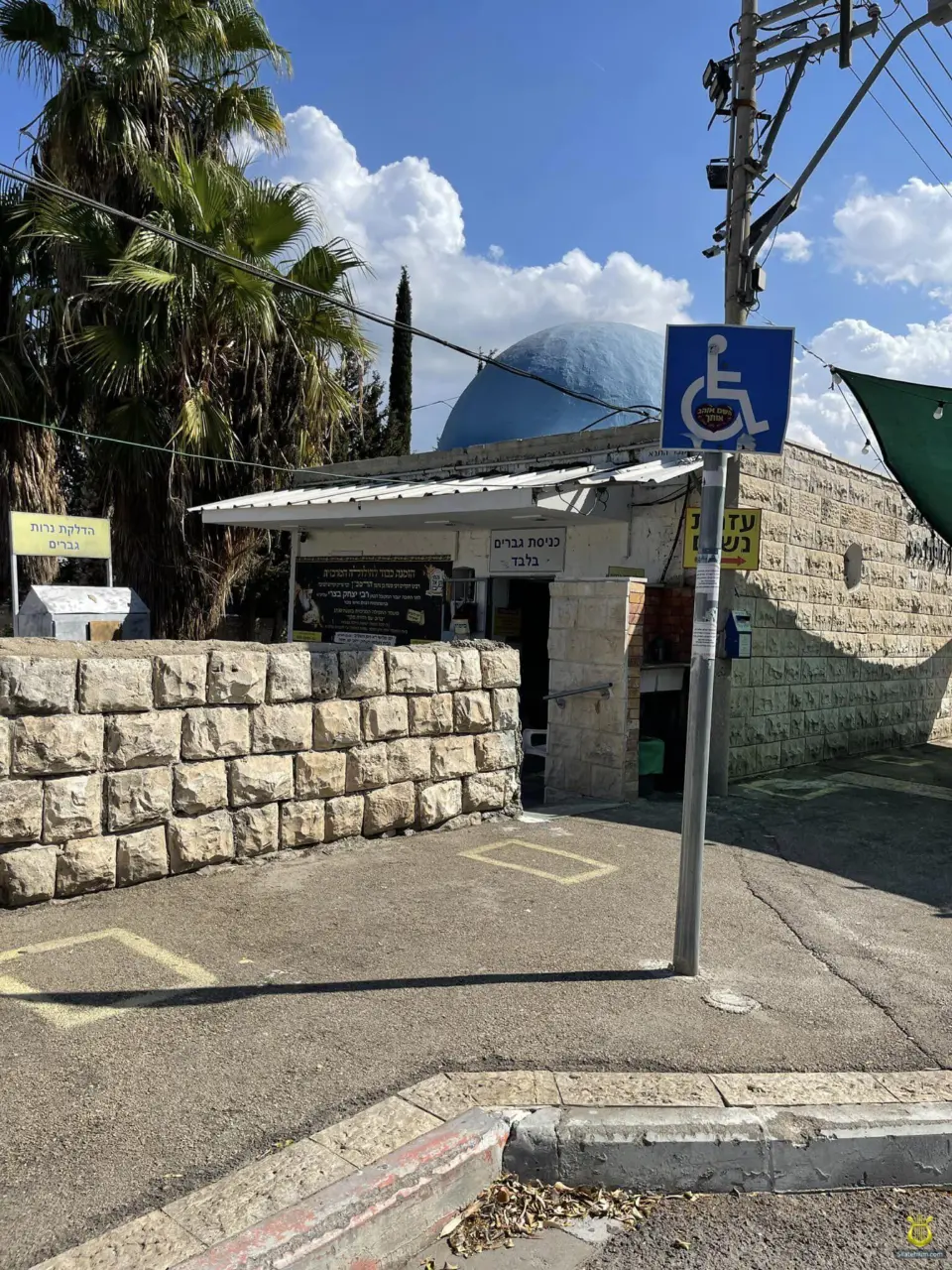
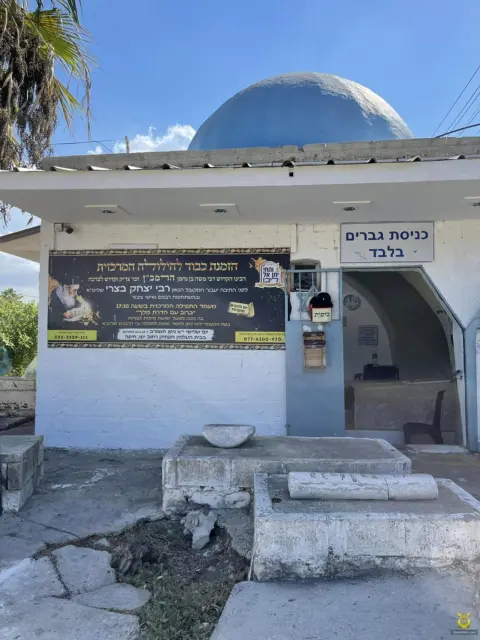
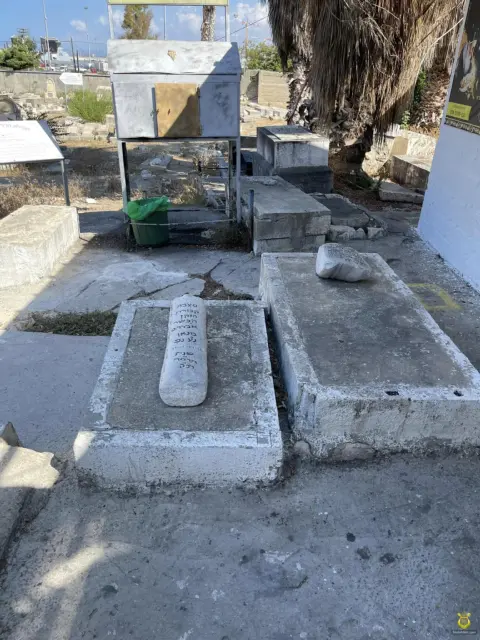
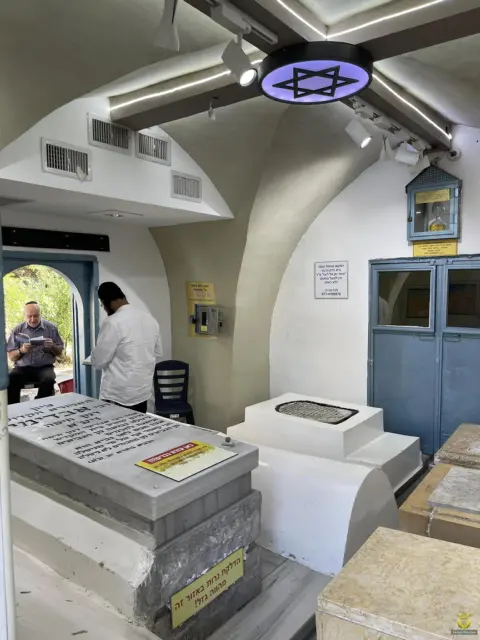
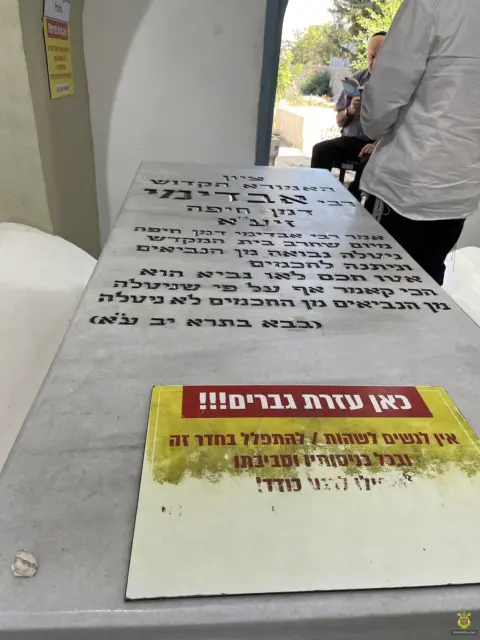
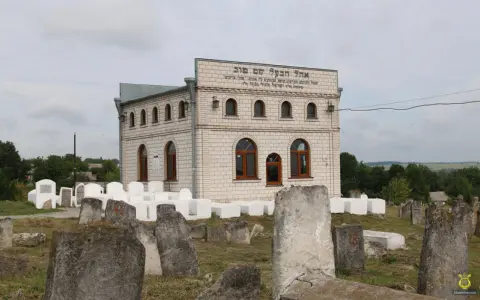
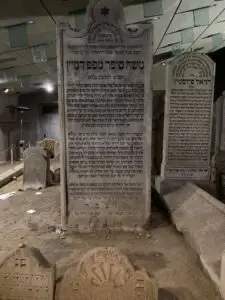
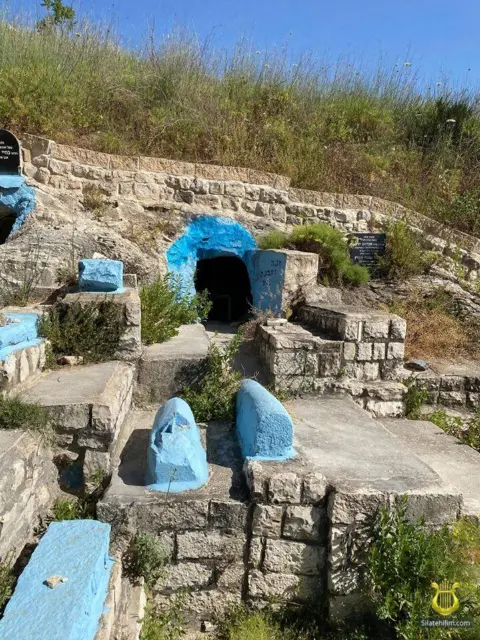
The Resting Place of the Amora Rabbi Avdimi de-min Haifa
Burial Place - Haifa, Yafo Street.
Rabbi Avdimi was a halachic authority and sage who lived after the completion of the Mishnah, in the 3rd century CE, and is considered one of the compilers of the Jerusalem Talmud.
A great Talmudist - he was a student of Levi ben Sisi and Reish Lakish, and among his own students were Rav Abbahu, Rav Chelbo, and Rav Zeira.
Rabbi Avdimi was a recognized authority on matters of halacha, and also excelled in aggadah.
Limud
According to him, one should observe these rules of etiquette:
-
When a Chacham passes by on his way to his seat in the Yeshiva, everyone must rise in his honor when he is within four cubits, and must remain standing until he has passed the same distance beyond;
-
In honor of the head of the Av Beit Din, one should rise as soon as his approach is noticed, and remain standing until he has passed within four cubits;
-
When the Nasi (head of the Sanhedrin) passes by, one must rise as soon as he sees him approaching, and remain standing long enough for him to reach his place and sit down; for so the Torah says: "And all the people rose up... and looked after Moshe, until he was gone into the tent."
Commentary on Kohelet (12:7)
"And the spirit shall return to G-d Who gave it" - the well-known aggadist Rabbi Shmuel ben Nachman noted that Rabbi Avdimi of Haifa explained this passage as follows:
"A priest who strictly observed the laws of ritual purity entrusted a sacred loaf of teruma to a less scrupulous person (an am ha'aretz), saying: 'Behold, I am pure, and my house is pure, and my vessels are pure, and this bread is pure; if you return it to me in the same state in which I give it to you, it will be well; if not, I shall burn it in your presence.'"
So the Holy One, Blessed Be He, says to man:
"Behold, I am pure, and My dwelling is pure, and My servants are pure, and the soul which I entrust to you for safekeeping is pure: if you return it to Me as I gave it to you, it will be well; otherwise I shall burn it in your presence."
Well-known teachings of Rabbi Avdimi
- "On the day the Temple fell, the gift of prophecy was taken from the prophets and given to the Sages."
- "Before a person eats and drinks, he has two hearts; but after he has eaten and drunk, he no longer has even one heart, as it is written (Job 11): 'An empty man (Rashi: with an empty stomach) is 'levaved' (heartened)' ('yilavev' [ילבב], written with two 'bets,' which Rashi explains means that hunger causes the heart to become 'divided,' i.e., a person is not at peace with himself). (Talmud, Tractate Bava Batra, folio 12)
From Rabbi Avdimi's teachings, it is clear that he was also familiar with the "hidden wisdom."
Perhaps this is why the sage's grave became one of the pilgrimage sites where it is customary to turn to the Almighty with requests.
Jewish travelers to the Land of Israel wrote about visiting his resting place as far back as the Middle Ages.
Segula
From the eve of Rosh Chodesh, pray at Rabbi Avdimi's grave for three consecutive evenings - and many attest that the prayer will be heard.
Sippurei Tzadikim
Old-time residents of Haifa tell of a story that took place at this site in the early 1950s.
There are always many people wishing to be heard by the Creator.
And so beggars, too, would often gather near the Amora's grave, asking for alms from those who came to pray.
One of these poor men, old and unfriendly, was well known in the city. It seemed he spent all his time by the tomb, sitting and swaying with an outstretched hand, muttering something under his breath in hopes that pilgrims would give him a coin or two.
Some gave alms willingly, others less so.
The beggar himself was demanding, at times even overly so.
It seemed he considered himself appointed, almost as a collector of mandatory dues from everyone who came to that part of the cemetery.
At that time, an especially large number of petitioners would gather at Rabbi Avdimi's grave.
People came with all kinds of requests: some hoped for a successful shidduch, some for success in a new venture, others for release from infertility.
But often among them were poor Jewish residents of the neighboring quarters, struggling to make ends meet.
Times were hard: food was rationed, and many basic necessities could only be purchased on the black market, where prices were unaffordable for many.
So the requests of these people often came down to waiting for small miracles: a little money to buy milk for a child, or a chicken for the holiday, or medicine for a sick husband, the family's breadwinner.
Most remarkable of all was that these very "small miracles" did indeed happen from time to time. Not only bottles of milk and packages of market treats, but other truly necessary items were unexpectedly found on doorsteps or in courtyards, left there by no one knew whom.
Once, Rabbi BARUCH HAGER, the Admor of VIZHNITZ, a sage and expert in Kabbalah known by the title of his book "Makor Baruch" (Source of Blessing), who had recently arrived in Haifa from Romania, told his students of his intention to visit Rabbi Avdimi's grave.
The elderly rabbi devoted all his time to Torah study and to the affairs of the Vizhnitz community he had founded in the city, and so he left his home only rarely, for very serious reasons.
Naturally, a huge crowd of his devoted chassidim gathered to accompany the Admor. The small structure built over Rabbi Avdimi's grave could barely hold everyone who came. The most zealous of his students, having generously given alms to the beggar sitting there, began pushing him outside - whether out of concern that their master's eyes might be offended by the sight of a vagrant, or simply for lack of space.
But suddenly Rav Baruch Hager himself told the crowd to step aside, hurried to the beggar and, kissing his hand, began asking him for a blessing.
The chassidim watched in bewilderment as their Rebbe humbly bowed before a man dressed in rags, while the man, raising his cracked, weathered hands over the rabbi's head, mumbled words that only faintly resembled a blessing.
The "Makor Baruch" himself was apparently deeply moved by this encounter. On returning, he told his astonished students that the blessing of the poor man - a great tzadik - was for him almost the most important thing in his life.
The very next day, the beggar from Rabbi Avdimi's grave died. He was found lying in the very same spot near the grave where he had spent so many years. Doctors determined that, apparently a man of very advanced age, he had died in his sleep of heart failure.
At first many were even glad that no one would trouble them anymore for alms.
But those very small miracles that had so delighted the residents of the surrounding quarters stopped happening.
And soon they began to guess who had been fulfilling the requests raised at the grave of the Haifa Talmudist, Rabbi Avdimi.
The plain old man with the perpetually outstretched hand, who seemed to care about nothing but alms, was in fact the miraculous benefactor who, overhearing people's pleas, secretly used the money he collected to help one needy person after another. It turned out that no one had ever bothered to ask his name during his lifetime, and so he was buried nameless.
What remained unclear was only how Rabbi Baruch Hager had known of the beggar's righteousness and his impending death.
The words of Rabbi Avdimi were thus fulfilled - that with the destruction of the Temple, the gift of prophecy passed from the prophets to the Sages.
(With gratitude to my good angel - the bright "guide" to the Kivrei Tzadikim - Dena Bluster)
Gallery