

12 Elul · Yahrzeit
Chacham Menachem Menashe - A Hidden Tzadik
Chacham Menachem ben Yaakov Menashe was born in 1892 in Turkey.
Yahrzeit - 12 Elul
Resting place - Jerusalem, Givat Shaul Cemetery,
(Block: Simhioff, 6, 14, 16, 17 Plot: Becher 6 Row: 13 Place: 84)
In 1903 his father died, leaving him with his mother and four brothers. Chacham Menachem Menashe studied Torah with the sages of Bursa, and later with the sages of Istanbul, among them Chacham Shlomo Eliezer Alfandari, known as the Saba Kadisha.
In 1911 he married Esther Heres, daughter of a family of philanthropists from Adrianople.
He was drafted into the Ottoman army in 1913 and fought in the First World War. He did everything he could to remain an observant Jew in the army and to keep up the spirits of the other Jewish soldiers who served alongside him. During his service he fled and vowed that if G-d saved him, he would immigrate to the Land of Israel.
In 1918, near the end of the First World War, he immigrated to Israel with his wife and daughter. Traveling by land, they entered through the Lebanese border.
Chacham Menachem Menashe settled with his family in the Beit Yisrael neighborhood of Jerusalem.
He earned his living as a blacksmith and devoted himself to the community, opening a center for Torah study and prayer called Chevrat Ahavat Chaim. In addition to giving classes in Talmud and Torah, he also engaged in righteous deeds and charity.
From time to time he organized pilgrimages to the graves of tzadikim in the Galilee, renting one or two trucks and bringing about 60 people to pray for the people of Israel.
After the establishment of the State of Israel, the number of immigrants grew, and Chacham Menachem Menashe hired teachers for the children at his own expense. He also made sure that the schoolchildren were fed well and kosher, so that they could study without worry.
In Jerusalem he connected with the kabbalist Rabbi Yitzchak Alfiya and became his student. In 1344, when Rabbi Yehuda Ptaya came to Jerusalem, he grew close to him.
Most of his deeds for the needy were done in secret. Rabbi Shmuel Eliyahu said that his father, Rabbi Mordechai Eliyahu, said of him that he was one of the 36 hidden righteous ones, "if not the first among them."
The Great Chalban (also called a "lamed-vav") said of Chacham Menachem Menashe that he was one of the few who knew how to perform Tikkunim.
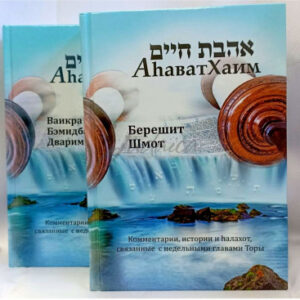
Chacham Menachem Menashe authored several works, three of which were published: "Likutei Menashe" - a collection of halachot, mostly about the Jewish way of life, written in simple language, "Ahavat Chaim," "Shaar HaChaim."
He wrote about the custom of Lag BaOmer, which was often quoted by the Rishon LeTzion Rabbi Mordechai Eliyahu and the great Chalban:
"Regarding the faithful custom on the eve of Lag BaOmer, when candles are sold, the names of some of the Tannaim and Amoraim are mentioned and candles are lit in their honor, I have heard that at that very moment the Tzadik himself comes from the World of Truth and looks into the face of the person; he departs remembering the name and appearance of that person. When the person dies, the Tzadik comes to his defense, telling how this person spent his money and lit candles in the Tzadik's honor. Though they never saw us or knew us, for the sake of faith they seek as much merit as possible; all the more so for a person who studies Torah and mentions their names in the Mishnah or a tractate, causing their lips to move in the grave - such a person is helped even more."
His book "Ahavat Chaim" in Russian revealed many secrets of the hidden Torah through the stories of tzadikim.
Lighting candles in honor of the Sages of the Mishnah (Tannaim) and Talmud (Amoraim)
Sod Torah - the secret of the insertion of "Yaale VeYavo"
Tehillim 136 and the 26 Generations
May the merit of the Tzadik protect Am Yisrael!!!