40-Day Candle Lighting in Honor of the Rashbi and Rabbi Meir Baal HaNes
Lighting candles in honor of tzadikim for 40 days is a very powerful segula for protection from all troubles.
We connect ourselves to the merit of the tzadikim and ask Ha-Shem for our personal needs.
It is well known that the number 40 in Judaism is associated with the possibility of changing one's mazal.
How to Change Your Mazal in 40 Days or 960 Hours
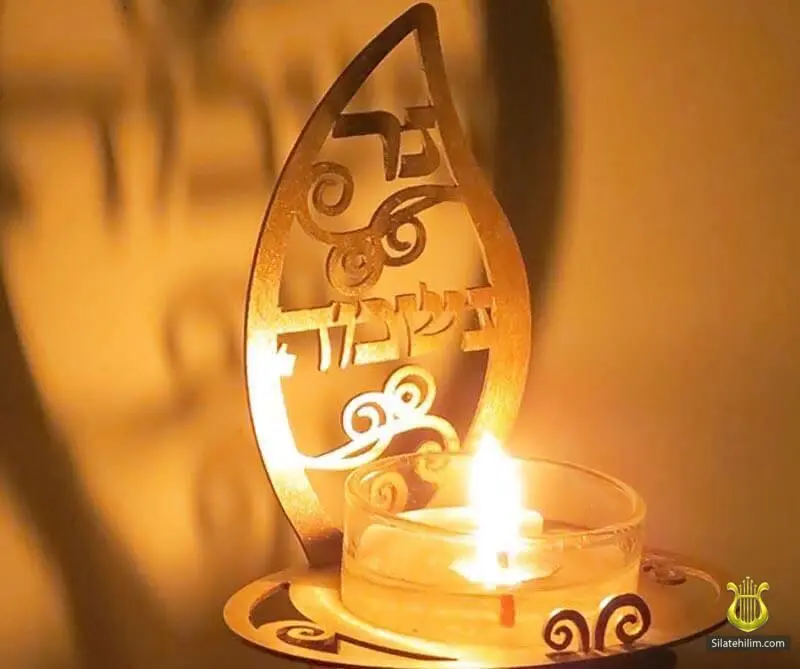
To light a candle
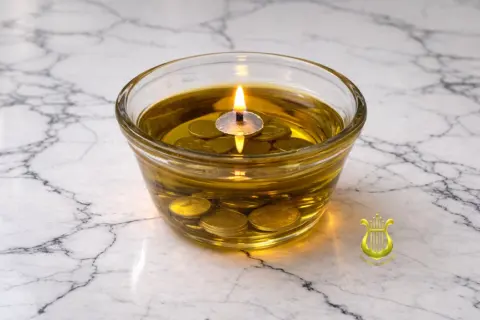
le-ilui nishmat, use a 24-hour or oil candle. Before lighting the candle, set aside money for a Kupat Tzedakah.
Before praying, it is beneficial to give tzedakah consisting of 3 coins.
The Power of Tears — Esau’s 2½ Tears and the Mystery of the Three Coins in Shacharit
Lighting Candles in Honor of the Rashbi
Introduction:
“LeShem Yichud Kudsha Brich Hu ve-Shechintei bidchilu u-verachimu
le-yached Shem ha-ot ‘yud’ ha-ot ‘heh’ ha-ot ‘vav’ ve-ha-ot ‘heh’
be-Yichuda Shalem be-shem kol Yisrael.”
“Hareini madlik ner zeh lechvod Rabbi Shimon bar Yochai; zechuto yagen aleinu. Ribono Shel Olam, bi-zechut tzadik Rabbi Shimon bar Yochai (personal request).”
The Kabbalists associate the name
Rabbi Shimon bar Yochai with healing.
The name
Rashbi is an acronym (roshei teivot) for the words
Refuah Shlemah Be'ezrat Ha-Shem. Therefore, when lighting a candle in honor of the tzadik, one should have in mind the first letters of his name and pray for healing:
Rabbi –
Refuah
Shimon –
Shlemah
Bar –
Be'ezrat
Yochai –
Ha-Shem
Lighting Candles in Honor of Rabbi Meir Baal HaNes
Among the Jewish people, the name Rabbi Meir is invariably associated with miracles, and people always turn to him in the most difficult moments.
A powerful segula is to light a candle in honor of the tzadik and recite the prayer
“Eloka De-Meir Aneni,” which is said in difficult times.
“Hareini madlik ner zeh lechvod Rabbi Meir Baal HaNes; zechuto yagen aleinu. Ribono Shel Olam, bi-zechut tzadik Rabbi Meir Baal HaNes (personal request).”
Prayer of “Eloka De-Meir Aneni”:
“Eloka de-Meir aneni! Eloka de-Meir aneni! Eloka de-Meir aneni!
Ribono Shel Olam, hareini noten sach
(amount of money) li-tzedakah
(or shemen lamaor) (or nerot le-beit ha-knesset) le-shem nishmat avoteinu, avot ha-olam, Avraham, Yitzchak ve-Yaakov. U-le-shem nishmat ha-Tanna Rabbi Meir Baal HaNes, u-le-shem nishmot kol ha-tzadikim.
Yehi ratzon milfanekha, Adonai Eloheinu ve-Elohei avoteinu, keshem she-shamata et tefilatam ve-asita imahem nisim ve-niflaot, geluyim ve-nistarim, ve-hitzalta otam mi-kol tzarah ve-tzukah ve-hotzetam me-afelah le-orah, u-keshem she-shamata et tefilat avdekha Meir ve-asita imo nisim ve-niflaot, ken yehi na she'at rachamim ve-et ratzon milfanekha, ve-ta'aseh imadi
(name of the person praying) ve-im kol amekha Benei Yisrael, nisim ve-niflaot geluyim ve-nistarim, ve-tatzilenu mi-kol tzarah ve-tzukah me-atah ve-ad olam.
(For a sick person: U-vifrat she-tishlach refuah shlemah la-choleh –
(name).
(Before meeting an important person: Ve-Ha-Shem yitbarach yitneni le-chen u-le-chesed u-le-rachamim be-einei kol ro'ai, u-vifrat etzel asar —
his name).
(Against an informer: Keshem she-hefarta etz at Haman ha-rasha, ken tafer u-tekalkel machashevet malshin
his name).
Yihyu le-ratzon imrei fi ve-hegyon libi lefanekha, Adonai tzuri ve-go'ali.”
Translation:
“G-d of Rabbi Meir, answer me! G-d of Rabbi Meir, answer me! G-d of Rabbi Meir, answer me!
Master of the universe! Here I am giving this amount of tzedakah (or: oil for lighting; or: candles for the synagogue) in memory of the souls of our forefathers, the fathers of the world—Avraham, Yitzchak, and Yaakov—in memory of the soul of the Tanna and miracle-worker Rabbi Meir, and in memory of the souls of all the righteous.
May it be Your will, O L-rd our G-d and G-d of our fathers, just as You heard their prayers and performed miracles and wonders for them, both openly and secretly, saving them from every trouble and hardship and bringing them from darkness into light.
Just as You heard the prayer of Your servant Meir and performed miracles and wonders for him, so too, at this time of mercy and favor, perform miracles and wonders for me (name of the person praying) and for all Your people Israel, both openly and secretly, and save us from every trouble and hardship, from this day and forever.
(When praying for a sick person, add: Please send a complete recovery to…)
(If one wishes to find favor in the eyes of an important person, add: May the Holy One, blessed be He, grant me favor, kindness, and mercy in the eyes of all who see me, and especially in the eyes of my master…)
(If one wishes to be saved from trouble or slander, say: Just as You thwarted the scheme of the wicked Haman, so too thwart and destroy the scheme of my informer…)
May the words of my mouth and the thoughts of my heart be acceptable before You, O L-rd, my Rock and my Redeemer.”
Why We Light Candles in Honor of Tzadikim
“It is known that the soul derives pleasure from the lighting of candles; it moves amid the splendor of the heavens, joy spreads from the source of light, and it yearns for that light. This is so even though the light of a candle's flame is material, while the light of the soul is spiritual, pure, and simple.” (Rabbeinu Bachya, Terumah, “Offerings”)
“There the souls delight in the light, and one should not be surprised that even in the body the soul loves fragrance.”
Ben Ish Chai teaches that the soul of a righteous person rejoices when a memorial candle is lit for him, and his soul ascends to Ha-Shem and intercedes on behalf of the person who lit the
ner neshamah in his honor.
(Ben Ish Chai, Torah Lishmah, 520)
“After death, tzadikim have an even greater influence on the welfare of the world than they did during their lifetimes.” (
the holy Zohar on Vayikra, 71a).
The holy Zohar (Shemot, 16b) writes that if the departed did not ask the Almighty on behalf of the living, we would not be able to endure even half a day.
Elsewhere,
the holy Zohar (Vayikra, 70b) states:
“When the world is in distress, the especially worthy representatives of the nation inform the souls of the righteous of this and weep at their graves. Then the souls of the righteous awaken, gather together, go forth, and ascend to those ‘sleeping’ in Hebron, telling them of the trouble. Then they all enter together through ‘that very entrance’ and inform the ‘Spirit’ of the trouble. Those ‘Spirits’ who are crowned in the Garden of Eden, and the supernal angels, go and tell everything to the ‘Soul,’ and the ‘Soul,’ in turn, tells the Almighty. Then all plead for mercy for the living. And the Almighty, for their sake, shows mercy to the earth.”
The origin of this custom is associated with
Rabbi Yehudah HaNasi, the compiler of the Mishnah, who instructed his family:
“נריהיה דלוק במקומו” — “A candle shall be lit in his place,” expressing respect for the deceased.
“The Name of the Almighty is found in the name of the righteous person. It ‘clothes itself’ in him. From this we learn that when the name of the righteous person is spread, the Name of the Blessed One is spread as well. The greater the name of the righteous person, the greater the Name of the Almighty, because the Name of the Almighty is joined with the name of the righteous person.”
Chacham Rabbi Menachem Menashe of Turkey wrote remarkable words about lighting candles in honor of a righteous person. They were often quoted by
Rishon LeZion Rabbi Mordechai Eliyahu and the great
Chalban:
“As for the accepted custom on the eve of Lag BaOmer, when candles are sold, the names of certain Tannaim and Amoraim are mentioned, and candles are lit in their honor: I heard that at that very moment the tzadik himself comes from the World of Truth and looks into the person's face; he departs, remembering that person's name and appearance. When the person dies, the tzadik comes to his defense, saying how this person spent his money and lit candles in honor of the tzadik. Though they have not seen us or known us, for the sake of faith they seek as many merits as possible; how much more so for a person who studies Torah and mentions their names in the Mishnah or a tractate, causing his lips to move in the grave—such a person receives even greater assistance.”
It is preferable to light an oil candle.
Before lighting the candle, set aside money for a Kupat Tzedakah.
(From Yeshivat “Kisei Rachamim” for Silatehilim.com, Yura Plishtiev)
Please note: some articles on our site contain the holy Names of the Almighty. If you print these articles, they may not be thrown away or destroyed. Please handle printed copies with care and respect.