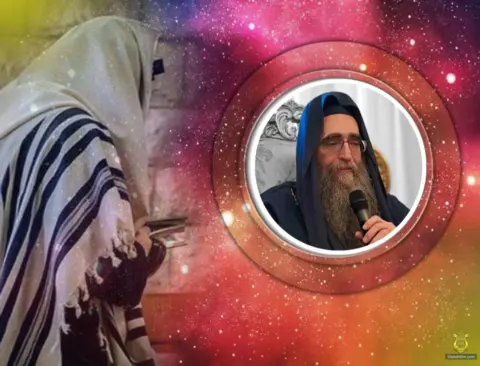
Prayers for Motzaei Shabbat from Midrash Talpiyot for a Successful Week
Prayers for Motzaei Shabbat from "Midrash Talpiyot" for a Successful Week
The great Kabbalist Rabbi Eliyahu HaKohen HaItamari of Smyrna (Izmir) presents two important prayers for Motzaei Shabbat in «Midrash Talpiyot».
Rabbi Eliyahu HaKohen explains how important it is to pray on Motzaei Shabbat, for this is the time when the additional soul—the "Neshamah Yeterah" that joins a Jew at the beginning of Shabbat—departs, leaving him feeling sadness and heaviness. At this time, it is important to strengthen oneself and attain joy, since Motzaei Shabbat affects the entire week. This is also why, during Havdalah, we recite a blessing over fragrant spices: their scent comforts us at the moment of parting from the additional soul.
1. Parashat Vayishlach (32:3–33:20)
If an important event, journey, meeting, brit milah, or court case is scheduled for the coming week, then, for success and good fortune, one should read the passage from Parashat Vayishlach (32:3–33:20).
ד וַיִּשְׁלַ֨ח יַֽעֲקֹ֤ב מַלְאָכִים֙ לְפָנָ֔יו אֶל־עֵשָׂ֖ו אָחִ֑יו אַ֥רְצָה שֵׂעִ֖יר שְׂדֵ֥ה אֱדֽוֹם׃ ה וַיְצַ֤ו אֹתָם֙ לֵאמֹ֔ר כֹּ֣ה תֹֽאמְר֔וּן לַֽאדֹנִ֖י לְעֵשָׂ֑ו כֹּ֤ה אָמַר֙ עַבְדְּךָ֣ יַֽעֲקֹ֔ב עִם־לָבָ֣ן גַּ֔רְתִּי וָֽאֵחַ֖ר עַד־עָֽתָּה׃ ו וַֽיְהִי־לִי֙ שׁ֣וֹר וַֽחֲמ֔וֹר צֹ֖אן וְעֶ֣בֶד וְשִׁפְחָ֑ה וָֽאֶשְׁלְחָה֙ לְהַגִּ֣יד לַֽאדֹנִ֔י לִמְצֹא־חֵ֖ן בְּעֵינֶֽיךָ׃ ז וַיָּשֻׁ֨בוּ֙ הַמַּלְאָכִ֔ים אֶֽל־יַעֲקֹ֖ב לֵאמֹ֑ר בָּ֤אנוּ אֶל־אָחִ֨יךָ֙ אֶל־עֵשָׂ֔ו וְגַם֙ הֹלֵ֣ךְ לִקְרָֽאתְךָ֔ וְאַרְבַּע־מֵא֥וֹת אִ֖ישׁ עִמּֽוֹ׃ ח וַיִּירָ֧א יַֽעֲקֹ֛ב מְאֹ֖ד וַיֵּ֣צֶר ל֑וֹ וַיַּ֜חַץ אֶת־הָעָ֣ם אֲשֶׁר־אִתּ֗וֹ וְאֶת־הַצֹּ֧אן וְאֶת־הַבָּקָ֛ר וְהַגְּמַלִּ֖ים לִשְׁנֵ֥י מַֽחֲנֽוֹת׃ ט וַיֹּ֕אמֶר אִם־יָב֥וֹא עֵשָׂ֛ו אֶל־הַמַּֽחֲנֶ֥ה הָֽאַחַ֖ת וְהִכָּ֑הוּ וְהָיָ֛ה הַמַּֽחֲנֶ֥ה הַנִּשְׁאָ֖ר לִפְלֵיטָֽה׃ י וַיֹּאמֶר֮ יַֽעֲקֹב֒ אֱלֹהֵי֙ אָבִ֣י אַבְרָהָ֔ם וֵֽאלֹהֵ֖י אָבִ֣י יִצְחָ֑ק יְהוָ֞ה הָֽאֹמֵ֣ר אֵלַ֗י שׁ֧וּב לְאַרְצְךָ֛ וּלְמֽוֹלַדְתְּךָ֖ וְאֵיטִ֥יבָה עִמָּֽךְ׃ יא קָטֹ֜נְתִּי מִכֹּ֤ל הַֽחֲסָדִים֙ וּמִכָּל־הָ֣אֱמֶ֔ת אֲשֶׁ֥ר עָשִׂ֖יתָ אֶת־עַבְדֶּ֑ךָ כִּ֣י בְמַקְלִ֗י עָבַ֨רְתִּי֙ אֶת־הַיַּרְדֵּ֣ן הַזֶּ֔ה וְעַתָּ֥ה הָיִ֖יתִי לִשְׁנֵ֥י מַֽחֲנֽוֹת׃ יב הַצִּילֵ֥נִי נָ֛א מִיַּ֥ד אָחִ֖י מִיַּ֣ד עֵשָׂ֑ו כִּֽי־יָרֵ֤א אָֽנֹכִי֙ אֹת֔וֹ פֶּן־יָב֣וֹא וְהִכַּ֔נִי אֵ֖ם עַל־בָּנִֽים׃ יג וְאַתָּ֣ה אָמַ֔רְתָּ הֵיטֵ֥ב אֵיטִ֖יב עִמָּ֑ךְ וְשַׂמְתִּ֤י אֶֽת־זַרְעֲךָ֙ כְּח֣וֹל הַיָּ֔ם אֲשֶׁ֥ר לֹֽא־יִסָּפֵ֖ר מֵרֹֽב׃
Vayishlach Yaakov malakhim lefanav el Esav ahiv artzah Seir, sedeh Edom.
Vayetzav otam lemor: ko tomarun ladoni leEsav: ko amar avdekha Yaakov: im Lavan garti va'eḥar ad atah. Vayehi li shor vaḥamor, tzon ve'eved veshifḥah, va'eshleḥah lehagid ladoni limtzo ḥen be'einekha.
Vayashuvu hamalakhim el Yaakov lemor: banu el akhikha el Esav, vegam holekh likratekha, ve'arba me'ot ish imo.
Vayira Yaakov me'od vayetzer lo, vayaḥetz et ha'am asher ito ve'et hatzon ve'et habakar vehagemalim lishnei maḥanot.
Vayomer: im yavo Esav el hamaḥaneh ha'aḥat vehikahu, vehayah hamaḥaneh hanish'ar lifletah.
Vayomer Yaakov: Elohei avi Avraham vElohei avi Yitzḥak, Ad-nai haomer elai: shuv le'artzekha ulemoladtekha ve'eitivah imakh.
Katonti mikol hachasadim umikol ha'emet asher asita et avdekha, ki vemakli avarti et haYarden hazeh, ve'atah hayiti lishnei maḥanot.
Hatzileni na miyad ahi miyad Esav, ki yare anokhi oto, pen yavo vehikani em al banim.
Ve'atah amarta: heitev eitiv imakh, vesamti et zar'akha keḥol hayam asher lo yisafer merov.
And Jacob sent messengers ahead of him to Esau his brother, to the land of Seir, the field of Edom. He instructed them, saying: “Thus shall you say to my lord Esau: Thus says your servant Jacob: I have sojourned with Laban and remained until now. I have acquired oxen, donkeys, flocks, servants, and maidservants, and I have sent to tell my lord, to find favor in your eyes.” The messengers returned to Jacob, saying: “We came to your brother Esau; moreover, he is coming toward you, and he has four hundred men with him.” Jacob became very frightened and distressed. He divided the people with him, as well as the flocks, cattle, and camels, into two camps. He said: “If Esau attacks one camp and destroys it, the remaining camp will escape.” Jacob said: “O G-d of my father Abraham and G-d of my father Isaac, O L-rd, Who said to me, ‘Return to your land and to your birthplace, and I will do good to you.’ I am unworthy of all the kindnesses and all the faithfulness that You have shown Your servant, for with only my staff I crossed this Jordan, and now I have become two camps. Please save me from the hand of my brother, from the hand of Esau, for I fear him—lest he come and strike me, mother and children alike. Yet You have said, ‘I will surely do good to you and make your offspring like the sand of the sea, which cannot be counted for multitude.’”
וַיָּ֥לֶן שָׁ֖ם בַּלַּ֣יְלָה הַה֑וּא וַיִּקַּ֞ח מִן־הַבָּ֧א בְיָד֛וֹ מִנְחָ֖ה לְעֵשָׂ֥ו אָחִֽיו׃ טו עִזִּ֣ים מָאתַ֔יִם וּתְיָשִׁ֖ים עֶשְׂרִ֑ים רְחֵלִ֥ים מָאתַ֖יִם וְאֵילִ֥ים עֶשְׂרִֽים׃ טז גְּמַלִּ֧ים מֵֽינִיק֛וֹת וּבְנֵיהֶ֖ם שְׁלֹשִׁ֑ים פָּר֤וֹת אַרְבָּעִים֙ וּפָרִ֣ים עֲשָׂרָ֔ה אֲתֹנֹ֣ת עֶשְׂרִ֔ים וַעְיָרִ֖ם עֲשָׂרָֽה׃ יז וַיִּתֵּן֙ בְּיַד־עֲבָדָ֔יו עֵ֥דֶר עֵ֖דֶר לְבַדּ֑וֹ וַ֤יֹּאמֶר אֶל־עֲבָדָיו֙ עִבְר֣וּ לְפָנַ֔י וְרֶ֣וַח תָּשִׂ֔ימוּ בֵּ֥ין עֵ֖דֶר וּבֵ֥ין עֵֽדֶר׃ יח וַיְצַ֥ו אֶת־הָֽרִאשׁ֖וֹן לֵאמֹ֑ר כִּ֣י יִֽפְגָשְׁךָ֞ עֵשָׂ֣ו אָחִ֗י וּשְׁאֵֽלְךָ֙ לֵאמֹ֔ר לְמִי־אַ֨תָּה֙ וְאָ֣נָה תֵלֵ֔ךְ וּלְמִ֖י אֵ֥לֶּה לְפָנֶֽיךָ׃ יט וְאָֽמַרְתָּ֙ לְעַבְדְּךָ֣ לְיַֽעֲקֹ֔ב מִנְחָ֥ה הִוא֙ שְׁלוּחָ֔ה לַֽאדֹנִ֖י לְעֵשָׂ֑ו וְהִנֵּ֥ה גַם־ה֖וּא אַֽחֲרֵֽינוּ׃ כ וַיְצַ֞ו גַּ֣ם אֶת־הַשֵּׁנִ֗י גַּ֚ם אֶת־הַשְּׁלִישִׁ֔י גַּ֚ם אֶת־כָּל־הַהֹ֣לְכִ֔ים אַֽחֲרֵ֥י הָֽעֲדָרִ֖ים לֵאמֹ֑ר כַּדָּבָ֤ר הַזֶּה֙ תְּדַבְּר֣וּן אֶל־עֵשָׂ֔ו בְּמֹצַֽאֲכֶ֖ם אֹתֽוֹ׃ כא וַֽאֲמַרְתֶּ֕ם גַּ֗ם הִנֵּ֛ה עַבְדְּךָ֥ יַֽעֲקֹ֖ב אַֽחֲרֵ֑ינוּ כִּֽי־אָמַ֞ר אֲכַפְּרָ֣ה פָנָ֗יו בַּמִּנְחָה֙ הַֽהֹלֶ֣כֶת לְפָנָ֔י וְאַֽחֲרֵי־כֵן֙ אֶרְאֶ֣ה פָנָ֔יו אוּלַ֖י יִשָּׂ֥א פָנָֽי׃ כב וַתַּֽעֲבֹ֥ר הַמִּנְחָ֖ה עַל־פָּנָ֑יו וְה֛וּא לָ֥ן בַּלַּֽיְלָה־הַה֖וּא בַּֽמַּחֲנֶֽה׃ כג וַיָּ֣קָם ׀ בַּלַּ֣יְלָה ה֗וּא וַיִּקַּ֞ח אֶת־שְׁתֵּ֤י נָשָׁיו֙ וְאֶת־שְׁתֵּ֣י שִׁפְחֹתָ֔יו וְאֶת־אַחַ֥ד עָשָׂ֖ר יְלָדָ֑יו וַֽיַּעֲבֹ֔ר אֵ֖ת מַֽעֲבַ֥ר יַבֹּֽק׃ כד וַיִּ֨קָּחֵ֔ם וַיַּֽעֲבִרֵ֖ם אֶת־הַנָּ֑חַל וַֽיַּעֲבֵ֖ר אֶת־אֲשֶׁר־לֽוֹ׃ כה וַיִּוָּתֵ֥ר יַֽעֲקֹ֖ב לְבַדּ֑וֹ וַיֵּֽאָבֵ֥ק אִישׁ֙ עִמּ֔וֹ עַ֖ד עֲל֥וֹת הַשָּֽׁחַר׃ כו וַיַּ֗רְא כִּ֣י לֹ֤א יָכֹל֙ ל֔וֹ וַיִּגַּ֖ע בְּכַף־יְרֵכ֑וֹ וַתֵּ֨קַע֙ כַּף־יֶ֣רֶךְ יַֽעֲקֹ֔ב בְּהֵֽאָבְק֖וֹ עִמּֽוֹ׃ כז וַיֹּ֣אמֶר שַׁלְּחֵ֔נִי כִּ֥י עָלָ֖ה הַשָּׁ֑חַר וַיֹּ֨אמֶר֙ לֹ֣א אֲשַֽׁלֵּחֲךָ֔ כִּ֖י אִם־בֵּֽרַכְתָּֽנִי׃ כח וַיֹּ֥אמֶר אֵלָ֖יו מַה־שְּׁמֶ֑ךָ וַיֹּ֖אמֶר יַֽעֲקֹֽב׃ כט וַיֹּ֗אמֶר לֹ֤א יַֽעֲקֹב֙ יֵֽאָמֵ֥ר עוֹד֙ שִׁמְךָ֔ כִּ֖י אִם־יִשְׂרָאֵ֑ל כִּֽי־שָׂרִ֧יתָ עִם־אֱלֹהִ֛ים וְעִם־אֲנָשִׁ֖ים וַתּוּכָֽל׃ ל וַיִּשְׁאַ֣ל יַֽעֲקֹ֗ב וַיֹּ֨אמֶר֙ הַגִּֽידָה־נָּ֣א שְׁמֶ֔ךָ וַיֹּ֕אמֶר לָ֥מָּה זֶּ֖ה תִּשְׁאַ֣ל לִשְׁמִ֑י וַיְבָ֥רֶךְ אֹת֖וֹ שָֽׁם׃
Vayalen sham balaylah hahu, vayikakh min haba beyado minḥah leEsav ahiv.
Izim matayim uteyashim esrim, reḥelim matayim ve'elim esrim.
Gemalim menikot uvneihem sheloshim, parot arba'im ufarim asarah, atonot esrim va'ayarim asarah.
Vayiten beyad avadav eder eder levado, vayomer el avadav: ivru lefanai veresuva tasimu bein eder uvein eder.
Vayetzav et harishon lemor: ki yifgashkha Esav ahi ushe'alekha lemor: lemi atah ve'anah telekh, ulemei eleh lefanekha.
Ve'amarta le'avdekha leYaakov: minḥah hi shelukhah ladoni leEsav, vehineh gam hu aharenu.
Vayetzav gam et hasheni, gam et hashelishi, gam et kol haholkhim aharei ha'adarim lemor: kadavar hazeh tedaberun el Esav bemotza'akhem oto.
Va'amartem: gam hineh avdekha Yaakov aharenu, ki amar: akhaprah fanav baminḥah haholekhet lefanai, ve'aharei khen er'eh fanav, ulai yisa fanai.
Vata'avor haminḥah al panav, vehu lan balaylah hahu bamaḥaneh.
Vayakom balaylah hu vayikakh et shtei nashav ve'et shtei shifḥotav ve'et aḥad asar yeladav vaya'avor et ma'avar Yabok.
Vayikakhem vaya'avirem et hanaḥal vaya'avor et asher lo.
Vayivater Yaakov levado vaya'avek ish imo ad alot ha-shaḥar.
Vayar ki lo yakhol lo, vayiga bekhaf yerekhо, vateka kaf yerekh Yaakov behe'avko imo.
Vayomer: shalḥeni ki alah hashaḥar. Vayomer: lo ashalekha ki im berakhtani.
Vayomer elav: mah shemekha? Vayomer: Yaakov.
Vayomer: lo Yaakov ye'amer od shimkha ki im Yisrael, ki sarita im Elohim ve'im anashim vatukhal.
Vayishal Yaakov vayomer: hagidah na shemekha. Vayomer: lamah zeh tishal lishmi? Vayevarekh oto sham.
He spent the night there. Then he selected from what he had with him a gift for his brother Esau: two hundred she-goats and twenty he-goats, two hundred ewes and twenty rams, thirty nursing camels with their young, forty cows and ten bulls, twenty she-donkeys and ten foals. He placed each herd separately in the hands of his servants and said: “Go on ahead of me and leave a space between one herd and the next.”
He instructed the first one, saying: “When my brother Esau meets you and asks, ‘Whose are you? Where are you going? And whose are these before you?’ you shall say: ‘They belong to your servant Jacob; they are a gift sent to my lord Esau, and he himself is behind us.’” He likewise instructed the second and third, and all those following the herds, saying: “Speak in this manner to Esau when you meet him. Say: ‘Your servant Jacob is also behind us.’” For he said: “I will appease him with the gift going ahead of me; afterward I will see his face—perhaps he will favor me.” So the gift went on ahead of him, while he spent that night in the camp. That night he arose, took his two wives, his two maidservants, and his eleven children, and crossed the ford of the Jabbok. He took them and brought them across the stream, and he brought across all that was his. Jacob remained alone, and a man wrestled with him until the break of dawn. When he saw that he could not defeat him, he touched the socket of his thigh, and Jacob’s hip socket was dislocated as he wrestled with him. He said: “Let me go, for dawn has broken.” But he replied: “I will not let you go unless you bless me.” The other said to him: “What is your name?” He replied: “Jacob.” He said: “Your name shall no longer be called Jacob, but Israel, for you have struggled with G-d and with men and have prevailed.” Jacob asked: “Please tell me your name.” He replied: “Why do you ask my name?” And he blessed him there.
לא וַיִּקְרָ֧א יַֽעֲקֹ֛ב שֵׁ֥ם הַמָּק֖וֹם פְּנִיאֵ֑ל כִּֽי־רָאִ֤יתִי אֱלֹהִים֙ פָּנִ֣ים אֶל־פָּנִ֔ים וַתִּנָּצֵ֖ל נַפְשִֽׁי׃ לב וַיִּֽזְרַֽח־ל֣וֹ הַשֶּׁ֔מֶשׁ כַּֽאֲשֶׁ֥ר עָבַ֖ר אֶת־פְּנוּאֵ֑ל וְה֥וּא צֹלֵ֖עַ עַל־יְרֵכֽוֹ׃ לג עַל־כֵּ֡ן לֹֽא־יֹאכְל֨וּ בְנֵֽי־יִשְׂרָאֵ֜ל אֶת־גִּ֣יד הַנָּשֶׁ֗ה אֲשֶׁר֙ עַל־כַּ֣ף הַיָּרֵ֔ךְ עַ֖ד הַיּ֣וֹם הַזֶּ֑ה כִּ֤י נָגַע֙ בְּכַף־יֶ֣רֶךְ יַֽעֲקֹ֔ב בְּגִ֖יד הַנָּשֶֽׁה
Vayikra Yaakov shem hamakom Peni'el, ki ra'iti Elohim panim el panim vatinatzel nafshi.
Vayizraḥ lo hashemesh ka'asher avar et Penu'el, vehu tzole'a al yereikho.
Al ken lo yokhelu bnei Yisrael et gid hanasheh asher al kaf hayarekh ad hayom hazeh, ki naga bekhaf yerekh Yaakov begid hanasheh.
Jacob named that place Peni’el, for “I have seen an angel face to face, yet my life was spared.” The sun rose for him as he passed Penu’el, and he was limping on his thigh. Therefore the children of Israel do not eat the sciatic nerve, which is on the socket of the thigh, to this day, because he touched Jacob’s hip socket, at the sciatic nerve.
א וַיִּשָּׂ֨א יַֽעֲקֹ֜ב עֵינָ֗יו וַיַּרְא֙ וְהִנֵּ֣ה עֵשָׂ֣ו בָּ֔א וְעִמּ֕וֹ אַרְבַּ֥ע מֵא֖וֹת אִ֑ישׁ וַיַּ֣חַץ אֶת־הַיְלָדִ֗ים עַל־לֵאָה֙ וְעַל־רָחֵ֔ל וְעַ֖ל שְׁתֵּ֥י הַשְּׁפָחֽוֹת׃ ב וַיָּ֧שֶׂם אֶת־הַשְּׁפָח֛וֹת וְאֶת־יַלְדֵיהֶ֖ן רִֽאשֹׁנָ֑ה וְאֶת־לֵאָ֤ה וִֽילָדֶ֨יהָ֙ אַֽחֲרֹנִ֔ים וְאֶת־רָחֵ֥ל וְאֶת־יוֹסֵ֖ף אַֽחֲרֹנִֽים׃ ג וְה֖וּא עָבַ֣ר לִפְנֵיהֶ֑ם וַיִּשְׁתַּ֤חוּ אַ֨רְצָה֙ שֶׁ֣בַע פְּעָמִ֔ים עַד־גִּשְׁתּ֖וֹ עַד־אָחִֽיו׃ ד וַיָּ֨רָץ עֵשָׂ֤ו לִקְרָאתוֹ֙ וַֽיְחַבְּקֵ֔הוּ וַיִּפֹּ֥ל עַל־צַוָּארָ֖ו וַׄיִּׄשָּׁׄקֵ֑ׄהׄוּׄ וַיִּבְכּֽוּ׃ ה וַיִּשָּׂ֣א אֶת־עֵינָ֗יו וַיַּ֤רְא אֶת־הַנָּשִׁים֙ וְאֶת־הַיְלָדִ֔ים וַיֹּ֖אמֶר מִי־אֵ֣לֶּה לָּ֑ךְ וַיֹּאמַ֕ר הַיְלָדִ֕ים אֲשֶׁר־חָנַ֥ן אֱלֹהִ֖ים אֶת־עַבְדֶּֽךָ׃
Vayisa Yaakov einav vayar, vehineh Esav ba veimo arba me'ot ish, vayaḥetz et hayeladim al Leah ve'al Raḥel ve'al shtei hashefaḥot.
Vayasem et hashefaḥot ve'et yaldehen rishonah, ve'et Leah viladeha aḥaronim, ve'et Raḥel ve'et Yosef aḥaronim.
Vehu avar lifnehem vayishtakhu artzah sheva pe'amim ad gishto ad ahiv.
Vayarotz Esav likrato vayḥabekehu vayipol al tzavarav vayishakehu vayivku.
Vayisa et einav vayar et hanashim ve'et hayeladim, vayomer: mi eleh lakh? Vayomar: hayeladim asher ḥanan Elohim et avdekha.
Jacob looked up and saw Esau approaching with four hundred men. He arranged the children with Leah, Rachel, and the two maidservants. He placed the maidservants and their children first, Leah and her children behind them, and Rachel and Joseph last. He himself went ahead of them and bowed to the ground seven times until he approached his brother. Esau ran to meet him, embraced him, fell on his neck, kissed him, and they wept. He looked up and saw the women and children and asked: “Who are these with you?” He replied: “The children with whom G-d has favored your servant.”
ו וַתִּגַּ֧שְׁןָ הַשְּׁפָח֛וֹת הֵ֥נָּה וְיַלְדֵיהֶ֖ן וַתִּֽשְׁתַּחֲוֶֽיןָ׃ ז וַתִּגַּ֧שׁ גַּם־לֵאָ֛ה וִֽילָדֶ֖יהָ וַיִּֽשְׁתַּחֲו֑וּ וְאַחַ֗ר נִגַּ֥שׁ יוֹסֵ֛ף וְרָחֵ֖ל וַיִּֽשְׁתַּחֲוֽוּ׃ ח וַיֹּ֕אמֶר מִ֥י לְךָ֛ כָּל־הַמַּֽחֲנֶ֥ה הַזֶּ֖ה אֲשֶׁ֣ר פָּגָ֑שְׁתִּי וַיֹּ֕אמֶר לִמְצֹא־חֵ֖ן בְּעֵינֵ֥י אֲדֹנִֽי׃ ט וַיֹּ֥אמֶר עֵשָׂ֖ו יֶשׁ־לִ֣י רָ֑ב אָחִ֕י יְהִ֥י לְךָ֖ אֲשֶׁר־לָֽךְ׃ י וַיֹּ֣אמֶר יַֽעֲקֹ֗ב אַל־נָא֙ אִם־נָ֨א מָצָ֤אתִי חֵן֙ בְּעֵינֶ֔יךָ וְלָֽקַחְתָּ֥ מִנְחָתִ֖י מִיָּדִ֑י כִּ֣י עַל־כֵּ֞ן רָאִ֣יתִי פָנֶ֗יךָ כִּרְאֹ֛ת פְּנֵ֥י אֱלֹהִ֖ים וַתִּרְצֵֽנִי׃ יא קַח־נָ֤א אֶת־בִּרְכָתִי֙ אֲשֶׁ֣ר הֻבָ֣את לָ֔ךְ כִּֽי־חַנַּ֥נִי אֱלֹהִ֖ים וְכִ֣י יֶשׁ־לִי־כֹ֑ל וַיִּפְצַר־בּ֖וֹ וַיִּקָּֽח׃ יב וַיֹּ֖אמֶר נִסְעָ֣ה וְנֵלֵ֑כָה וְאֵֽלְכָ֖ה לְנֶגְדֶּֽךָ׃ יג וַיֹּ֣אמֶר אֵלָ֗יו אֲדֹנִ֤י יֹדֵ֨עַ֙ כִּֽי־הַיְלָדִ֣ים רַכִּ֔ים וְהַצֹּ֥אן וְהַבָּקָ֖ר עָל֣וֹת עָלָ֑י וּדְפָקוּם֙ י֣וֹם אֶחָ֔ד וָמֵ֖תוּ כָּל־הַצֹּֽאן׃ יד יַֽעֲבָר־נָ֥א אֲדֹנִ֖י לִפְנֵ֣י עַבְדּ֑וֹ וַֽאֲנִ֞י אֶֽתְנָהֲלָ֣ה לְאִטִּ֗י לְרֶ֨גֶל הַמְּלָאכָ֤ה אֲשֶׁר־לְפָנַי֙ וּלְרֶ֣גֶל הַיְלָדִ֔ים עַ֛ד אֲשֶׁר־אָבֹ֥א אֶל־אֲדֹנִ֖י שֵׂעִֽירָה׃ טו וַיֹּ֣אמֶר עֵשָׂ֔ו אַצִּֽיגָה־נָּ֣א עִמְּךָ֔ מִן־הָעָ֖ם אֲשֶׁ֣ר אִתִּ֑י וַיֹּ֨אמֶר֙ לָ֣מָּה זֶּ֔ה אֶמְצָא־חֵ֖ן בְּעֵינֵ֥י אֲדֹנִֽי׃ טז וַיָּשָׁב֩ בַּיּ֨וֹם הַה֥וּא עֵשָׂ֛ו לְדַרְכּ֖וֹ שֵׂעִֽירָה׃ יז וְיַֽעֲקֹב֙ נָסַ֣ע סֻכֹּ֔תָה וַיִּ֥בֶן ל֖וֹ בָּ֑יִת וּלְמִקְנֵ֨הוּ֙ עָשָׂ֣ה סֻכֹּ֔ת עַל־כֵּ֛ן קָרָ֥א שֵׁם־הַמָּק֖וֹם סֻכּֽוֹת׃ {ס}יח וַיָּבֹא֩ יַֽעֲקֹ֨ב שָׁלֵ֜ם עִ֣יר שְׁכֶ֗ם אֲשֶׁר֙ בְּאֶ֣רֶץ כְּנַ֔עַן בְּבֹא֖וֹ מִפַּדַּ֣ן אֲרָ֑ם וַיִּ֖חַן אֶת־פְּנֵ֥י הָעִֽיר׃ יט וַיִּ֜קֶן אֶת־חֶלְקַ֣ת הַשָּׂדֶ֗ה אֲשֶׁ֤ר נָֽטָה־שָׁם֙ אָֽהֳל֔וֹ מִיַּ֥ד בְּנֵֽי־חֲמ֖וֹר אֲבִ֣י שְׁכֶ֑ם בְּמֵאָ֖ה קְשִׂיטָֽה׃
Vatigashnah hashefaḥot henah veyaldehen, vatishataḥavena.
Vatigash gam Leah viladeha vayishtakha'vu, ve'aḥar nigash Yosef veRaḥel vayishtakha'vu.
Vayomer: mi lekha kol hamaḥaneh hazeh asher pagashti? Vayomer: limtzo ḥen be'enei adoni.
Vayomer Esav: yesh li rav, ahi; yehi lekha asher lakh.
Vayomer Yaakov: al na, im na matzati ḥen be'einekha, velakaḥta minḥati miyadi, ki al ken ra'iti fanekha kir'ot penei Elohim vatirtzeni.
Kaḥ na et birkhati asher huvat lakh, ki ḥanani Elohim vekhi yesh li kol; vayiftzar bo vayikaḥ.
Vayomer: nisa venelekhah, ve'elekhah lenegdekha.
Vayomer elav: adoni yode'a ki hayeladim rakim, vehatzon vehabakar alut alai, udfakum yom eḥad vametu kol hatzon.
Ya'avor na adoni lifnei avdo, va'ani etnahalah le'iti leregel hamelakhah asher lefanai uleregel hayeladim ad asher avo el adoni Se'irah.
Vayomer Esav: atzigah na imkha min ha'am asher iti. Vayomer: lamah zeh emtza ḥen be'enei adoni?
Vayashav bayom hahu Esav ledarko Se'irah.
VeYaakov nasa Sukkotah, vayiven lo bayit, ulemiknehu asah sukkot; al ken kara shem hamakom Sukkot.
Vayavo Yaakov shalem ir Shekhem asher be'eretz Kena'an bevo'o miPaddan Aram, vayikhan et penei ha'ir.
Vayiken et ḥelkat hasadeh asher nata sham aholo miyad bnei Ḥamor avi Shekhem, beme'ah kesitah.
The maidservants approached, with their children, and bowed. Leah and her children also approached and bowed, followed by Joseph and Rachel, who bowed. He asked: “What do you mean by this entire camp that I met?” He replied: “To find favor in the eyes of my lord.” Esau said: “I have plenty, my brother; let what is yours remain yours.” Jacob said: “Please, no. If I have found favor in your eyes, accept my gift from me, for seeing your face is like seeing the face of an angel, and you have been gracious to me. Please accept my blessing, which has been brought to you, for G-d has favored me and I have everything.” He urged him, and he accepted it. Esau said: “Let us travel and go, and I will go alongside you.” But Jacob said: “My lord knows that the children are tender, and the flocks and cattle are nursing; if they are driven hard for one day, all the flocks will die. Let my lord go ahead of his servant, while I travel slowly, at the pace of the animals before me and the pace of the children, until I come to my lord in Seir.” Esau said: “Let me leave some of the people who are with me with you.” But he replied: “Why should this be? Let me only find favor in the eyes of my lord.” So Esau returned that day on his way to Seir. Jacob journeyed to Sukkot, built himself a house, and made shelters for his livestock; therefore he named the place Sukkot.
Jacob arrived safely at the city of Shechem, in the land of Canaan, when he came from Paddan-Aram, and he encamped before the city. He purchased the plot of field where he had pitched his tent from the sons of Hamor, Shechem’s father, for one hundred kesitah.
2. A Segula for Parnassah Tovah and Hatzlachah Throughout the Week
On Motzaei Shabbat, one should recite the phrase 130 times: “Eliyahu HaNavi zakhor latov”—“Eliyahu HaNavi, may he be remembered for good.”
The gematria of the phrase “Eliyahu HaNavi” - אליהו הנביא, adding 5 (kollel) for the letters of the word Eliyahu and 5 (kollel) for the letters of the words HaNavi, is 130.
The Sages explain that on Shabbat, Eliyahu HaNavi is seemingly seated and recording all the good deeds of the Jewish people, and when a person recalls his Name, he comes to that person’s aid.
100% of readers found this article helpful (116 votes).
Please note: some articles on our site contain the holy Names of the Almighty. If you print these articles, they may not be thrown away or destroyed. Please handle printed copies with care and respect.
Material from our site may be copied for the purpose of spreading Torah, provided a link to Silatehilim.com is included. Any use of the site's material in print publications or for commercial purposes is prohibited without the rights holder's consent.