
(Compiled from holy Jewish sources)
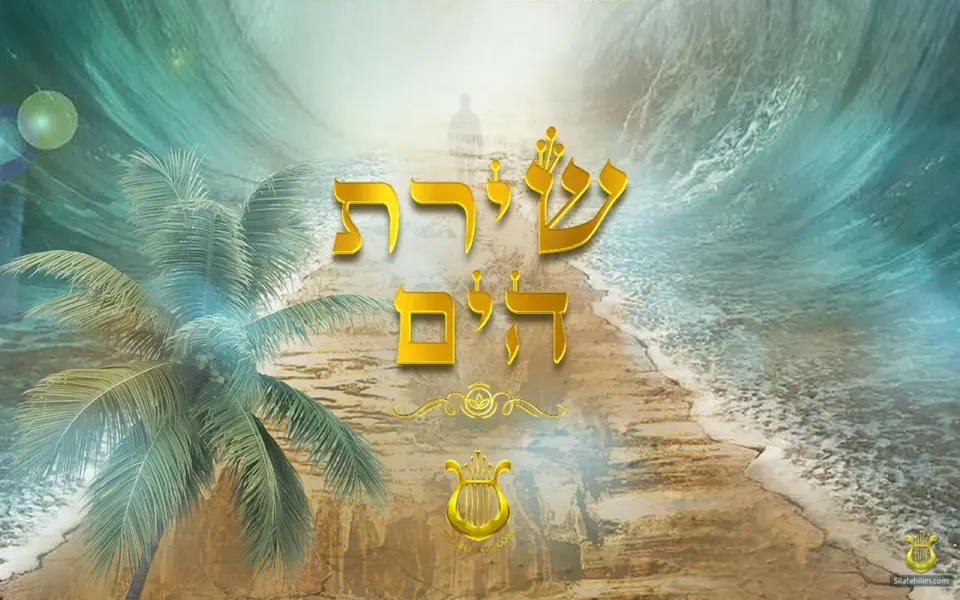
Shirat HaYam (Song of the Sea)
Shirat HaYam (Song of the Sea)
«Vayosha Ado-nai bayom hahu et Yisrael miyad Mitzrayim, vayar Yisrael et Mitzrayim met al sfat hayam. Vayar Yisrael et hayad hagedolah asher asah Ado-nai b'Mitzrayim. Vayiru ha'am et Ado-nai vaya'aminu ba'Ado-nai uv'Moshe avdo».
(And the L-rd saved Israel that day from the hand of Egypt, and Israel saw the Egyptians dead upon the seashore. And Israel saw the great power which the L-rd had wielded against Egypt, and the people feared the L-rd, and they believed in the L-rd and in Moshe, His servant. Then Moshe and the children of Israel sang this song to the L-rd).
אָז יָשִׁיר משֶׁה וּבְנֵי יִשְׂרָאֵל אֶת הַשִּׁירָה הַזֹּאת לַה' וַיֹּאמְרוּ לֵאמֹר
אָשִׁירָה לַּה' כִּי גָאֹה גָּאָה סוּס וְרֹכְבוֹ רָמָה בַיָּם
עָזִּי וְזִמְרָת יָהּ וַיְהִי לִי לִישׁוּעָה
זֶה אֵלִי וְאַנְוֵהוּ אֱלֹהֵי אָבִי וַאֲרֹמֲמֶנְהוּ
ה' אִישׁ מִלְחָמָה ה' שְׁמוֹ
מַרְכְּבֹת פַּרְעֹה וְחֵילוֹ יָרָה בַיָּם וּמִבְחַר שָׁלִשָׁיו טֻבְּעוּ בְיַם סוּף
תְּהֹמֹת יְכַסְיֻמוּ יָרְדוּ בִמְצוֹלֹת כְּמוֹ אָבֶן
יְמִינְךָ ה' נֶאְדָּרִי בַּכֹּחַ יְמִינְךָ ה' תִּרְעַץ אוֹיֵב
וּבְרֹב גְּאוֹנְךָ תַּהֲרֹס קָמֶיךָ תְּשַׁלַּח חֲרֹנְךָ יֹאכְלֵמוֹ כַּקַּשׁ
וּבְרוּחַ אַפֶּיךָ נֶעֶרְמוּ מַיִם נִצְּבוּ כְמוֹ נֵד נֹזְלִים
קָפְאוּ תְהֹמֹת בְּלֶב יָם
אָמַר אוֹיֵב אֶרְדֹּף אַשִּׂיג אֲחַלֵּק שָׁלָל
תִּמְלָאֵמוֹ נַפְשִׁי אָרִיק חַרְבִּי תּוֹרִישֵׁמוֹ יָדִי
נָשַׁפְתָּ בְרוּחֲךָ כִּסָּמוֹ יָם צָלֲלוּ כַּעוֹפֶרֶת בְּמַיִם אַדִּירִים
מִי כָמֹכָה בָּאֵלִם ה' מִי כָּמֹכָה נֶאְדָּר בַּקֹּדֶשׁ
נוֹרָא תְהִלֹּת עֹשֵׂה פֶלֶא
נָטִיתָ יְמִינְךָ תִּבְלָעֵמוֹ אָרֶץ
נָחִיתָ בְחַסְדְּךָ עַם זוּ גָּאָלְתָּ נֵהַלְתָּ בְעָזְּךָ אֶל נְוֵה קָדְשֶׁךָ
שָׁמְעוּ עַמִּים יִרְגָּזוּן חִיל אָחַז ישְׁבֵי פְּלָשֶׁת.
אָז נִבְהֲלוּ אַלּוּפֵי אֱדוֹם אֵילֵי מוֹאָב יֹאחֲזֵמוֹ רָעַד
נָמֹגוּ כֹּל ישְׁבֵי כְנָעַן
תִּפֹּל עֲלֵיהֶם אֵימָתָה וָפַחַד בִּגְדֹל זְרוֹעֲךָ יִדְּמוּ כָּאָבֶן
עַד יַעֲבֹר עַמְּךָ ה' עַד יַעֲבֹר עַם זוּ קָנִיתָ
תְּבִאֵמוֹ וְתִטָּעֵמוֹ בְּהַר נַחֲלָתְךָ מָכוֹן לְשִׁבְתְּךָ פָּעַלְתָּ ה'
מִקְּדָשׁ ה' כּוֹנֲנוּ יָדֶיךָ
ה' יִמְלֹךְ לְעֹלָם וָעֶד
כִּי בָא סוּס פַּרְעֹה בְּרִכְבּוֹ וּבְפָרָשָׁיו בַּיָּם
וַיָּשֶׁב ה' עֲלֵהֶם אֶת מֵי הַיָּם
וּבְנֵי יִשְׂרָאֵל הָלְכוּ בַיַּבָּשָׁה בְּתוֹךְ הַיָּם
Shirat HaYam
«Az yashir Moshe uvnei Yisrael et hashirah hazot l'Ado-nai, vayomru leimor: Ashira l'Ado-nai ki gaoh ga'ah,
Sus verochevo rama vayam. Ozi v'zimrat Yah, vayehi li lishua, zeh Eli v'anvehu, Elohei avi va'aromemenhu.
Ado-nai ish milchama, Ado-nai shemo: markevot Par'oh vecheilo yara vayam, umivchar shalishav tub'u b'yam suf.
Tehomot yechasyumu, yardu vimtzolot kemo aven. Yeminecha Ado-nai ne'dari bako'ach, yeminecha Ado-nai tir'atz oyev.
Uv'rov ge'oncha taharos kamecha, teshalach charoncha yochlemo kakash. Uv'ruach apecha ne'ermu mayim
Nitzvu chemo - ned nozlim, kaf'u tehomot belev yam. Amar oyev erdof asig achalek shalal,
Timla'emo nafshi, arik charbi, torishemo yadi: nashafta veruchacha kisamo yam, tzalelu ka'oferet bemayim adirim.
Mi chamocha ba'eilim - Ado-nai, mi kamocha ne'dar bakodesh, nora tehilot oseh fele. Natita yeminecha tivla'emo aretz.
Nachita v'chasdecha am - zu ga'alta, nihalta ve'ozcha el n'veh kodshecha. Sham'u amim yirgazun, chil achaz yoshvei Plashet.
Az nivhalu alufei Edom eilei Moav yochazemo ra'ad, namogu kol yoshvei Chena'an. Tipol aleihem eimata vafachad,
Bigdol zero'acha yidmu ka'aven, ad ya'avor amcha Ado-nai, ad ya'avor am zu kanita.
Tevi'emo v'tita'emo b'har nachalatecha, machon leshivtecha pa'alta Ado-nai, mikdash Ado-nai konenu yadecha.
Ado-nai yimloch l'olam va'ed. Ado-nai yimloch l'olam va'ed. Ado-nai malchuteh ka'im l'olam ul'almei alma'ya:
Ki va sus Par'oh berichbo uvfarashav bayam, vayashev Ado-nai aleihem et mei hayam, uvnei Yisrael halchu vayabasha betoch hayam».
Translation:
(1) Then Moshe and the children of Israel sang this song to the L-rd, and they said: I will sing to the L-rd, for He is highly exalted; the horse and its rider He has thrown into the sea. (2) The L-rd is my strength and song, and He has become my salvation. This is my G-d, and I will glorify Him; my father's G-d, and I will exalt Him. (3) The L-rd is a Man of war; the L-rd is His Name. (4) Pharaoh's chariots and his army He cast into the sea, and his chosen officers were drowned in the Sea of Reeds. (5) The depths cover them; they went down into the depths like a stone. (6) Your right hand, O L-rd, is glorious in power; Your right hand, O L-rd, shatters the enemy. (7) In the greatness of Your majesty You break down those who rise against You; You send forth Your wrath, and it consumes them like straw. (8) With the blast of Your nostrils the waters were piled up, the floods stood upright like a wall; the depths were congealed in the heart of the sea. (9) The enemy said, "I will pursue, I will overtake, I will divide the spoil; my desire shall be satisfied upon them; I will draw my sword, my hand shall destroy them." (10) You blew with Your wind, the sea covered them; they sank like lead in the mighty waters. (11) Who is like You among the mighty, O L-rd? Who is like You, glorious in holiness, awesome in praises, doing wonders? (12) You stretched out Your right hand, the earth swallowed them. (13) In Your mercy You led the people You redeemed; You guided them in Your strength to Your holy abode. (14) The peoples have heard, they tremble; anguish has gripped the inhabitants of Pelesheth. (15) Then the chiefs of Edom were dismayed; the mighty men of Moav — trembling seized them; all the inhabitants of Canaan melted away. (16) Fear and dread fell upon them; by the greatness of Your arm they are as still as a stone, till Your people pass over, O L-rd, till the people You have acquired pass over. (17) You will bring them in and plant them on the mountain of Your inheritance, the place, O L-rd, which You have made for Your dwelling, the Sanctuary, O L-rd, which Your hands have established. (18) The L-rd shall reign forever and ever. (19) When the horses of Pharaoh went with his chariots and his horsemen into the sea, the L-rd brought back the waters of the sea upon them; but the children of Israel walked on dry land in the midst of the sea. (Shemot 15)
The Kavanot of Shirat HaYam
On the evening of the 7th day of Pesach, the 21st of Nisan, the Jewish people entered the Sea of Reeds (Yam Suf). By morning they had come out onto dry land and witnessed the terrible punishment the Almighty had brought upon the Egyptians. It was then that Moshe and all the people of Israel sang their song, Shirat HaYam. On that very day, the 21st of Nisan — but 81 years earlier — the infant Moshe had been cast into the river by Pharaoh's decree.
This is what Rabbi Chanina bar Papa said about this: "This happened on the 21st of Nisan. Seeing this, the angels said to the Almighty: 'Master of the Universe! Must the one who is destined to sing a song at the sea on this very day die on this very day?'" On that same date, one year earlier, Moshe had set out at the Almighty's command from Midian to Egypt in order to free the Jewish people.
The text of the song in Hebrew begins with the word "az" — the letters alef and zayin. The gematria of the letter alef is 1, and the gematria of zayin is 7. This hints that 1 represents G-d, while 7 represents the seven lower sefirot, the emotional attributes, or middot of character. Thus the word "az" hints at the path from the Almighty (alef) down to our seven emotional expressions (zayin).
Rabbi Shimon bar Yochai taught: "When the Jewish people stood at the shore of the sea and sang the song (Shirat HaYam), the Almighty Himself appeared before them together with His entourage, so that Israel might see their King, who had performed the greatest of wonders for their sake. Every single Jew who stood there saw, at that hour, more than the greatest prophets of all generations. The song itself testifies that the entire Jewish people merited an understanding of the loftiest wisdom, grasped everything they saw, and were able to put it into words. How else could it be that all the Jews sang the very same song, word for word? The very same words came to each of their minds. At that hour, all the Jews were equal in wisdom and faith; all of them merited the very same revelation. That is why the song burst forth as if from a single heart, from a single mouth — even though each one sang it of his own accord. Even infants not yet born, still in their mothers' wombs, sang it together with everyone else and saw what the prophet Yechezkel never merited to see. One is forced to conclude that at that hour, all the Jews saw one and the same thing."
Our Sages (Chazal) add that "during the crossing of the sea, even the simplest kitchen maid experienced revelations greater than those of the great prophet Yechezkel in later generations."
Having finished the song, the Jewish people felt an unprecedented exaltation; their souls were overflowing with what had just happened, and they wanted only one thing — for their encounter with the Almighty and their prophetic vision never to end. That is why they did not want to move on. At that moment Moshe said to the Almighty: "Your children are so filled with the joy of seeing You that they do not want to set out on the journey." Then the Almighty concealed His glory, and from then on remained present in the Israelite camp while staying invisible. Moshe ordered the people to move on several times, but they would not listen to him — so overwhelmed were they by the vision. They remained in place until the radiance of the Almighty's Glory itself led them into the wilderness. Only then was Moshe able to lead them onward, as it is written in the Torah: "And Moshe led Israel onward from the Sea of Reeds, and they went out into the wilderness of Shur" (Shemot 15:22).
Why is this wilderness called "Shur"? Because throughout this journey, the Jewish people longed only for the vision to continue, so that they could go on gazing at the radiance of the Almighty's Glory. That is why this wilderness was named Midbar Shur — "the wilderness of vision."
The holy Zohar states that Chavakuk (Habakkuk) was brought back to life through the 72-letter Name of Hashem — in the account of the crossing of the Sea of Reeds there are three verses that together form the 72-letter Name, containing 216 letters in total. The gematria of "Chavakuk" is 216.
Rabbi Akiva taught that Hashem performed 250,000 miracles for the Jewish people at the Sea of Reeds.
Segulot
1. Shirat HaYam is read on the 21st of Nisan (the day the Sea of Reeds was split) as a segula for finding one's shidduch and for parnassa, since, according to Chazal, these two things are granted with the same difficulty as the splitting of the Sea of Reeds;
2. Shirat HaYam is read throughout the entire week of Parashat Beshalach, which speaks of the miracle of the splitting of the Sea of Reeds;
3. Reading Shirat HaYam with kavana (picturing how the Jewish people crossed the Sea of Reeds) erases all sins — "kol avonotav" (conscious sins, committed when a person cannot resist his desires).
Source: (Рав Хаим Миллер,Толдот. ру, материалы сайта "Сила Теилим")
Was this helpful?
100% of readers found this article helpful (558 votes).
Please note: some articles on our site contain the holy Names of the Almighty. If you print these articles, they may not be thrown away or destroyed. Please handle printed copies with care and respect.
Tags: Сгулот, шидух, Шират hа-Ям (Песнь у Моря), Шират а-ям, Ям Суф, Песнь у моря, Рассечение Ям Суф