Tikkun HaKesher – Rectification for “Kshirat Chatanim”
Tikkun HaKesher – Rectification for “Kshirat Chatanim”
Tikkun HaKesher is a rectification for “Kshirat Chatanim”—the binding of a groom, whereby ill-wishers cause young people to be unable to find their soulmates, or, after the wedding, prevent them from physically drawing close to one another, leading a normal married family life, and fulfilling the mitzvah to “be fruitful and multiply.”
In Sefer Ha-Hezyonot, where Rabbi Chaim Vital (zechuto yagen aleinu) briefly describes aspects of his life, he relates that “Kshirat Chatanim” (the binding of a groom) was performed against him, and for nine months he was unable to draw close to his wife, until a great tzadik helped him.
Those who take upon themselves this grave sin will suffer severe punishment, but the Torah has also given us a remedy for this evil deed.
Tikkun HaKesher
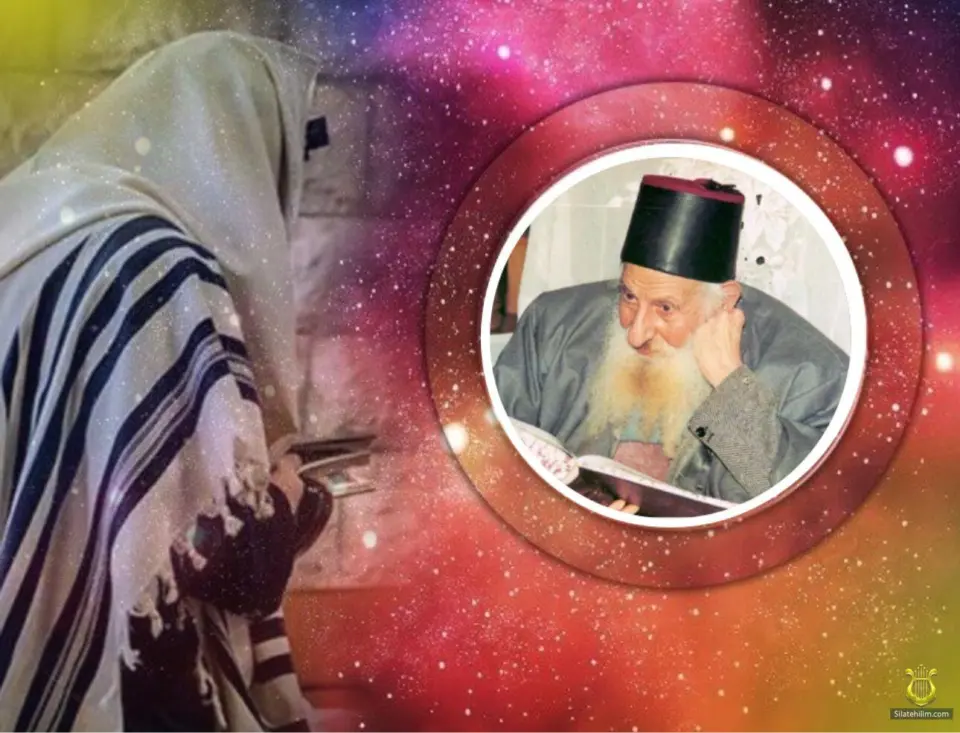
1. Tikkun HaKesher according to Rabbi Yitzchak Kaduri Rabbi Yitzchak Kaduri (zechuto yagen aleinu) performed Tikkun HaKesher (the rectification for binding) for many young couples who were already married, as well as for those against whom a kesher had been performed so that, G-d forbid, they would not marry, or who had already married but were unable to draw close to one another.
Rav Kaduri advised taking a bowl of lukewarm water and preparing 70 one-shekel coins (thoroughly washed beforehand).
Then take a Sefer Tehillim and begin reciting the Psalms:
113, 114, 115, 116, 117, 118
When one reaches the following pasuk in Psalm 118:
– “Ana Hashem hoshi'a”—one should toss 1 shekel into the bowl, and continue repeating this phrase and tossing in one shekel each time, for a total of 70 times; then finish reciting the psalm.
Next, take a glass, fill it with water from the bowl, recite the bracha “Shehakol”, and drink it. Then bathe with this water—simply pour it over yourself from head to toe after bathing.
In the morning, after “Birkat HaShachar”, recite Psalm 121 and ask Hashem for a zivug tov.
2. Tikkun HaKesher with Tehillim1. The Mekubalim teach that the six rashei tevot of the pasuk Psalm 50:3 form the Name of an angel (look at it, but do not pronounce it), נותיאל –
יָ֤בֹ֥א אֱלֹהֵ֗ינוּ וְֽאַל־יֶ֫חֱרַ֥שׁ אֵשׁ־לְפָנָ֥יו תֹּאכֵ֑ל וּ֝סְבִיבָ֗יו נִשְׂעֲרָ֥ה מְאֹֽד
– “Yavo Eloheinu ve-al yecherash; esh lefanav tochal, usvivav nis'arah me'od” –
(Our G-d comes and does not remain silent; fire consumes before Him, and around Him a raging storm.)
The name of this angel helps eliminate this problem. A sofer should write it on kosher klaf (parchment), after which it should be worn as an amulet by the person against whom “Kshirat Chatanim” (the binding of a groom) was performed.
3. Psalm 136 for “Kshirat Chatanim”
Psalm 136 should be recited over a large glass of water. The bride and groom should then wash their faces, hands, and feet with this water and, after reciting a bracha, drink the remaining water in the glass.
4. Psalm 145
Draw water from a spring into a glass and recite Tehillim 145 over it 26 times. This will help both with “Kshirat Chatanim” (the binding of a groom) and with any kind of sorcery. The bride and groom should drink it together.
(Based on the lessons of Rabbi Yisrael Yakovov, “The Secret Meaning of Tehillim,” for Sila Tehilim)
Was this helpful?
100% of readers found this article helpful (87 votes).
Please note: some articles on our site contain the holy Names of the Almighty. If you print these articles, they may not be thrown away or destroyed. Please handle printed copies with care and respect.
Material from our site may be copied for the purpose of spreading Torah, provided a link to Silatehilim.com is included. Any use of the site's material in print publications or for commercial purposes is prohibited without the rights holder's consent.