Psalm 13 Thirteen Times — Rabbi Daniel Frisch’s Segula, “Matok mi-Dvash”
Psalm 13 Thirteen Times — Rabbi Daniel Frisch’s Segula, “Matok mi-Dvash”
Tehillim 13
Kabbalists consider Psalm 13 especially significant in prayers for sons. It is connected with Bar Mitzvah (the age of Bar Mitzvah and the status of being a “son of mitzvah”).
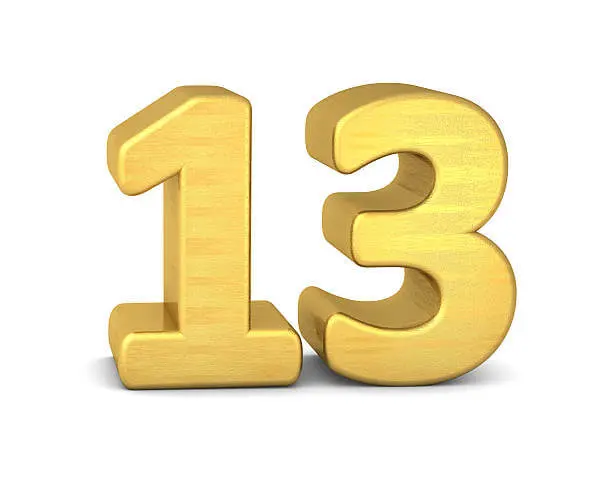
There are three beautiful segulot associated with the number 13 in Jewish tradition.
1. Reading Psalm 13 thirteen times
Rabbi Daniel Frisch — zekhuto yagen aleinu — author of “Matok mi-Dvash” (a commentary on the Zohar HaKadosh), recommended that anyone in need of salvation and healing recite Psalm 13 thirteen times, explaining as follows.
The segula of reading Psalm 13 thirteen times is to draw down, through the number 13, “Shalosh Esrei Middot shel Rachamim” — the Thirteen Attributes of G-d’s Mercy, as well as the thirteen channels of blessing that are generally opened on Rosh Hashanah and Yom Kippur. Rabbi Daniel Frisch teaches that these thirteen channels can also be opened on ordinary days by reading Psalm 13 thirteen times.
When Moshe Rabbeinu asked the Creator, “Show me Your ways…” (Shemot 33:13), G-d answered him with a definition consisting of thirteen words (Shemot 34:6–7). This definition is “Shalosh Esrei Middot shel Rachamim” — the Thirteen Attributes of G-d’s Mercy.
Reading Tehillim 13 thirteen times helps one attain an understanding of Hashem’s ways and draw upon oneself the thirteen Middot of G-d’s Mercy.
2. Reading Psalm 13 for forty days before Rosh Hashanah
Rabbi Daniel Frisch taught that whoever prays Psalm 13 thirteen times every day for the forty days preceding Rosh Hashanah will have their prayer accepted, and consequently, on Rosh Hashanah (the Day of Judgment), the problem will be resolved in their favor.
3. Reading Psalm 13 thirteen times for thirteen consecutive days (מתוך עלון השפעת מתיקות הזוהר, גליון ט‘)
This particular communal reading is practiced by many Jewish groups.
The idea is taken from the Babylonian Talmud (tractate Shabbat 119): “For Shabbat, Rabbi Abba would usually purchase thirteen pieces of meat for thirteen gold coins from thirteen butchers, throw them to his servants, and shout: ‘Hurry and prepare it.’”
The purpose of the reading is likewise to draw down the Thirteen Attributes of G-d’s Mercy (Rachamim), the Shalosh Esrei Middot.
One may begin reading on Rosh Chodesh — on the first day of the month and continue through the thirteenth — or from the thirteenth through the twenty-sixth day of the month (26 is the gematria of Hashem’s four-letter Name), but in either case, the reading should include the thirteenth day of the month.
Reading the thirteenth chapter of Tehillim thirteen times a day for thirteen days gives the total gematria of the word “tal” (dew): 13 + 13 + 13 = 39. Dew is the only blessing that G-d sends constantly, regardless of a person’s merits (unlike rain, which must be earned).
Other sources also speak of the word tal as a blessing, since dew (water) reflects life and blessing and is also a symbol of the future resurrection of the dead. (Yalkut Shimoni, Va'etchanan)
Rabbi Shimshon of Ostropoli taught that the number of letters in the names of our forefathers Avraham, Yitzchak, and Yaakov is 13 (in the Holy Tongue). The number of letters in the names of our foremothers Sarah, Rivka, Rachel, and Leah is also 13.
This corresponds to the numerical value of 13, “echad” — for they proclaimed to the world the unity of the Creator.
And if we add up the number of letters in all their names, the result is 26 — the gematria of Hashem’s special Name, symbolizing G-d’s “Rachamim.”
(From Yeshivat “Kisei Rachamim,” Yura Plishtiev, for the Silatehilim.com website)
Source: (silatehilim.com по: https://judaism.stackexchange.com, "Хеврон - сокровенные тайны" Цви Патлас, Рав Натан Агрес)
Was this helpful?
100% of readers found this article helpful (258 votes).
Please note: some articles on our site contain the holy Names of the Almighty. If you print these articles, they may not be thrown away or destroyed. Please handle printed copies with care and respect.
Tags: Segulot, The 13 Attributes of Mercy, Tehillim 13, The Number 13, Rabbi Daniel Frisch, The Segula of Rabbi Daniel Frisch, Psalm 13 for 13 Days – Rabbi Daniel Frisch’s Segula