Codes in Sefer Tehillim—Acronyms, Gematriot, and Other Secrets
The Mekubalim teach us repeatedly through their commentaries that Sefer Tehillim consists entirely of ciphers and codes, which is precisely why it is important to read Tehillim in the holy language (or in transliteration).
This is in addition to the Holy Names of Ha-Shem discussed by Rabbi David Cohen in his sefer «Tehillim עב Shmot», and also mentioned in the sefer «Imrei Shmot» and other holy books.
The first hint of this is found in the Torah itself, which reveals the essence and purpose of the secrets of David HaMelech preserved in Sefer Tehillim.
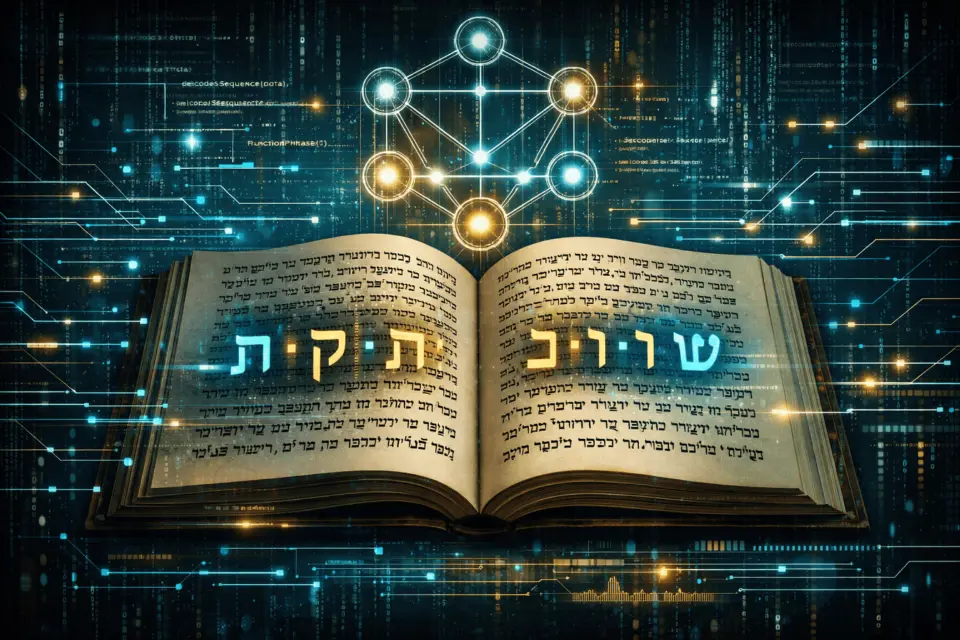
The very word Tehillim is encoded in the first verse of the Book of Shemot:
1. The word תהלים (Tehillim)
וְאֵ֗לֶּה שְׁמוֹת֙ בְּנֵ֣י יִשְׂרָאֵ֔ל הַבָּאִ֖ים
- «Ve'eleh shemot bnei Yisrael haba'im» -
(these are the names of the Children of Israel who came ...);
2. The word תשובה (Teshuvah)
מִצְרָ֑יְמָה אֵ֣ת יַעֲקֹ֔ב אִ֥ישׁ וּבֵית֖וֹ
- «Mitzraymah et Yaakov ish uveito» -
(... to Egypt with Jacob they came)
The Mekubalim teach that already in the chapter of Shemot describing Jacob's family's descent to Egypt, the Torah reveals the secret of Am Yisrael's survival in the darkest spiritual place (through Tehillim) and their redemption from it (through Teshuvah).
Codes in Sefer Tehillim
1. Tehillim 1–2–3–4
The sum of the gematriot of the initial and final letters of the first four psalms of Sefer Tehillim—1, 2, 3, and 4—is 131 (including the number of psalms plus kolel), which is the gematria of the name of the Angel of Death, סמאל (Samech-Mem). This is why these four psalms are recited every day from Rosh Hashanah through Yom Kippur. It is also beneficial to recite them during times of hardship (issurim). (Based on a personal conversation with Rabbi Zvi Nisanzon, translator of the Zohar HaKadosh.)
2. Tehillim 6:11
יֵבֹ֤שׁוּ ׀ וְיִבָּהֲל֣וּ מְ֭אֹד כָּל־אֹיְבָ֑י יָ֝שֻׁ֗בוּ יֵבֹ֥שׁוּ רָֽגַע׃
- «Yevoshu veyibahalu me'od kol oyvai, yashuvu yevoshu raga» - (Let all my enemies be ashamed and utterly terrified; let them turn back and be ashamed in an instant).
The first letters of the last four words form the acronym for Iyar—אייר, the month of healing.
Tehillim for the Month of Iyar
3. Tehillim 17:14
בַּֽחַיִּים֮ וצפינך תְּמַלֵּ֪א בִ֫טְנָ֥ם יִשְׂבְּע֥וּ בָנִ֑ים וְהִנִּ֥יחוּ יִ֝תְרָ֗ם לְעוֹלְלֵיהֶֽם
- «Utzfunekha, temale vitnam, yisbe'u vanim, vehinichu yitram le'oleleihem» - (You fill their bellies with Your treasures; their sons are satisfied, and they leave their surplus to their children);
This pasuk contains the secret of the birth of sons. The Chinover Rebbe reveals that the word «utzfunekha» (You fill) derives from the word «tzafon» - north (the cardinal direction), while «temale vitnam» (fill their bellies with treasures) refers to sons. Thus, there is a segula that if the bed is positioned toward the north, conception will result in sons (treasures).
4. Tehillim 18:4
מְ֭הֻלָּל אֶקְרָ֣א יְהוָ֑ה וּמִן־אֹ֝יְבַ֗י אִוָּשֵֽׁעַ׃
- «Mehulal ekra Ado-nai, umin oyvai ivvashea» - (I call upon the L-rd with praise, and I will be saved from my enemies).
Rabbi Natan (a student of Rabbi Nachman of Breslov) reveals David HaMelech's matrix of salvation: «Mehulal»—«me-ulal»; that is, through «Hallel» (praise of the Almighty), one can be saved from one's enemies.
5. Tehillim 20:2
יַֽעַנְךָ֣
יְ֭הוָה
בְּי֣וֹם
צָרָ֑ה יְ֝שַׂגֶּבְךָ֗ שֵׁ֤ם ׀ אֱלֹהֵ֬י
יַעֲקֹֽב׃
- «Ya'anekha Ado-nai beyom tzarah, yesagevekha shem Elohei Yaakov» - (May the L-rd answer you on the day of distress; may the name of the G-d of Jacob fortify you).
The numerical value of the highlighted letters,
ייבצ, is equal to the gematria of the word
Yabok (112), the river-border that Jacob crossed.
6. Tehillim 20:3
יִשְׁלַֽח־עֶזְרְךָ֥ מִקֹּ֑דֶשׁ וּ֝מִצִּיּ֗וֹן יִסְעָדֶֽךָּ׃
- «Yishlach ezrekha mikodesh, umimitzion yis'adekha» - (May He send you help from the Sanctuary and sustain you from Zion);
Rabbi Nachman teaches that the sofei tevot of the first three words form the word חשך «choshech» (darkness);
7. Tehillim 20:8
אֵ֣לֶּה בָ֭רֶכֶב וְאֵ֣לֶּה בַסּוּסִ֑ים וַאֲנַ֓חְנוּ ׀ בְּשֵׁם־יְהוָ֖ה אֱלֹהֵ֣ינוּ נַזְכִּֽיר
- «Eleh varechev ve'eleh vasusim, va'anachnu beShem Ado-nai Eloheinu nazkir» - (Some trust in chariots and some in horses, but we invoke the name of the L-rd our G-d);
The rashei tevot of the final words form the word נביא «navi» (prophet).
8. Tehillim 22:6
אֵלֶ֣יךָ זָעֲק֣וּ וְנִמְלָ֑טוּ בְּךָ֖ בָטְח֣וּ וְלֹא־בֽוֹשׁוּ׃
- «Elekha za'aku venimlatu, bekha vatechu velo-voshu» - (To You they cried out and were delivered; in You they trusted and were not disappointed).
The rashei tevot of the first four words of this pasuk form the word «ezov», the plant that helps protect against ayin hara.
9. Tehillim 22:21
הַצִּ֣ילָה מֵחֶ֣רֶב נַפְשִׁ֑י מִיַּד־כֶּ֝֗לֶב יְחִידָתִֽי׃
- «Hatzilah meherev nafshi, miyad kelev yechidati» - (Save my soul from the sword, my only one from the power of the dog);
This psalm conceals the name of Haman, the hater of Am Yisrael—המן.
10. Tehillim 27:4
לַחֲז֥וֹת בְּנֹֽעַם־יְ֝הוָ֗ה וּלְבַקֵּ֥ר בְּהֵיכָלֽוֹ
- «Lachazot beno'am Ado-nai, ulevaker beheikhalo» - (To behold the goodness of the L-rd and to visit His Sanctuary);
The sofei tevot of this pasuk form the word תרומה «terumah» (offering).
11. Tehillim 27:12
לׅׄוּלֵׅׄ֗אׅׄ הֶ֭אֱמַנְתִּי לִרְא֥וֹת בְּֽטוּב־יְהוָ֗ה בְּאֶ֣רֶץ חַיִּֽים׃
- «Lule he'emanti lir'ot betuv Ado-nai be'eretz chayim» - (What would have become of me had I not believed that I would behold the goodness of the L-rd in the land of the living);
The word «lule» encodes the month of Elul— לׅׄוּלֵׅׄ֗אׅׄ - אלול
12. Tehillim 29:2
הָב֣וּ לַֽ֭יהוָה כְּב֣וֹד שְׁמ֑וֹ הִשְׁתַּחֲו֥וּ לַ֝יהוָ֗ה בְּהַדְרַת־קֹֽדֶשׁ
- «Havu la-Ado-nai kevod shemo, hishtachavu la-Ado-nai behadrat kodesh» - (Ascribe to the L-rd the glory due His name; bow to the L-rd in the splendor of holiness);
The rashei tevot of the final four words form the word «Kabbalah» קבלה, referring to the highest unification;
13. Tehillim 32:8
אַשְׂכִּֽילְךָ֨ וְֽאוֹרְךָ֗ בְּדֶֽרֶךְ־ז֥וּ תֵלֵ֑ךְ אִֽיעֲצָ֖ה עָלֶ֣יךָ עֵינִֽי׃
- «Askilkha ve'orkha bederech-zu telech, i'atzah alekha einai» - (I will instruct you and show you the way to go; I will give you counsel, keeping My eye upon you).
The rashei tevot of the first four letters of this pasuk form the word «ezov».
14. Tehillim 33:20
נַ֭פְשֵׁנוּ חִכְּתָ֣ה לַֽיהוָ֑ה עֶזְרֵ֖נוּ וּמָגִנֵּ֣נוּ הֽוּא׃
- «Nafshenu chiktah la-Ado-nai, ezrenu umaginenu hu» - (Our soul waits for the L-rd; He is our help and shield).
The rashei tevot of the first three words form the word
«Nachal»—a matrix for salvation through faith from all gezerot.
15. Tehillim 39:3
נֶאֱלַ֣מְתִּי ד֭וּמִיָּה הֶחֱשֵׁ֣יתִי מִטּ֑וֹב וּכְאֵבִ֥י נֶעְכָּֽר׃
- «Ne'elamti dumiyah, hechesheti mitov uche'eví ne'kar» - (I was mute and silent; I kept still even from good, and my pain was stirred).
The great «Pele Yo'etz» reveals that the rashei tevot of the first three words form the word «Niddah.»
16. Tehillim 50:23
זֹבֵ֥חַ תּוֹדָ֗ה יְֽכַ֫בְּדָ֥נְנִי וְשָׂ֥ם דֶּ֑רֶךְ אַ֝רְאֶ֗נּוּ בְּיֵ֣שַׁע אֱלֹהִֽים
- «Zove'ach todah yechabedenni, vesam derech ar'ennu, beyesha Elohim» - (Whoever offers a thanksgiving sacrifice honors Me, and I will show the salvation of G-d to whoever orders his way).
The great «Sefat Emet» reveals that the doubled נ «nun» in the word «yechabedenni» hints that every Jew must thank Ha-Shem for both the good and the bad.
17. Tehillim 68:19
עָ֘לִ֤יתָ לַמָּר֨וֹם ׀ שָׁ֘בִ֤יתָ שֶּׁ֗בִי לָקַ֣חְתָּ מַ֭תָּנוֹת בָּאָדָ֑ם וְאַ֥ף ס֝וֹרְרִ֗ים לִשְׁכֹּ֤ן ׀ יָ֬הּ אֱלֹהִֽים׃
- «Alita la-marom shavita shevi, lakachta matanot ba'adam, ve'af sorerim, lishkon Yah Elohim» - (You ascended on high, took captives, received gifts among men; even the rebellious may dwell with Yah G-d).
In the word
שֶּׁ֗בִי, the Mekubalim teach,
Shimon bar Yochai is encoded.
18. Tehillim 74:21
אַל־יָשֹׁ֣ב
דַּ֣ךְ נִכְלָ֑ם עָנִ֥י וְ֝אֶבְי֗וֹן יְֽהַלְל֥וּ שְׁמֶֽךָ
– «Al yashov
dach nichlam ani ve'evyon yihalelu shemekha» – (May the downtrodden not return ashamed).
The manuscript of
Rabbi Shlomo Alkabetz (author of «Lecha Dodi» and teacher of
Rabbi Moshe Cordovero—the Ramak—and Rabbi Yosef Karo) states that if a person needs a miracle, he should recite Tehillim 74 twenty-four times. He points to a hint of this in the 21st pasuk, where the word
דך «dach» (oppressed, downtrodden) has the gematria 24.
19. Tehillim 74:2
זְכֹ֤ר עֲדָתְךָ֨ ׀ קָ֘נִ֤יתָ קֶּ֗דֶם
גָּ֭אַלְתָּ
שֵׁ֣בֶט
נַחֲלָתֶ֑ךָ
הַר־צִ֝יּ֗וֹן זֶ֤ה ׀ שָׁכַ֬נְתָּ בּֽוֹ
– «Ga'alta shevet nachalatekha har Tziyon» – (You redeemed the tribe of Your inheritance—the mountain of Zion).
The initial letters of this verse, «Ga'alta Shevet Nachalatekha Har», correspond to the initial letters of the words engraved on the Hanukkah dreidel (called «sevivon» in Hebrew and «dreidel» in Yiddish):
נ ג ש ה - «Nes Gadol Haya Sham» – (a great miracle happened there).
Hanukkah commemorates the renewal of the Temple (literally, “dedication”). The Hanukkah dreidel spins and reverses one thing into another. Geulah (redemption) is when the “higher” things are below and the “lower” things are above, as it was when the Temple stood. Therefore, when the Jews left Egypt, they sang in Shirat HaYam: “Bring them and plant them on the mountain of Your inheritance, the place You made for Your dwelling.” When rotated, the phrase «Ga'alta shevet nachalatekha har Tziyon» corresponds to “Bring them and plant them on the mountain of Your inheritance.”
Tehillim 74 and the Secret of the Hanukkah Dreidel
20. Tehillim 76:8
אַתָּ֤ה ׀ נ֥וֹרָא אַ֗תָּה וּמִֽי־יַעֲמֹ֥ד לְפָנֶ֗יךָ מֵאָ֥ז אַפֶּֽךָ׃
- «Atah nora atah, umi ya'amod lefanekha me'az apeka» - (You are awesome; who can stand before You when You are angry?).
The sofei tevot of the three words of this pasuk form the name of an angel who is «mesugal lezechirah»—beneficial for memorization and improving the memory.
21. Tehillim 90:17
- «Vihi no'am Ado-nai Eloheinu aleinu, uma'aseh yadeinu konenah aleinu, uma'aseh yadeinu konenehu» – (May the favor of the L-rd our G-d rest upon us. Establish for us the work of our hands; establish the work of our hands).
In this pasuk, the ending «nu», whose gematria is 56, is repeated five times. It is known that there are five primary forces of gevurot; multiplying 5 by 56 gives 280, which breaks the gevurot, corresponding to «Mantzepach» (the final letters of the Hebrew alphabet).
22. Tehillim 100
Tehillim 100 contains exactly 43 words. The name of the klipah that harms the fetus during pregnancy is «gam», whose gematria is 43. Reciting Tehillim 100 can eliminate this klipah, and this psalm is recited for pregnant women and women who have given birth.
The gematria of «challah» is also 43, which is why the 100th psalm is also recited during «hafrashat challah».
23. Tehillim 119:120
סָמַ֣ר מִפַּחְדְּךָ֣ בְשָׂרִ֑י וּֽמִמִּשְׁפָּטֶ֥יךָ יָרֵֽאתִי׃
- «Samar mipachdekha vesari, umimishpatekha yareti» - (My flesh shuddered from fear of You, and I feared Your judgments).
The sum of the gematriot of the words in this pasuk, 2090, equals the sum of the gematriot of the special days of the autumn season: Elul, Rosh Hashanah, Yom Kippur, Ne'ilah, Hoshana Rabbah—2090.
24. Tehillim 124:7
בָּר֥וּךְ יְהוָ֑ה שֶׁלֹּ֥א נְתָנָ֥נוּ טֶ֝֗רֶף לְשִׁנֵּיהֶֽם׃
- «Baruch Ado-nai, shelo netananu teref leshinehem» - (Blessed is the L-rd, who did not deliver us as prey to their teeth).
The rashei tevot of the first three words hint at «Netilat Yadayim».
25. Tehillim 25:1
לְדָוִ֡ד אֵלֶ֥יךָ יְ֝הוָ֗ה נַפְשִׁ֥י אֶשָּֽׂא׃
— «LeDavid elekha Ado-nai nafshi essa» — (To You, O L-rd, I lift up my soul).
The first verse of Tehillim 25:1, “To You, O L-rd, I lift up my soul,” is part of the prayer of נפילת אפים, which is customarily recited with one's face lowered onto one's arm. The word אשא «essa» (I lift up) is an acronym for three words: א «Achilah» (food), ש «Shtiyah» (drink), א «Ishah» (woman). This shows the connection between “lifting up the soul” and these three concepts, which most strongly urge a person toward sin. Therefore, the Sages teach that reciting this psalm rectifies the sins and failings of our forefathers: Adam violated a prohibition related to food; Noah violated a prohibition related to drink; and the Jews sinned with the daughters of Moab. Thus, during the prayer of «Nefilat Apayim», the soul says to the evil inclination: “Separate from me—I wish to rectify all three of these transgressions.”
Tehillim 25 and the Prayer of “Nefilat Apayim”
26. Tehillim 36:12
אַל־תְּ֭בוֹאֵנִי רֶ֣גֶל גַּאֲוָ֑ה וְיַד־רְ֝שָׁעִ֗ים אַל־תְּנִדֵֽנִי׃
«Al tevo'eni regel ga'avah, veyad resha'im al tenideni» — (Let not the foot of the proud overtake me, nor the hand of the wicked drive me away).
This pasuk encodes the word «etrog». The etrog is a magnificent fruit representing the heart, the body's principal organ. Yet the greater and more important we and our deeds are, the more humility is required. The etrog symbolizes the nullification of pride. This is evident in Tehillim: אֶתְרוֹג «etrog» is an acronym for the phrase אַל תְּבוֹאֵנִי רֶגֶל גַּאֲוָה — «Al tevo'eni regel ga'avah» — (Let not the foot of the proud overtake me).
Where Is the Word "Etrog" Hidden in Tehillim
27. Tehillim 51:12 - Tikkun Evarim (rectification of the limbs)
לֵ֣ב טָ֭הוֹר בְּרָא־לִ֣י אֱלֹהִ֑ים וְר֥וּחַ נָ֝כ֗וֹן חַדֵּ֥שׁ בְּקִרְבִּֽי
— «Lev Tahor Bara Li-Elohim» — (Create in me a pure heart, O G-d).
Chazal teach: “Do not read ברא «bara» (create), but read אבר — «ever» (limb), for everyone who immerses in a mikveh is as if he performs «Tikkun Evarim» (rectification of the limbs).
The gematria of the phrase לב טהור «lev tahor» — (pure heart) — is 252. We know from the Torah that men have 248 limbs, while women have 252 (four additional limbs, all reproductive). This is precisely why a Jewish woman immerses in a mikveh: to conceive Jewish children in purity. We can therefore read this pasuk as follows: «Lev Tahor (252) bara (limbs) for me, Elokim (G-d) [rectify them]».
We now see that in the mikveh, a Jewish woman truly undergoes «Tikkun Evarim»—the rectification of the 252 female limbs. (A chiddush of Sila Tehillim)
Gaon Rabbi Yaniv Assouri (shlita) explains that according to the Ari HaKadosh, the letters of this verse reveal the secret of the mikveh. The first letters of the first three words, לב טהור ברא (Lev Tahor Bara), are ל ט ב.
These three letters form two words that are fundamental to the purpose of the mikveh. Immersion in a mikveh is called «tevilah», whose root is «taval» טבל—to immerse in a mikveh. Rearranging these letters gives the word «batel» בטל, meaning “nullification” (the nullification of all sins, mistakes, troubles, and misfortunes).
Furthermore, taking the final letters of the first three words of the verse—לב טהור ברא—gives the word «Bara» ברא—(create). The Ari HaKadosh explains that after immersing in a mikveh, a person is, as it were, created anew.
In a single verse of Tehillim, the secret of the mikveh is revealed: through immersion, one can undergo a process of purification, nullify everything negative, and then be created anew in purity.
Tikkun Evarim (Organs) in Tehillim 51 and the Ari's Mikveh
(To be continued)
Was this helpful?
100% of readers found this article helpful (40 votes).
Please note: some articles on our site contain the holy Names of the Almighty. If you print these articles, they may not be thrown away or destroyed. Please handle printed copies with care and respect.