The Great Segula for Refuah Shleimah of Rabbi Zusha of Anipoli
Admor Rabbi Yeshayahu Yosef Pinto Shlita has revived the prayer of Rabbi Zusha of Anipoli for the Refuah Shleimah of the sick.
To this day, the prayer-segula of Rabbi Zusha of Anipoli for healing has been preserved.
Our holy teachers of previous generations relate an incident involving Rabbi Zusha of Anipoli, who was holy among the holy. There is a great segula—to recount this story near a sick person, as the power of the story awakens Divine mercy for healing and life.
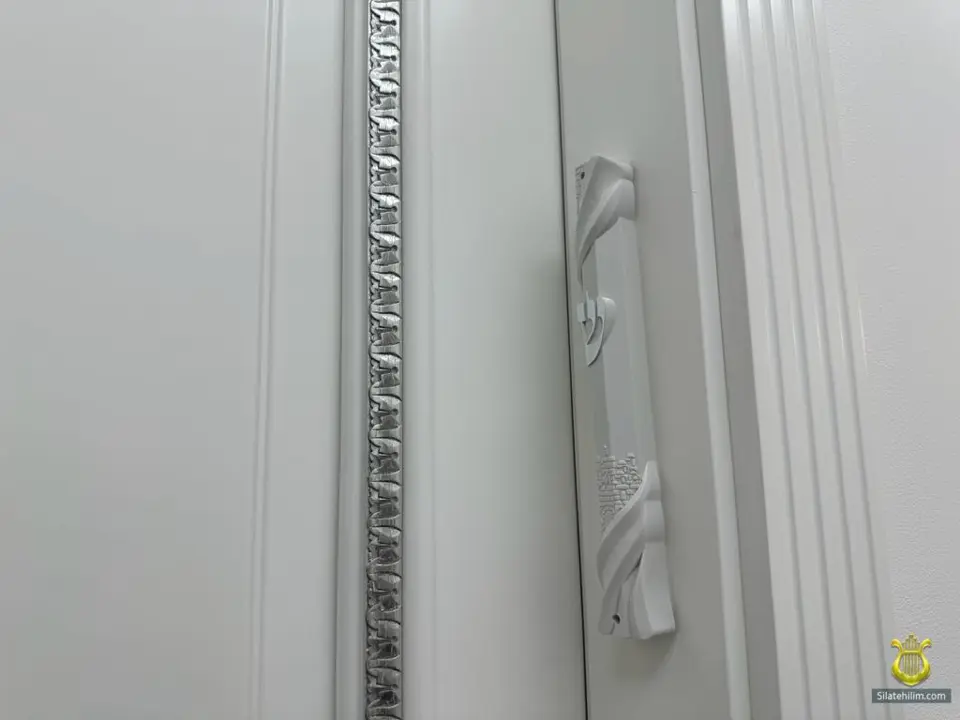
One day, Rabbi Zusha was about to enter a house. As he reached out to place his hand on the mezuzah, he sensed that there was a sick person in the house. Rabbi Zusha then stood and said:
“Mezuzah, mezuzah! I am very angry! The Name Shaddai is written on the mezuzah, an acronym for the words: “Shomer Dlatot Israel” (Guardian of the doors of Israel). How then could you, mezuzah, fail to guard the doors of the house and allow illness and disease to enter the home!?
And here there is a sick person, which is why I am angry. But I cannot be angry, because this is a holy mezuzah given to us by the Holy One, blessed be He.
May it be His will that the mezuzah protect and guard, that the sick person become well, and that there be no sick people in this home.”
And it is related that the sick person was healed and arose.
Segula for Refuah Shleimah
Our holy teachers relate that recounting this story to sick people is a segula for healing.
It is good to stand near the sick person or approach a mezuzah and recite this prayer with kavanah for the healing of the sick.
Segula for Refuah Shleimah
In honor of the hilula of Rabbi Zusha Meshulam of Anipoli, may his merit protect us, amen, from the holy Admor Rabbi Yeshayahu Yosef Pinto Shlita:
To all the beloved and dear ones: with the help of the Holy One, blessed be He, may G-d grant us all salvation, joy, and great success.
Our holy sages relate an incident about Rabbi Zusha of Anipoli, who was holy among the holy. It is told that there is a great segula in recounting this story near a sick person, as the power of this story awakens mercy for healing and life. It is related that one day Rabbi Zusha came to enter one of the houses, and as he began placing his hand on the mezuzah, he sensed that there was a sick person in the house. Rabbi Zusha then stood and said: “Mezuzah, mezuzah! I am very angry! The Name Shaddai is written on the mezuzah, an acronym for the words: “Shomer Dlatot Israel.” How could you, mezuzah, fail to guard the door and the house, allowing illness and disease to enter the home? And here there is a sick person, which is why I am angry. But I cannot be angry, because this is a holy mezuzah given by the Holy One, blessed be He. May it be His will that the mezuzah protect and guard, that the sick person become well, and that there be no sick people in this home.” It is related that the sick person recovered and arose.
Some time later, Rabbi Zusha fell ill. The Elder of Shpola heard about this and performed a pidyon nefesh for him.
Our sages relate that recounting this story before sick people is a segula for healing.
May it be His will that we walk with wholehearted faith, and that through the power of wholeheartedness and the power of the tzadikim there will be healing and life, joy, success, and salvation. May abundant blessing flow from all the worlds upon us all, and may we merit healing, life, and good tidings very soon.
Please, tzadikim, dedicate this account for the healing and long life of Rabbi Yeshayahu Yosef Pinto, son of Rabbanit Zahari Shlita.
Segula for Refuah Shleimah In honor of the hilula of Rabbi Zusha Meshulam of Anipoli, may his merit protect us, amen, from the holy Admor Rabbi Yeshayahu Yosef Pinto Shlita.
To all the beloved and dear ones: with the help of Ha-Shem, may the Holy One, blessed be He, grant us all salvation, joy, and great success.
Our holy sages relate an incident about Rabbi Zusha of Anipoli, who was holy among the holy. It is told that there is a great segula in recounting this story near a sick person, as the power of this story awakens mercy for healing and life. It is related that one day Rabbi Zusha came to enter one of the houses, and as he began placing his hand on the mezuzah, he sensed that there was a sick person in the house. Rabbi Zusha then stood and said: “Mezuzah, mezuzah! I am very angry! The Name Shaddai is written on the mezuzah, an acronym for the words: “Shomer Dlatot Israel.” How could you, mezuzah, fail to guard the door and the house, allowing illness and disease to enter the home? And here there is a sick person, which is why I am angry. But I cannot be angry, because this is a holy mezuzah given by the Holy One, blessed be He. May it be His will that the mezuzah protect and guard, that the sick person become well, and that there be no sick people in this home.” It is related that the sick person recovered and arose.
Some time later, Rabbi Zusha fell ill, and the Elder of Shpola heard about this and performed a pidyon nefesh for him.
Our holy sages relate that recounting this story before sick people is a segula for healing.
May it be His will that we walk with wholehearted faith, and that through the power of wholeheartedness and the power of the tzadikim there be healing and life, joy, success, and salvation. May abundant blessing flow from all the worlds upon us all, and may we merit healing, life, and good tidings very soon.
Translation
In honor of and for the elevation of the soul of Rabbi Zusha Meshulam of Anipoli, from the Admor Rabbi Yeshayahu Yosef Pinto Shlita.
To all the beloved and dear ones: with the help of G-d, may salvation, joy, and great success be granted to us all.
Our holy teachers relate an incident about Rabbi Zusha of Anipoli, who was holy among the holy. It is said that there is a great segula in recounting this story near a sick person, as the power of this story awakens mercy for healing and life. It is related that one day Rabbi Zusha was about to enter one of the houses, and as he reached out to place his hand on the mezuzah, he sensed that there was a sick person in the house. Rabbi Zusha then stood and said:
“Mezuzah, mezuzah! I am very angry! The Name Shaddai is written on the mezuzah, an acronym for the words: “Shomer Dlatot Israel” (Guardian of the doors of Israel). How could you, mezuzah, fail to guard the doors of the house and allow illness and disease to enter the home!?
And here there is a sick person, which is why I am angry. But I cannot be angry, because this is a holy mezuzah given to us by the Holy One, blessed be He.
May it be His will that the mezuzah protect and guard, that the sick person become well, and that there be no sick people in this home.”
And it is related that the sick person was healed and arose.
Some time later, Rabbi Zusha fell ill, and the Elder of Shpola heard about this and performed a pidyon nefesh for him.
(Based on a lesson by the Gaon Rabbi Yeshayahu Pinto)
Source:(По уроку Адмора Рава Рабби Йешуа Пинто, с благодарностью за транслит и перевод Александру Цви Сыпкову)
Was this helpful?
98% of readers found this article helpful (173 votes).
Please note: some articles on our site contain the holy Names of the Almighty. If you print these articles, they may not be thrown away or destroyed. Please handle printed copies with care and respect.
Material from our site may be copied for the purpose of spreading Torah, provided a link to Silatehilim.com is included. Any use of the site's material in print publications or for commercial purposes is prohibited without the rights holder's consent.