“Baruch Sheamar” — the secret of the prayer sent down from Heaven and how to be saved from troubles
“Baruch Sheamar” — the secret of the prayer sent down from Heaven, or how to be saved from troubles
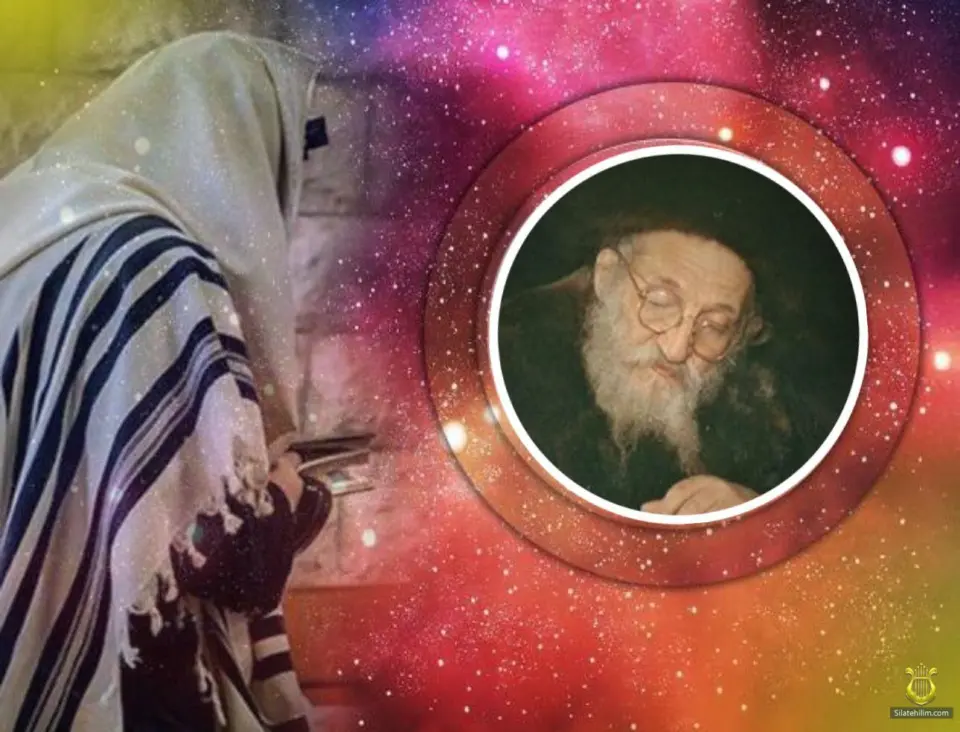
The prayer “Baruch she-amar vehayah ha-olam…” — (Blessed is He Who spoke and the world came into being…) — contains 87 words and seven praises of David (“we will exalt, magnify, praise…”), corresponding to what David HaMelech said in Tehillim (119:164): “Sheva bayom hilalticha” — “Seven times a day I praise You.”The word “Baruch” is repeated 13 times (it is worthwhile to count them during the prayer).The blessing “Baruch Sheamar” is recited before Pesukei DeZimra. The Men of the Great Assembly instituted the recitation of this blessing after a note containing its text fell from Heaven. The prayer’s 87 words correspond to the gematria of the word “paz” (פז), which means “pure gold” in Hebrew. From this we learn the great importance of this blessing. Therefore, one must treat it with great care and, when reciting it, be careful neither to omit nor to add a single word.But there is another great secret contained in this prayer.Rabbi Eliezer Zusia Portugal, the Skulener Rebbe, was known for his immense love for the Jewish people. After World War II, the Rebbe and his wife adopted approximately four hundred children and cared for their physical and spiritual needs.Rabbi Kalman Dravin of Brooklyn heard the following story from the Rebbe himself.As a young rabbi in Romania, the Rebbe influenced young and old to draw closer to G-d. He urged young men not to enlist in the Romanian army, so that they would not be distanced from their faith. Instead, he encouraged them to join a yeshivah, where they could study Torah.Someone reported the Rebbe’s activities to the Romanian authorities. They arrested him and imprisoned him in solitary confinement—in a filthy, dark cell—taking away his kippah and glasses. The Rebbe was a frail and sickly man, and when he found himself in the cold, damp cell, where the only place he could sit or rest was the chilly, moldy floor, he felt that his end was near. The Rebbe wanted to pray, but his head was uncovered, so he pulled his jacket over his head and began reciting the prayers aloud.Even on an ordinary day, his morning prayer sometimes lasted several hours. Even according to his usual prayer routine, he was always meticulous about every word, but in the situation in which he found himself, he became even more exacting. He began to pray “Baruch Sheamar.”This prayer contains a sequence of praises through which we bless G-d in different ways. The Rebbe concentrated on every word as he never had before: “Blessed is He Who spoke and the world came into being; blessed is He Who speaks and does; blessed is He Who decrees and fulfills.”When he reached the words “gozer u-mekayem”— (Who decrees and fulfills) — he began to wonder. Why are these words mentioned here? They seem out of place in this prayer. In general, the word “gozer” refers to a strict decree—a gezeirah (judgment) imposed upon a person. Moreover, it says that He not only issues decrees but also sustains them.Then all the remaining phrases of the prayer describe the mercy of the Almighty: “Blessed is He Who has mercy upon the earth; blessed is He Who rewards those who fear Him with a good reward; blessed is He Who lives forever and exists eternally,” and so on. At the end of the prayer there are also seven praises by David HaMelech.The Rebbe wondered how he had never thought of this before.For many years he had recited this prayer every day, and it had never occurred to him that the words “gozer u-mekayem” seemed out of place. He was distressed by the thought that all these years he had prayed with incorrect kavanot for this prayer. He repeated the words again and again, trying to find an answer. Suddenly, an insight came to him. He was deeply moved, because he now understood why “gozer u-mekayem”(Who decrees and fulfills) truly belongs in this prayer. According to the Rebbe, the word “u-mekayem” (fulfills) has two meanings: in addition to “brings into effect,” it also means “gives the strength to endure, overcome, and persevere.”This is the intended meaning: sometimes G-d must issue a difficult decree against a person (chas veshalom). But G-d also considers what He must give that person—the strength to withstand the decree and overcome the harsh edict. This is what is meant by the word “fulfills.”From that moment on, the Rebbe viewed his situation positively, because he knew that G-d was also “sustaining” him, enabling him to withstand the decree. He was no longer in a state of despair. He began to believe that his salvation was only a matter of time.Indeed, a few days later, through the intervention of outsiders, the Rebbe was released from the hands of the Romanian authorities. Every year, on the anniversary of his release from prison, the Rebbe would gather his followers and tell them about the prayer “Baruch Sheamar.” He urged everyone present never to give up in difficult circumstances, because Hashem, even when issuing decrees, gives strength to those who follow His path.Perek ShirahIn one of the lessons on “Perek Shirah,” which examined in detail the song of the eagle—“Nesher,”Rabbi Yisrael Yaakovov offered a beautiful mashal. The eagle, as the king of birds, is deeply attached to its eaglets, loves them dearly, and cares for them unlike other birds (as in the examples of the raven, cuckoo, and others). But when the time comes to teach the eaglets to fly, it carries them to the highest cliff and drops them from it—which, from the outside, seems illogical.The eaglet that manages to spread its wings and begin flying does not hold its father’s attention. Instead, he watches with his keen eyes for the eaglet that cannot spread its wings. Then, within a fraction of a second, the eagle rushes toward that chick, spreads its wings beneath it, and lifts it up so that it will not fall to its death.So too, Hashem relates to His children. When Hashem is compelled to issue a decree against a Jew—“gozer”—He in a sense drops His child from a cliff. When He sees that the person cannot cope and cannot spread his wings (cannot do teshuvah), He rushes to him within a fraction of a second and “u-mekayem” (lifts him) upon the “kanfei nesharim” (eagle’s wings) of His children, preventing him from being shattered and saving him.GematriotInterestingly, the gematriot of these two words support the Skulener Rebbe’s commentary.The word גוזר “gozer” (decrees) has a gematria of 216, the same as the word גבורה “gevurah” (judgment).The word ומקים “u-mekayem” (brings into effect) has a gematria of 196. With the kolel, this equals the gematria of the word “Immanuel” עמנואל (G-d is with us)—197. Hashem issues a decree, but He does not abandon His children—He is with us.בָּרוּךְ שֶׁאָמַרבָּרוּךְ שֶׁאָמַר וְהָיָה הָעוֹלָם, בָּרוּךְ הוּא,בָּרוּךְ אוֹמֵר וְעֹשֶׂה,בָּרוּךְ גּוֹזֵר וּמְקַיֵּם,בָּרוּךְ עֹשֶׂה בְרֵאשִׁית,בָּרוּךְ מְרַחֵם עַל הָאָרֶץ,בָּרוּךְ מְרַחֵם עַל הַבְּרִיּוֹת,בָּרוּךְ מְשַׁלֵּם שָׂכָר טוֹב לִירֵאָיו,בָּרוּךְ חַי לָעַד וְקַיָּם לָנֶצַח,בָּרוּךְ פּוֹדֶה וּמַצִּיל, בָּרוּךְ שְׁמוֹ.בָּרוּךְ אַתָּה יי אֱלֹהֵינוּ מֶלֶךְ הָעוֹלָם, הָאֵל אָב הָרַחֲמָן, הַמְּהֻלָּל בְּפֶה עַמּוֹ מְשֻׁבָּח וּמְפֹאָר בִּלְשׁוֹן חֲסִידָיו וַעֲבָדָיו וּבְשִׁירֵי דָוִד עַבְדָּךְ נְהַלְלָךְ יי אֱלֹהֵינוּ בִּשְׁבָחוֹת וּבִזְמִירוֹת וּנְגַדְּלָךְ וּנְשַׁבְּחָךְ וּנְפָאֲרָךְ וְנַמְלִיכָךְ וְנַזְכִּיר שִׁמְךָ מַלְכֵּנוּ אֱלֹהֵינוּ יָחִיד, חַי הָעוֹלָמִים מֶלֶךְ מְשֻׁבָּח וּמְפֹאָר עֲדֵי עַד שְׁמוֹ הַגָּדוֹל. בָּרוּךְ אַתָּה יי מֶלֶךְ מְהֻלָּל בַּתִּשְׁבָּחוֹת.Baruch SheamarBaruch she-amar vehayah ha-olam, Baruch Hu,Baruch omer ve-oseh, Baruch gozer u-mekayem (decreeing and fulfilling [the judicial decree]),Baruch oseh bereishit, Baruch merachem al ha-aretz, Baruch merachem al ha-briyot,Baruch meshalem sachar tov lire'av, Baruch chai la'ad ve-kayam la-netzach,Baruch podeh u-matzil, Baruch Shemo.Baruch Atah Ado-nai Eloheinu Melech ha-olam, ha-El, Av ha-rachaman, ha-mehulal be-fei amo, meshubach u-mefo'ar bilshon chasidav va-avadav u-ve-shirei David avdecha nehallelcha, Ado-nai Eloheinu, bishvachot u-vizmirot, u-negadelcha, u-neshabbechacha, u-nefa'arecha, ve-namlichacha, ve-nazkir shimcha, Malkeinu Eloheinu, yachid, chai ha-olamim, Melech meshubach u-mefo'ar adei ad Shemo ha-gadol.Baruch Atah Ado-nai Melech mehulal ba-tishbachot.TranslationBlessed is He Who spoke and the universe came into being!Blessed is He!Blessed is He Who speaks and does!Blessed is He Who decrees and fulfills [the judicial decree]!Blessed is He Who has mercy upon all creatures!Blessed is He Who removes darkness and brings light!Blessed is He Who gave the Torah to the people of Israel!Blessed is He Who fills those who fear Him with a good reward!Blessed is He!Blessed is He before Whom there is no offering [burnt offering], yet Who neither forgets, imposes, nor lifts, neither shows partiality nor accepts a bribe!Blessed is the G-d Who lives forever and exists eternally!Blessed are You, L-rd, our G-d [He], eternal King [He], G-d, merciful Father, great and holy! (from the book Likutei Shmuel by Rabbi Menachem Mendel Pomerantz)
Was this helpful?
100% of readers found this article helpful (130 votes).
Please note: some articles on our site contain the holy Names of the Almighty. If you print these articles, they may not be thrown away or destroyed. Please handle printed copies with care and respect.
Material from our site may be copied for the purpose of spreading Torah, provided a link to Silatehilim.com is included. Any use of the site's material in print publications or for commercial purposes is prohibited without the rights holder's consent.